 1998
1998حان وقت قائمة Fortune الأمريكية السنويةلحظة الكشف عن قائمة أفضل 500 شركة، وقائمة عام 2026 كتبت تاريخًا جديدًا.
أمازون، الشركة التي ولدت في مرآب وانطلقت ببيع الكتب، نجحت في إزاحة وول مارت عنالعرش الحديدي الذي احتلته لمدة 13 عامًا.
عندما ظهرت لأول مرة في القائمة عام 2002، كانت أمازون تحتل المرتبة 492 على حافة القائمة. من كان يتخيل أنه بعد أكثر من عقدين، لم تصبح فقط الشركة الأعلى إيرادات في أمريكا، بل أنهت أيضًا أسطورة هيمنة عملاق قديم طويل الأمد. تجدر الإشارة إلى أنه في تاريخ القائمة الذي يمتد لأكثر من 70 عامًا، حدث تغيير المركز الأول أقل من تغيير أغطية الهواتف.
ولكن بصراحة، إذا اعتمدت فقط على فتح متجر عبر الإنترنت لبيع البضائع وكسب فارق السعر الضئيل، لكان من الصعب حقًا على أمازون سد الفجوة الأخيرة للتفوق. ما مكنها حقًا من تحقيق هذه الخطوة الحاسمة هو محرك النمو الثاني المخفي في جسدها— الخدمات السحابية.
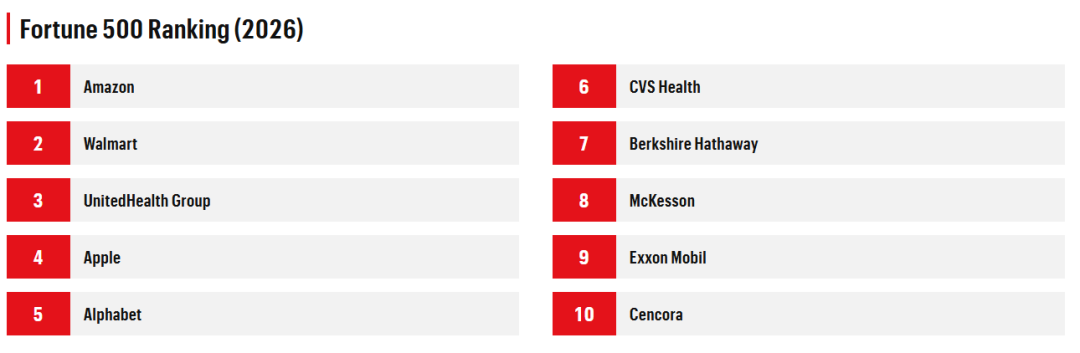
المصدر:Fortune
تظهر البيانات أنهفي عام 2025 بأكمله، ارتفعت صافي مبيعات أمازون بنسبة 12% لتصل إلى حوالي 716.9 مليار دولار. في حين بلغت مبيعات وول مارت في الفترة نفسها 713.2 مليار دولار. الفارق المطلق ليس كبيرًا حقًا، لكن معدل النمو البالغ 4.7% أمام نمو أمازون المرتفع البالغ 12% يشبه عداء السرعة الذي ينضب وقوده ويتجاوزه منافس في المنعطف.
والأهم من ذلك هو جانب دعم الأرباح. في العام الماضيارتفعت مبيعات AWS السنوية بنسبة 20% على أساس سنوي، مما ساهم بشكل مباشر في إيرادات بلغت 128.7 مليار دولار. هذا النهج المزدوج 'بيع البضائع عبر الإنترنت لتدفق الأموال، والخدمات السحابية لتحقيق الأرباح' جعل أمازون تحافظ على استقامتها حتى في فترات التباطؤ الاقتصادي، وتستطيع ضخ الأموال باستمرار في الاستثمارات المستقبلية.
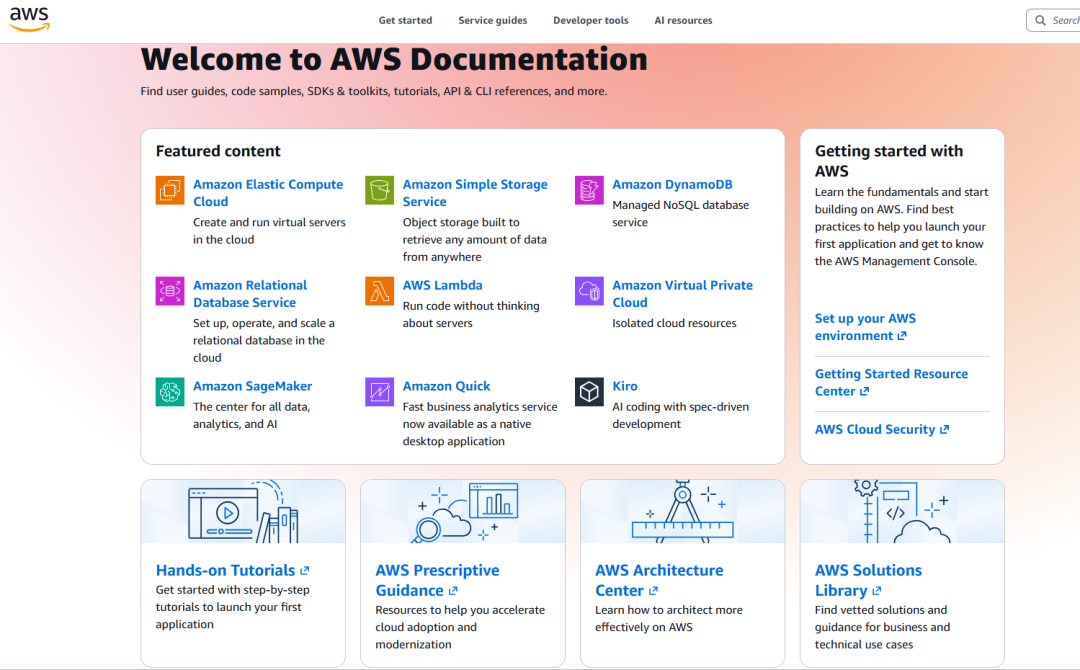
المصدر:AWS
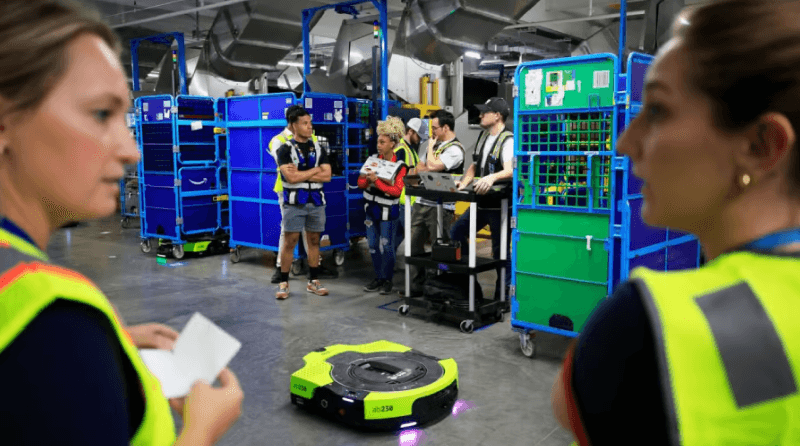
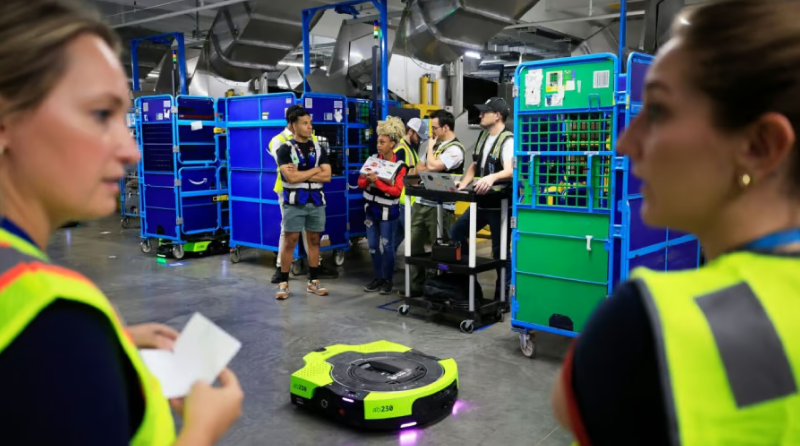
واتجاه ضخ أموال أمازون هو أيضًا عقبات صعبة تجعل المنافسين أكثر عجزًا عن التعامل معها. مؤخرًا، أعلنت أمازون عن ضخ أكثر من10 مليارات يورو لترقية شبكة اللوجستيات في جميع أنحاء أوروبا، وفي الوقت نفسه أطلقت روبوت تخزين جديدًا مزودًا بالذكاء الاصطناعي يُدعى Proteus.
ما الفرق الذي يقدمه Proteus؟ يمكنه فهم كلام الموظفين، إذا أخبرته بنقل هذا الصندوق إلى الباب، يمكنه تخطيط مساره بنفسه وتجنب العوائق لإكمال المهمة. من المتوقع أنه في النصف الأول من عام 2027، سيتم نشر هذا الروبوت الذكي على نطاق واسع في جميع المستودعات الأوروبية الكبرى. في جانب التوصيل، جعلت أمازون التوصيل فائق السرعة أكثر انتشارًا في بريطانيا، حيث يمكن لسكان بعض المدن مثل مانشستر وبرمنغهام الحصول على مشترياتهم في غضون نصف ساعة.
عندما يتم رفع عتبة تجربة المستخدم إلى هذا المستوى العالي خطوة بخطوة، يصبح من الصعب حقًا على وول مارت والمنافسين الذين يتبعونها اللحاق بها.
المصدر:Amazon
لم تنته بعد تصفيقات الوصول إلى القمة، بدأت مشاعر القلق تظهر من الجانب الآخر.
وصل عدد الزيارات الشهرية لـ Temu الآن إلى 1.34 مليار زيارة، ليس فقط تحتل المرتبة الثانية في حركة المرور لمواقع التجارة الإلكترونية العالمية، بل تستخدم أيضًا استراتيجية الأسعار المنخفضة جدًا يوميًا لسحب حركة المرور الأساسية من أمازون. وتقدر بعض المؤسسات أن قيمة المعاملات العالمية لـ Temu هذا العام قد تتجاوز 100 مليار دولار.
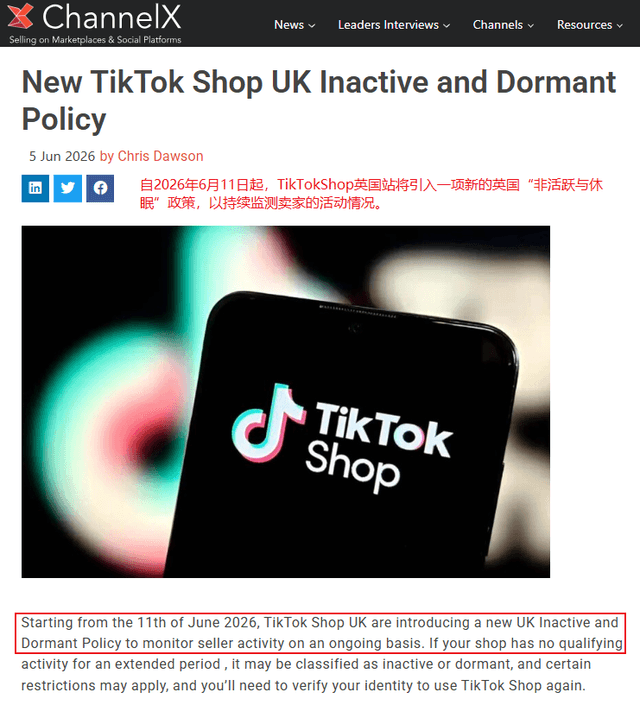
القوة الأخرى هيTikTok Shop، حيث ارتفعت قيمة المعاملات العالمية للمنصة بنسبة تقارب 70% على أساس سنوي في عام 2025، ووصل عدد المستهلكين النشطين إلى 400 مليون. ومن المتوقع أنه بحلول عام 2026، قد تقفز قيمة معاملاتها العالمية إلى أكثر من 112 مليار دولار. سواء كان ذلك من خلال استهداف الأسعار المنخفضة أو اعتراض المحتوى، فإن كل ضربة من 'الملوك الأربعة الكبار' للتجارة الإلكترونية الصينية الخارجة للخارج تضرب بطن أمازون التقليدي.
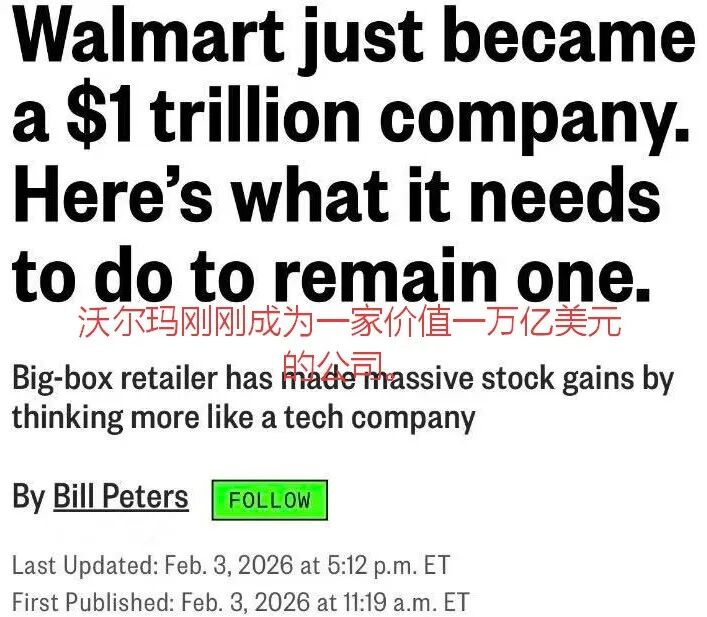
ولم تقف وول مارت مكتوفة الأيدي. فيفي أوائل فبراير 2026، اخترقت القيمة السوقية لـ وول مارت حاجز تريليون دولار لأول مرة. كما ودعت بورصة نيويورك وانتقلت عمدًا إلى بورصة ناسداك التي تمثل القوى التكنولوجية الجديدة. حقق أعمال وول مارت عبر الإنترنت أرباحًا لأول مرة في العام الماضي، ومن المتوقع أن تصل مبيعات التجارة الإلكترونية السنوية إلى حوالي 140 مليار دولار. هذه السفينة العملاقة للبيع بالتجزئة التي كانت تبدو ثقيلة في السابق، تحول نفسها تدريجيًا إلى شركة تكنولوجيا. لا تظن أنها غادرت المسرح، بل غيرت المسار فقط.。
مصدر الصورة:MarketWatch
تصدرت أمازون القمة، ولكن ما إذا كانت هذه القبعة ثقيلة أم لا، وما إذا كانت ستثبت على الرأس، فهذا يعتمد على القدرة على التعامل خلال السنوات الثلاث القادمة. بالنسبة للبائعين على المنصة، فترة الألم الجوهرية قادمة بكامل قوتها.
من أجل البقاء، لم يعد هناك العديد من الطرق كما في السابق: التوزيع على منصات متعددة لتفريق المخاطر الفردية، خفض تكاليف التشغيل للحفاظ على مساحة البقاء، واكتساب القدرة على الاستجابة السريعة. أما بالنسبة للطريق الذي نسلكه، فذلك يعتمد على قدرات كل فرد.
ولكن مهما كان الاختيار، هناك شيء واحد مؤكد بنسبة مائة بالمائة: في ساحة المعركة التجارية التي لا يُرى فيها دخان البارود، فإن من يركض ببطء، على الأرجح لن يفلت من مصير الإقصاء بضربة واحدة.