 2728
2728
In der Geschäftswelt starren die meisten Menschen gewohnheitsmäßig auf die heißenderMassenkategorien, fest davon überzeugt, dass nur Orte mit viel Verkehr Chancen auf Reichtum bieten.
Aber in Wirklichkeit sind viele scheinbar unpopuläre Nischenbereiche bereits leise aufgestiegen und bergen nicht zu unterschätzende Wachstumsrenditen und Chancen.
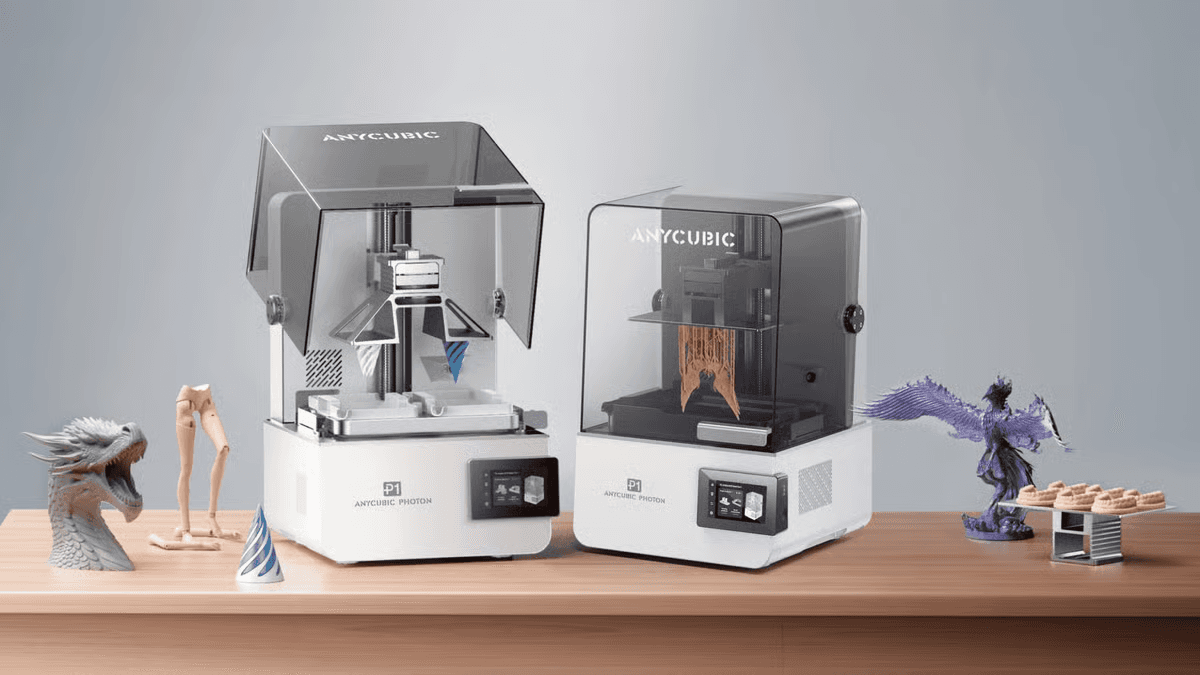
ebenalsDen 3D-Druck als Beispiel, er ist nicht so bekannt und hat nicht so ein breites Publikum wie Haushaltskleingeräte oder Bekleidung, aber auf den Überseemärkten, insbesondere in den Kernregionen Europas und Amerikas, erlebthateine schnelle Entwicklung, deren Trend sich ständig verbessert.
Bildquelle:Google
Die zugrunde liegende Logik des Nachfrageschubs,genaudie Veränderungen aus der Verbrauchergruppe und den Lebensszenarien。
heute,Die jüngere Generation ist zunehmend begeistert von eigenständigenDIY-Kreationen, ob trendige Figuren、individuelle Anpassungen oder lustige handgemachte Heimwerkerarbeiten,3D-Druck tief integrierthatvielfältige Szenarien, die Marktnachfrage steigt kontinuierlich.
undmaßgebliche Datenauchebenfalls bestätigenbereitsBranchederPotenzial:
LautGrand View Researchder StudieDaten zeigen,weltweitdes 3D-DrucksMarktgrößeimerreichte 2025 30,5 Milliarden US-Dollar und wird voraussichtlich bis 2033 auf 168,9 Milliarden US-Dollar wachsen, während der dazwischenliegenden JahreCAGRbeträgt erstaunliche23.9%, das Wachstumsehr rasantes Tempo。
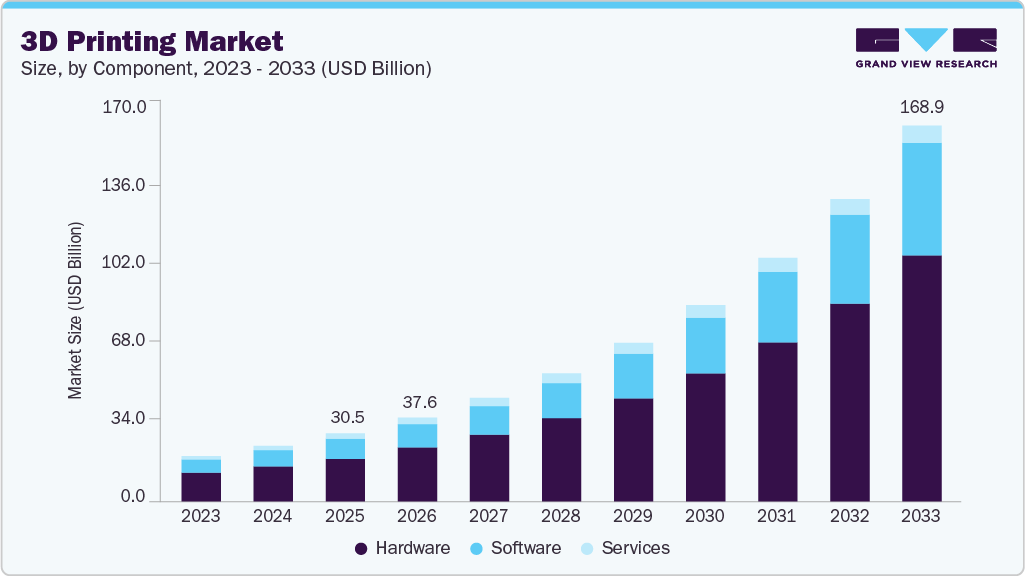
Bildquelle:Grand View Research
Hat Aussichten, hohe Nachfrage, zieht natürlichbereitsverschiedene Markennacheinanderin diesen hochwertigenderNischensegment,Im Inland gibt es bereits viele Marken, die durch3D-Druckgeräte im AuslandMarkterfolgAusbruch, verwirklichenVerkaufsschlager。
Heute wird vorgestelltAnycubic,istdavonTypischer Vertreter.
Von einer kleinen Fabrik, die sich von Anfang an intensiv mit Druckteilen beschäftigte.,Aufstieg und WandlungzuDas Produkt wird weltweit verkauft.über 200 Länder und Regionen、Jahresumsatz stabil im Milliardenbereich, wird zu einem waschechten Dark Horse auf dem internationalen Markt.
Wie genau hat es Schritt für Schritt seine Auslandspräsenz gefestigt und realisiert,VerkaufszahlenAusgebrochen?
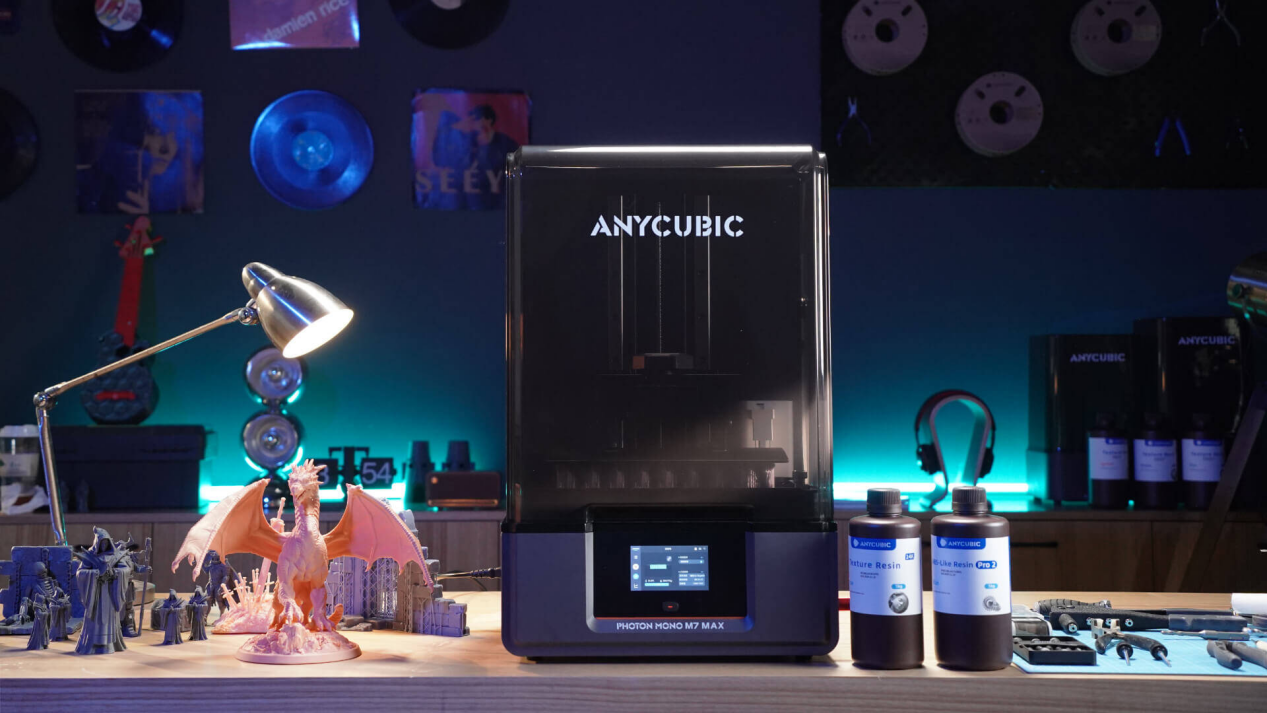
Bildquelle:Google
Der Weg der MarkenentwicklungVom Verkauf von Teilen zuJahreseinkommen1 MilliardeDer Gegenangriff
Laut öffentlich zugänglichen Informationen zeigt sich, Anycubic(纵维立方) ist eine auf den Überseemarkt spezialisierte Marke für Consumer-3D-Drucker, die 2015 in Shenzhen, China, gegründet wurde.
In der Anfangsphase konzentrierte sich die Marke hauptsächlich auf3D-Druck-Zubehörteiledie Produktion von,Im Zuge der intensiven Auseinandersetzung mit der Lieferkette stellte das Gründerteam fest, dass der Aufschlag für den Verkauf von Komplettgeräten ins Ausland beträchtlich war und die Gewinne weit über denen des Zubehörgeschäfts lagen.
Nachdem sie diese Geschäftschance erkannt hatten,Anycubic leitete ab 2015 entschlossen eine strategische Transformation ein und konzentrierte sich vollständig auf das Komplettgerätegeschäft.
2016 brachte die Marke ihr erstes FDM-Modell, den Anycubic i3 Mega, auf den Markt und stieg offiziell in den Markt für Consumer-3D-Drucker ein.
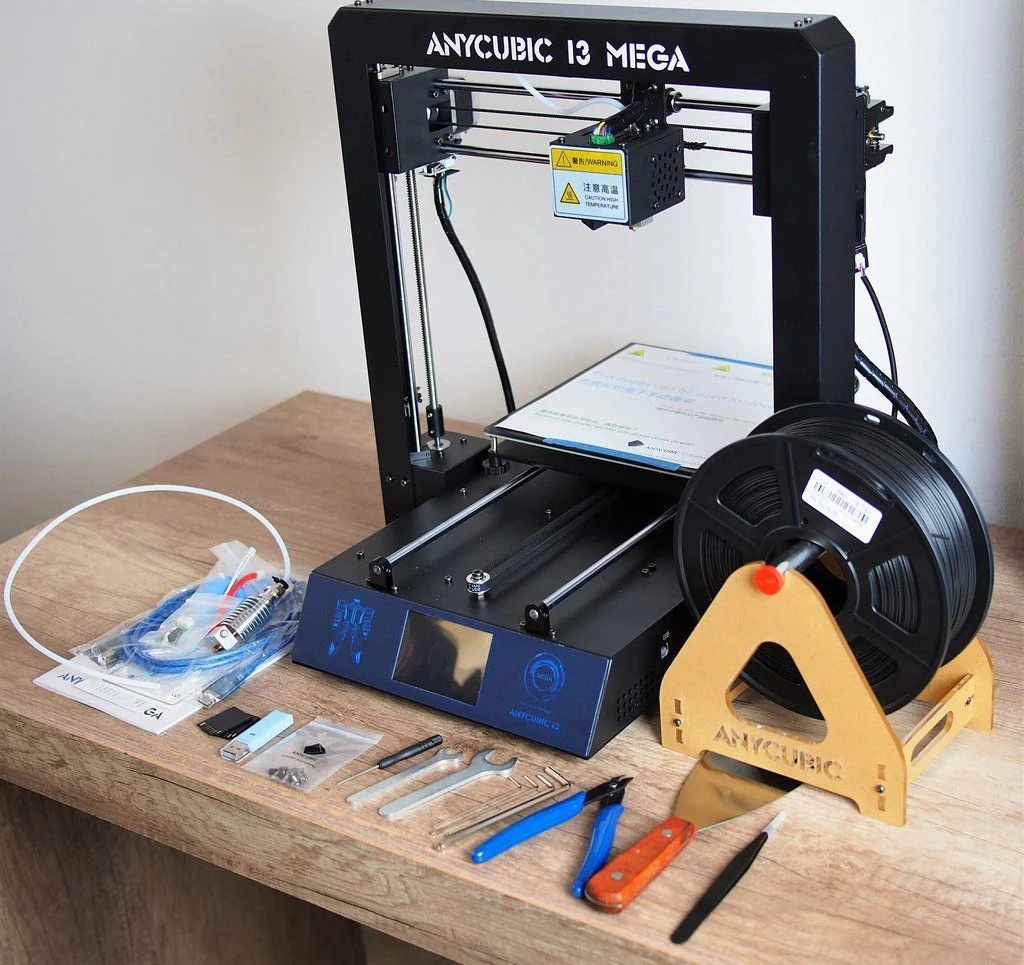
Bildquelle: Google
Mit Amazon als zentralem Startpunkt orientierte sich das Unternehmen an vergleichbaren Produkten auf dem europäischen und amerikanischen Markt mit einem Durchschnittspreis vonrund 800 US-Dollar, setzte auf ein extremes Preis-Leistungs-Verhältnis und senkte den Produktpreis auf nur 300 US-Dollar, sodass Verbraucher mit weniger als der Hälfte der Kosten ein professionelles Druckgerät erleben konnten.
Dank dieser herausragenden Preis- und Produktvorteile stieg der Absatz dieses Modells im ersten Monat nach der Markteinführung von50 auf 3000 Einheiten schnell an, erreichte schnell die Spitze der Amazon-Bestsellerliste, eröffnete erfolgreich den Überseemarkt und gewann erste treue Kunden.
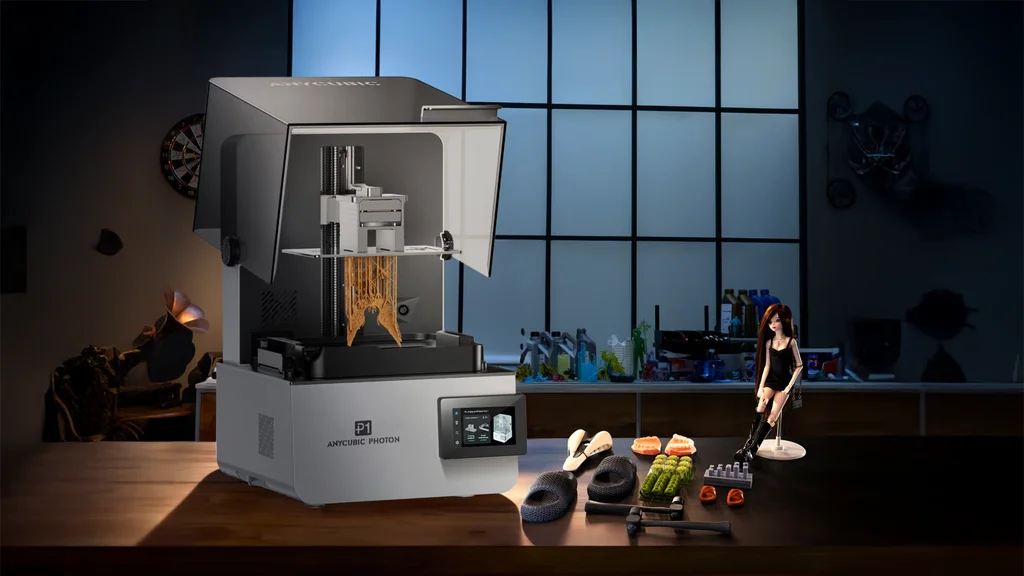
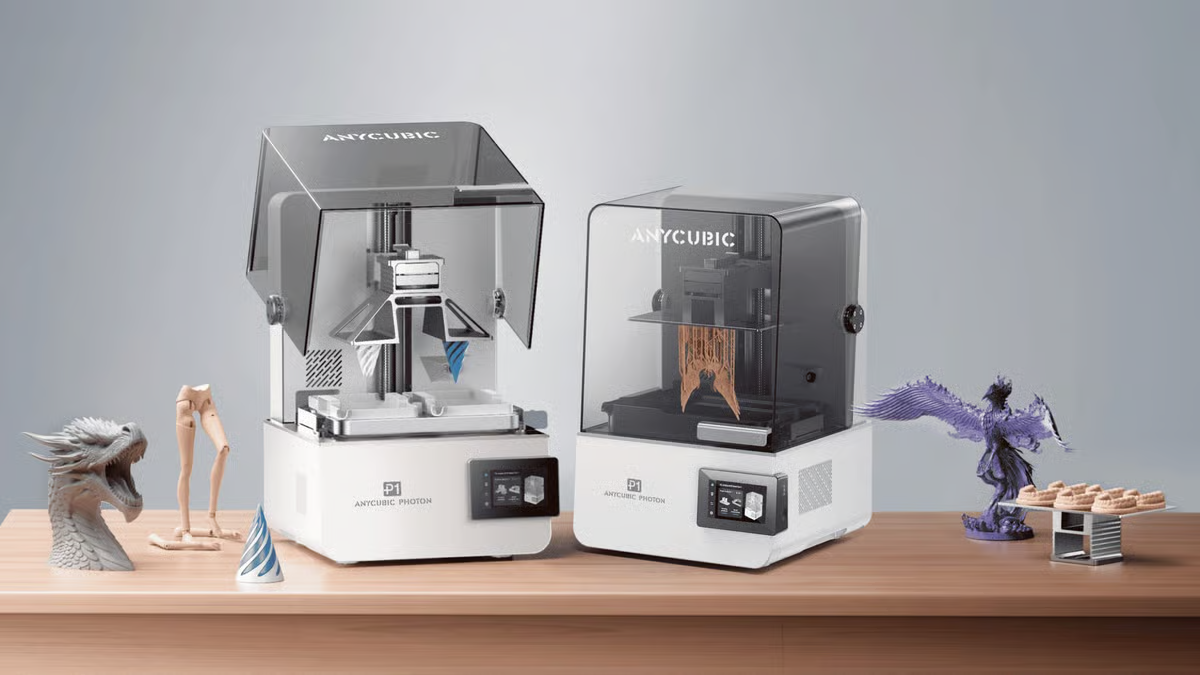
2017 verlagerte Anycubic den Fokus der Forschung und Entwicklung auf den Bereich der LCD-Lichthärtungstechnologie und veröffentlichte auf der Crowdfunding-Plattform Kickstarter die branchenweit erste Consumer-Lichthärtungs-3D-Druckerserie Photon, die genau die hohe Nachfrage von Enthusiasten und Profis nach hochpräzisem Drucken erfüllte.
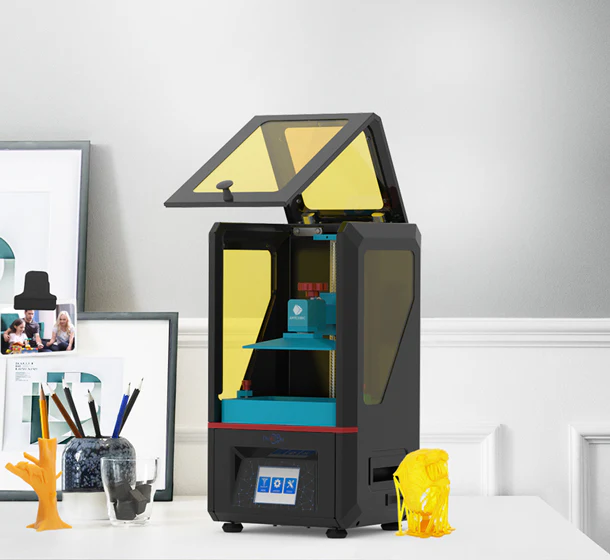
Bildquelle: Google
Danach trieb die Marke kontinuierlich technologische Iterationen voran, erweiterte die Produktmatrix und vervollständigtedie beiden Kernproduktlinien FDM (Fused Deposition Modeling) und LCD-Lichthärtung und brachte nacheinander mehrere erfolgreiche Modelle wie den Photon X und den Photon Mono auf den Markt.
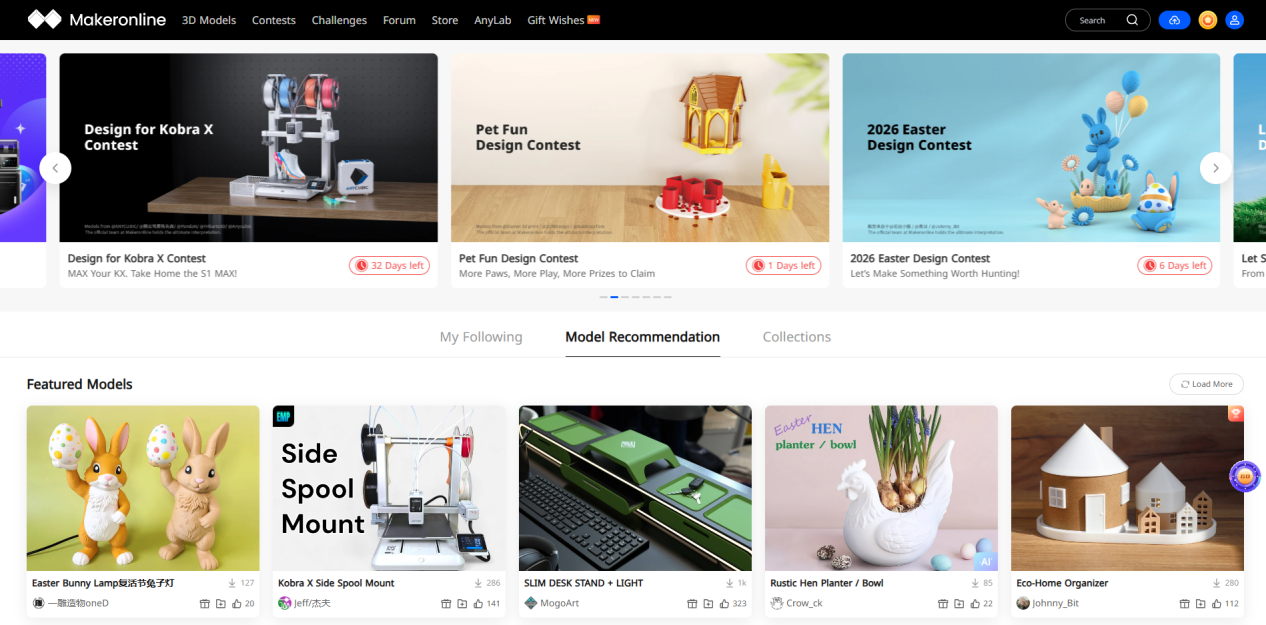
2019 baute Anycubic seine offizielle unabhängige internationale Website auf und schuf ergänzend die MakerOnline-Modell-Community. Durch das Ökosystem, in dem Nutzer 3D-Druckmodelle hochladen und teilen, wurden die Kundenbindung und die Wiederkaufrate erheblich gesteigert.
Bildquelle: Anycubic
Gleichzeitig baute das Unternehmen ein umfassendes Netz an grenzüberschreitenden Kanälen auf und trat bei Alibaba International Station, AliExpress,eBay, Lazada, Banggood und anderen großen Plattformen bei, deckte die aufstrebenden Märkte in Südostasien und Australien tiefgreifend ab und etablierte einen ausgereiften Betriebskreislauf aus Drittanbieter-Plattformen für den Verkauf und einer unabhängigen Website zur Markenbildung.
Heutzutage,Anycubics Jahresumsatz hat stabil die Milliardenmarke überschritten, das Geschäft erstreckt sich über mehr als 200 Länder und Regionen weltweit, und die kumulierten Gesamtverkäufe der Geräte haben 1 Million Einheiten überschritten,wurdebereitsConsumer-Gradeim 3D-Druck-Bereich unbestrittenSuper-Dark-Horse-Bestseller。
Bildquelle:Google
Social-Media-Inhaltsvielfalt: Durch Alltagsszenen und Interessengruppen Nutzer präzise erreichen
Obwohl die Produktstärke kontinuierlich gestärkt und die Vertriebskanäle ständig erweitert werden,Anycubic steht während der intensiven Erschließung des Auslandsmarktes dennoch vor einer zentralen Herausforderung.
Das heißt, in einer vertikalen Nische mit hohen Einstiegshürden und hohen Durchschnittsausgaben, wie man kontinuierlich die weltweit verstreuten Nutzer erreicht und effizient Markenvertrauen aufbaut?
Hierzu,Anycubic hat einen Durchbruch gefunden: die Nutzung von TikTok und anderen Mainstream-Social-Media-Plattformen für Content-Marketing, den Aufbau eines vielfältigen und umfassenden Traffic-Ökosystems, um der Marke nachhaltig Impulse für langfristiges Wachstum zu verleihen.
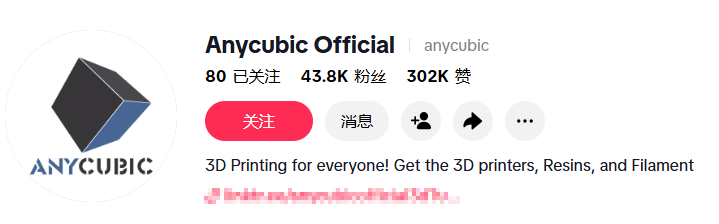
AufTikTok hat die Marke ein offizielles Konto @Anycubic Official eingerichtet. Bis heute hat es 43.800 Follower und 302.000 Likes.
Bildquelle:TikTok
Um potenzielle Verbraucher präzise zu erreichen, ist der Content-Stil des Kontos vielfältig und die Szenen klar.
Einerseits wird der Fokus auf praktische Schmerzpunkte im Haushalt gelegt.
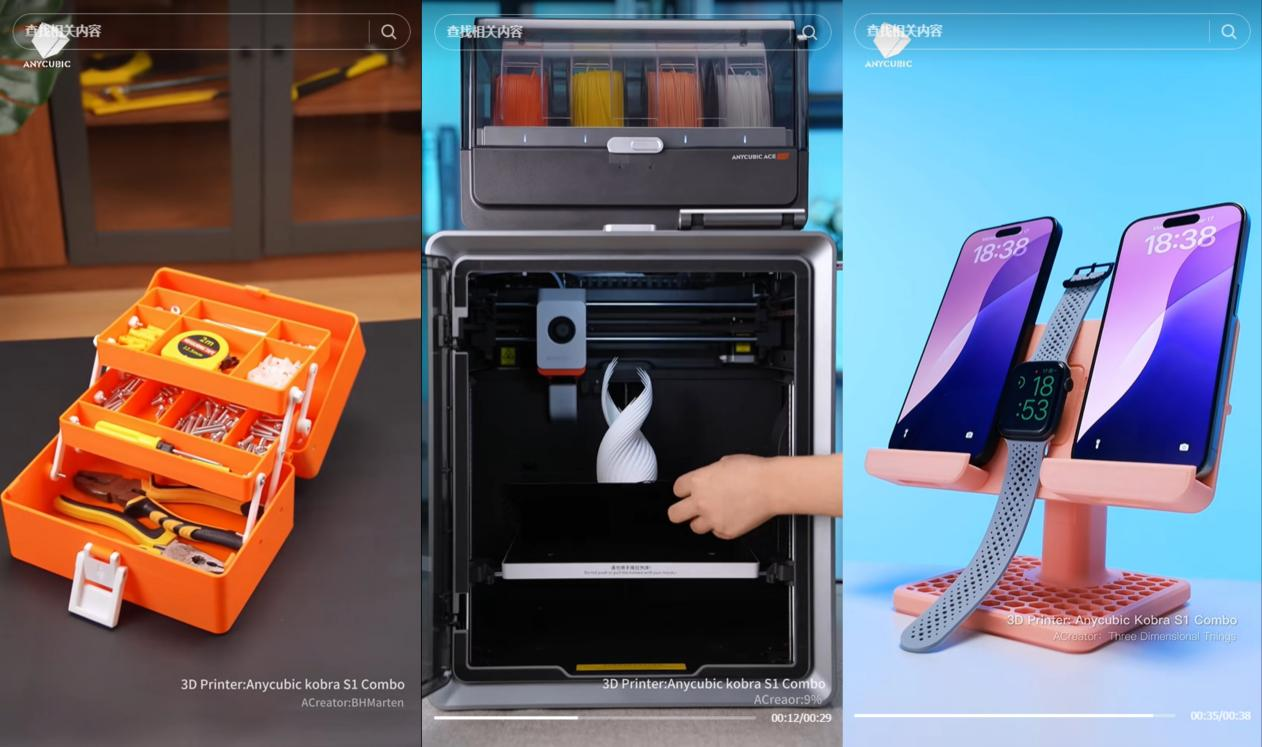
Zum Beispiel wird für das Problem der unordentlichen und verstreuten Haushaltswerkzeugteile ein Video veröffentlicht, das zeigt, wie man mit dem eigenen3D-Drucker maßgeschneiderte Aufbewahrungsboxen in einem Praxisvideo; oder simuliert eine zerbrochene Vase, demonstriert die Verbindung des Geräts per Knopfdruck, die freie Auswahl des Designs und das schnelle Drucken einer robusten, langlebigen neuen Vase; zeigt auch die Mehrfachnutzung eines Geräts zur Herstellung einer multifunktionalen Halterung, die gleichzeitig Handy, Tablet und Uhr aufnehmen kann.
Diese lebensnahen Inhalte, die den täglichen Grundbedarf decken, können die praktischen Vorteile des Produkts direkt zeigen und problemlos normale Haushaltsnutzer überzeugen.
Bildquelle:TikTok
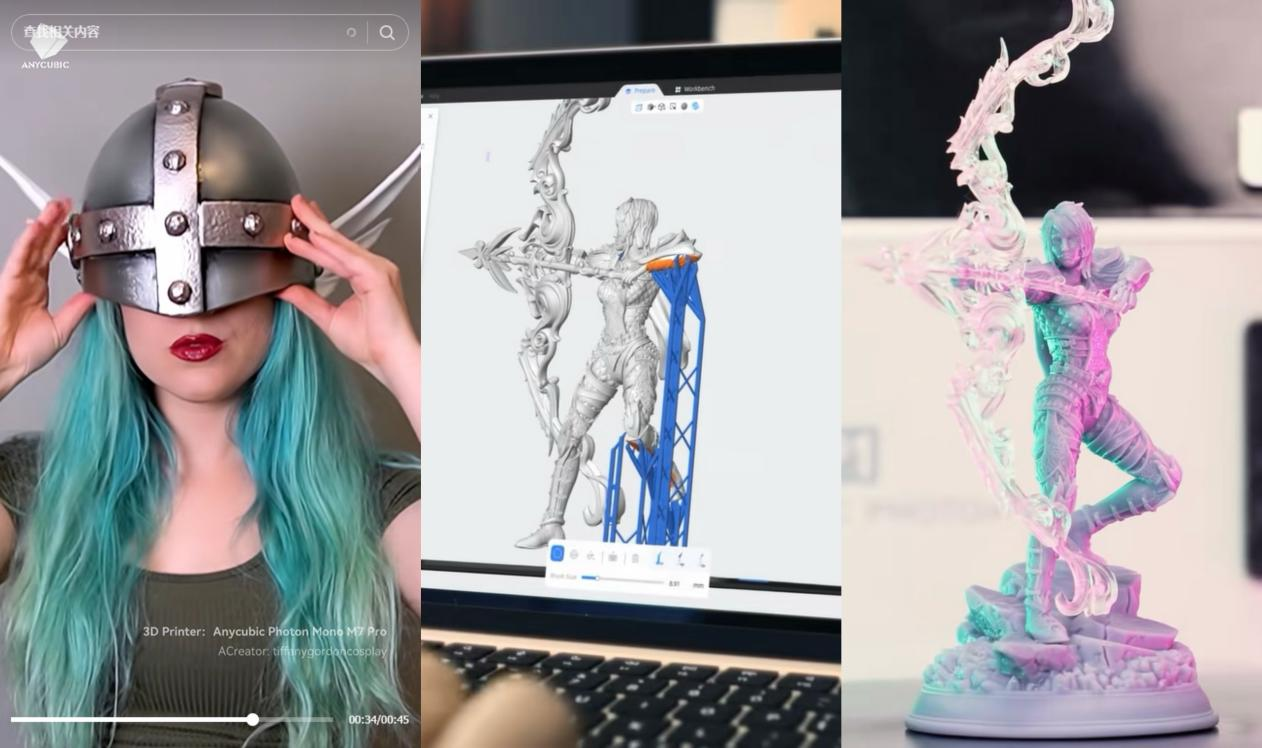
Andererseits zielt die Marke auch auf Anime- und Gaming-Enthusiasten ab, um sie gezielt anzusprechen.
Zum Beispiel die Nachbildung des klassischen Helms von Angewomon aus Digimon oder die Reproduktion des Dunkelelfen-Bogenschützen-Modells aus Dungeons & Dragons, um kreative Ideen durch3D-Druck in die Realität umzusetzen.
Durch äußerst attraktive, interesseorientierte Inhalte weckte es die Neugier der Nutzer in der Nische und gewann gezielt die Aufmerksamkeit vertikaler Fans.
Bildquelle:TikTok
TikTok-Influencer-Kooperation: Mit Hilfe vertikaler KOLs Millionen von Aufrufen generieren
Natürlich reicht es nicht aus, sich nur auf offizielle Konten zu verlassen. Um die Markenbekanntheit weiter zu steigern und die Reichweite zu erweitern,Anycubic hat auch mit vielen aktiven vertikalen Influencern auf TikTok zusammengearbeitet.
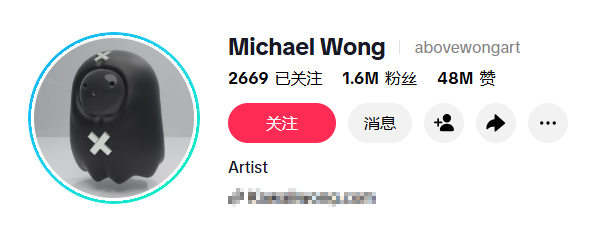
Mit1,6 Millionen Followern3D-Druck-Enthusiasten@Michael Wong war ein wichtiger Kooperationspartner. Seine Accountinhalte sind tief im Bereich 3D-Druck verwurzelt und passen perfekt zum Label von Anycubic.
Bildquelle:TikTok
Er hat fürAnycubics3D-Druck-Maschinenprodukte mehrere Werbevideos gedreht, die alle hervorragende Daten erzielten. Das beliebteste Video darunter erreichte sogar36,2 Millionen Aufrufe und über 887.400 Likes.
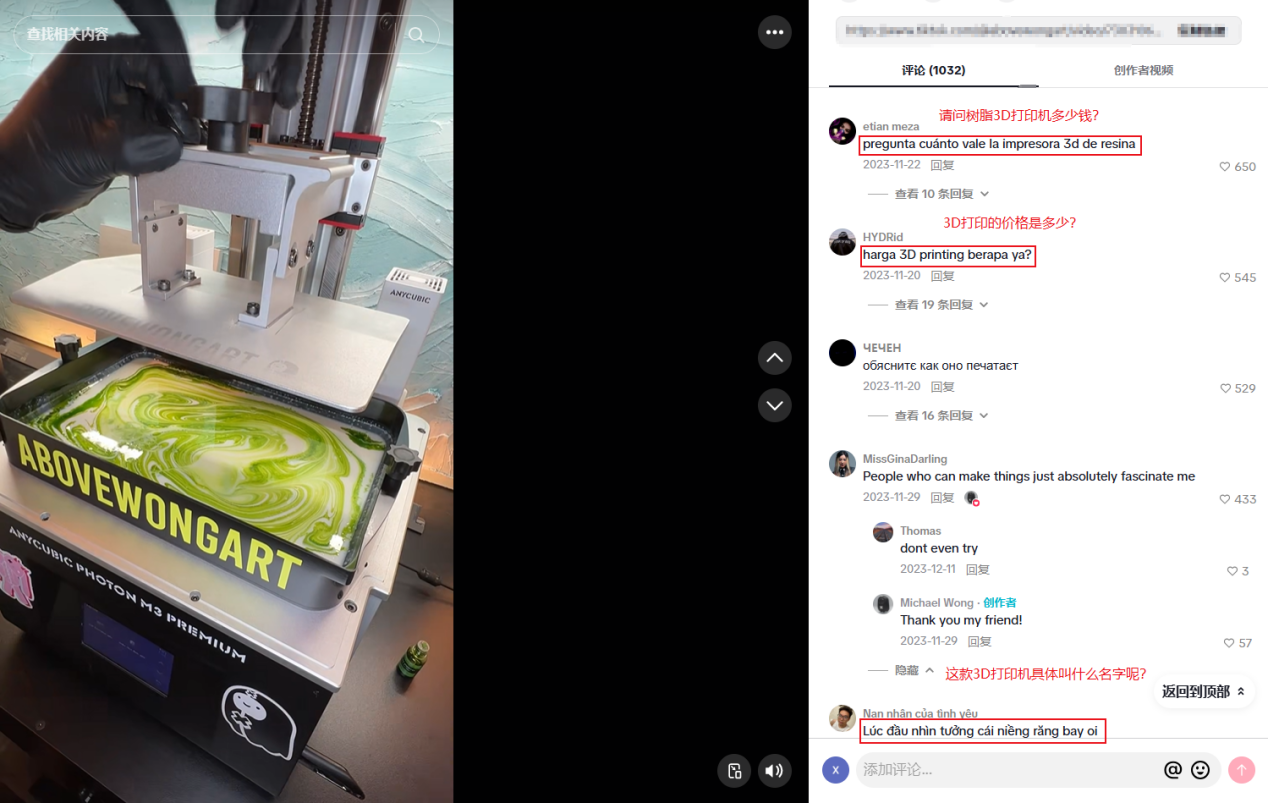
In diesem Video wurde vollständig gezeigt, wie der Influencer mitder Nomad-Software auf dem iPad das Mask Freestyle-Modell entwarf und dann mit dem Photon-Harz-3D-Drucker von Anycubic eine Mischung aus grünem Farbharz und weißem Harz verwendete, um Schritt für Schritt den fertigen Prozess zu präsentieren.
Im Kommentarbereich gab es zahlreiche Anfragen:
“Wie viel kostet der Harz-3D-Drucker??”
“Wie hoch ist der Preis für 3D-Druck??”
„Dieses3D-DruckMaschineWie heißt es genau??”
Man sieht, dass durch die Live-Demonstration des professionellen Druckprozesses durch vertikale Influencer nicht nur die Stärke des Produkts visuell gezeigt wird, sondern auch effektiv die Bedenken der Öffentlichkeit hinsichtlich der hohen technischen Hürde und der schwierigen Einarbeitung ausgeräumt werden, um die Konversion interessierter Nutzer zu fördern.
Bildquelle:TikTok
Fazit
Rückblickend,Anycubic, das von einer kleinen Fabrik in Shenzhen zu einem Vorzeigeunternehmen im Auslandsmarkt mit einem Jahresumsatz von über einer Milliarde Yuan gewachsen ist, ist sein Weg nicht unnachahmbar.
Sein Erfolg zeigt genau, dass inauf der Nischenbahn des 3D-Drucks, solange das Produkt die echten Bedürfnisse der Nutzer trifft, die Technologie wettbewerbsfähig ist und durch präzise Social-Media-Inhalte erreicht wird, besteht die Chance, auf dem Auslandsmarkt Fuß zu fassen.
Und jetzt ist der ideale Zeitpunkt, in diese Kategorie einzusteigen. Die ausländischen Verbraucher sind gegenüberDie Bekanntheit und Akzeptanz des 3D-Drucks steigen rasant, von den ursprünglichen Nerd-Enthusiasten bis hin zu normalen Haushaltsnutzern, die Anwendungsszenarien werden immer vielfältiger.
Gleichzeitig,Social-Media-Plattformen wie TikTok bieten Marken auch einen Kanal, um globale Nutzer kostengünstig zu erreichen. Solange der Inhalt ansprechend genug ist, besteht die Chance, mit wenig viel zu erreichen und schnell Markenbekanntheit aufzubauen.
Für heimische Unternehmen, die noch abwarten, ist es jetzt an der Zeit, den Einstieg zu planenDen 3D-Druck auf den Auslandsmarkt zu bringen: Es gibt sowohl Marktdividenden zu nutzen als auch ausgereifte Kanäle und Strategien, an denen man sich orientieren kann.
Diese Nische ist noch weit von der Phase des Roten Ozeans entfernt, der eigentliche Wettbewerb hat gerade erst begonnen.