
 1767
1767In letzter Zeit waren wir damit beschäftigt, Kundenanfragen zu bearbeiten, und dabei ist uns ein Problem aufgefallen: Viele Kunden, insbesondere im B2B-Bereich, verstehen nicht, wie wichtig eine unabhängige Auslandswebsite ist. Sie halten sie für verzichtbar oder denken, man könne sie einfach so nebenbei machen.
Diese Einstellung ist grundlegend falsch. Obwohl die „Internationalisierung“ inzwischen zur Normalität geworden ist, bleibt die unabhängige Auslandswebsite äußerst wichtig. Sie ist entscheidend für die endgültige Kundenakquise von B2B-Unternehmen.
Heute möchten wir Ihnen dieses Thema näherbringen.

Was ist eine unabhängige Website?
Zum Konzept der unabhängigen Website gab es im Internet bereits viele verschiedene Definitionen.
Manche denken, nur Websites für den C2C-Grenzhandel seien unabhängige Websites, aber das stimmt nicht.
Eine unabhängige Website wird deshalb so genannt, weil sie vollständig im Besitz des Unternehmens ist und eine eigenständige Auslandsplattform darstellt, unabhängig von E-Commerce-Plattformen wie Alibaba oder Amazon. Im Sinne ist sie eher mit der offiziellen Auslandswebsite eines Unternehmens vergleichbar.
Diese Website, egal ob sie vom internen technischen Team des Unternehmens erstellt oder von einem externen Technologie-/Softwareunternehmen ausgelagert wurde und dem Unternehmen gehört, wird als unabhängige Website bezeichnet.
Die Bedeutung der unabhängigen Website
Die unabhängige Website hat für verschiedene Kategorien von international tätigen Unternehmen unterschiedliche Bedeutungen.
Für B2C-Unternehmen ist die unabhängige Website eine kleine, spezielle Shopping-Seite mit Bestell-/Zahlungsfunktion, die Risiken vermeiden kann, die durch Probleme auf der Plattform entstehen.
Für B2B-Unternehmen hingegen ist die unabhängige Website neben der Risikovermeidung vor allem eine Plattform, um sich Kunden gegenüber zu präsentieren, die Unternehmensstärke zu zeigen und eine Verbindung zwischen beiden Seiten aufzubauen.
Ohne eine unabhängige Auslandswebsite müssen B2B-Unternehmen im Großhandel viele Umwege machen, um Kunden ihre Stärke zu zeigen und deren Vertrauen zu gewinnen, was unnötig viele Kunden kostet.
Deshalb bauen alle international tätigen Unternehmen eine unabhängige Auslandswebsite auf.

Lassen Sie mich Ihnen ein reales Beispiel einer Außenhandelsfabrik nennen.
Diese Außenhandelsfabrik hatte zu Beginn ihrer Internationalisierung eine unabhängige Auslandswebsite erstellt. Die damit beauftragte externe Firma verwendete jedoch nur eine Vorlage, sodass die offizielle Website zwar schön, aber nicht funktional war.
Da das Unternehmen auch nichts vom Betrieb einer unabhängigen Website verstand, blieb die Website unbeachtet, und es gab natürlich keine Anfragen. Später übernahm ein professionelles Dienstleistungsunternehmen für die Internationalisierung die Website und führte umfassende Verbesserungen durch.
Durch SEO und Content-Marketing über Google und TikTok wurde die Bekanntheit der Fabrik gesteigert und viele potenzielle Kunden auf die unabhängige Website geleitet.
Sie nutzten auch die auf der unabhängigen Website gesammelten Daten, um ihre Produkte zu optimieren und eine präzisere Marktpositionierungsstrategie zu entwickeln. Infolgedessen erzielte das Unternehmen in den letzten Jahren ein bemerkenswertes Umsatzwachstum.
Dies zeigt, wie wichtig die unabhängige Website für B2B-Unternehmen ist.
Worauf müssen B2B-Unternehmen beim Aufbau einer unabhängigen Website achten?
1. Klarer und eindeutiger Zweck und Wert der Website
Die unabhängige Website ist das Aushängeschild des Unternehmens. Der Benutzer sollte auf den ersten Blick erkennen, welche Produkte Sie anbieten. Das Banner-Bild sollte dies anschaulich zeigen.
Außerdem sollten auf der Startseite reale Informationen über Ihr Unternehmen zu finden sein: detaillierte grundlegende Unternehmensdaten, Adresse, Kontaktmöglichkeiten; der physische Zustand des Unternehmens: Büros, Mitarbeiterzahl, Fabrikumgebung, Produktionsabläufe usw.


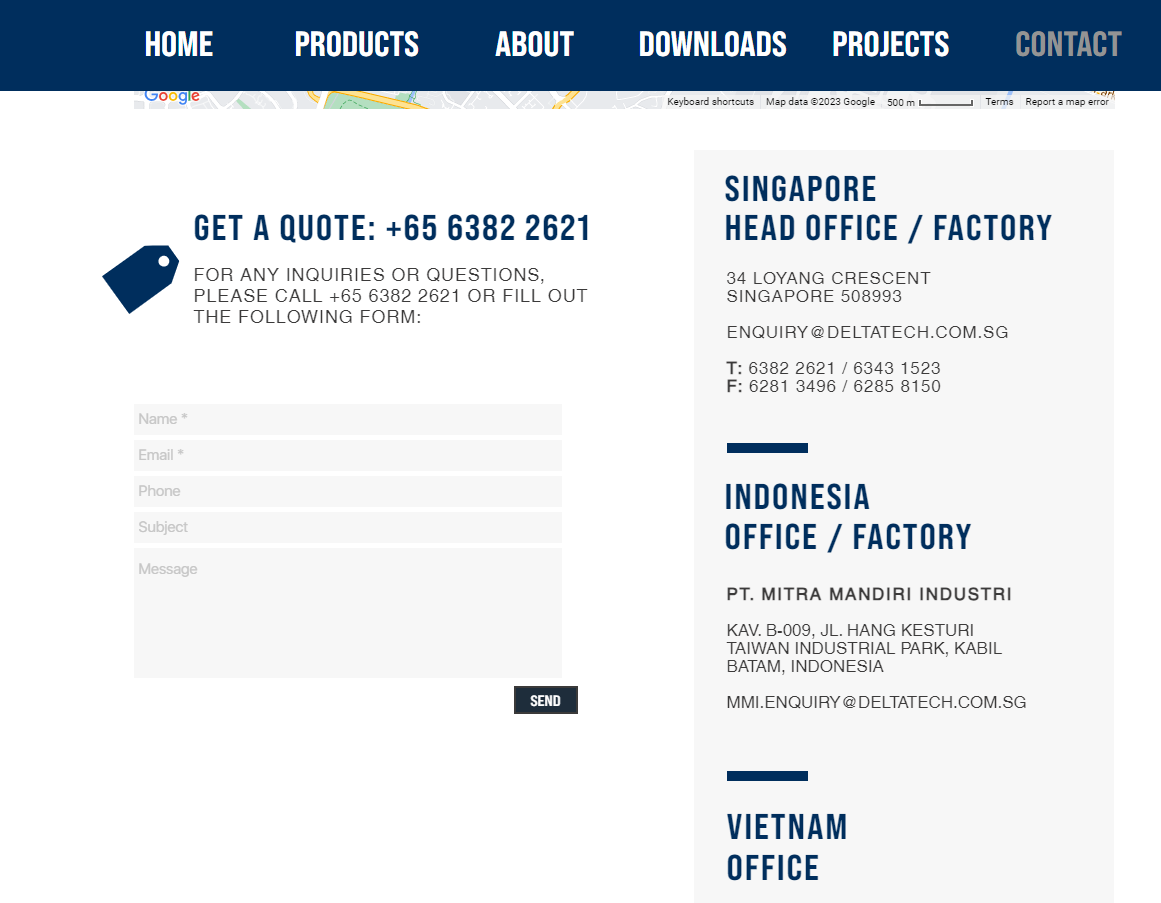
Das Anfragemodul sollte auf jeder Seite klar und leicht zu finden sein. Hier ist eine Zusammenfassung der möglichen Positionen für das Anfrageformular:
●Anfrage-Button in der oberen Navigationsleiste der Seite.
●Anfrage-Button bei jedem Produkt auf der Produktkatalogseite.
●Anfrage-Button im Kopfbereich der Produktseite.
●Direktes Ausfüllen des Anfrageformulars im Fußbereich der Produktseite.
Der Inhalt des Anfrageformulars ist ebenfalls sehr wichtig und sollte mindestens die folgenden Pflichtfelder enthalten:
Name, Einkaufsfirma, Kontakt-E-Mail, Telefonnummer, Land und Region, Name und Modell des angefragten Produkts, gewünschte Lieferzeit, sonstige Informationen, Anforderungen und Nachrichten.
2. Professionelle Bilddarstellung und Produktbeschreibung
Wir alle wissen, dass vollständige und professionelle Produktinformationen dem Käufer bei der Entscheidungsfindung helfen. Daher sollte die Produktbeschreibung folgende Informationen enthalten:
Funktionsbeschreibung, Spezifikationen, Parameter, technisches Whitepaper, Logistik, Preis, Anwendungsbeispiele, Kundenreferenzen, Feedback.
3. Hervorragende mobile Benutzererfahrung
Auch das mobile Design der unabhängigen Website sollten wir beachten. Hier zwei Punkte:
●Der auf der Seite angezeigte Inhalt sollte sich automatisch an verschiedene Bildschirmgrößen anpassen: Computer, Handy, Tablet, TV-Bildschirm.
●Wenn die Website besser im Querformat betrachtet werden kann, muss der Benutzer darauf hingewiesen werden, und es muss sichergestellt werden, dass wichtige Textinformationen in beiden Ausrichtungen vollständig angezeigt werden.
Außerdem sollte das Formulardesign der mobilen Website einfach und leicht auszufüllen sein, um den Aufwand für den Benutzer zu reduzieren und sicherzustellen, dass alle Funktionsoptionen benutzerfreundlich sind.
Zusammenfassend lässt sich sagen, dass die Bedeutung der unabhängigen Website für Außenhandelsfabriken (B2B-Unternehmen) nicht unterschätzt werden darf. Sie hilft Unternehmen nicht nur, sich in einem wettbewerbsintensiven Markt abzuheben, sondern bietet auch die Grundlage für den Aufbau dauerhafter Kundenbeziehungen. Mit der fortschreitenden Entwicklung des digitalen Marketings wird die unabhängige Website weiterhin ein entscheidender Faktor für den Unternehmenserfolg sein.