
 2155
2155Wie kann B2B-Marketing in der digitalen Welle erfolgreich sein und sich weiterentwickeln?
Als Dienstleister, der sich auf das Wachstum von B2B-Unternehmen im Ausland konzentriert, zeigt Tuke Ihnen die 5 Trends im B2B-Marketing für 2024 und wie man die damit verbundenen Herausforderungen bewältigt.

1. Content-Marketing tendiert zur Fließbandarbeit "Erfassen, Redigieren, Veröffentlichen"
Im Zeitalter der Informationsflut ist Content-Marketing zum Erfolgsrezept im B2B-Marketing geworden.
Das bedeutet, dass Vermarkter der ernsthaften Herausforderung gegenüberstehen, vom Wettbewerb um Traffic zum Wettbewerb um Inhalte überzugehen.
In dieser Situation haben B2B-Unternehmen in der Regel nur zwei Optionen: entweder die Suche nach einem Managed-Service-Anbieter, um das gesamte Content-Marketing auszulagern, oder das Unternehmen muss eine Fließbandarbeit für Inhalte implementieren, von der Erfassung über die Bearbeitung bis zur Veröffentlichung, mit klaren Strategien und Prozessen. Gleichzeitig sollten Tools wie KI genutzt werden, um die Qualität und Quantität der Inhalte zu verbessern und die Ziele Content-Akquise, Content-Bindung, Content-Konversion zu erreichen.
2. Die Fähigkeit zur Omnichannel-Marketingstrategie ist für B2B-Marketing ebenso wichtig
Im Marketing-Jahr 2023 war Omnichannel-Marketing bereits ein Konsens unter Vermarktern.
Daher wird dies im Jahr 2024 nur noch verstärkt. Dies erfordert, dass B2B-Unternehmen neben Offline-Messen und Veranstaltungen auch Online-Kanäle wie soziale Medien, Fachmedien und soziale Netzwerke beachten. Nur durch eine Omnichannel-Strategie und Interaktion mit Zielkunden an allen Touchpoints können diese präzise erreicht und die Konversionsrate erhöht werden.

3. "Community"-Marketing wird immer entscheidender
Im Jahr 2024 ist B2B-Marketing längst kein Trichter-Marketing mehr, sondern Community-basiertes Marketing.
Durch soziale Medien bilden Menschen "Communities" mit unterschiedlichen Interessen und Branchen. Was B2B-Unternehmen tun müssen, ist, in diese Communities einzutauchen. Indem sie die Communities finden, in denen sich ihre Zielkunden befinden, sich integrieren, die Kundenbedürfnisse tiefgehend verstehen und die Kundenbindung erhöhen. Durch Community-Marketing-Aktivitäten können hochrelevante Kontakte gebündelt und die Markenbekanntheit sowie Produktkonversionsrate gesteigert werden.
4. Unternehmen benötigen eher kostengünstige, renditestarke "kleine, aber feine" Marketing-Kreisläufe
Mit dem wirtschaftlichen Abschwung und zunehmendem Wettbewerb in der Branche reduzieren Unternehmen ihre Marketingausgaben. Um die Marketingeffektivität zu steigern, sollten Unternehmen auf "kleine, aber feine" Marketing-Kreisläufe achten, mit Fokus auf Details und Datenfeedback.
Zum Beispiel sollte ein WeChat-Beitrag nicht nur auf WeChat geteilt, sondern auch in eine PR-Version, eine Xiaohongshu-Notiz und ein Video auf Video-Kanal umgewandelt werden...
Für B2B-Unternehmen, die ins Ausland gehen, bedeutet dies, auf TikTok, Instagram, WeChat usw. zu veröffentlichen und durch kleine Marketingaktivitäten kontinuierlich zu testen und zu optimieren, um kostengünstige, renditestarke Marketingergebnisse zu erzielen.
Dies ist der richtige Weg für B2B-Content-Marketing im Jahr 2024.
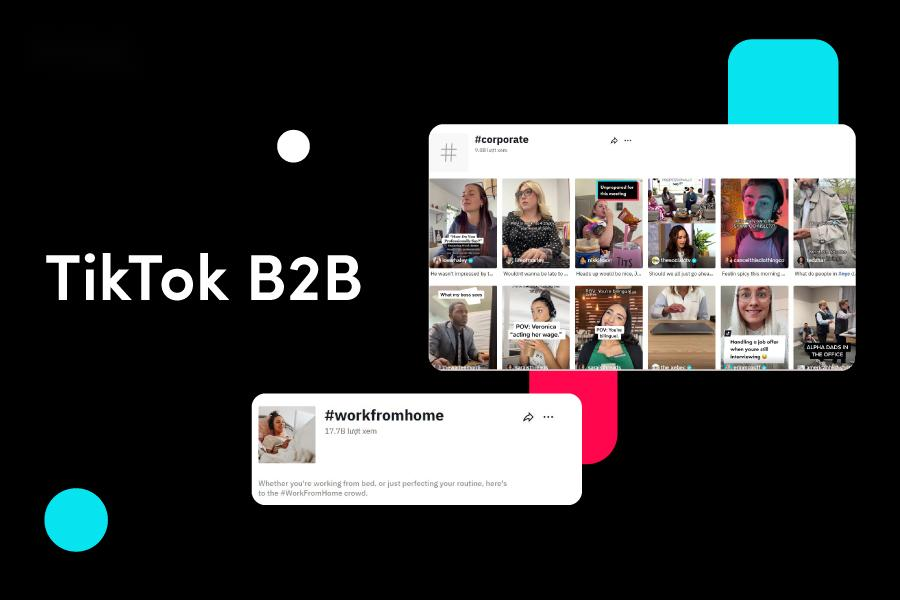
5. B2B-Marketing muss den Wert von Kreativität und emotionaler Resonanz verstehen
In der heutigen vielfältigen sozialen und informationsreichen Medienlandschaft reicht es nicht mehr aus, Produkte einfach nur zu beschreiben, um die Aufmerksamkeit der Kunden zu gewinnen. B2B-Marketing muss ebenfalls auf Kreativität und die Vermittlung emotionaler Werte achten.
Im Content-Marketing können nur Inhalte mit Kreativität und emotionaler Resonanz die Aufmerksamkeit der Zielkunden leichter erregen und so die Markenbekanntheit und das Ansehen steigern.
Dies ist ein wichtiges Thema, das jeder B2B-Vermarkter im Jahr 2024 kontinuierlich erforschen muss.

Natürlich empfiehlt Tuke für B2B-Unternehmen, die über TikTok ins Ausland gehen möchten, am besten einen hervorragenden TikTok-Managed-Service-Anbieter zu suchen, da diese über umfangreiche Erfahrung im Auslandsgeschäft verfügen. Eine Zusammenarbeit mit ihnen kann viele Umwege ersparen und auf einer anderen Ebene einen weiteren kostengünstigen, renditestarken "kleinen, aber feinen" Marketing-Kreislauf ermöglichen.