
 3340
3340Das Jahr 2024 neigt sich bereits dem Ende zu, und die großen internationalen Internetplattformen haben nach und nach neue Schritte unternommen. In letzter Zeit gibt es Gerüchte, dassTikTok Shop im Juni nächsten Jahres in Japan starten wird, was zweifellos große Aufmerksamkeit erregt hat.
Obwohl dieses Gerücht noch offiziell bestätigt werden muss, ist es angesichts der Expansionsschritte von TikTok Shop in den letzten Jahrennur eine Frage der Zeit, bis der TikTok-Shop in Japan startet.
Als eines der Länder, die TikTok in der frühen Entwicklungsphase geöffnet hat,hat TikTok in Japan bereits etwa 40 Millionen Nutzer, die sich größtenteils auf die hochaktive junge Bevölkerungsgruppe konzentrieren. Dies verleiht ihm das Potenzial, eine neue Kraft im japanischen E-Commerce-Markt zu werden.
In den letzten Jahren ist TikTok Shop jedoch noch nicht in Japan gestartet, sondern hat sich hauptsächlich auf die Märkte in den USA und Südostasien konzentriert. Der Grund dafür liegt in der einzigartigen Kultur und den Konsumgewohnheiten des japanischen Marktes.
Die Einzigartigkeit des japanischen Marktes
Japanische Verbraucher legen großen Wert auf Produktqualität und Markenimage und haben eine hohe Zahlungsbereitschaft. Im Vergleich zum südostasiatischen Markt erfordert die E-Commerce-Strategie einer Marke in Japan mehr Feingefühl und Professionalität.
Im Gegensatz zu Märkten wie den USA und Südostasien sind japanische Verbraucher weniger von Live-Shopping beeinflusst und legen mehr Wert auf Authentizität und Unterhaltung des Inhalts als auf reinen Kaufanreiz.
Daher hat TikTok Shop beschlossen, zunächst in anderen Ländern zu testen.
Jetzthat TikTok Shop in Südostasien, den USA und Großbritannien einen geschlossenen Shopping-Kreislauf mit "Sehen und Kaufen" etabliert und schnell die Aufmerksamkeit vieler Verkäufer und Verbraucher auf sich gezogen.
Laut Statistiken hatTikTok Shop im ersten Halbjahr 2024 weltweit einen Gesamtumsatz von über 10,7 Milliarden US-Dollar erzielt.
Im japanischen Markt könnte die erfolgreiche Einführung eines vollständig geschlossenen E-Commerce-Modells (derzeit in Japan halbgeschlossen) durch TikTok die Nutzerkonversionsrate erhöhen, die Absprungrate senken und Cross-Border-E-Commerce-Verkäufern mehr Vertriebskanäle bieten.

Potenzielle Strategien für Cross-Border-E-Commerce-Verkäufer
Für Cross-Border-E-Commerce-Verkäufer ist der Start von TikTok Shop in Japan nicht nur eine Gelegenheit, Vertriebskanäle zu erweitern, sondern könnte auch eine Bühne zur Steigerung der Markenbekanntheit sein.
Anfängliche Verkäufer können das "Light-Inventory"-Modell ausprobieren, um übermäßige Lagerkosten in Japan zu vermeiden und gleichzeitig mit Live-Shopping und Kurzvideoanzeigen die Reaktion der Nutzer zu testen.
Darüber hinaus legen japanische Verbraucher mehr Wert auf die Authentizität der Produkte und die kulturelle Anpassung des Inhalts, was bedeutet, dass Verkäufer Zeit investieren müssen, um Inhalte zu erstellen, die der lokalen Kultur nahekommen.
Im Vergleich zum südostasiatischen Markt bevorzugen japanische Verbraucher ein feineres Inhaltserlebnis. Daher sollte Live-Shopping nicht zu direkt sein, sondern durch kontextualisierte Inhalte mehr Spaß und Interaktivität bieten.
Zum Beispiel kann das Einfügen von Produktnutzungsszenarien und kleinen kulturellen Geschichten in Live-Übertragungen das Interesse des Publikums leichter wecken und die Konversion fördern.

In der Praxis, obwohl TikTok in Japan derzeit noch im "halbgeschlossenen Modus" ist, haben einige Marken und Händler bereits über TikTok Erfolge erzielt. Am Beispiel des Elektronikhändlers Newegg hat die Marke durch Live-Übertragungen und Nutzerinteraktionen stabile Verkäufe bei jungen Verbrauchern erzielt.
Die Verkaufsstrategie von Newegg stützt sich nicht nur auf Erstkunden-Gutscheine, sondern auch auf ein präzises Verständnis der Interessen des Publikums. Die Interaktion zwischen Moderatoren und Publikum wurde zum Schlüssel für den Erfolg von Newegg, und Fans besuchen regelmäßig die Übertragungen, um Produktempfehlungen ihrer Lieblingsmoderatoren zu sehen.
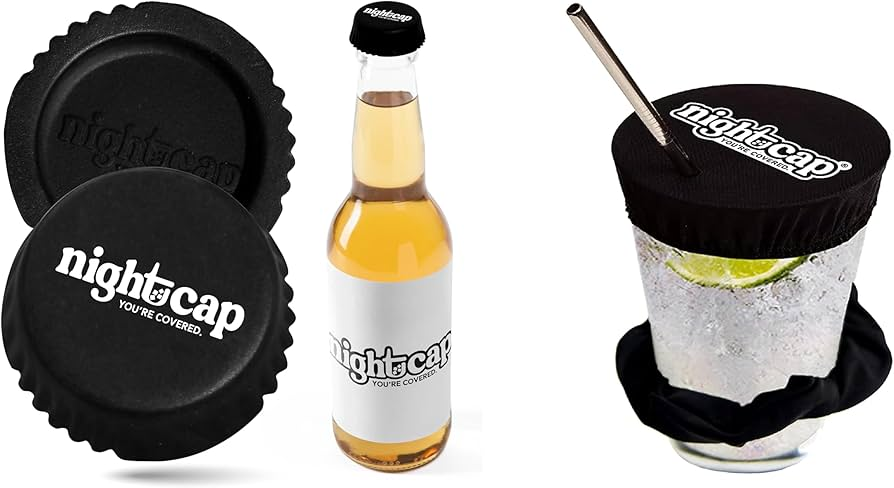
Im Gegensatz dazu stehen Marken wie NightCap, ein Hersteller von stichfesten Haarspangen, vor größeren Herausforderungen. Obwohl ihre Videos anfangs leicht auf TikTok viral gingen, sank die Sichtbarkeit mit zunehmendem Wettbewerb, was zeigt, dass die Wirkung von TikTok Shop für bestimmte Nischenmarken möglicherweise nicht stabil ist.
Empfehlungen für den japanischen Markt
Für Verkäufer, die sich auf den Start von TikTok in Japan vorbereiten, wird empfohlen, mit einer Niedriglagerstrategie zu beginnen, um das anfängliche Investitionsrisiko zu minimieren. Durch Live-Übertragungen und lokalisierte Inhalte können emotionale Verbindungen zu Verbrauchern aufgebaut und schrittweise Markenbekanntheit aufgebaut werden.
Gleichzeitig sollten realistische Erwartungen an den Markt beibehalten werden, und er sollte nicht als einziger Vertriebskanal betrachtet werden. So kann im Laufe der Markterkundung schrittweise eine geeignete Betriebsstrategie gefunden werden.
Insgesamt ist der zukünftige Start von TikTok in Japan eine beachtenswerte Gelegenheit, aber Verkäufer müssen auch in Bezug auf Inhalt und kulturelle Anpassung mehr Arbeit leisten, um wirklich ideale Ergebnisse zu erzielen.