 2462
2462In der heutigen Zeit des zunehmend intensiven Wettbewerbs im grenzüberschreitenden E-Commerce taucht ein Name immer wieder in den Trendthemen auf – Temu.
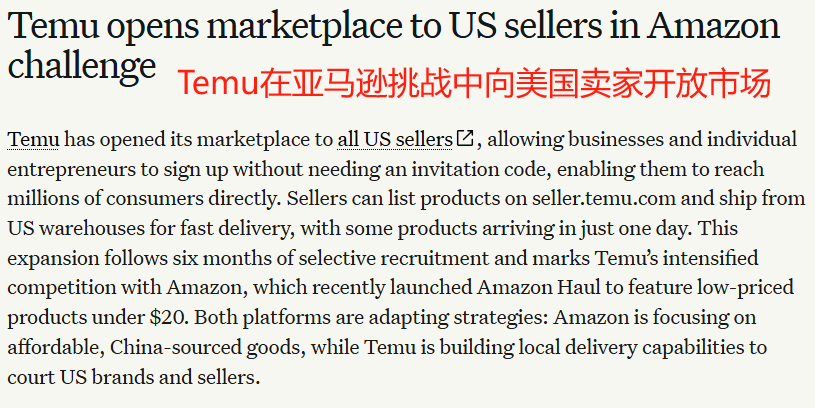
Als das „Paradestück“ der internationalen Expansion von Pinduoduo hat Temu seit seinem Start im Jahr 2019 mit niedrigen Preisen, Fast Fashion und effizienter Logistik für Aufsehen im E-Commerce-Sektor gesorgt. Kürzlich gab Temu eine bedeutende Änderung bekannt: Die vollständige Öffnung der Registrierung für lokale Verkäufer in den USA. Dieser Schritt bedeutet, dass alle lokalen US-Verkäufer nicht mehr auf Einladungscodes angewiesen sind, sondern direkt Temu beitreten und ihre eigenen Produkte verkaufen können. Für Verkäufer, die am US-amerikanischen E-Commerce-Markt teilhaben möchten, ist dies zweifellos eine seltene Gelegenheit.
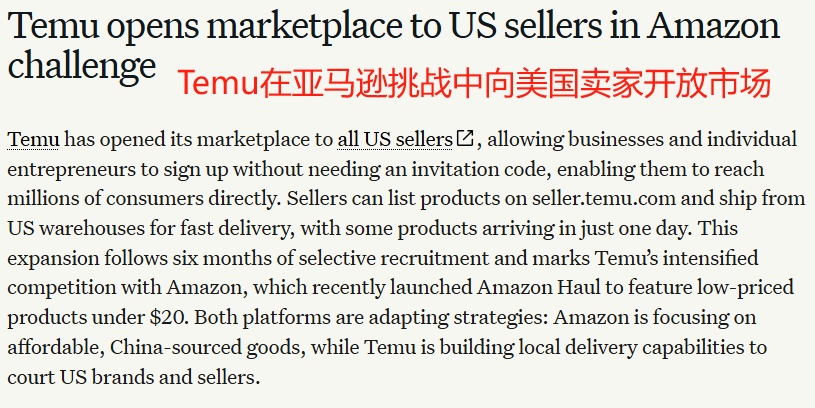
Öffnung für alle US-Verkäufer Quelle: Jing Daily
Zunächst zu den direktesten Änderungen: Der Registrierungsprozess für Verkäufer wurde einfacher. Früher benötigten Verkäufer einen Einladungscode, um auf Temu einen Shop zu eröffnen, und viele kleine und mittlere Verkäufer mussten lange auf eine erfolgreiche Registrierung warten. Jetzt hat Temu diese Einschränkung aufgehoben. Jeder lokale US-Verkäufer kann sich direkt auf der Plattform registrieren, und die Prüfung des Antrags dauert in der Regel nur einen Werktag. Für Verkäufer, die schnell einsteigen möchten, ist dies zweifellos eine großartige Nachricht.
Nach der Vereinfachung des Registrierungsprozesses können Verkäufer die erste Registrierung in etwa 10 Minuten abschließen und dann sofort mit dem Hochladen von Produkten, dem Einrichten des Shops und der Vorbereitung des Verkaufs beginnen. Dieser effiziente Registrierungsprozess senkt nicht nur die Einstiegshürde für die Plattform, sondern zeigt auch mehr Verkäufern die Machbarkeit, einen Shop auf Temu zu eröffnen. Es ist absehbar, dass Temu mit der steigenden Anzahl von Verkäufern eine größere Produktvielfalt und mehr Auswahlmöglichkeiten bieten wird, was den Verbrauchern mehr Einkaufsfreude bringt.
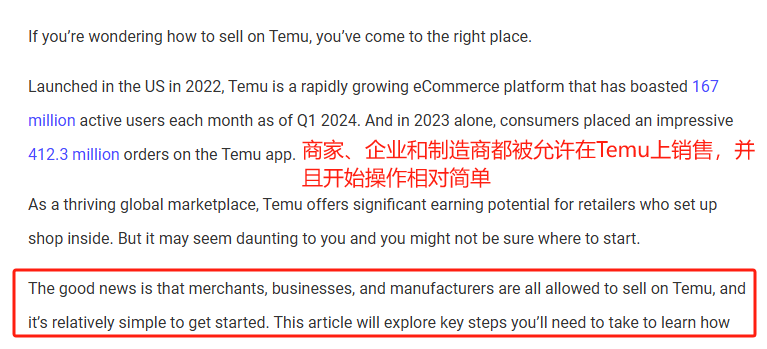
Vereinfachter Registrierungsprozess bei Temu Quelle: LitCommerce
Neben der Vereinfachung des Prozesses bietet Temu den Verkäufern auch eine Reihe von Vergünstigungen in den Bereichen Logistik und Lieferung. Durch die Zusammenarbeit mit lokalen Lagern in den USA können Verkäufer ihre Produkte direkt in Temu-Lagern einlagern. Sobald ein Produkt verkauft wird, kann es aus dem lokalen Lager versendet werden. Das bedeutet, dass Verkäufer von schnelleren Lieferdiensten profitieren können, wobei die Ware innerhalb eines Tages beim Kunden sein kann.
Für Verkäufer reduziert dies nicht nur die Transportkosten und -zeiten, die mit dem Versand aus China oder anderen Ländern verbunden sind, sondern vermeidet auch mögliche Verzögerungen und Risiken durch grenzüberschreitende Transporte. Die Verbraucher wiederum können ein schnelleres Einkaufserlebnis genießen und erhalten ihre Ware schneller. Dies ist zweifellos ein großer Vorteil von Temu und ein entscheidender Faktor, um Verkäufer auf die Plattform zu locken.
Obwohl Temu bei der Öffnung der Registrierung und der Bereitstellung von Logistikvorteilen viel unternimmt, bleiben die Anforderungen an die Qualifikation der Verkäufer streng. Um ein qualifizierter Verkäufer auf der Temu-Plattform zu werden, müssen nicht nur ein in den USA registriertes Unternehmen, eine EIN-Steuernummer, eine US-Handykarte, eine Geschäftsadresse und andere relevante Nachweise vorgelegt werden, sondern auch die strenge Prüfung der Produktqualifikationen durch die Plattform bestanden werden. Nicht konforme Produkte werden direkt entfernt, und der Versand kann sogar eingeschränkt werden.
Diese Vorgehensweise erhöht zwar die Einstiegshürde für Verkäufer, gewährleistet aber auch effektiv die Produktqualität auf der Plattform und verhindert, dass minderwertige Produkte das Einkaufserlebnis der Verbraucher beeinträchtigen. Für Verkäufer können Produkte, die den Anforderungen der Temu-Plattform entsprechen, zu mehr Sichtbarkeit und Verkaufschancen führen, während Verbraucher beruhigt qualitativ hochwertige Produkte kaufen können. Für die Plattform selbst ist die Sicherstellung der Produktqualität auch die Grundlage für die Wahrung des Plattformimages und den Aufbau eines Markenrufs.
Temu hat offensichtlich das enorme Potenzial des US-amerikanischen E-Commerce-Marktes erkannt. Laut Prognosen von Statista wird der US-amerikanische E-Commerce-Markt bis 2024 einen Umsatz von 1,22 Billionen US-Dollar erreichen und bis 2029 möglicherweise 1,88 Billionen US-Dollar überschreiten, mit einer durchschnittlichen jährlichen Wachstumsrate von 8,99 %. Dieser Markt ist groß genug, um mehr Wettbewerber aufzunehmen.
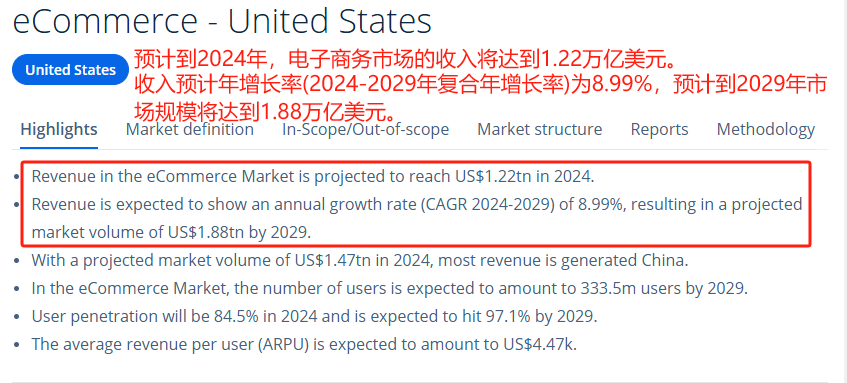
Prognosedaten zur Marktgröße Quelle: Statista
Dennoch steht Temu vor vielen Herausforderungen, um sich in diesem riesigen Markt zu behaupten. Der Wettbewerb im lokalen US-amerikanischen E-Commerce-Markt ist extrem intensiv. Etablierte E-Commerce-Plattformen wie Amazon, Walmart und eBay haben bereits große Marktanteile erobert. Der kürzlich von Amazon eingeführte günstige Marktplatz Amazon Haul stellt eine direkte Bedrohung für Temu dar. Diese Plattform konzentriert sich auf preiswerte Produkte und konkurriert direkt mit Temus Niedrigpreisstrategie.

Amazon führt günstigen Marktplatz ein Quelle: aboutamazon
In diesem Wettbewerbsumfeld könnte Temu, wenn es nicht weiter innoviert und seine Produkte und Dienstleistungen optimiert, im Wettstreit mit diesen etablierten Konkurrenten allmählich an Vorteilen verlieren. Daher muss Temu das Benutzererlebnis auf der Plattform weiter verbessern, das Logistiksystem optimieren, die Marketingstrategien verfeinern und durch kontinuierliche Innovation seine Wettbewerbsfähigkeit im Niedrigpreis-E-Commerce-Markt erhalten.
Neben dem US-Markt ist auch die globale Expansion von Temu beachtenswert. Insbesondere in den Regionen Lateinamerika und Südostasien, die ein enormes Wachstumspotenzial haben, hat Temu bereits mit der Erschließung begonnen. Kürzlich hat Temu in südostasiatischen Ländern wie Vietnam und Brunei Geschäfte aufgenommen und nutzt Online- und Offline-Werbeaktionen, um die Markenbekanntheit und den Marktanteil zu steigern.
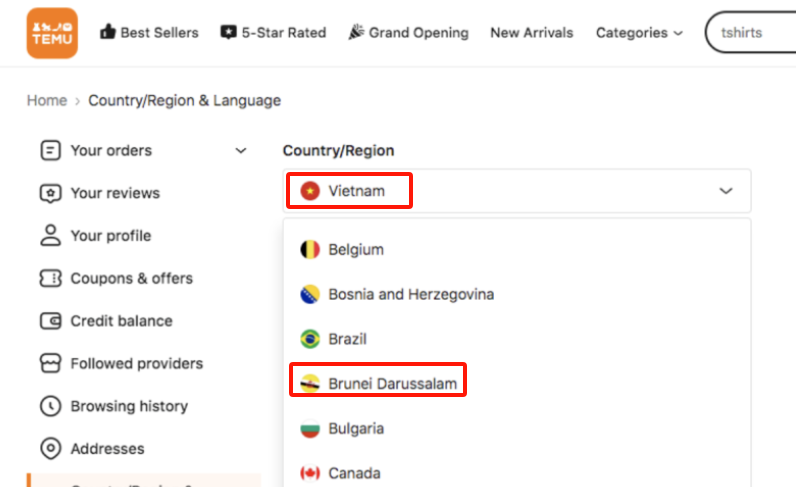
Backend zeigt Standorte in Vietnam und Brunei Quelle: Möten Chuangtou WeChat-Konto
Für grenzüberschreitende E-Commerce-Plattformen ist die Expansion in Überseemärkte unaufhaltsam, und Südostasien und Lateinamerika werden in den kommenden Jahren zweifellos wichtige Schlachtfelder sein. Die Verbrauchernachfrage in diesen Regionen wächst, und das lokale E-Commerce-Ökosystem ist noch nicht vollständig gesättigt. Durch die frühzeitige Positionierung kann Temu in diesen aufstrebenden Märkten einen Vorsprung gewinnen.
In Zukunft wird sich zeigen, wie Temu in diesem wettbewerbsintensiven Markt hervorstechen kann, was seine Fähigkeit zur kontinuierlichen Innovation und Marktanpassung auf die Probe stellen wird. Mit der zunehmenden Anzahl von Plattformen und Verkäufern hat Temu das Potenzial, auf dem US-Markt weiter zu wachsen und seine Position in der globalen E-Commerce-Landschaft zu festigen. Der Wind des grenzüberschreitenden E-Commerce hat noch nicht nachgelassen.