
 3099
3099In der weiten Welt der Mode-E-Commerce ist der Bekleidungsmarkt mit seiner enormen Größe und anhaltenden Wachstumsdynamik zu einem begehrten „Kuchen“ für zahlreiche Händler geworden.
Prognosen zufolge werden die weltweiten Umsätze im Bekleidungs-E-Commerce bis 2024 auf beeindruckende 642,1 Milliarden US-Dollar steigen und damit 64,8 % des gesamten Mode-E-Commerce-Umsatzes ausmachen, was die starke Dynamik des Online-Bekleidungsverkaufs unterstreicht. Besonders im Bereich Damenbekleidung nimmt der Online-Marktanteil stetig zu und wird zu einer wichtigen treibenden Kraft für das Wachstum des gesamten Bekleidungs-E-Commerce-Marktes.
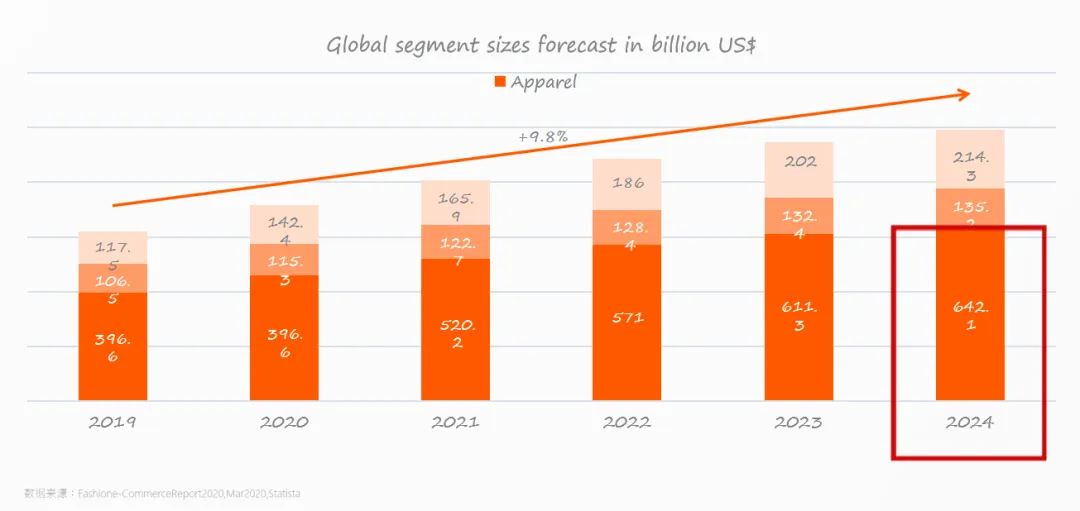
Bild aus dem Internet
Die Amazon-E-Commerce-Plattform, als führender globaler E-Commerce-Anbieter, zieht monatlich etwa 119 Millionen Bekleidungskonsumenten an. Ihr mobiles Flagship-Store bietet Marken zudem wertvolle Möglichkeiten, mehr Modebegeisterte zu erreichen, da monatlich fast 40 Millionen Nutzer Amazon besuchen und sich aktiv mit modebezogenen Inhalten beschäftigen.
Auf der Amazon-Plattform zeigen sich bei den Kaufpräferenzen für Modeartikel deutliche Merkmale: 66 % der Modebegeisterten besuchen Amazon mindestens einmal pro Woche; über 50 % der Modekonsumenten betrachten Amazon als bevorzugte Plattform, um trendige Artikel beliebter Marken zu finden; 48 % der Bekleidungskonsumenten besuchen Amazon vor dem Einkauf im stationären Handel für Online-Recherchen, was die starke Anziehungskraft der Plattform auf die Nutzer weiter unterstreicht.
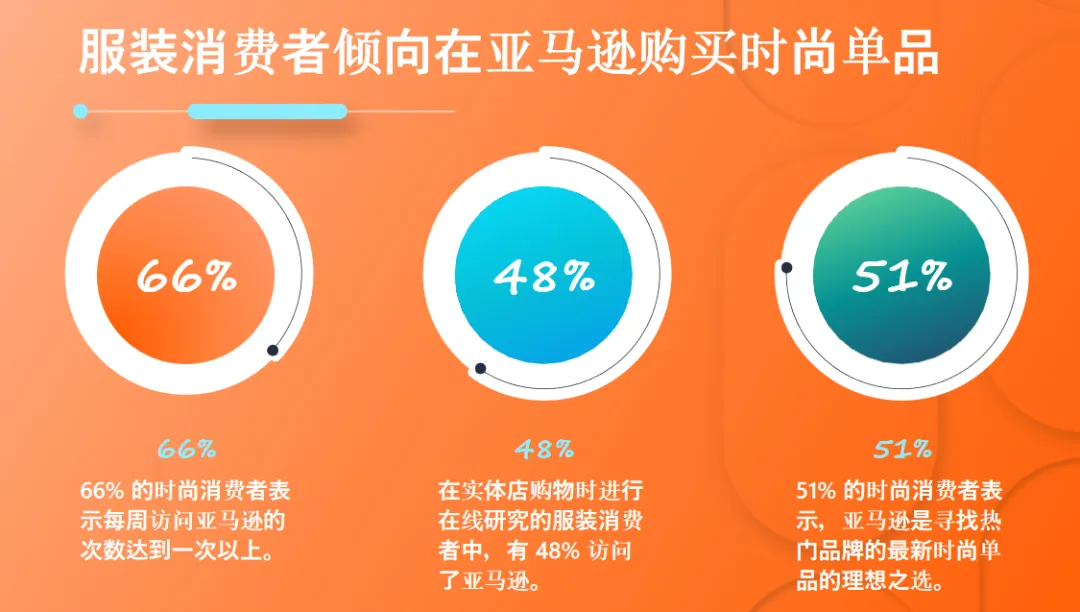
Bild aus dem Internet
Zu den beliebtesten Kategorien neuer Bekleidungskonsumenten gehören Sportbekleidung, Damenbekleidung, Accessoires, Socken und Unterwäsche sowie Kinder- und Babybekleidung. Der Verkaufserfolg dieser Kategorien spiegelt nicht nur das doppelte Streben der Verbraucher nach Mode und Komfort wider, sondern zeigt auch die zukünftigen Entwicklungstrends des Bekleidungsmarktes auf.
Bemerkenswert ist, dass Basic-Bekleidung den größten Marktanteil im Bekleidungssegment hält und weiterhin wächst. Ihr Absatz steht an der Spitze der Bekleidungskategorien, und auch die Verkaufswachstumsrate gehört zu den führenden, die 30-40 % höher liegt als die anderer Bekleidungsunterkategorien, was Händlern von Basic-Bekleidung enorme Chancen bietet.
Bevor Amazon-Bekleidungskonsumenten eine Kaufentscheidung treffen, führen sie in der Regel mehrere Keyword-Suchen durch und durchstöbern die Produktdetailseiten. Dieses Verhaltensmuster zeigt, dass Verbraucher beim Einkauf mehr Wert auf Informationsbeschaffung und -vergleich legen und sich tiefergehend mit den Produkten auseinandersetzen.
Gleichzeitig haben Bekleidungskonsumenten im Allgemeinen Vertrauen in Marken und sind bereit, neue Marken auszuprobieren. Diese Eigenschaft bietet aufstrebenden Marken breite Entwicklungsmöglichkeiten und veranlasst Markeninhaber, bei gleichbleibender Produktqualität und -eigenschaften kontinuierlich den Markenaufbau und die Markenwerbung zu stärken.

Bild aus dem Internet
Mit dem zunehmenden Umweltbewusstsein stellen Verbraucher auch höhere Anforderungen an die Umweltfreundlichkeit und Nachhaltigkeit von Bekleidung. Der McKinsey Fashion Industry Report 2020 weist darauf hin, dass Umweltfreundlichkeit und Nachhaltigkeit zu immer wichtigeren Schwerpunkten für Verbraucher geworden sind. Überseeische Verbraucher bevorzugen eher „ethische Mode“, also Marken, die Wert auf Umweltschutz legen und nachhaltige Materialien und Produktionsmethoden verwenden.
Für chinesische Verkäufer ist es beim Markenaufbau wichtig, diesen Trend aktiv aufzugreifen und grüne, umweltfreundliche und gemeinnützige Produktions-, Herstellungs- und Verkaufsmaßnahmen in die Markenphilosophie zu integrieren, um so mehr Verbraucher anzuziehen und für sich zu gewinnen.

Bild aus dem Internet
Zusammenfassend lässt sich sagen, dass die Bekleidungskategorie auf Amazon im Jahr 2025 einen Trend zu Diversifizierung, Personalisierung und Nachhaltigkeit zeigen wird. Händler sollten die Richtung im Auge behalten, die Bedürfnisse der Verbraucher und Marktveränderungen genau verstehen, die Produktstruktur kontinuierlich optimieren und die Markenbekanntheit steigern, um sich im harten Wettbewerb abzuheben.
Gleichzeitig wird die Betonung von Umweltfreundlichkeit und Nachhaltigkeit sowie die aktive Übernahme sozialer Verantwortung der Marke mehr Vertrauen und Unterstützung von Verbrauchern einbringen.