
 2327
2327Wenn es um E-Commerce geht, denken die meisten wahrscheinlich zuerst an große Märkte wie die USA und Europa. Tatsächlich ist der globale E-Commerce-Wettbewerb in diesen Regionen am intensivsten. Aber wussten Sie, dass mit den Veränderungen auf dem globalen Konsummarkt immer mehr aufstrebende Märkte leise an Bedeutung gewinnen, insbesondere in Indien, Südostasien, Lateinamerika und dem Nahen Osten? Sie entwickeln sich zum nächsten „Goldenen Schlachtfeld“ der E-Commerce-Branche und ziehen die Aufmerksamkeit vieler grenzüberschreitender E-Commerce-Verkäufer auf sich.
Besonders Indien lässt sich mit den aktuellen Marktdaten nicht ignorieren. Das schnelle Wachstum des indischen E-Commerce veranlasst viele Verkäufer, diesen Markt neu zu bewerten.

Quelle: Internet
Das „explosionsartige“ Wachstum des indischen E-Commerce
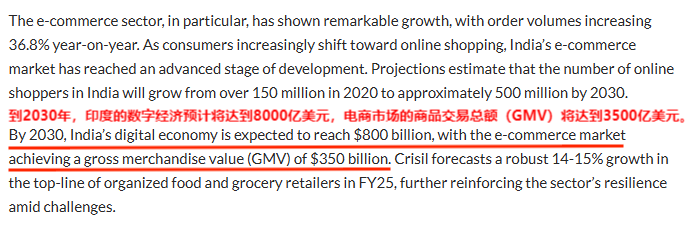
Mit der Verbreitung von Internet und Smartphones erlebt der indische E-Commerce-Markt ein beispielloses Wachstum. Laut den neuesten Daten von Kearney wird der indische E-Commerce-Markt bis Ende 2025 auf 7,77 Milliarden US-Dollar geschätzt, und bis 2030 soll das Marktvolumen 350 Milliarden US-Dollar erreichen. Und das ist erst der Anfang.
Stellen Sie sich vor, der indische E-Commerce-Markt hat im Vergleich zur Reife westlicher Märkte noch viel Wachstumspotenzial. Besonders in Städten der zweiten und dritten Reihe steigt mit der zunehmenden Internetabdeckung die Zahl der Verbraucher, die sich dem Online-Shopping anschließen. Bis 2030 wird die Anzahl der indischen E-Commerce-Käufer voraussichtlich von 150 Millionen im Jahr 2020 auf 500 Millionen steigen. Mit anderen Worten, der indische E-Commerce-Markt wird eine explosionsartige Phase erleben, mit enormem Potenzial.
Quelle: CEOWORLD magazine
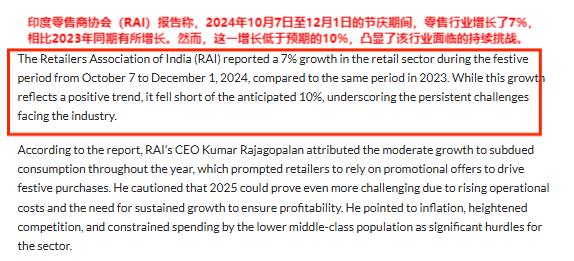
Allerdings müssen wir auch sehen, dass der indische Markt nicht völlig sorgenfrei ist. Obwohl das Wachstum des indischen E-Commerce stark ist, steht er dennoch vor einigen Herausforderungen. Inflation, zunehmender Wettbewerbsdruck und eingeschränkte Konsumausgaben der unteren und mittleren Einkommensschichten könnten sich negativ auf den Einzelhandel auswirken. Beispielsweise betrug das Wachstum des Einzelhandels während der indischen Feiertagsaktionen 2024 nur 7 %, weit unter den erwarteten 10 %. Diese Herausforderungen bieten E-Commerce-Verkäufern jedoch auch eine Chance, „gegen den Trend zu bestehen“. Wenn Sie Lösungen für diese Probleme finden, können Sie sich auf der „Rennstrecke“ des indischen E-Commerce einen Vorsprung verschaffen.
Quelle: CEOWORLD magazine
Blaue-Ozean-Chancen in aufstrebenden Märkten
Neben Indien haben auch die E-Commerce-Märkte in Südostasien, Lateinamerika und dem Nahen Osten großes Potenzial. Mit der zunehmenden Sättigung des globalen E-Commerce-Marktes richten viele grenzüberschreitende E-Commerce-Verkäufer ihren Blick auf diese aufstrebenden Märkte, um den nächsten Wachstumsschub zu finden.
Das Wachstumspotenzial des südostasiatischen Marktes ist groß, insbesondere in Ländern wie Indonesien, Thailand und Vietnam. Mit der Verbreitung des Internets und der allmählichen Veränderung des Verbraucherverhaltens wird die E-Commerce-Durchdringung in diesen Märkten weiter steigen. Für grenzüberschreitende E-Commerce-Verkäufer ist dies zweifellos eine Region, die besondere Aufmerksamkeit verdient.
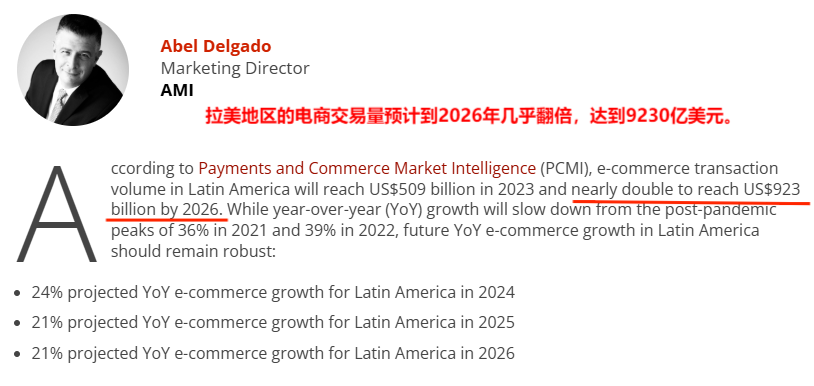
Wenn Sie denken, dass Südostasien bereits heiß ist, dann ist die Wachstumsrate des lateinamerikanischen Marktes geradezu als „weltweit führend“ zu bezeichnen. Prognosen zufolge wird der lateinamerikanische E-Commerce-Markt bis 2026 923 Milliarden US-Dollar erreichen, mit einer durchschnittlichen jährlichen Wachstumsrate von über 20 % in den nächsten drei Jahren. Diese Wachstumsrate ist weltweit äußerst selten.
Quelle: americasmi.com
Das Marktwachstum in Lateinamerika ist sehr rasant, insbesondere in großen Ländern wie Brasilien und Mexiko holen die E-Commerce-Märkte schnell zu den globalen Mainstream-Märkten auf. Für Verkäufer ist Lateinamerika zweifellos eine Region voller Chancen. Eine frühzeitige Positionierung wird Ihnen helfen, sich einen Marktvorteil zu sichern.
Zusammenfassung
Der E-Commerce-Markt befindet sich im Wandel. Aufstrebende Märkte wie Indien, Südostasien und Lateinamerika steigen schnell auf und werden zu den „neuen blauen Ozeanen“ des globalen E-Commerce. Obwohl diese Märkte noch mit Problemen wie unzureichender Infrastruktur und noch nicht vollständig ausgereiften Konsumgewohnheiten konfrontiert sind, ist ihr Wachstumspotenzial nicht zu übersehen. Wenn Sie diese Chancen noch nicht im Blick haben, ist jetzt vielleicht der beste Zeitpunkt, einzusteigen. Verpassen Sie nicht diese Märkte mit enormem Potenzial. Nutzen Sie die Chancen des grenzüberschreitenden E-Commerce, und die kommenden Jahre könnten der entscheidende Moment für Ihr Geschäftswachstum sein.