 1979
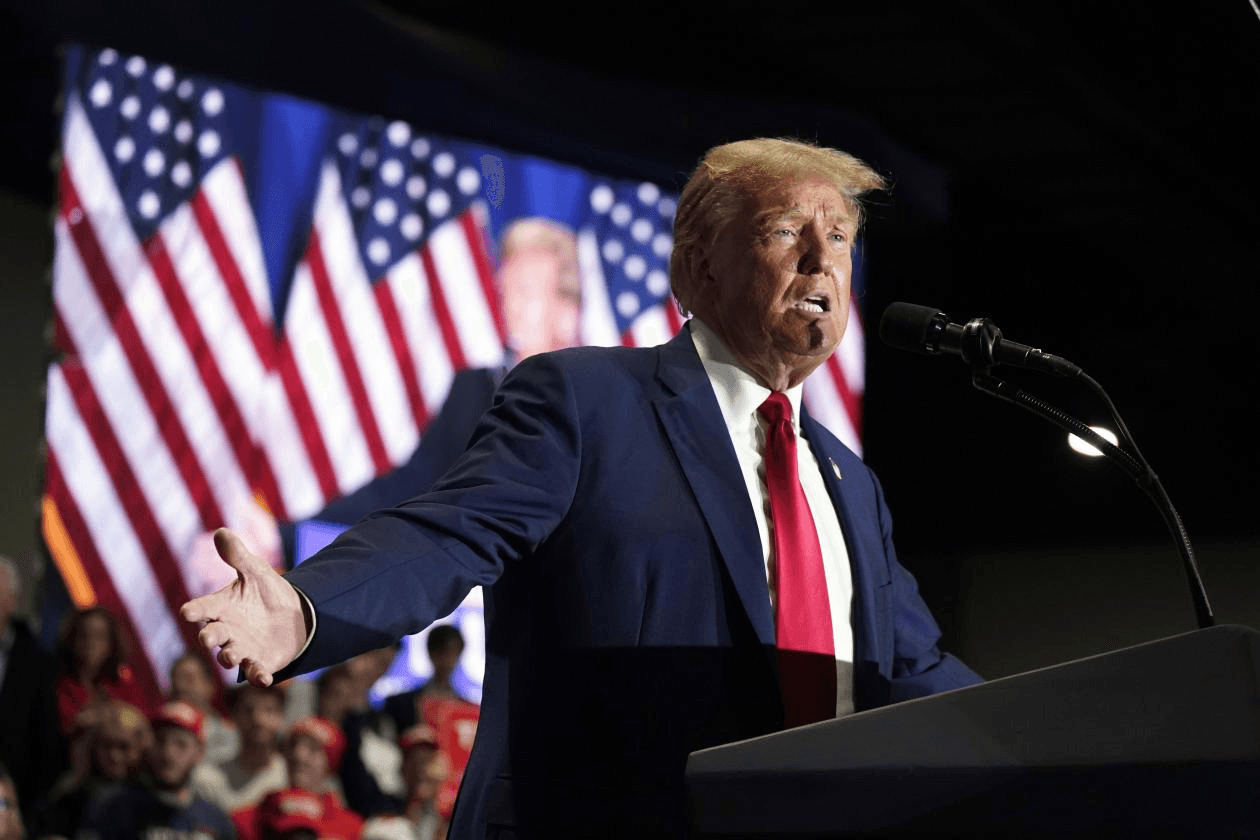
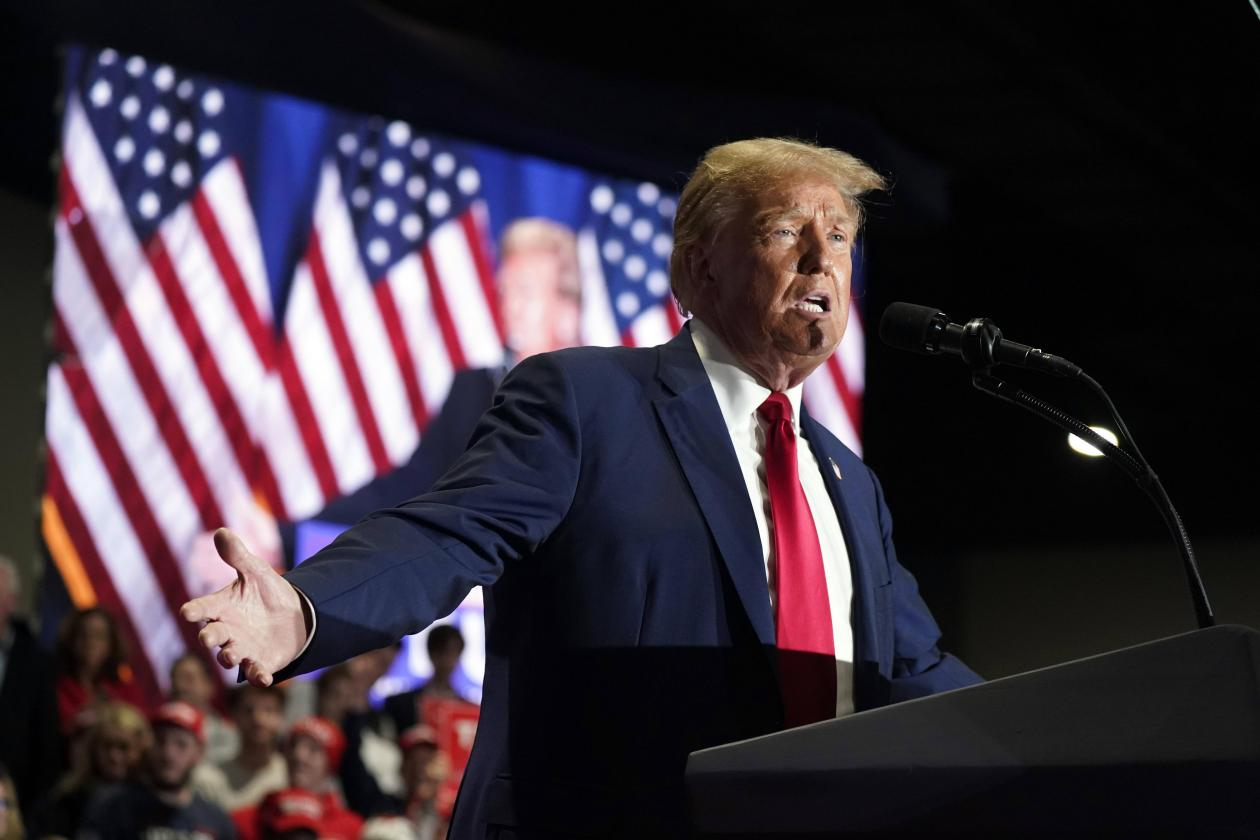
1979Am 1. Februar 2025 unterzeichnete Trump eine Executive Order, in der er einen zusätzlichen Zoll von 10 % auf aus China importierte Waren ankündigte, was international breite Kontroversen auslöste.
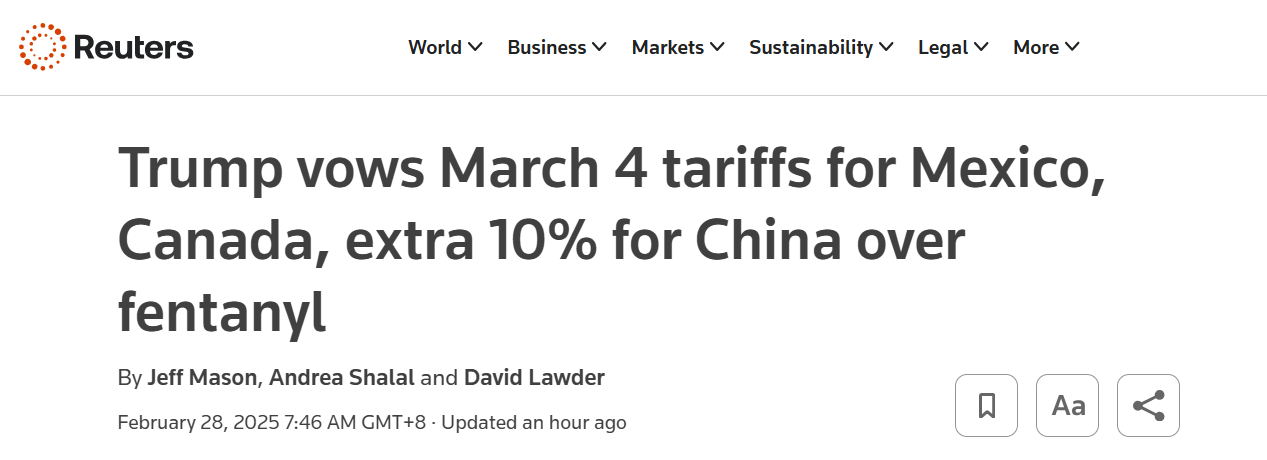
Doch weniger als einen Monat später, am 27. Februar, kündigte Trump erneut an, ab dem 4. März einen weiteren Zoll von 10 % auf chinesische Waren zu erheben, was den Gesamtzollsatz auf 20 % erhöht. Gleichzeitig werden die Zölle auf Mexiko und Kanada wieder auf 25 % angehoben.
Ein Beamter des Weißen Hauses bestätigte, dass dieser Schritt darauf abzielt, "den Fentanyl-Zufluss einzudämmen" und das Handelsdefizit umzukehren. Einige Analysten weisen jedoch darauf hin, dass die Zölle tatsächlich als Druckmittel dienen und später mit den "reziproken Zöllen" vom 2. April verknüpft werden könnten, um den Steuerbereich weiter auszudehnen.
Quelle: Reuters
Diese Zollerhöhung markiert die Fortsetzung und Verschärfung der Handelspolitik in Trumps zweiter Amtszeit.
Bereits im Januar 2025 hatte Trump Signale gesendet, dass er möglicherweise einen Zoll von 60 % auf chinesische Waren erheben könnte, entschied sich jedoch letztendlich für eine schrittweise Umsetzung.
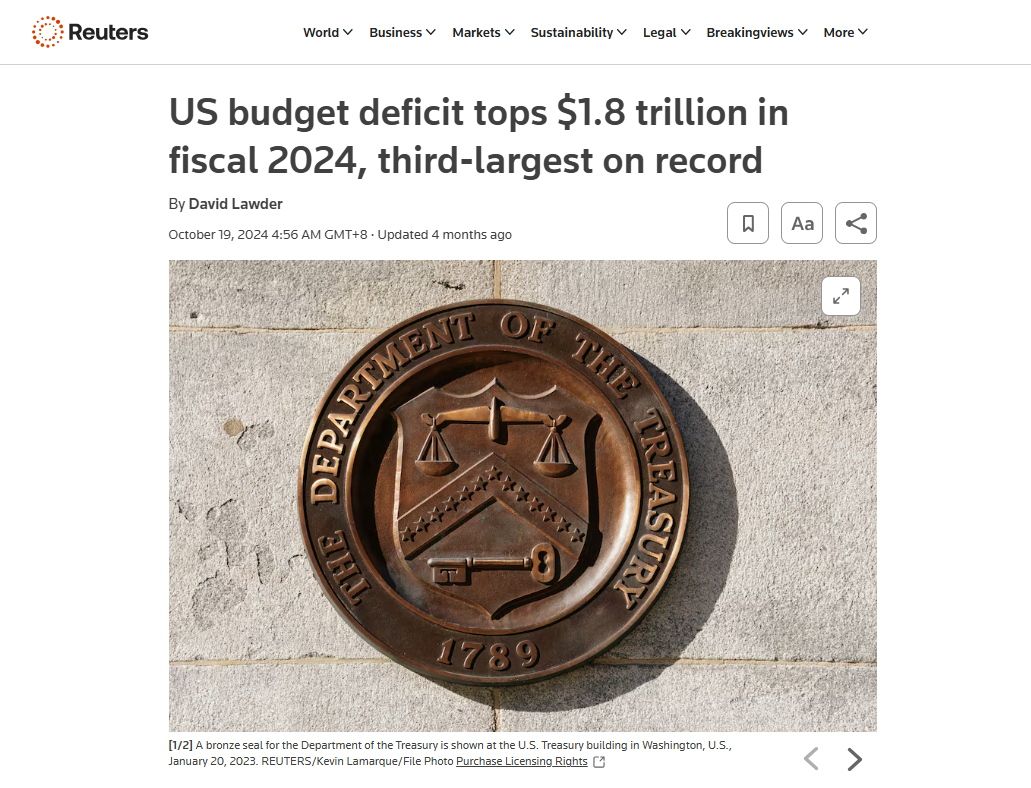
Obwohl die Wall Street zeitweise einen schweren Schlag durch hohe Zölle befürchtete, liegt der aktuelle Satz von 20 % immer noch unter den Markterwartungen. Dies zeigt, dass Trump zwischen Inflationsdruck und politischen Zielen abwägt. Das US-Haushaltsdefizit für 2024 beträgt 1,8 Billionen US-Dollar, und die Zolleinnahmen könnten den fiskalischen Druck teilweise lindern. Wenn sie jedoch die Preise in die Höhe treiben, könnte dies Unmut bei den Wählern hervorrufen.
Quelle: Reuters
Dreifacher Schlag für grenzüberschreitende Verkäufer: Kosten, Modell und Compliance-Risiken
1. Kostenexplosion und Gewinnkompression
Der zusätzliche Zoll von 20 % führt direkt zu steigenden Exportkosten. Wenn US-Importeure eine Kostenbeteiligung der chinesischen Seite verlangen, wird die Gewinnspanne der Unternehmen stark schrumpfen. Am Beispiel eines Produkts mit einem Verkaufspreis von 100 US-Dollar könnten die Zollkosten um 20 US-Dollar steigen. Kleine und mittlere Verkäufer könnten gezwungen sein, die Preise um 10-15 % zu erhöhen, aber der Preisvorteil würde dadurch geschwächt, und Aufträge könnten zu alternativen Produktionsstandorten wie Südostasien abwandern.
Quelle: Internet
2. Das "Bulk-Versand + Niedrigpreis"-Modell wird unwirksam
Verkäufer, die auf das "Bulk-Versand"-Modell mit geringen Gewinnspannen setzen, sind am stärksten betroffen. Branchenkenner weisen darauf hin, dass etwa die Hälfte der kleinen und mittleren Verkäufer in Shenzhen Zölle durch "graue Zollabfertigung" umgeht, aber unter der neuen Politik werden die Zollkontrollen strenger, und die Compliance-Kosten steigen drastisch. Bekannte Marken mit höherer Preissetzungsmacht können die Kosten noch verkraften, aber weiße-Label-Händler könnten vom Markt verdrängt werden.
3. Herausforderungen in der Lieferkette und Logistik
Einige Unternehmen planen, ihre Produktion nach Vietnam, Mexiko und anderen Orten zu verlagern, müssen jedoch die Ursprungsregeln erfüllen (z. B. Mexiko muss das USMCA-Abkommen einhalten) und sich mit unzureichenden lokalen Lieferketten sowie steigenden Arbeitskosten auseinandersetzen. Darüber hinaus könnte eine vorzeitige Bevorratung zu überfüllten Auslandslagern und einer sinkenden Lagerumschlagshäufigkeit führen, was den finanziellen Druck weiter erhöht.

Quelle: Internet
Obwohl China bereits Klage bei der WTO eingereicht hat und Gegenmaßnahmen plant, wird der Zolldruck kurzfristig nicht verschwinden.
Grenzüberschreitende Verkäufer müssen zwei große Trends erkennen: Erstens die Verstetigung der politischen Unsicherheit. Trump könnte die Zölle weiterhin als Druckmittel einsetzen, um Zugeständnisse von China in Bereichen wie der Fentanyl-Kontrolle und dem Marktzugang zu fordern. Diese Strategie zielt darauf ab, durch die Schaffung von Handelsspannungen China zu weiteren Zugeständnissen in Verhandlungen zu zwingen, um günstigere Handelsbedingungen für die USA zu erreichen.
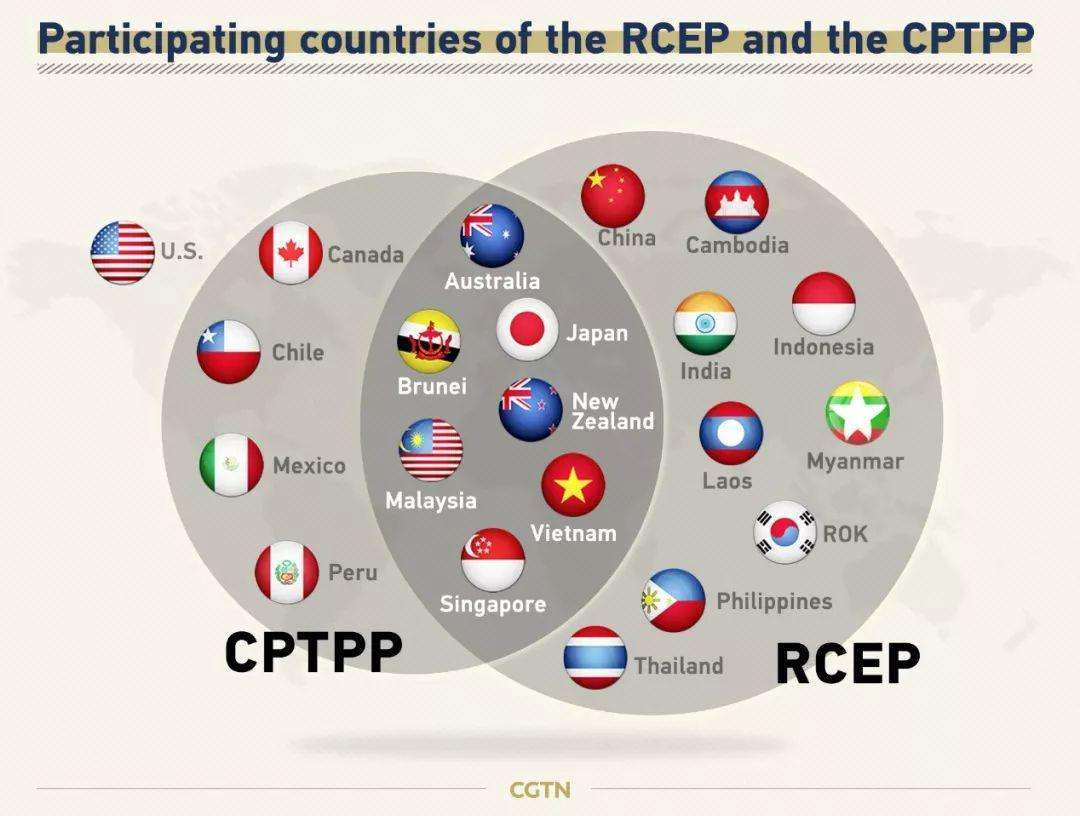
Zweitens die Beschleunigung der globalen Lieferketten-Neustrukturierung. Mit der Umsetzung des Regional Comprehensive Economic Partnership (RCEP) werden über 90 % des Warenhandels innerhalb der Region schließlich zollfrei sein. Dies macht die RCEP-Region (einschließlich Japan, Südkorea und ASEAN) aufgrund der Zollvorteile zu einem neuen Handelshotspot. Unternehmen mit Integrationsfähigkeiten in der Lieferkette können diesen Vorteil besser nutzen, indem sie die Ressourcenallokation optimieren, Betriebskosten senken und sich im Prozess der regionalen Wirtschaftsintegration hervortun.
Quelle: Internet
Die Zollverschärfung ist nicht nur eine ernsthafte Herausforderung für grenzüberschreitende Verkäufer, sondern auch eine wichtige Chance für eine Branchenbereinigung. Im neuen Handelsumfeld müssen sich Verkäufer von der reinen Niedrigpreisstrategie lösen und auf eine dreidimensionale Wettbewerbsfähigkeit setzen, die auf Markenaufbau, Lieferkettenoptimierung und Marktkenntnissen basiert. Nur durch eine schnelle Anpassung an diesen Wandel und eine aktive Strategieanpassung können grenzüberschreitende Verkäufer in den Zwischenräumen des Handelskriegs einen Ausweg finden und eine nachhaltige Entwicklung erreichen.
(Hinweis: Die Informationen in diesem Artikel basieren auf verschiedenen öffentlichen Nachrichtenberichten. Die politischen Details richten sich nach den offiziellen Veröffentlichungen.)