 2497
2497Die seit sechs Jahren geltende US-Zollbefreiungsregelung T86 für die schnelle Zollabfertigung könnte heute Geschichte werden.
Laut einem Bericht von Cailianshe vom 1. April wird die Trump-Regierung voraussichtlich heute eine Executive Order unterzeichnen, die das T86-Zollabfertigungsverfahren für geringwertige Waren offiziell abschafft. Sollte diese Politik in Kraft treten, bedeutet dies, dass E-Commerce-Pakete mit einem Warenwert von unter 800 US-Dollar pro Sendung nicht mehr von zollfreier und schneller Zollabfertigung profitieren.
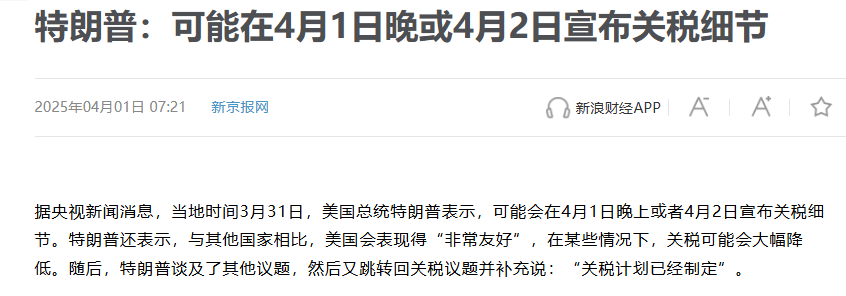
Quelle: Sina
Seit seiner Einführung im Jahr 2019 ist das T86-Zollabfertigungsverfahren zum Hauptkanal für kleine und mittlere Händler geworden, um in den US-Markt einzutreten. Sein Kernvorteil liegt in der Vereinfachung des Anmeldeverfahrens und der Befreiung von Zöllen, was die Transportkosten für Kleinserienwaren im grenzüberschreitenden Handel erheblich senkt. US-Zolldaten zeigen jedoch, dass die Anzahl der Pakete, die in den letzten zehn Jahren zollfrei eingeführt wurden, von 140 Millionen auf 1 Milliarde gestiegen ist, wobei es viele Verstöße wie Unterbewertung und Aufteilung von Paketen gab. Der regulatorische Druck stieg stark an, was letztendlich zu dieser politischen Anpassung führte.

Quelle: Tuchong Creative
Globale reziproke Zölle kommen gleichzeitig
Während die T86-Politik vor der Abschaffung steht, hat das Weiße Haus auch angekündigt, reziproke Zölle auf globale Handelspartner zu erheben.
Nach neuesten Informationen wird US-Präsident Donald Trump am 2. April um 16:00 Uhr Ortszeit (4:00 Uhr am nächsten Tag Pekinger Zeit) offiziell eine Executive Order unterzeichnen, wobei die neuen Zölle "sofort nach der Ankündigung" in Kraft treten.
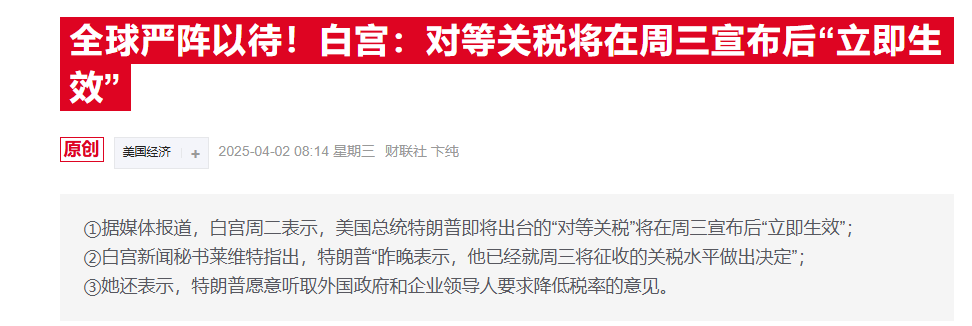
Quelle: Cailianshe
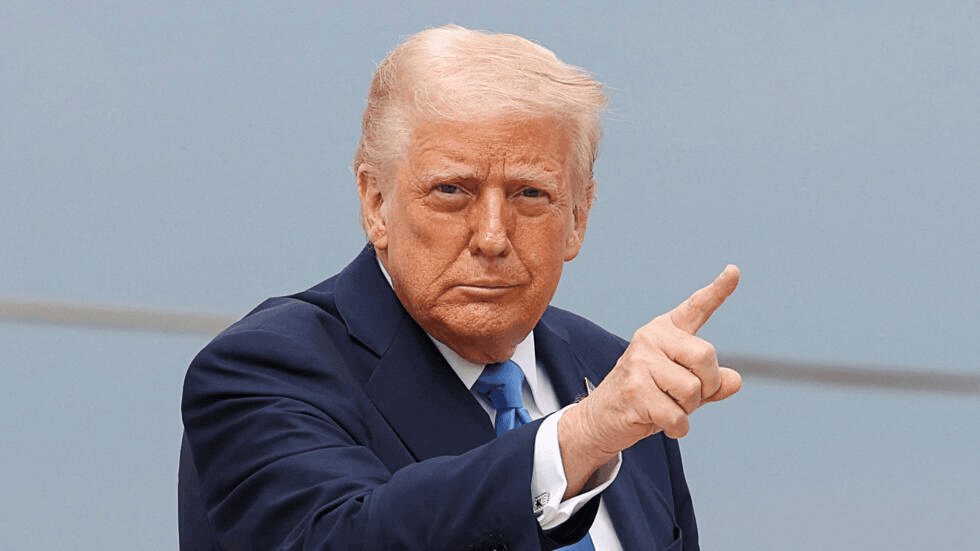
Die Pressesprecherin des Weißen Hauses, Karoline Leavitt, enthüllte, dass Trump eine endgültige Entscheidung über das Zollniveau getroffen habe und wies darauf hin, dass er den 2. April mehrfach als den "Befreiungstag" der USA bezeichnet habe.
Es wird auch berichtet, dass das US-Handelsbeauftragtenbüro (USTR) eine weitere Option vorbereitet, nämlich die Erhebung von Pauschalzöllen auf eine Gruppe von Ländern, wobei die Zollsätze möglicherweise nicht so hoch wie 20 % sein werden. Ein Assistent des Weißen Hauses sagte dazu, dass alle Berichte vor dem 2. April "nur Spekulationen" seien.
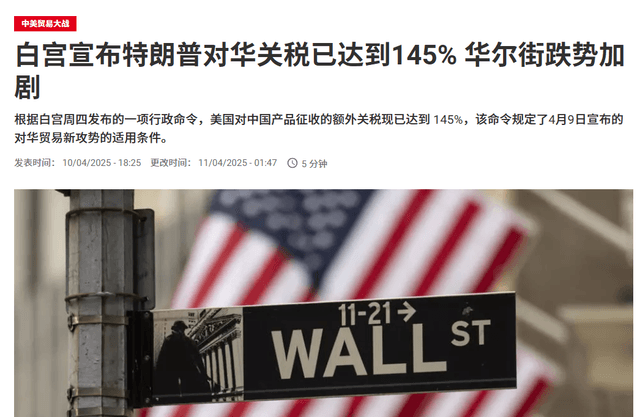
Bemerkenswert ist jedoch, dass Trump vor der Ankündigung weiterhin offen für eine Anpassung der Zollsätze ist und erklärte, "bereit zu sein, auf Anfragen ausländischer Regierungen und Unternehmen zur Senkung der Zollsätze zu hören". Der Markt reagierte heftig darauf, da Anleger befürchten, dass ein Anstieg der globalen Lieferkettenkosten die Inflation weiter anheizen könnte, was zu anhaltenden Schwankungen an den US-Aktienmärkten führte. Leavitt versuchte, den Markt zu beruhigen: "Wie in Trumps erster Amtszeit wird es der Wall Street gut gehen."
Quelle: RFI
Logistikunternehmen ergreifen Notfallmaßnahmen
Noch bevor die offiziellen US-Behörden eine Ankündigung gemacht haben, hat in der Branche bereits ein "Erdbeben" begonnen.
Die Shenzhen Siyunda International Logistics hat bereits eine Mitteilung herausgegeben, in der sie die Bearbeitung von US-Standardlinien-Sendungen aussetzt und die nach dem 29. März eingesammelten Pakete in Lagern zwischenlagert, um sie nach Klärung der heutigen Politik umzuleiten. Das Unternehmen stellte klar, dass bei einer Abschaffung von T86 ein teureres Zollabfertigungsverfahren angewendet wird und die Frachtkosten gemäß der neuen Preisliste abgerechnet werden.
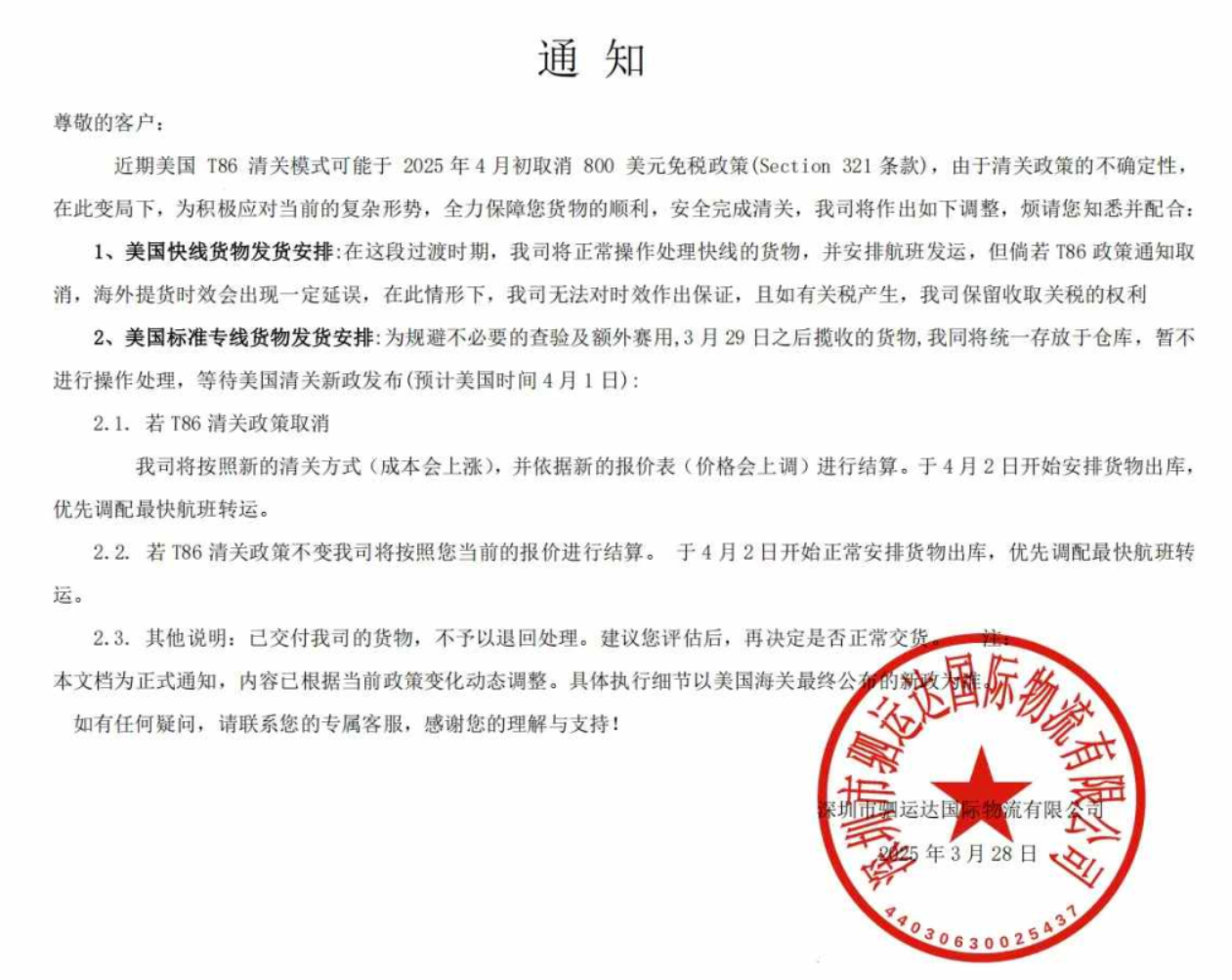
Quelle: Shenzhen Siyunda International Logistics
Ein Logistikunternehmen aus Ostchina hatte bereits letzte Woche Dienstag Maßnahmen ergriffen und angekündigt, ab dem 27. März die Annahme von Postsendungen auf allen US-Linien auszusetzen und nur den Betrieb auf der Kanada-Linie beizubehalten. In seiner Ankündigung wurde direkt auf die "erhebliche Unsicherheit der neuen US-Zollpolitik am 2. April" als Hauptgrund für die Aussetzung des Geschäftsbetriebs hingewiesen.
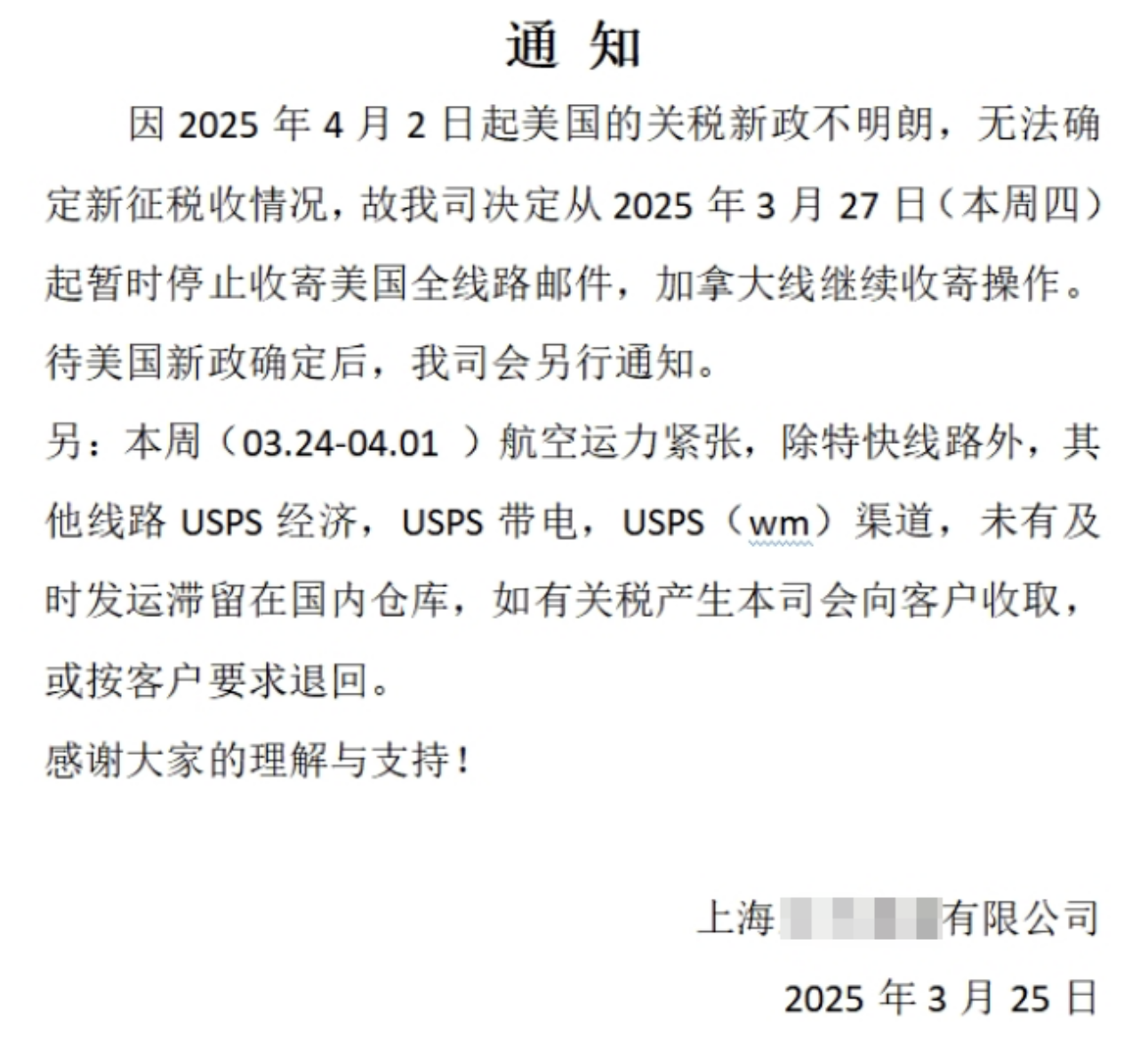
Quelle: Ein Logistikunternehmen in Shanghai
Verkäufer in einem Dilemma
Die Besorgnis unter grenzüberschreitenden Verkäufern breitet sich aus, und eine kürzliche Warn-E-Mail von Amazon zum Thema "Globale Handelspolitische Entwicklungen" hat die gesamte Branche zusätzlich unter Spannung gesetzt.
Ein Branchenvertreter sagte resigniert: "Wenn die 800-Dollar-Zollfreigrenze wirklich abgeschafft wird, bleiben unabhängigen Shops und kleinen und mittleren Verkäufern nur zwei Wege. Entweder die Zollkosten auf die Verbraucher abwälzen, was zu Preiserhöhungen führt, oder den US-Markt direkt aufgeben."
Noch besorgniserregender für die Verkäufer ist, dass die Abschaffung von T86 eine Reihe von Kettenreaktionen auslösen wird. Branchenprognosen zufolge werden die Zollabfertigungsgebühren für Spediteure nach der Abschaffung von T86 um 20 Yuan pro Sendung steigen, und die geringere Effizienz der Zollabfertigung könnte zu Paketstaus oder sogar zur Vernichtung führen.
Dies ist bereits die zweite politische Anpassung in den USA in diesem Jahr. Bereits am 4. Februar hatte die USA die Abschaffung von T86 angekündigt, aber aufgrund von über einer Million gestauten Paketen am New Yorker JFK-Flughafen wurde die Politik nach drei Tagen eilig gestoppt.
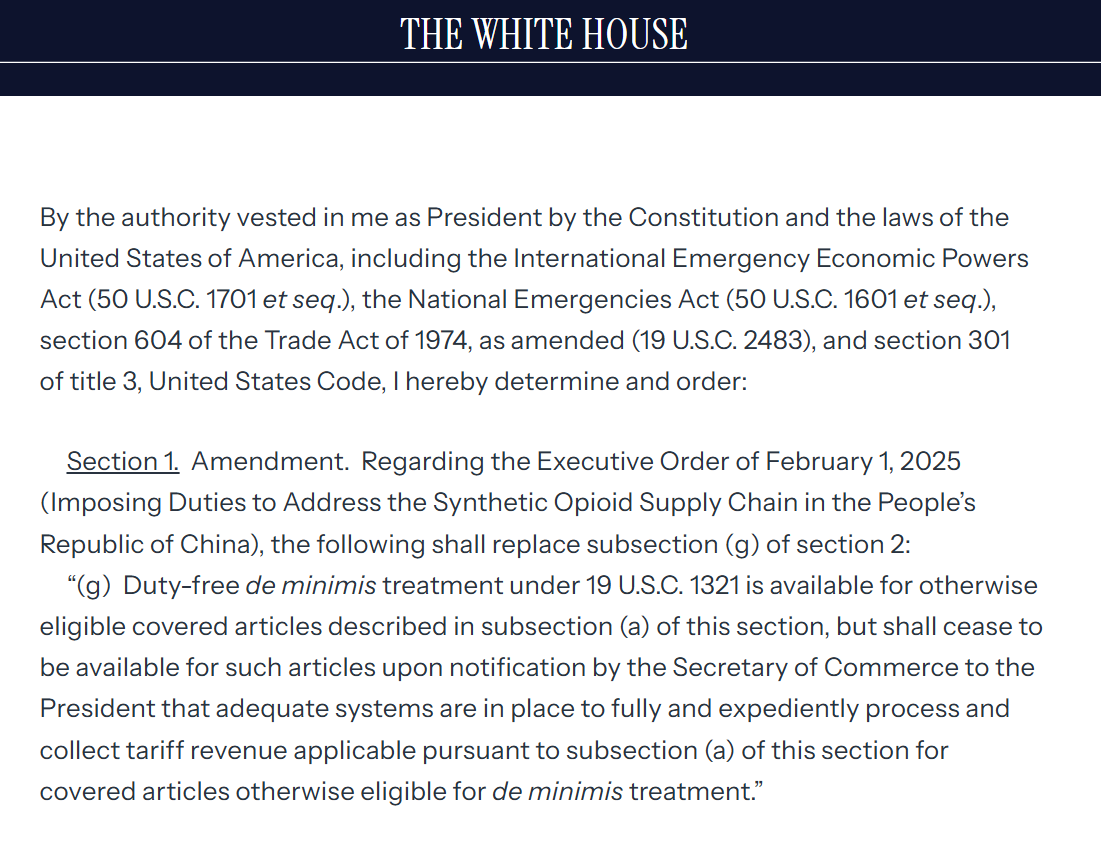
Das Weiße Haus gab eine Ankündigung zur Wiederherstellung der T86-Politik heraus
Branchenkenner wiesen darauf hin, dass diese politische Anpassung im Gegensatz zum überstürzten Stopp im Februar möglicherweise nachhaltiger sein wird. Nachdem die US-Zollbehörden aus den Fehlern des letzten Mal gelernt haben, haben sie detaillierte Pläne zur Bewältigung der Effizienz der Zollabfertigung erstellt, wodurch die technischen Hürden für die Umsetzung der neuen Politik erheblich reduziert wurden. Hinzu kommt, dass die EU plant, die Zollbefreiung für Waren unter 150 Euro abzuschaffen, und auch aufstrebende Märkte wie Mexiko und Vietnam gleichzeitig die regulatorischen Hürden erhöhen, was eine globale politische Wende unvermeidlich macht.
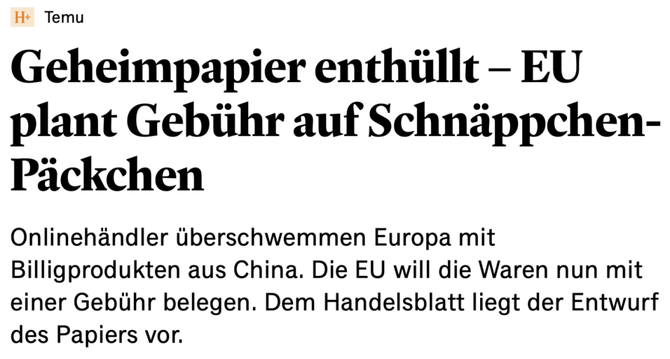
Die EU plant die Abschaffung der Zollbefreiung für Pakete mit einem Wert unter 150 Euro
Branchenwandel ist unvermeidlich
Hinter den politischen Erschütterungen spiegelt sich ein tiefgreifender Wandel des grenzüberschreitenden E-Commerce von "wildem Wachstum" hin zu "regelkonformem Betrieb" wider.
Branchenexperten wiesen darauf hin: "Die Abschaffung der Kleinbetragsbefreiung ist ein unvermeidlicher Trend. Verkäufer müssen auf neue Modelle wie die Lagerhaltung in Überseelagern umsteigen und gleichzeitig diversifizierte Märkte wie Südostasien und Lateinamerika erschließen."
Bis zum 2. April um 11:00 Uhr Pekinger Zeit haben die US-Behörden noch keine endgültige Ankündigung veröffentlicht. Aber die Telefonkonferenzen und die Anpassung von Notfallplänen der grenzüberschreitenden Branche laufen weiter. Der durch die Politik ausgelöste Branchenumbruch hat vielleicht gerade erst begonnen.