 2350
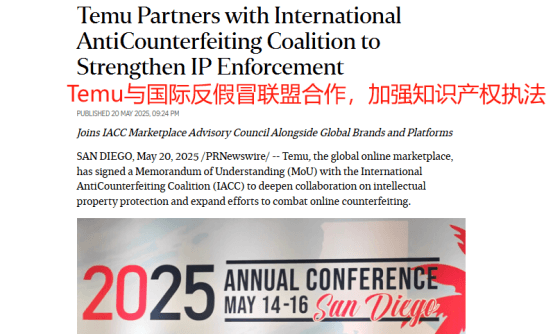
2350Kürzlich unterzeichnete die grenzüberschreitende E-Commerce-Plattform Temu, die zu Pinduoduo gehört, auf der Jahrestagung der International Anti-Counterfeiting Coalition (IACC) in San Diego, USA, offiziell eine Absichtserklärung (MoU), die sich auf die Stärkung des Schutzes geistigen Eigentums und die Bekämpfung von Fälschungen konzentriert.
Die für ihre Billigwaren bekannte Plattform hat diesmal Fälschungen ins Visier genommen. Sie wird Gründungsmitglied des neu gegründeten Market Advisory Committee der IACC und sitzt mit Giganten wie Amazon und PayPal an einem Tisch.
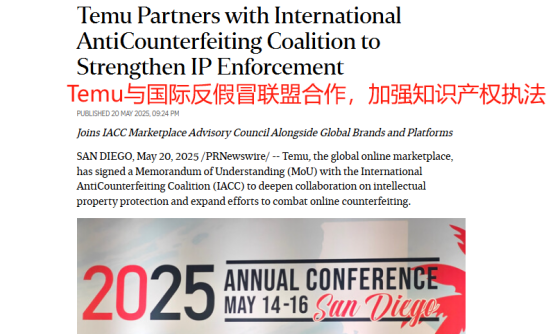
Temu und die IACC schließen eine Partnerschaft Quelle: The Straits Times
Was ist die IACC?
Die IACC wurde 1978 gegründet, ursprünglich von 15 international bekannten Herstellern. Nach 47 Jahren Entwicklung vereint sie heute namhafte Marken aus aller Welt. Die Organisation bekämpft Fälschungen hauptsächlich durch die Förderung von Gesetzesreformen, die Unterstützung staatlicher Regulierungsbehörden und Verbraucheraufklärung. Alibaba trat dem Bündnis bereits 2016 bei, und mit dem Schritt von Temu folgt ein weiterer chinesischer E-Commerce-Plattform internationalen Compliance-Maßnahmen.
International Anti-Counterfeiting Coalition Quelle: Google
Christine Casaceli, Leiterin der US-Abteilung für geistiges Eigentum und Compliance bei Temu, erklärte, dass die Zusammenarbeit die Entschlossenheit der Plattform widerspiegele, ein vertrauenswürdiges E-Commerce-Umfeld zu schaffen. Tatsächlich hat Temu in den letzten Jahren erhebliche Mittel in den Aufbau eines umfassenden Schutzsystems investiert, um Fälschungen einzudämmen. Zu den konkreten Maßnahmen gehören: strenge Prüfung der Verkäuferqualifikationen, 24-Stunden-Scanning von Produktinformationen durch Algorithmen (in Kombination mit manueller Überprüfung), Einrichtung von Markenmeldekanälen und Dienstleistungen zur Registrierung geistigen Eigentums. Diese Maßnahmen zielen auf die Kernbereiche des Fälschungsverkaufs ab und setzen von der Registrierung bis zum Verkauf Barrieren.
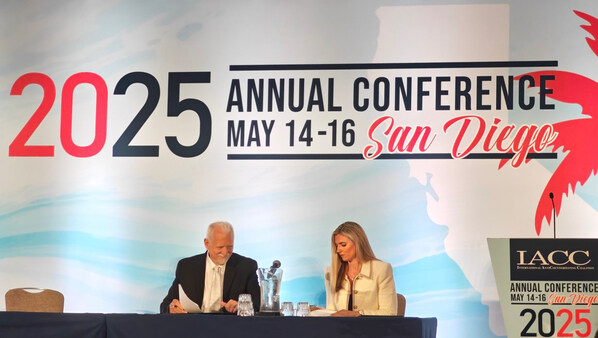
Temu-Vertreter unterzeichnet Absichtserklärung Quelle: The Straits Times
Grenzüberschreitende Plattformen im kollektiven Anti-Fälschungswettbewerb
Tatsächlich ist die Bekämpfung von Fälschungen für globale E-Commerce-Plattformen zur Pflicht geworden. Ein kürzlich von Amazon veröffentlichter Bericht zeigt, dass sie im Jahr 2024 weltweit 15 Millionen gefälschte Waren beschlagnahmt haben, eine Steigerung um das 1,5-fache im Vergleich zu vor zwei Jahren; der russische E-Commerce-Riese Ozon verhängt direkt Geldstrafen: 10.000 Rubel (ca. 904 RMB) pro verkaufter Fälschung, ohne Rückerstattung.
Neben der Selbstregulierung der Plattformen ergreifen auch die Aufsichtsbehörden der einzelnen Länder Maßnahmen. Thailand bearbeitete im ersten Halbjahr des Geschäftsjahres 2025 (Oktober 2024 - März 2025) 18.000 Fälle von Fälschungen und verhängte Geldstrafen in Höhe von über 27 Milliarden Baht (ca. 600 Millionen RMB). Die Philippinen haben sogar mit 18 Unternehmen eine Anti-Infringement-Vereinbarung unterzeichnet und die Fälschungsbekämpfung auf die Ebene der nationalen Zusammenarbeit gehoben.
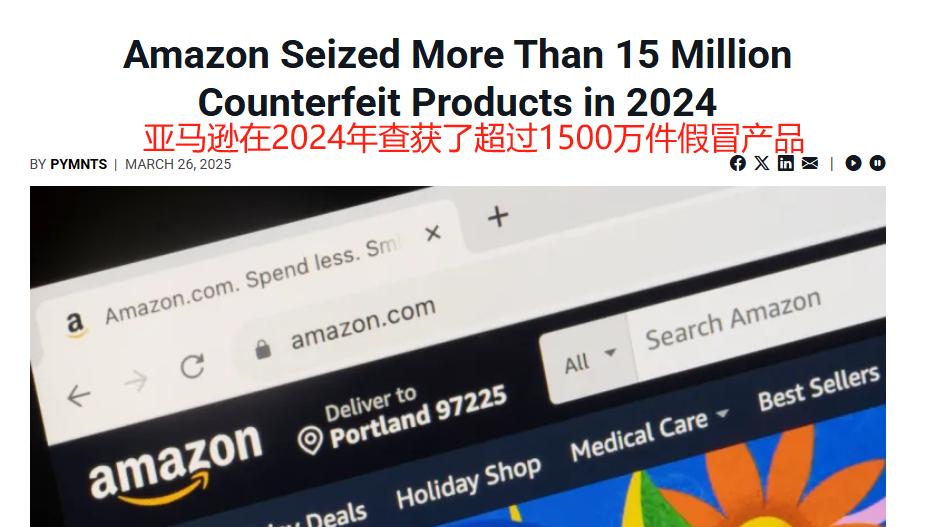
Amazon beschlagnahmte 2024 über 15 Millionen gefälschte Produkte Quelle: PYMNTS
Fälschungsbekämpfung ist ein langer Kampf
Trotz aller Bemühungen bleibt die Fälschungsbekämpfung eine große Herausforderung. Wie Huang Zheng, der Gründer von Pinduoduo, sagte: "Die Bekämpfung von Fälschungen ist ein langer Kampf, der niemals endet."
Heutzutage werden die Fälschungsmethoden immer ausgefeilter, wie z.B. die Trennung von Originalverpackungen und dem Transport von Nachahmungen oder die Fälschung von Prüfberichten, was die Identifizierung für die Plattformen erschwert. Branchenweit besteht Konsens darüber, dass Fälschungen nicht allein durch eine einzelne Kraft beseitigt werden können, sondern eine Zusammenarbeit von Marken, Plattformen und Regierungen erfordern.
Der Wettbewerb im grenzüberschreitenden E-Commerce tritt nun in die zweite Hälfte ein. Neben dem Preiskampf könnte die Fähigkeit, die Qualitätsstandards wirklich zu halten, der entscheidende Faktor für Sieg oder Niederlage sein. Mit diesem öffentlichkeitswirksamen Schritt der Zusammenarbeit mit einer internationalen Organisation sendet Temu zumindest ein Signal: Chinesische Plattformen meinen es diesmal ernst.


