 2103
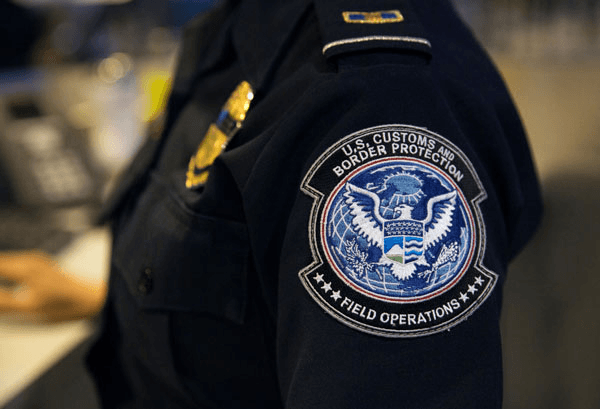
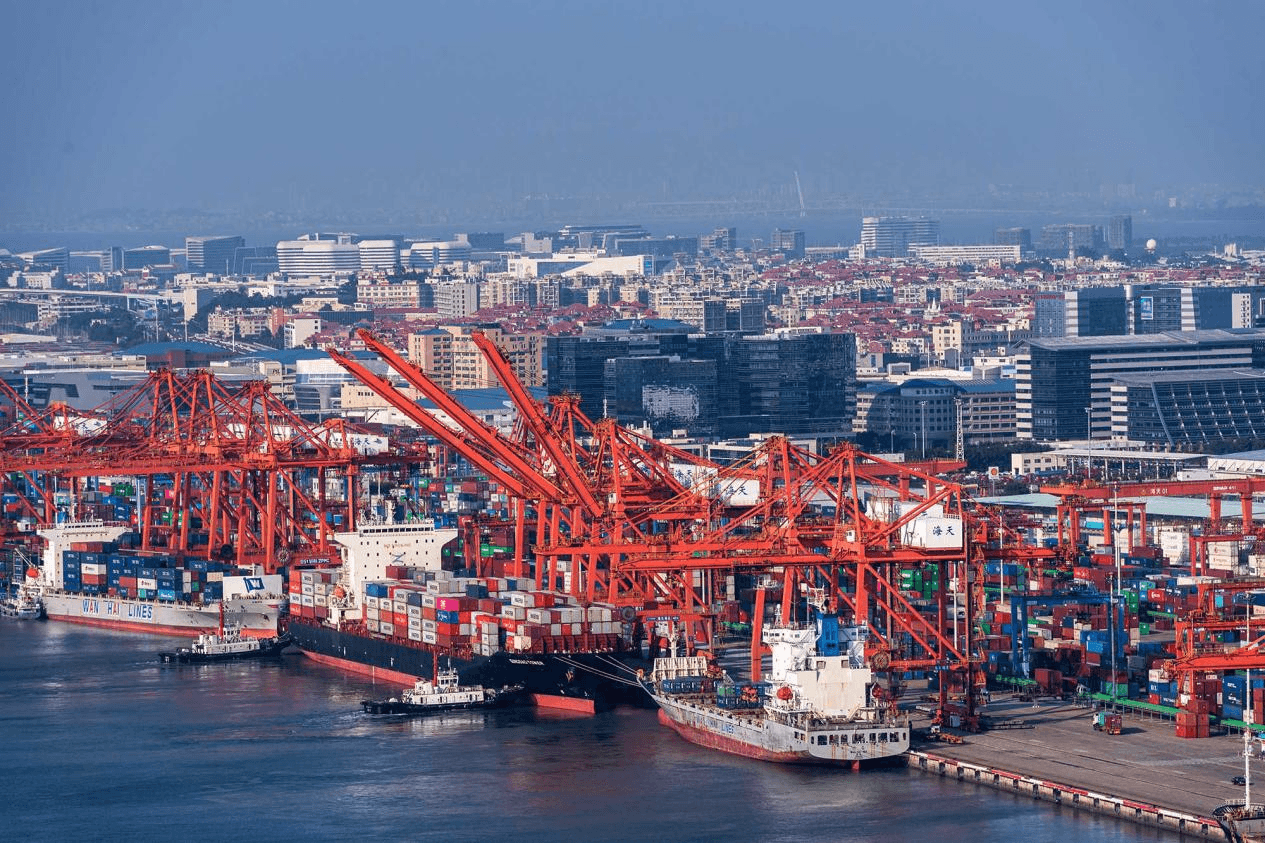
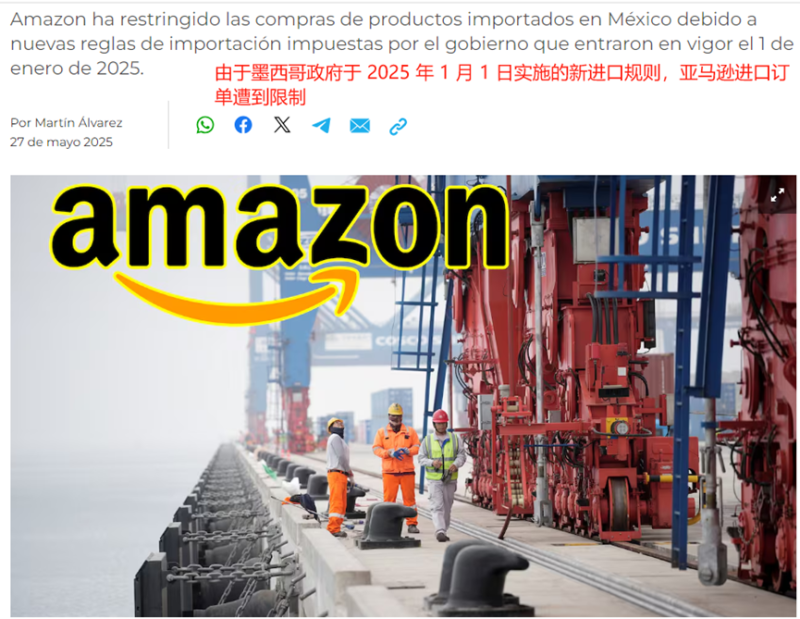
2103Die Tore des mexikanischen Zolls schließen sich langsam. Seit die mexikanische Regierung eine Reihe neuer Importvorschriften erlassen hat, bereitet ihr nahezu „strenger" Zollabfertigungsprozess grenzüberschreitenden Verkäufern erhebliche Probleme.
Das größte Kopfzerbrechen bereitet den Verkäufern die Abschaffung des vereinfachten Paketzollverfahrens, insbesondere die deutlich verschärfte Kontrolle von Waren wie Autos, Motorrädern, Fahrrädern und deren Zubehör.
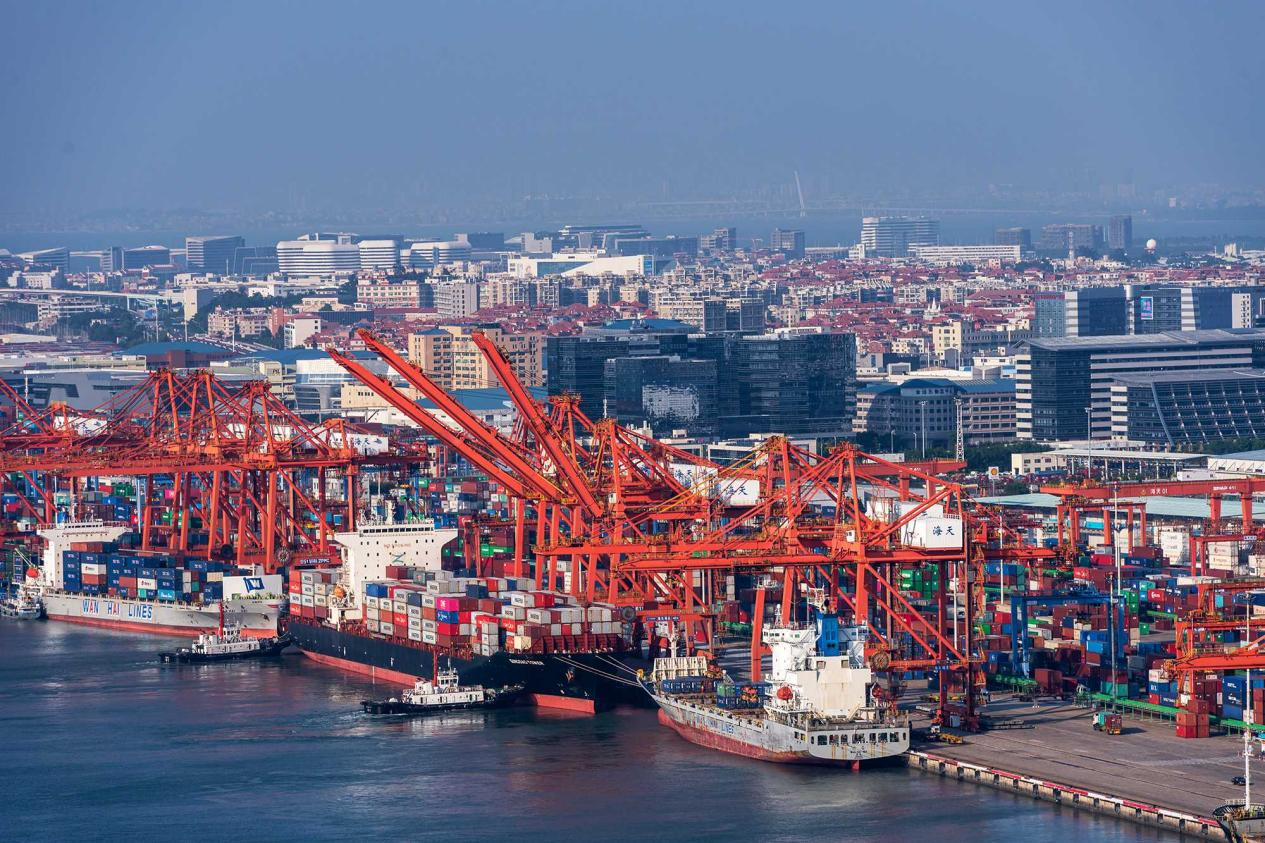
Diese Waren, die zuvor von der Schnellabfertigung profitierten, fallen nun unter das spezielle Zollregime des „Anhangs 21 der Zollvorschriften" und können nur noch an bestimmten Zollstellen abgefertigt werden.

Quelle: Internet
01 Zölle und Kontrollen im Doppelpack: Verkäufer erleben „höllische" Zollabfertigung
Die mexikanische Zollabfertigung gilt bereits als „teuflisch", doch die politischen Verschärfungen im Jahr 2025 treiben die Schwierigkeiten auf die Spitze. Zwar konnten Verkäufer zuvor noch über das T1-E-Commerce-Zollverfahren schnell abfertigen, doch die neuen speziellen Zollbestimmungen lassen die Verweildauer von Paketen aus dem Ausland in die Höhe schnellen.
„Während des Streiks im Hafen von Manzanillo steckten täglich über 5.000 Lastwagen an den Kontrollpunkten fest", berichtet ein Logistikunternehmen. „Und wenn das ‚Ampelsystem' des Zolls auf Rot schaltet, dauert die Kontrolle mindestens drei Tage. Kommt eine zweite Kontrolle durch die Tactical Force hinzu, sind es mindestens fünf weitere Werktage."

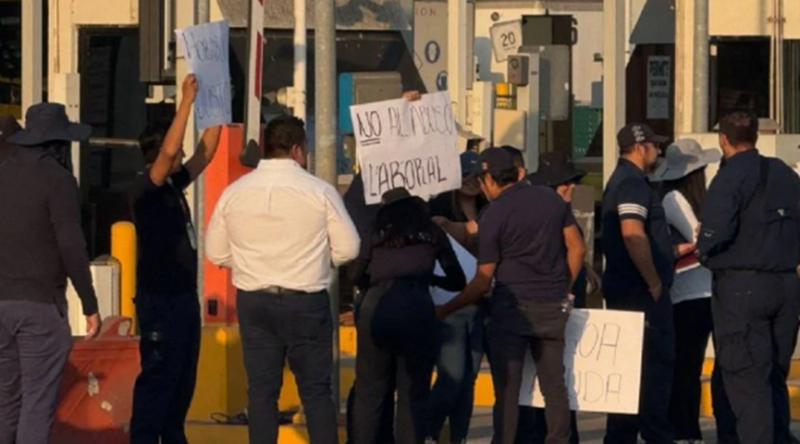
Streikszene im Hafen von Manzanillo Quelle: LatinUS
02 Plattformen gezwungen, Bestellungen zu stornieren: Verkäufer im Compliance-Dilemma
Die durch die neue Politik ausgelösten Kettenreaktionen zerstören die Lieferketten grenzüberschreitender Bestellungen.
Der mexikanische Zollexperte El Rayo Aduanero enthüllte auf TikTok: Aufgrund fehlender autorisierter Zollstellen außerhalb der Hauptstadtregion hat Amazon bereits massenhaft Bestellungen aus dem Umland storniert.
Ein Verkäufer veröffentlichte in einem Logistikforum eine Warnmeldung: „986 Container eines Zollabfertigungsunternehmens wurden beschlagnahmt. Bei einer Freigabeverzögerung von über 15 Tagen wird empfohlen, die Zollabfertigungsmethode sofort zu ändern."
Auch die Plattformen erhöhen den Compliance-Druck:
△ TEMU verlangt von Verkäufern zwingend die Angabe der RFC-Steuernummer, andernfalls wird der Versand eingestellt
△ Mercado Libre schreibt die Einbehaltung der Mehrwertsteuer bei Überweisungen auf internationale Konten vor
△ Amazon behält bei Zahlungseingängen auf nicht-mexikanische Bankkonten 16 % Mehrwertsteuer ein
Diese Kettenreaktion erreicht schließlich auch die Verbraucher. In mexikanischen sozialen Netzwerken häufen sich Beschwerden: Einwohner des nördlichen Bundesstaates Nuevo León berichten von einseitigen Rückerstattungen für bestellte Fahrradteile durch die Plattform; Käufer auf der Halbinsel Yucatán erhielten bestellte Marken-Sneaker aufgrund „fehlender autorisierter Zollabfertigungspunkte" zurück.

Quelle: EL IMPARCIAL
03 Politische Erschütterungen wirken sich auf die globale Logistikkette aus
Mexikos Probleme sind kein Einzelfall. Die Verletzlichkeit der grenzüberschreitenden Logistik zeigt sich weltweit immer wieder.
Im Februar 2025 kündigte der ehemalige US-Präsident Donald Trump plötzlich die Abschaffung des T86-Zollverfahrens (Section 321 Type 86) an.
Dieses Verfahren bot ursprünglich eine schnelle Zollabfertigung für Pakete mit geringem Wert (Warenwert ≤ 800 USD) und befreite sie von Zöllen und bestimmten Steuern. Es galt als „Lebensader" für viele kleine und mittlere grenzüberschreitende Verkäufer.


Quelle: DCL
Die plötzliche Abschaffung von T86 löste eine panikartige Versandwelle aus. Verkäufer bemühten sich, ihre Waren noch vor Inkrafttreten der Politik in die USA zu bringen. Der US-Zoll überschätzte jedoch seine eigene Verarbeitungskapazität massiv, was in Kombination mit der vorübergehenden Einstellung des US-Postdienstes (USPS) zu einem nahezu vollständigen Zusammenbruch des Zollabfertigungssystems führte.
Allein am New Yorker JFK International Airport stapelten sich Millionen von Kleinpaketen. Die grenzüberschreitende Logistikkette geriet in großes Chaos, was die US-Regierung schließlich dazu zwang, die Umsetzung dieser Entscheidung vorübergehend auszusetzen.

Quelle: Internet
Der plötzliche Politikwechsel in Mexiko wirkt wie ein Spiegel, der die systemischen Risiken des globalen grenzüberschreitenden E-Commerce widerspiegelt.
Wenn die bequemen vereinfachten Kanäle blockiert werden und der Erfolg der Zollabfertigung davon abhängt, in welchem konkreten Hafen die Ware ankommt, hängt die Existenz unzähliger kleiner und mittlerer Verkäufer am seidenen Faden.
Dieses „Zollbeben" verursacht nicht nur unmittelbare Auftragsverluste, sondern erschüttert auch das Fundament des Vertrauens in den grenzüberschreitenden Handel.