 14211
14211TikTok ist eine der bekanntesten Kurzvideo-Plattformen weltweit mit über einer Milliarde monatlich aktiven Nutzern. Sie ist zur ersten Wahl für junge Menschen auf der ganzen Welt geworden, um Kreativität und Unterhaltung zu teilen. Wie heißt TikTok auf Chinesisch? Im Folgenden erkunden wir gemeinsam die Identitätsveränderung von TikTok in China.
Wie heißt TikTok auf Chinesisch?
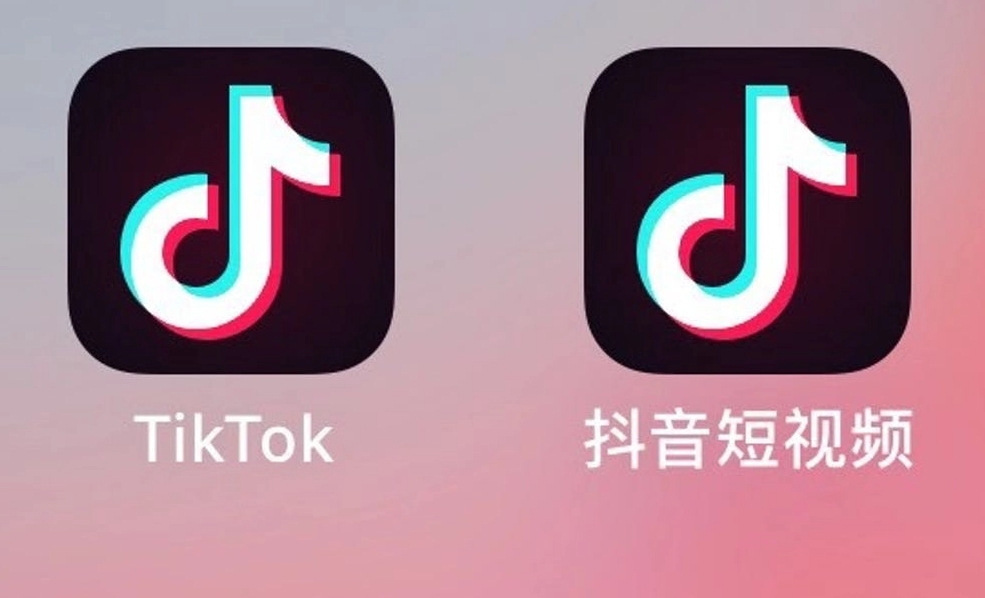
TikTok heißt auf Chinesisch „Douyin“ und ist eine Kurzvideo-Sharing-App, die vom chinesischen Technologiekonzern ByteDance entwickelt wurde. Douyin wurde ursprünglich im September 2016 in China eingeführt, um Nutzern eine einfache und schnelle Möglichkeit zu bieten, Kurzvideos zu teilen und anzusehen. Mit seinem innovativen Design, intelligenten Empfehlungsalgorithmen und reichhaltigen Inhalten erzielte Douyin schnell großen Erfolg auf dem chinesischen Markt.
Nach dem Erfolg von Douyin beschloss ByteDance, die App auf den globalen Markt auszuweiten und die internationale Version TikTok einzuführen. Obwohl TikTok und Douyin in ihren Funktionen sehr ähnlich sind, gibt es deutliche Unterschiede in Bezug auf Inhalte, Nutzergruppen und Betriebsstrategien.

Was sind die Unterschiede zwischen TikTok und Douyin?
Obwohl Douyin und TikTok vom selben Unternehmen entwickelt wurden, legen sie unterschiedliche Schwerpunkte auf Inhalte und soziale Netzwerke. Douyin konzentriert sich stärker auf den chinesischen Markt, während TikTok für globale Nutzer konzipiert ist. Die Algorithmen und Inhaltsempfehlungsmechanismen der beiden Plattformen unterscheiden sich.
1. Betriebsmärkte
TikTok: Konzentriert sich auf den internationalen Markt und deckt über 150 Länder und Regionen ab. TikTok hat eine große Nutzerbasis in Ländern wie den USA, Indonesien und Japan, insbesondere bei jungen Menschen.
Douyin: Richtet sich hauptsächlich an den chinesischen Markt und hat über 600 Millionen monatlich aktive Nutzer. Douyin dominiert den Bereich der Kurzvideos in China, mit stärker lokalisierten und vielfältigeren Inhalten.
2. Nutzergruppen
TikTok: Die Nutzer sind hauptsächlich der Generation Z (nach 1995 geboren), wobei Nutzer unter 30 Jahren über 60 % der gesamten TikTok-Nutzer ausmachen. Der Inhaltsstil von TikTok ist jugendlicher und trendiger.
Douyin: Die Nutzer umfassen alle Altersgruppen, von Jugendlichen bis zu älteren Menschen, die auf Douyin passende Inhalte finden. Die Inhalte von Douyin sind vielfältiger und decken Bereiche wie Nachrichten, Bildung, Unterhaltung und Lifestyle ab.
3. Inhaltsstil
TikTok: Der Inhaltsstil tendiert zu natürlichen, rohen Inhalten und legt Wert auf Kreativität und persönlichen Ausdruck. TikTok ermutigt Nutzer, originelle Inhalte zu erstellen und empfiehlt sie über Algorithmen an weitere Nutzer.
Douyin: Die Inhalte sind vielfältig, von unterhaltsamen Kurzvideos bis hin zu Nachrichten und lehrreichen Inhalten. Die Inhalte von Douyin sind mainstream-orientierter und für Nutzer mit unterschiedlichen Interessen und Bedürfnissen geeignet.
4. Empfehlungsalgorithmen
TikTok: Der Algorithmus legt mehr Wert auf regionale Empfehlungen und berücksichtigt das Nutzerverhalten wie Anschauzeit, Likes und Kommentare, um maßgeschneiderte Inhalte zu liefern.
Douyin: Der Algorithmus tendiert stärker zu Traffic und Big-Data-Marketing, wobei beliebte und ähnliche Inhalte leichter empfohlen werden.
5. Anmeldemethoden:
TikTok: Unterstützt verschiedene internationale Anmeldemethoden, darunter ausländische Telefonnummern, E-Mail-Adressen und Social-Media-Konten (wie Facebook, Google).
Douyin: Unterstützt hauptsächlich die Anmeldung mit Telefonnummern sowie chinesischen Social-Media-Plattformen wie WeChat und QQ.
6. Benutzeroberfläche:
TikTok: Das Interface-Design ist internationaler, mit Unterstützung für mehrere Sprachen, geeignet für globale Nutzer.
Douyin: Das Interface-Design ist stärker an die Gewohnheiten chinesischer Nutzer angepasst, mit Chinesisch als Hauptsprache.
Durch die obige Einführung sollten Sie nun verstehen, wie TikTok auf Chinesisch heißt und welche Hauptunterschiede zwischen TikTok und Douyin bestehen. Obwohl sich TikTok und Douyin in Betriebsmärkten, Nutzergruppen, Inhaltsstilen und Empfehlungsalgorithmen unterscheiden, haben beide erfolgreich die Art und Weise verändert, wie Menschen Videoinhalte teilen und ansehen. Ob Douyin in China oder TikTok international – beide innovieren und optimieren ständig, um weiterhin globale Nutzer anzuziehen und ihren Einfluss zu vergrößern.