 2260
2260
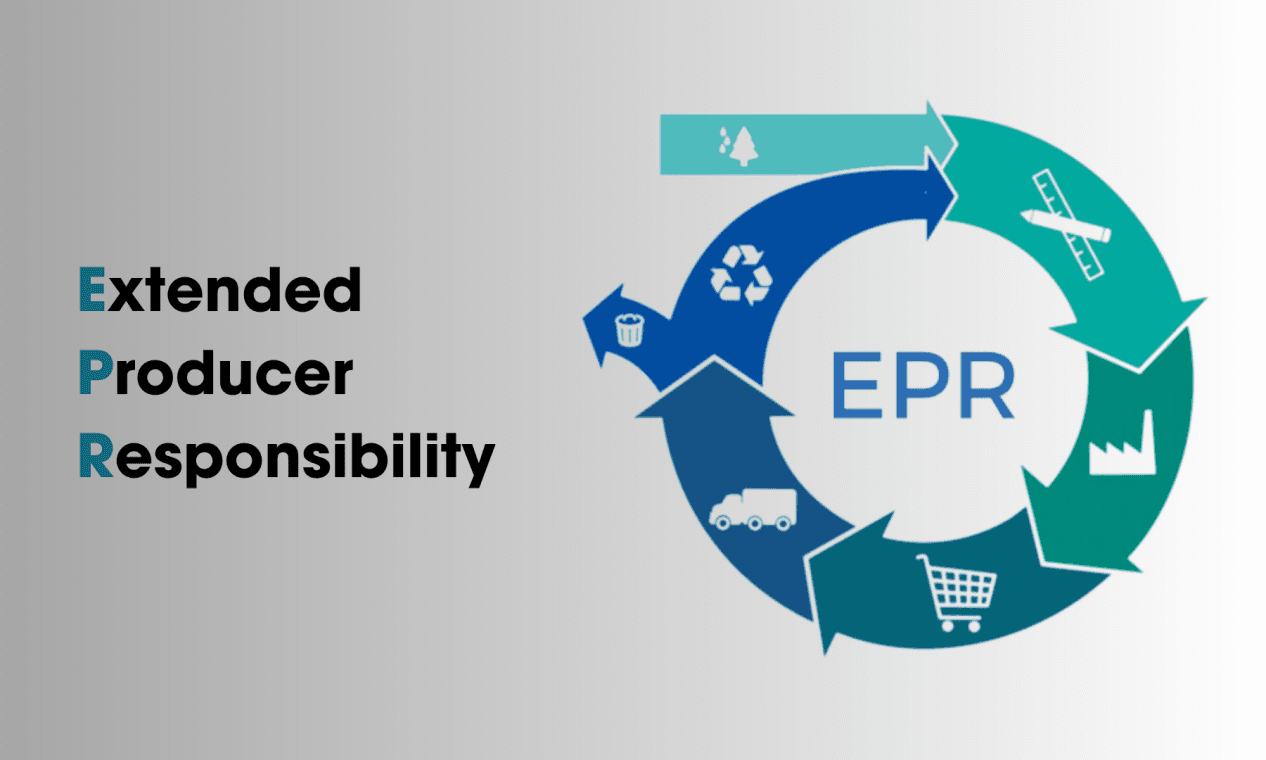
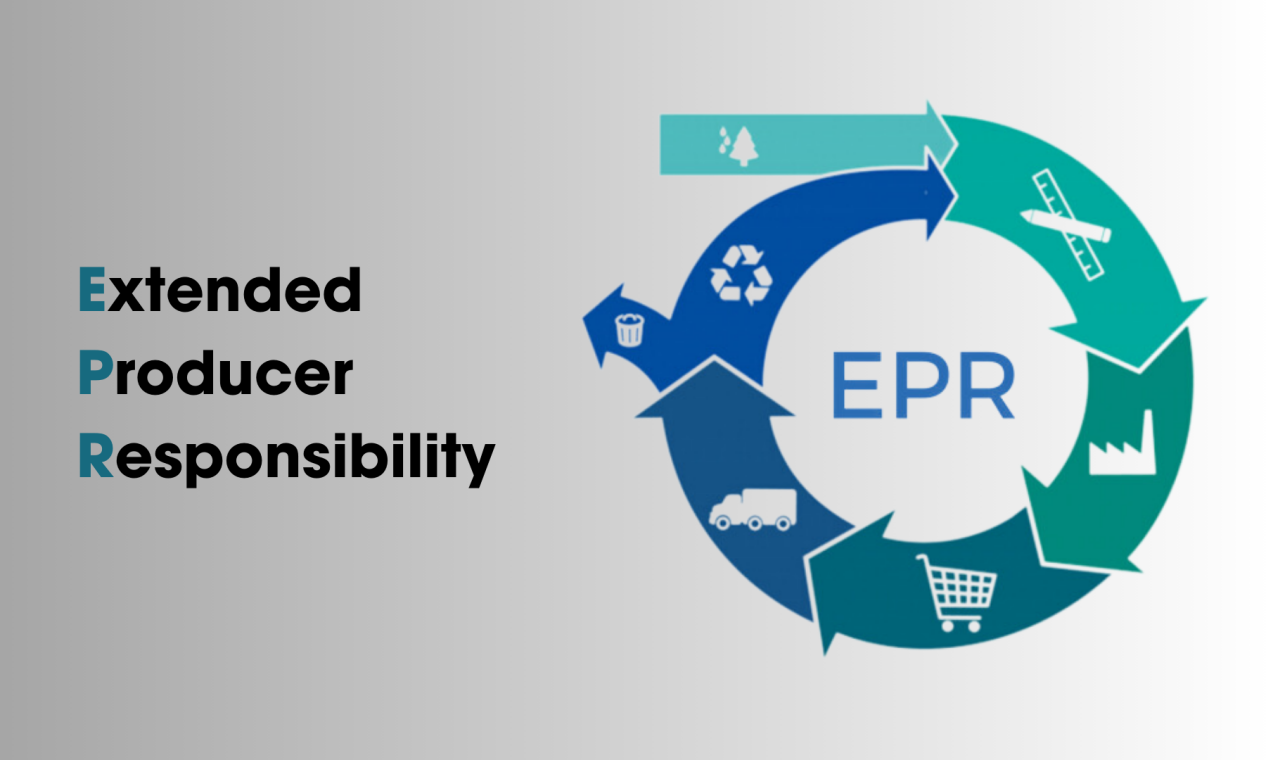
Mit der zunehmenden Verschärfung der globalen E-Commerce-Regulierung steigen die Compliance-Hürden auf dem europäischen Markt erneut. Abdem 1. April werden in mehreren Kernmärkten der Amazon-EU-Standorte, darunter Polen, Deutschland, Frankreich usw., die EPR-Vorschriften für Verpackungen, Batterien und Elektro- und Elektronikgeräte offiziell durchgesetzt.
Bildquelle:Google
Diese neue Regelung bedeutet nicht nur, dass die Betriebskosten der Verkäufer erheblich steigen, sondern wird auch tiefgreifende Auswirkungen auf das Prozessmanagement, die Produktplanung und sogar das Plattform-Ökosystem des grenzüberschreitenden Geschäfts haben.
Für chinesische Verkäufer, die vom europäischen Markt abhängig sind, ist dies sowohl eine Prüfung der Compliance-Fähigkeiten als auch eine Gelegenheit, die Lieferkette und die Betriebsstrategie neu zu überdenken.
Die Kernanforderungen der neuen Vorschriften werden umfassend verschärft, die Compliance-Kosten steigen erheblich
DiesmalDer Kern der neuen EPR-Vorschriften besteht darin, die Umweltverantwortung der Hersteller klar festzulegen. Alle Unternehmen, die entsprechende Produkte in Europa verkaufen, müssen sich auf der offiziellen lokalen Plattform registrieren, eine eindeutige EPR-Nummer erhalten, die Ökosteuer gemäß den Vorschriften zahlen und regelmäßig die Nutzungsdaten von Verpackungsmaterialien melden.
Aus Sicht des Geltungsbereichs sind Deutschland und Frankreich grundlegende Pflichtmärkte, während Polen, Spanien, Irland usw. die Umsetzungsstandards weiter verfeinert haben.
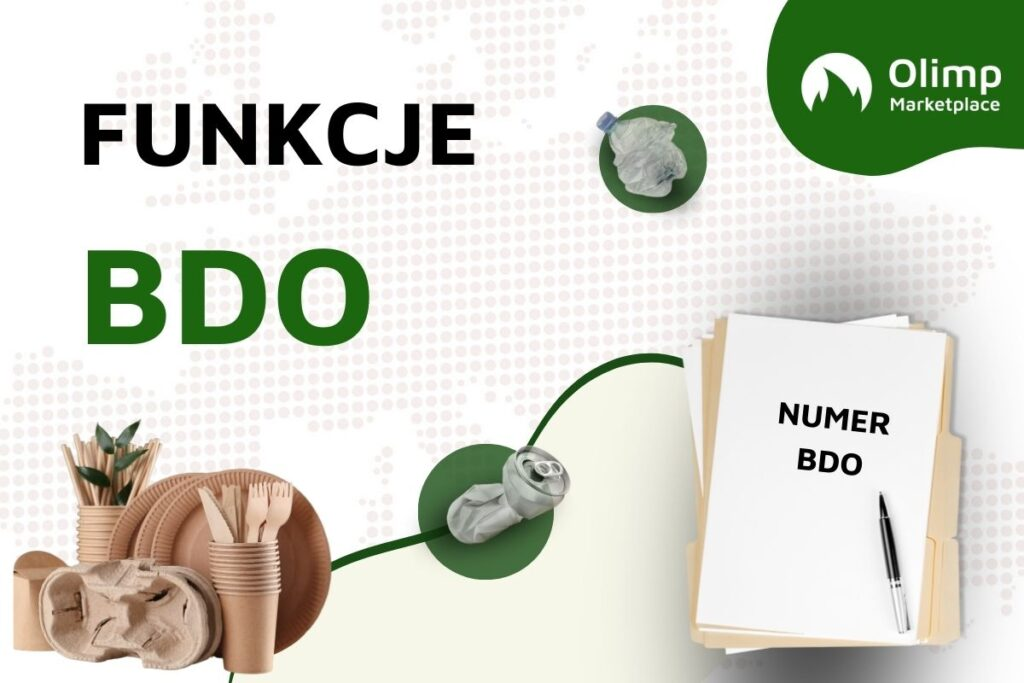
Am Beispiel Polens fordern die lokalen Aufsichtsbehörden ausdrücklich, dass die Verpackungsregistrierung für Produkte mit Batterien gleichzeitig mit der Batterieregistrierung abgeschlossen werden muss. Wenn die beiden Registrierungen nicht gleichzeitig durchgeführt werden, die entsprechendeBDO-Antrag (Abfallregisterdatenbank) wird direkt abgelehnt.
Diese kategorieübergreifenden verbundenen Compliance-Anforderungen zwingen Verkäufer, die sich ursprünglich nur auf ein einzelnes Produkt konzentrieren mussten, ihre gesamten Lieferkettenqualifikationen neu zu überprüfen.
Bildquelle:Google
In Bezug auf die Kosten steigen die expliziten Ausgaben erheblich. Allein die Registrierungsgebühren für die Verpackungsgesetze der einzelnen Länder belaufen sich auf fast50.000 Yuan, wenn man die speziellen Registrierungen für Batterien, elektronische Geräte usw. sowie die jährliche Ökosteuer hinzurechnet, können sich die Compliance-Kosten für einige Verkäufer verdoppeln.
Noch bemerkenswerter sind die versteckten Kosten: Die Registrierungszeiträume in Ländern wie Spanien und Irland betragen mehrere Monate, was bedeutet, dass die Pläne für die Einführung neuer Produkte erheblich verzögert werden können und das Risiko, die Verkaufssaison zu verpassen, drastisch steigt. Für Verkäufer mit einem Multi-Standort-Vertriebsmodell wird die erhöhte Prozesskomplexität zudem mehr Personal- und Zeitkosten verbrauchen.
Verkäufer stehen vor mehreren Herausforderungen, die Betriebskette muss dringend optimiert werden
Nach der Umsetzung der neuen Vorschriften wird sich der operative Druck der Verkäufer von einzelnen Kosten auf Systemrisiken verlagern.
Erstens konzentrieren sich die finanziellen Belastungen. Kleine und mittlere Verkäufer können aufgrund der einmaligen Zahlung von Zehntausenden von Yuan an Registrierungsgebühren und Vorauszahlungen von Steuern in Liquiditätsengpässe geraten. Insbesondere bei Massenkonsumgütern mit ohnehin geringen Gewinnmargen können die Compliance-Kosten die Gewinnspanne direkt auffressen.
Zweitens wird das Lieferkettenmanagement schwieriger. Bisher konnten einige Verkäufer den Markt erobern, indem sie zuerst listen und dann die Zertifikate nachreichen, aber der obligatorische Überprüfungsmechanismus unter den neuen Vorschriften wird diese Lücke vollständig schließen. Wenn die Registrierungsverzögerung dazu führt, dassdas Listing entfernt wird, werden Lagerüberbestände und Logistikverluste eine Kettenreaktion auslösen.

Bildquelle:Google
Darüber hinaus werden die unterschiedlichen Anforderungen der Länderpolitik, wie Deutschlands Fokus auf Recyclingquoten und Frankreichs Betonung der Kohlenstoff-Fußabdruck-Rückverfolgung, Verkäufer dazu zwingen, komplexere Compliance-Akten zu erstellen und sogar lokale Fachinstitutionen zu beauftragen, was die Verwaltungskosten weiter in die Höhe treibt.
Mehrdimensionale Bewältigungsstrategien, von passiv zu aktiv
Angesichts dieses Compliance-Sturms müssen Verkäufer sowohl aus kurzfristiger Notfallperspektive als auch aus langfristiger Planungsperspektive handeln.
Kurzfristig ist die wichtigste Priorität, Zeit zu gewinnen. Für noch nicht registrierte Standorte sollte sofort der offizielle Antragsprozess gestartet und gleichzeitig Materialien wie Produktverpackungsmaterialnachweise und Verkaufsdaten vorbereitet werden, um Verzögerungen durch unvollständige Unterlagen zu vermeiden.
Gleichzeitig kann geprüft werden, ob die Registrierungszeit durch Drittanbieter von Compliance-Dienstleistungen verkürzt werden kann. Obwohl dafür Servicegebühren anfallen, ist dies im Vergleich zum Verlust von Marktchancen dennoch kosteneffizient. Mittelfristig muss die Produktstruktur optimiert werden, indem Kategorien mit niedrigen Margen und hohen Compliance-Kosten überprüft werden. Bei Bedarf sollten die Produktlinien reduziert oder Preisstrategien angepasst werden, um die zusätzlichen Kosten angemessen auf die Endverbraucher umzuwälzen.
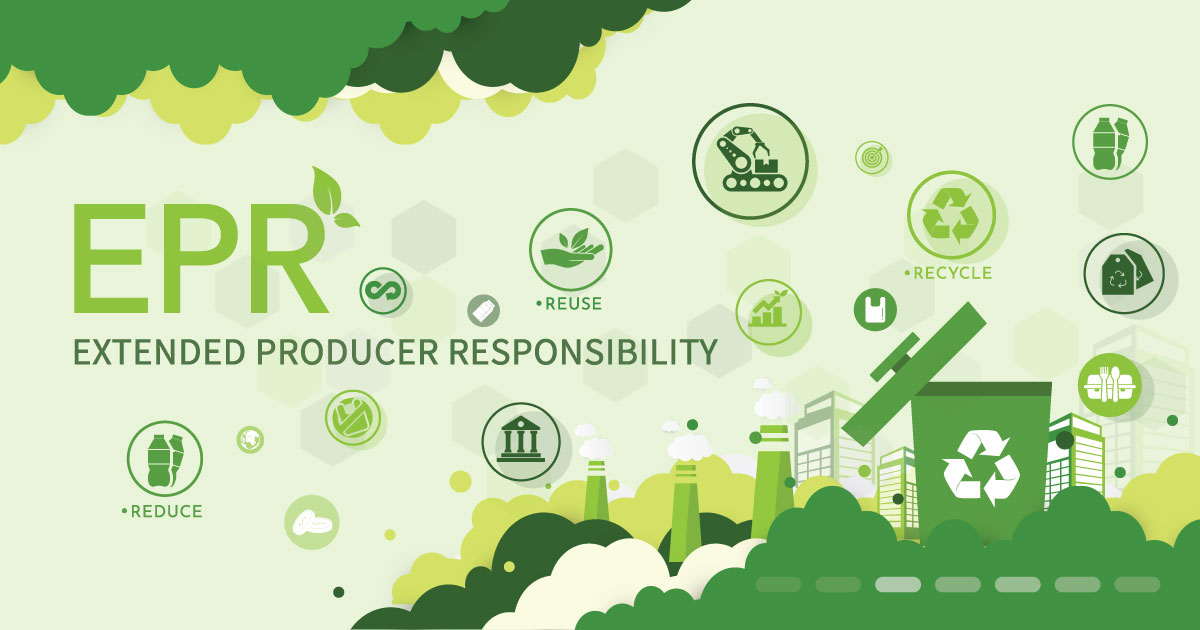
Langfristig ist es entscheidend, eine vorausschauende Compliance-Denkweise zu etablieren. Bereits in der Phase der Neuproduktentwicklung solltenEPR-Anforderungen einbezogen werden, recycelbare Materialien ausgewählt und Verpackungsdesigns vereinfacht werden, um die ökologische Steuerbelastung an der Quelle zu reduzieren. Gleichzeitig sollten digitale Tools genutzt werden, um politische Entwicklungen in verschiedenen Ländern zu verfolgen und Verstöße durch veraltete Informationen zu vermeiden.
Bildquelle:Google
Fazit
Die neuen EPR-Vorschriften vom 1. April sind keineswegs nur eine einfache Kostensteigerung, sondern markieren, dass die Anforderungen des europäischen Marktes an E-Commerce-Unternehmen von der Verkaufsfähigkeit auf die Umweltverantwortung ausgeweitet wurden.
Für Verkäufer ist dies sowohl eine schmerzhafte Phase als auch eine Chance, die Wettbewerbsfähigkeit neu zu gestalten. Unternehmen, die sich schnell an die Regeln anpassen und Compliance in eine Markenprämie umwandeln können, werden in der zukünftigen Welle des grünen Konsums einen Vorteil haben.