 1811
1811TikTok ist zu einem unverzichtbaren Bestandteil der sozialen Medien im Ausland geworden. Mit über 1,1 Milliarden monatlich aktiven Nutzern weltweit geben unzählige Menschen auf Empfehlung von TikTok-Influencern Bestellungen auf und tragen so zu den Einnahmen von TikTok bei.
Sind diese Menschen blind? Nicht unbedingt. Wenn ein Verhalten zu einem Massenphänomen wird, ist es keine blinde Handlung mehr, sondern das Ergebnis einer kollektiven Entscheidung.
Die Menschen vertrauen den Empfehlungen der TikTok-Influencer, akzeptieren die Preise der auf TikTok Shop verkauften Produkte und glauben, dass diese ihre Grundbedürfnisse erfüllen. Also kaufen sie – einfach und spontan.
Was sie jedoch nicht wissen, ist, dass TikTok auf dieser Realität aufbaut und geschickt einige psychologische Faktoren einsetzt.
Wenn jemand zum Beispiel nach den besten Reinigungsprodukten sucht, wird er nicht auf TikTok danach suchen, sondern eher nach #cleantok und ähnlichem.
Doch durch Big Data und die Empfehlungen von TikTok-Influencern werden diese Nutzer häufig mit Inhalten zu Reinigungsprodukten konfrontiert, was ihre Kaufentscheidungen bis zu einem gewissen Grad verändert.
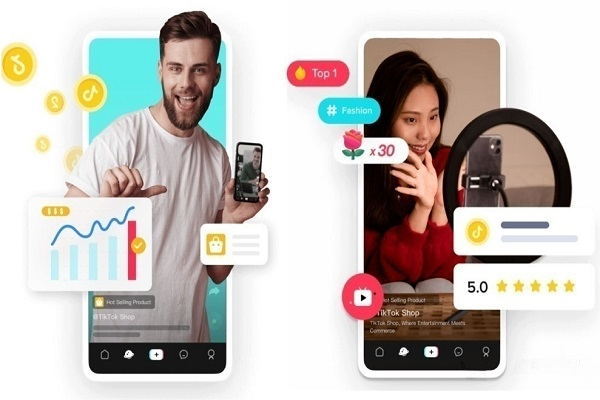
Der Mensch ist ein Herdentier und fühlt sich durch gemeinsame Erlebnisse zueinander hingezogen. Wenn eine Vollzeit-Hausfrau auf TikTok ein Video von ihrer Hausarbeit hochlädt, zieht das eine große Anzahl ebenso reinlicher Hausfrauen an. Wenn diese Mutter ein bestimmtes Reinigungsprodukt empfiehlt und dessen bemerkenswerte Wirkung zeigt, werden Nutzer mit ähnlichen Bedürfnissen das Produkt bestellen.
Das ist die Magie von TikTok: „Dir nahekommen und dich dann unmerklich assimilieren“.
Natürlich ist diese Assimilation nicht beängstigend, sondern ein völlig normales soziales Phänomen. Sie entsteht, weil die Zuschauer das Gefühl haben, den Ersteller zu verstehen, und ihm dadurch mehr vertrauen.
Es ist wie die Beziehung zwischen Stars und ihren Fans: Die emotionale Verbindung zwischen Verbrauchern und diesen Erstellern ist einer der größten Faktoren, die die Kaufbereitschaft der Verbraucher wecken.
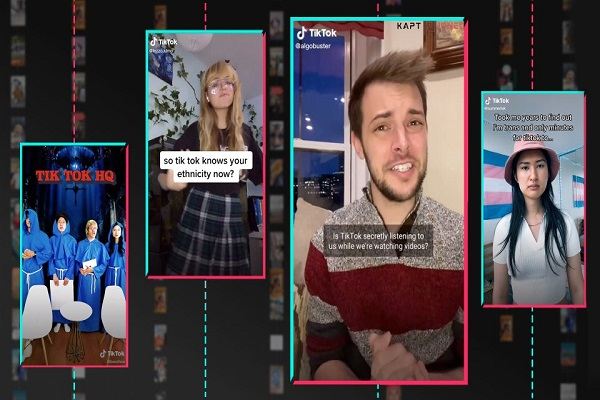
Dieses Phänomen wird als „parasoziale Beziehung“ bezeichnet. Es lässt die Zuschauer eine enge Verbindung zu einem Ersteller empfinden, sogar eine Freundschaft, obwohl diese Beziehung in der Regel einseitig ist und der Ersteller möglicherweise nichts von der Existenz des Zuschauers weiß.
Je mehr die Zuschauer diesen Ersteller mögen, desto eher kaufen sie wiederholt Produkte oder Dienstleistungen, um ihre Zuneigung auszudrücken. Selbst wenn sie wissen, dass es sich um bezahlte Werbung des Erstellers handelt, sind sie bereit, großzügig zu sein.
Besonders auf Plattformen wie TikTok: Wenn Nutzer die App öffnen, werden ihnen automatisch die Inhalte ihrer Lieblingsersteller angezeigt. Durch wiederholte Exposition wird diese parasoziale Beziehung weiter vertieft.
Derzeit existiert diese parasoziale Beziehung nicht nur auf TikTok, sondern ist auch auf anderen Social-Media-Plattformen und im Bereich der Content-Erstellung weit verbreitet. Sie ist eine effektive Marketingstrategie, um Zuschauer anzuziehen und den Produktverkauf zu fördern. Es ist jedoch wichtig, diese Beziehung nicht übermäßig auszunutzen, um Abneigung bei den Zuschauern zu vermeiden.
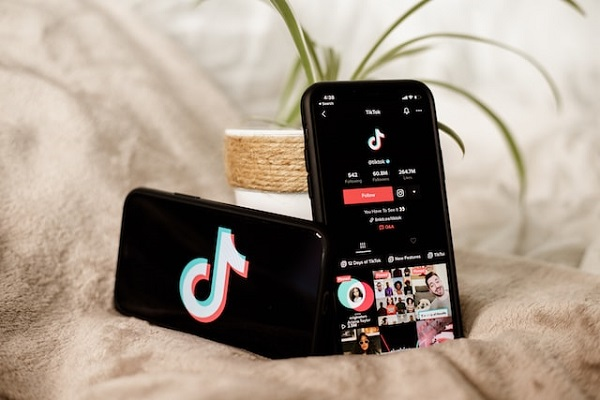
In diesem Zeitalter der sozialen Medien lässt TikTok die Nutzer glauben, dass Konsum zu einem Weg wird, ein besseres Leben zu führen, und dass alle auf dem Weg sind, sich zu verbessern.
Auf TikTok kann manchmal ein guter Text ausreichen, um bei Verbrauchern Interesse und Vertrauen in ein Produkt zu wecken.
Indem beschrieben wird, wie das Produkt die Probleme der Verbraucher löst, Bequemlichkeit und Überraschungen bringt, kann die Kaufbereitschaft geweckt werden. Aufgrund der kurzen Natur von TikTok-Videos müssen die Empfehlungen prägnant und natürlich sein. Manchmal wirken sie sogar umso echter und aufrichtiger, je rauer und weniger ausgefeilt sie sind.
Diese Konsumpsychologie macht uns die Bedeutung authentischer Bewertungen für Produkte bewusst. Obwohl die Kosten für Bewertungen und Werbeplätze von Top-KOLs hoch sind, können wir echte Bewertungen finden, indem wir nach gewöhnlichen Nutzerkäufern oder Nutzern mit einer kleinen Follower-Basis suchen. Bieten Sie ihnen kostenlose Produkte oder Rabatte an, oder geben Sie ihnen sogar Anreize, wie z. B. eine Rückvergütung basierend auf der Anzahl der Likes oder Aufrufe, die ein Video erhält.
In diesem Zeitalter, in dem jeder ein Medienmacher ist, brechen Geschäftsmöglichkeiten oft unerwartet aus. Was wir tun müssen, ist, ein breites Netz auszuwerfen, denn selbst kleine Investitionen können große Erträge bringen.