
 2066
2066Selbst nach über zwei Monaten Sperrung in Indonesien, die erhebliche Verluste verursacht hat, zeigt sich anhand der aktuellen Daten, dass Tuke E-Commerce in Südostasien weiterhin rasant wächst.
Während des kürzlich vergangenen „Double 12“-Events zeigte Tuke Shop in Südostasien wie gewohnt eine starke Leistung: Die grenzüberschreitende GMV-Erfüllungsrate lag bei 108%, der gesamte grenzüberschreitende GMV stieg um 493%, und der tägliche grenzüberschreitende Spitzenwert legte um 580% zu!
Der Erfolg von Tuke auf dem südostasiatischen Markt zeichnete sich bereits früh ab.
Seit dem Teststart im Jahr 2021 verzeichnete die GMV-Entwicklung von Tuke E-Commerce einen stetigen Aufwärtstrend und erreichte Länder wie Indonesien, Großbritannien, Thailand und die USA.
Heute liegt der Fokus verstärkt auf den Märkten in Südostasien und den USA, die parallel vorangetrieben werden, um Tuke E-Commerce zu globalisieren und ein neues Feld im E-Commerce zu erschließen.
Zum Beispiel hat die Beauty-Marke HEBE Beauty frühzeitig den riesigen südostasiatischen Markt erkannt.
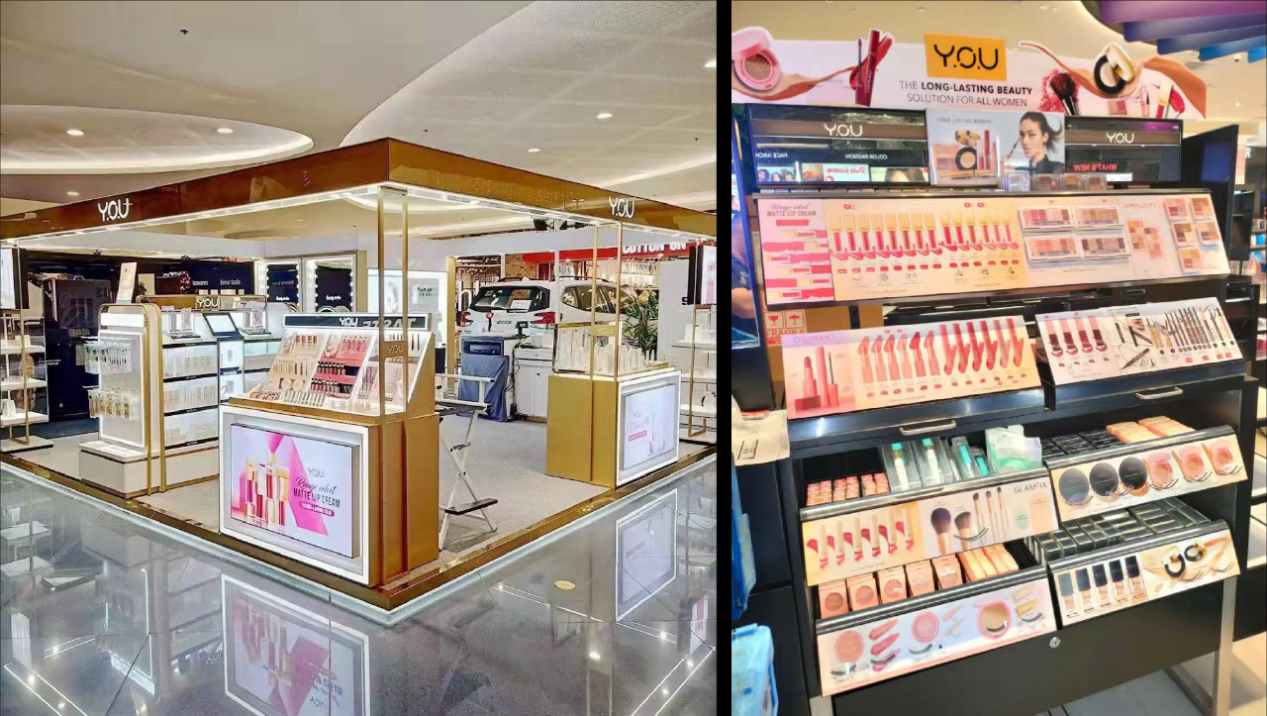
HEBE Beauty ist eine chinesische Beauty-Marke. Anders als die meisten einheimischen Kosmetikmarken, die „von innen nach außen“ internationalisieren, hat das chinesische Team von HEBE Beauty die Beauty-Marke Y.O.U in Südostasien lokal aufgebaut. Durch differenziertes und lokalisiertes Marketing expandierte sie schnell in Länder wie die Philippinen, Malaysia und Thailand und deckt fast 40.000 Verkaufsstellen ab.
Der Erfolg der Beauty-Marke Y.O.U liegt zum einen darin, dass sie basierend auf dem südostasiatischen Klima die Beauty-Herausforderungen eingehend untersucht und ein Make-up entwickelt hat, das besser für die Region geeignet ist – langanhaltend und hautfreundlich.
Ein weiterer Grund ist, dass sie die Bedeutung von Markenmarketing verstehen und großen Wert darauf legen, die Identifikation mit Zielgruppen zu gewinnen.
In der zweiten Jahreshälfte 2021 transformierte Y.O.U über das Internet die beiden Module Vertriebskanäle und Marketing, wählte Tuke als Hauptplattform für das geschlossene Full-Chain-Marketing und schlug eine erstklassige Strategie vor: All in Tuke.
Werbung, Inhalte, Influencer und Konversionen wurden alle auf Tuke in einer Komplettlösung gebündelt. Die Umsetzung dieser Strategie führte dazu, dass die Verkaufszahlen der Marke Y.O.U monatlich ein über 100%iges, extrem schnelles Wachstum erzielten.
Von Händlern über Offline-BAs (Verkaufsberater) bis hin zu Nutzern – durch die Nutzung von Tuke gelang es der Marke Y.O.U, den riesigen Online-Traffic-Pool zu erschließen und gleichzeitig dem Offline-Geschäft breite Wachstumschancen zu eröffnen.
Darüber hinaus wusste das Tuke-Team von Y.O.U im Bereich Social Media und Kurzvideo-Kanäle, dass nur die Produktion hochwertiger Inhalte Mundpropaganda gewinnen, die Marke einer breiteren Zielgruppe bekannt machen und Nutzer zur Konversion überzeugen kann.
Zu diesem Zweck richteten sie sowohl in China als auch vor Ort entsprechende Content-Teams ein, um gemeinsam virale Inhalte auf Tuke zu entwickeln und zu erkunden, und motivierten die Teams regelmäßig zu entsprechenden Aktionen, um die Tuke-Werbung kontinuierlich mit neuen kreativen Ideen zu versorgen.

Ähnlich wie Y.O.U erkannte die Damenbekleidungsmarke NOWRAIN präzise die Marktnachfrage und nutzte eine große Marktlücke.
Als internationale Marke unter Vipshop verfügt NOWRAIN über starke E-Commerce-Fähigkeiten, und die ausgereifte Lieferkette ist ein weiterer großer Vorteil. Der Zielmarkt von NOWRAIN sind junge Verbraucher, die sie durch herausragende Tuke-Kurzvideos und Live-Streaming zahlreiche junge Menschen unter 25 Jahren anziehen.
Vom Modell her spiegelt die Nutzung von Tuke durch NOWRAIN zwei Monetarisierungsstrategien wider.
Einerseits erstellen sie durch virale Themen und relevante Popkultur-Trends auf Tuke hochwertige Kurzvideos, um die Follower-Zahl zu erhöhen; andererseits erzielen sie Gewinne durch Live-Streaming-Verkäufe.
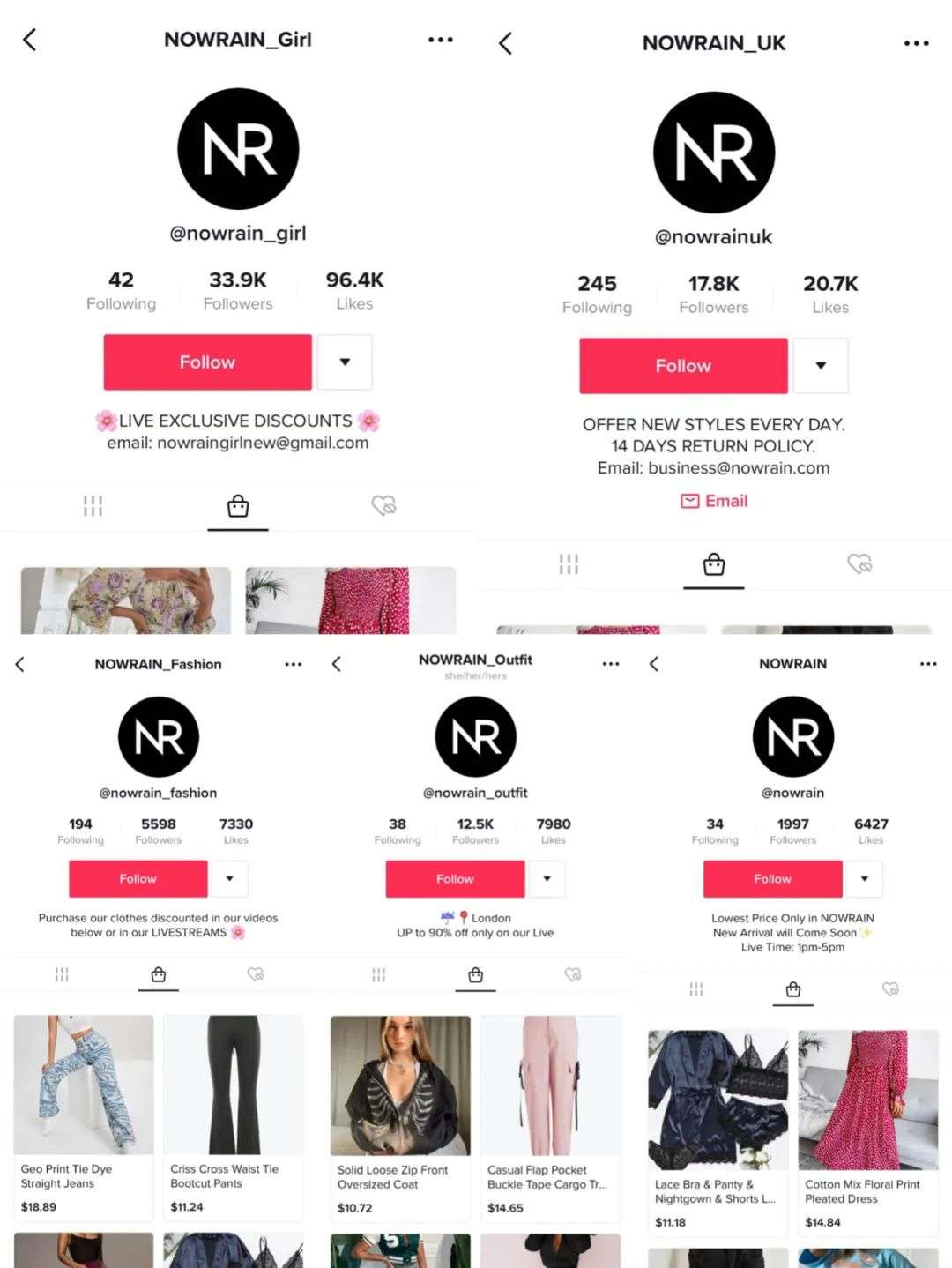
Gleichzeitig baut NOWRAIN verschiedene Konten auf Tuke auf, verleiht jedem Konto einen eigenen Stil und nutzt vertikale Inhalte, um gezielt Nutzer anzusprechen.
Derzeit betreibt NOWRAIN fünf Konten auf Tuke und hat sich zur führenden Damenbekleidungsmarke auf Tuke Shop entwickelt.
Aus den obigen Beispielen wird deutlich, dass sowohl Y.O.U als auch NOWRAIN sowie andere chinesische Marken, die in Südostasien Fuß gefasst haben und eine starke Vitalität zeigen, kontinuierlich das Potenzial neuer Kanäle erschließen.
Sie haben ein schärferes Gespür für Marktnachfragen und legen Wert auf und bestehen auf Lokalisierungsstrategien, einschließlich Produkt, Team und Marketing. Diese lokalisierte Denkweise setzen sie in ihren Kanal-Marketingstrategien um und unterstützen so kontinuierlich das Wachstum und die Entwicklung der Marke.