 3642
3642Among the many TikTok marketing strategies, collaborating with suitable influencers is the most impactful and direct approach. Through the influencer's own appeal, brands can quickly boost exposure and reach precise target users.
Today, TuKe will share some tips on how to find the right influencers on TikTok. Let’s take a look together!

Image source: Internet
1. Clarify brand goals and select the right type of influencer
Before collaborating with TikTok influencers, brands first need to clarify their marketing objectives. This is the first step in selecting suitable influencers. Decide whether you want to increase brand exposure, drive sales conversions, or build brand image through influencer content.
Next, match the type of influencer. Choose influencers with similar audience groups based on the interests and needs of your target audience. If your brand is a beauty product, select influencers who create beauty content; if your brand is a fitness product, choose influencers related to health or sports.
Case Study: Fenty Beauty
Fenty Beauty is a beauty brand founded by Rihanna. The brand’s core philosophy is to embrace users of all skin tones, genders, and cultural backgrounds, so they specifically select beauty influencers who have influence among different skin tones and ethnic backgrounds.
For example, beauty bloggers Jackie Aina and Alissa Ashley have strong influence among Black and White fan groups respectively, and their followers highly recognize diverse beauty products.
By collaborating with these influencers, Fenty Beauty successfully conveyed its brand values (inclusivity and diversity) to global consumers, helping the brand raise global market awareness, especially gaining widespread attention in the beauty community.
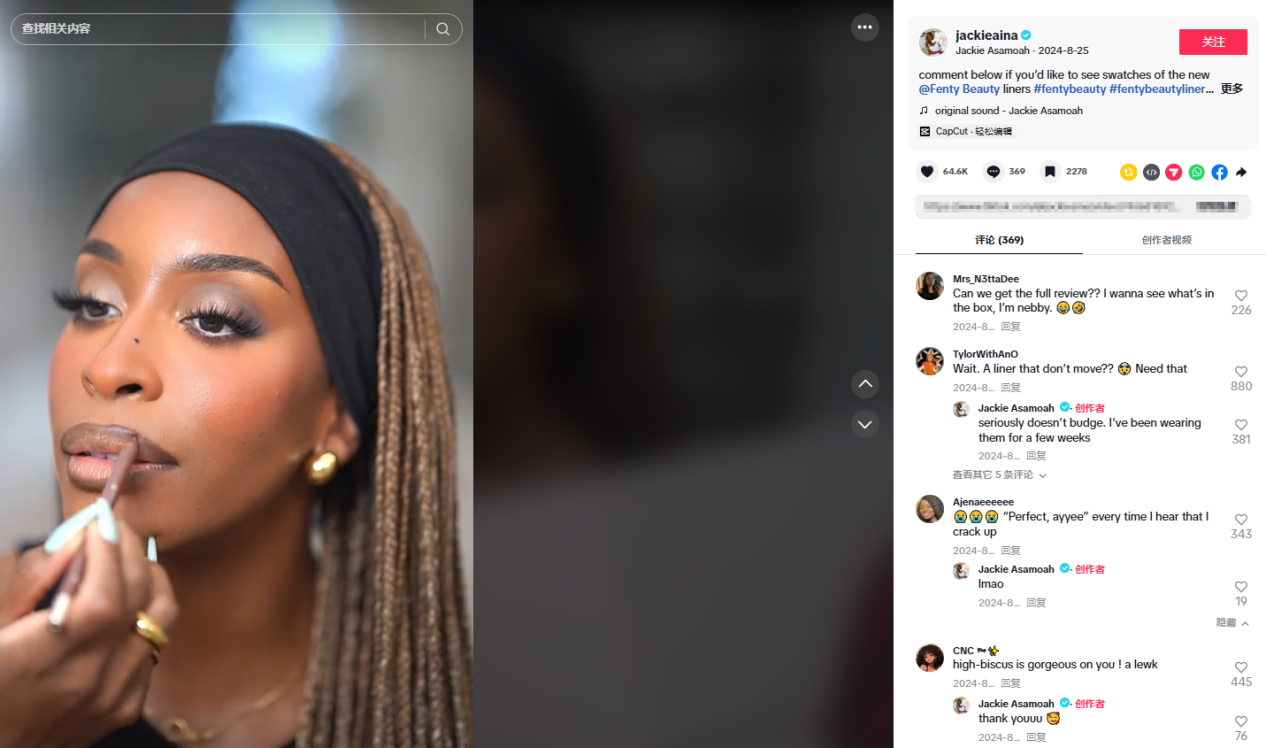
Image source: TikTok
2. Data analysis: Focus on influencer engagement rate, not just follower count
Follower count is the primary criterion for many brands when selecting influencers, but choosing collaborators based solely on follower count may overlook a more important factor—engagement rate.
A large follower base does not necessarily mean high engagement. Brands should pay more attention to the engagement effect of influencer content, especially the number of likes, comments, and shares on videos, as these truly reflect the activity level of followers and the appeal of the content.
To select influencers who not only have a large following but also a high engagement rate, you can use TikTok’s analytics tools or third-party platforms to check the engagement data of influencer posts.
Case Study: Gymshark
When choosing influencers to collaborate with, Gymshark relies heavily on data analysis, especially focusing on influencer content engagement rate and conversion effect.
For example, fitness influencers Chloe Ting and karinadelfin6 were chosen because their fan base aligns perfectly with the brand’s positioning, and their content has high engagement rates, especially among young fitness enthusiasts who have a high level of trust in them. Therefore, Gymshark established close collaborations with them.
This data-driven influencer selection not only enhanced Gymshark’s brand engagement but also boosted sales on the Gymshark official website.

Image source: TikTok
3. Establish long-term partnerships with influencers to build brand loyalty
Short-term collaborations have obvious effects, but long-term partnerships often bring deeper brand value. Building long-term relationships with suitable influencers not only increases brand exposure but also creates a deep emotional connection between the brand and the influencer. Long-term cooperation also helps the brand establish stable trust, making influencer promotions more natural and sincere.
Case Study: Nike
Nike has established long-term partnerships with many top athletes on TikTok, especially their ambassadors such as Serena Williams and LeBron James. They not only participate in short-term campaign promotions but also frequently share personal life and training details through TikTok content.
Such long-term collaborations not only increase brand exposure but also deeply influence fans’ emotions and loyalty. The brand value becomes more deeply rooted over time.
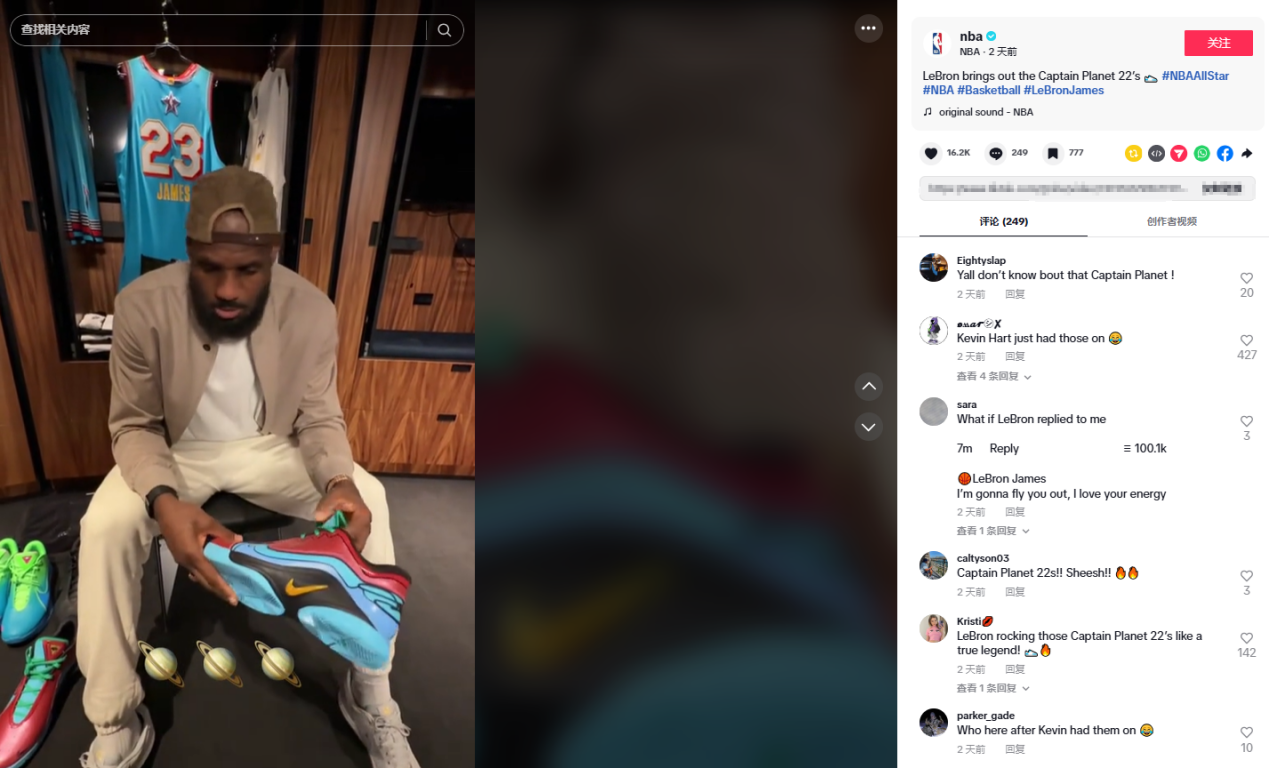
Image source: TikTok
Conclusion
Finding suitable influencers and collaborating effectively on TikTok is the key to successful brand marketing. By clarifying brand goals, focusing on engagement rates, establishing long-term partnerships, and maintaining content authenticity, brands can effectively enhance their influence and engagement on the platform, thus achieving brand growth.