
 3954
3954On a platform like TikTok, where content circulates rapidly and users are extremely active, brands need more than just content to capture users’ attention—they also need “techniques,” namely choosing the right ad type.
TikTok’s advertising system covers every stage from brand seeding to conversion, with different ad formats each having their own focus, meeting diverse needs from new product exposure to live-stream selling.
Below, TuKe will break down the logic, suitable scenarios, and placement suggestions for 6 mainstream TikTok ad types, helping you clarify what to run and how to run it at different stages, so you can truly spend your ad budget where it matters most.

Image source: Internet
1. In-Feed Ads
·Definition: In-Feed Ads are native short video ads that appear between regular content as users scroll through videos. They support adding jump links, download buttons, etc.
·Suitable for brands: Ideal for brands seeking natural exposure and driving user clicks and conversions, especially e-commerce, app downloads, and event traffic brands.
·Interaction: Users can like, comment, and share just like regular videos, and can also click jump links to convert (e.g., to landing pages, product pages, etc.).
·Usage tips: Videos must closely match TikTok user preferences, best to mimic UGC style; the first 3 seconds must grab attention or users will scroll away; emphasizing CTA (such as “Check it out now” or “Click here to claim”) can boost click-through rates.
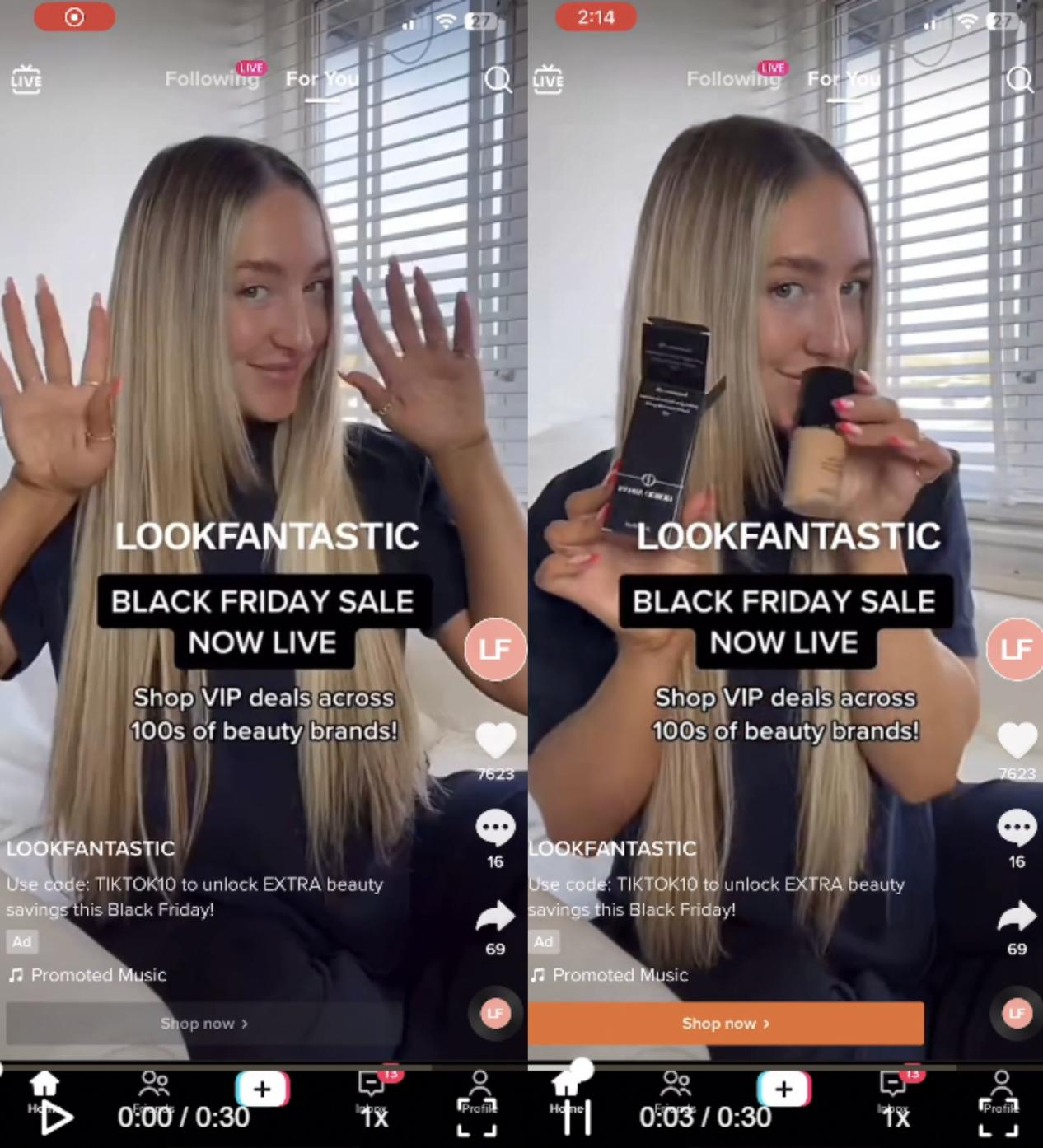
Image source: LOOKFANTASTIC’s In-Feed Ad (skincare & beauty brand)
2. TopView Ads
·Definition: TopView is the first video ad slot shown after opening TikTok. When users open the app, this is the first ad they see. Supports 5~60 second videos, immersive and uninterrupted, and is one of the highest exposure ad formats on the platform.
·Suitable for brands: Ideal for major event marketing, new product launches, holiday campaigns, aiming to quickly boost brand awareness and capture the user’s first impression.
·Interaction: Users can like, comment, share, or click to jump to the brand homepage, landing page, or hashtag challenge page for further interaction or conversion.
·Usage tips: Should have visual impact and memorable brand elements, especially in the first 3 seconds; usually combined with Branded Hashtag Challenge, In-Feed Ads, etc., for a “detonate + spread” effect.

Image source: TopView Ad from car brand GAC Trumpchi
3. Spark Ads
·Definition: Spark Ads are TikTok’s exclusive format, allowing existing video content (brand’s own or user UGC) to be “authorized and amplified” as ads, retaining the original account name and interaction data.
·Suitable for brands: Suitable for brands with accumulated UGC (user-generated content), or those wanting to boost credibility and interaction rates through collaborative content.
·Interaction: Retains original video’s likes, comments, shares, and can increase brand account followers; can also jump to product or event pages.
·Usage tips: Can be used to “amplify” influencer collaboration content; strongly recommended to select original videos with high interaction and natural content for placement; helps accumulate followers and boost brand account authority.

Image source: Spark Ads from cookie brand Ooh&Aah
4. Video Shopping Ads
·Definition: Video Shopping Ads combine TikTok Shop with video, including Video Shopping Ads (video + product card for direct purchase), Catalog Listing Ads (showcase product collections), and Live Shopping Ads (promote ongoing live selling).
·Suitable for brands: Brands or influencers who have TikTok Shop enabled and have live/short video selling capabilities.
·Interaction: Users can watch and buy at the same time, achieving a seamless loop from seeding to ordering.
·Usage tips: Emphasize “scenario + seeding + promotion” integration; can run historical viral videos to repeatedly leverage conversion potential; suitable for high-frequency holiday promotions and e-commerce event bursts.
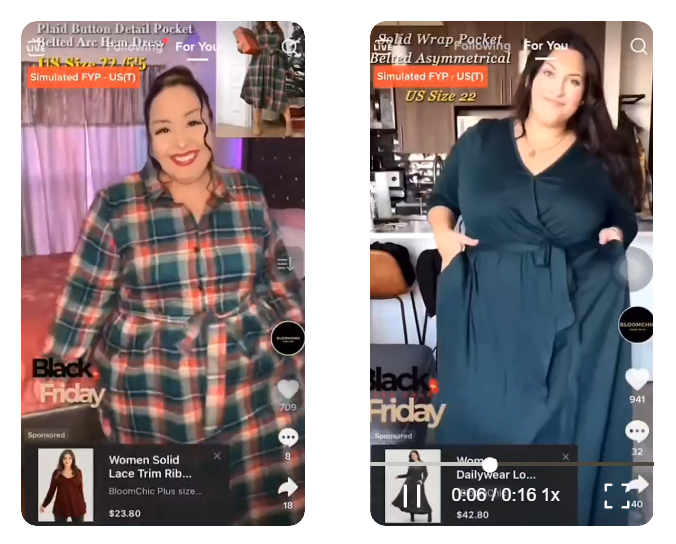
Image source: VSA Ad from clothing company BloomChic
5. Branded Effects
·Definition: Brands can customize stickers, filters, AR effects, and other creative tools to guide users to “play” with content interactively, naturally bringing out brand visuals.
·Suitable for brands: Brands focused on brand impression and product feature visualization, especially beauty, beverage, and fast-moving youth brands.
·Interaction: Users can apply branded effects to their own videos, with high secondary spread, suitable for sparking content trends.
·Usage tips: Works best when linked with challenges or holiday themes; requires advance design and development resources; can leverage influencers for initial launch to boost usage.
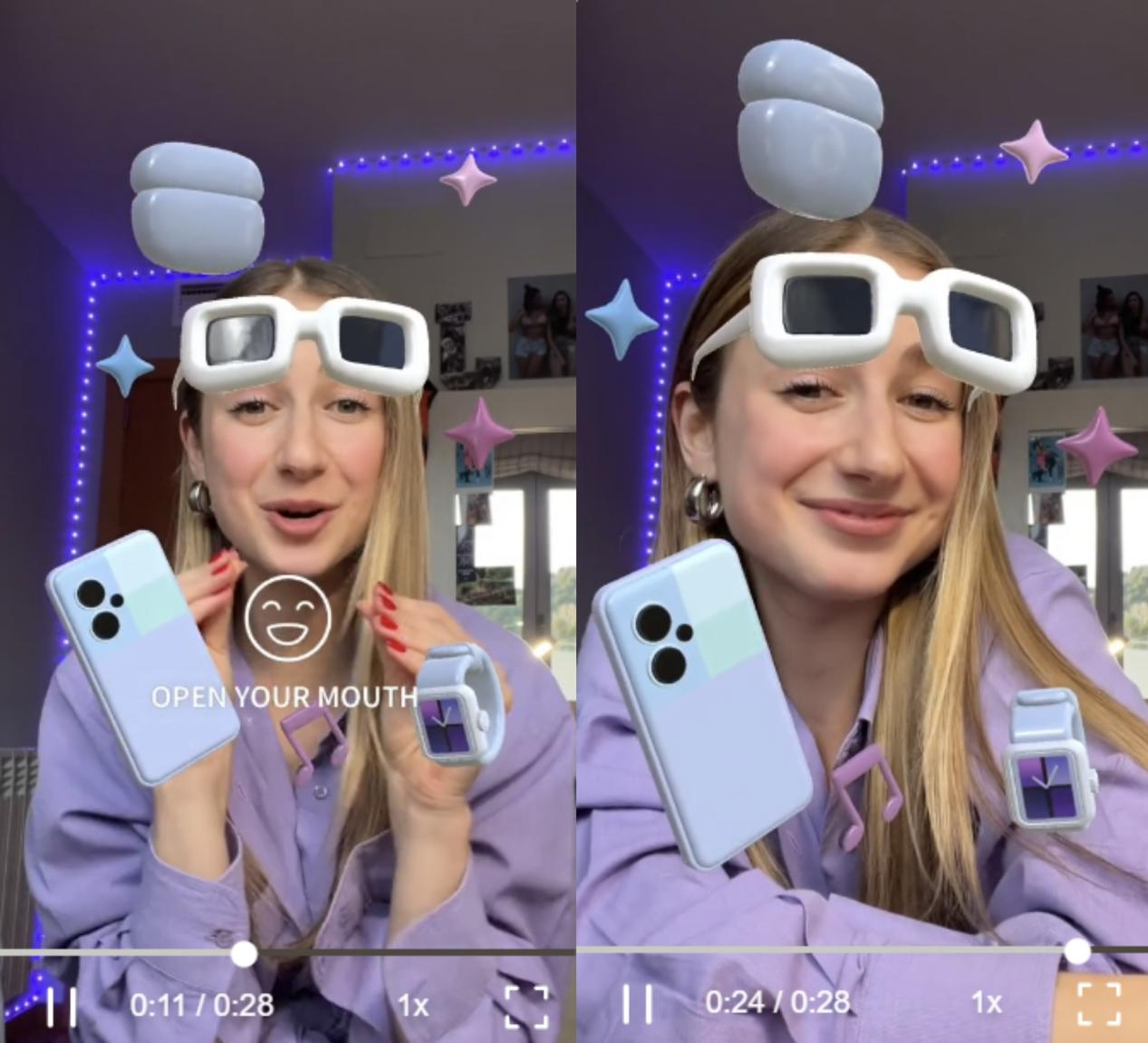
Image source: AR sticker ad from smartphone brand Xiaomi
6. Branded Hashtag Challenge
·Definition: Brands launch a creative challenge (with a specific hashtag), inviting users to post videos around the topic, resulting in large-scale UGC spread.
·Suitable for brands: Brands aiming for mass exposure, brand interaction, and user co-created content, especially for new product launches and major holidays.
·Interaction: Users can create and upload their own content to join the challenge, like, comment, and spread further, greatly stimulating user content production.
·Usage tips: Challenge themes should be easy to participate in and fit platform culture; usually paired with Branded Effect + trending music; suitable for combining with TopView or Feed Ads to ignite buzz.
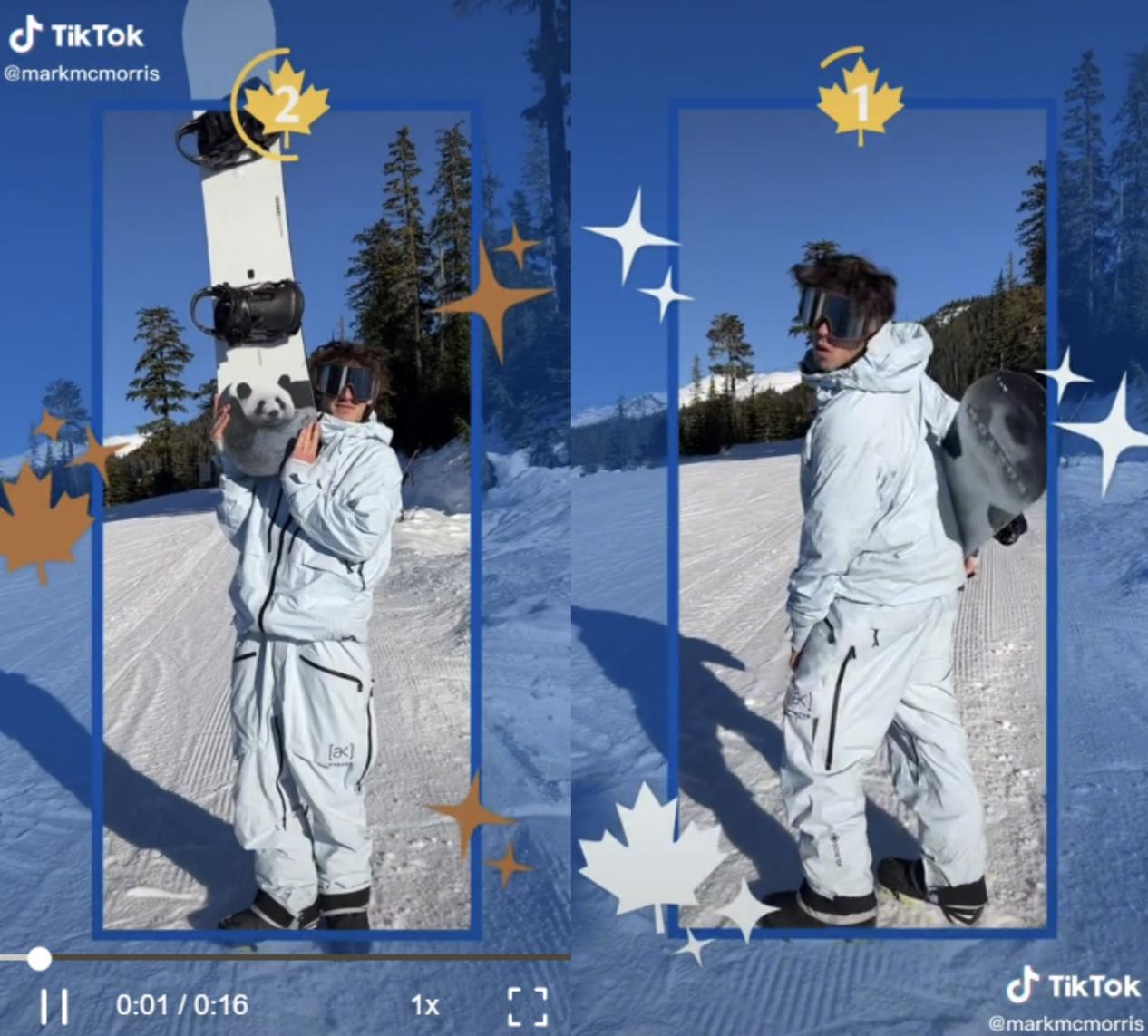
Image source: Branded Challenge Ad from Royal Bank of Canada (RBC)
Overall, TikTok ads are no longer just a tool for single exposure, but a “full-chain marketing battleground” running through every stage of brand awareness, seeding, conversion, and repurchase.
Different ad types have completely different traffic logic and user mindset touchpoints. When placing ads, brands must not only choose the right “weapon,” but also clarify their current stage and goals.
If you’re planning to invest in TikTok, start from the user’s perspective: clarify “what you want them to see, how they see it, and what they do after seeing it,” then match ad types and creative strategies accordingly. Only then will your budget be truly effective, and ROI more controllable and sustainable.