
 2925
2925Colorful beads fall slowly, and each scoop corresponds to a mysterious gift.
This short video called“Blind Spoon” has received 1590 million views and 1.3 million likes on TikTok, and the package priced as high as $295 was sold out.
In today's e-commerce environment, consumers crave not only the product itself, but also a shopping experience and emotional connection.
Traditional“hawking-style” advertising can no longer move young people, while immersive shopping experiences are becoming a powerful tool for TikTok Shop merchants to improve conversion rates.
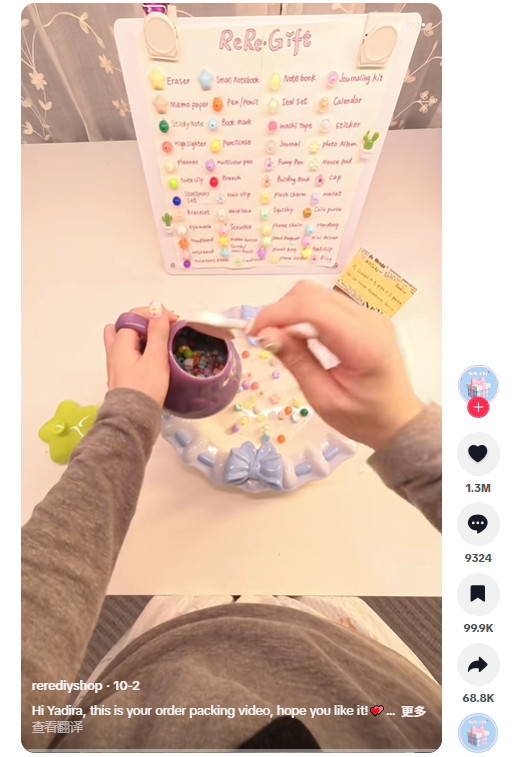
Image source:TikTok
Why“hawking” no longer works?
On traditional e-commerce platforms, consumers usually search directly for the products they need, and this process lacks emotional connection and the fun of exploration.
But content e-commerce represented byTikTok has completely changed this logic. It integrates the shopping process into interesting and engaging content, allowing consumers to accidentally discover their favorite products while enjoying the content.
This content-based shopping experience is growing rapidly. Data shows that sinceMarch 2025, after opening to more cross-border merchants, TikTok Shop's European cross-border POP merchants' GMV has increased fivefold!
The core of the immersive shopping experience is that it no longer forces products on consumers, but instead naturally integrates products into consumers' lives through storytelling, showcasing usage scenarios, and evoking emotional resonance.

Image source: Internet
Case Study: How Do They Play with Immersive Experiences?
Immersive experience is not limited to the visual level; it covers three major elements: multi-sensory, emotional, and interactivity.
OnTikTok Shop, this experience can be realized in a variety of forms:
Case 1:The “Blind Spoon” Miracle, a New Blue Ocean of Emotional Economy
At the beginning of last month,a “Blind Spoon” packing video by ReRe Gift went viral.
In the video, the host scoops a spoonful from a container full of colorful beads, each bead corresponding to a mysterious little gift. Then, according to the result, he takes the corresponding product from the shelf and puts it into the gift box.
Why can such a simple idea trigger a buying frenzy?
The answer is that it captures consumers' emotional needs for healing, ritual, and surprise. The process of opening a blind box is full of the unknown and anticipation, and this emotional value makes users willing to pay a premium——the same product achieves several times the premium due to innovative form.
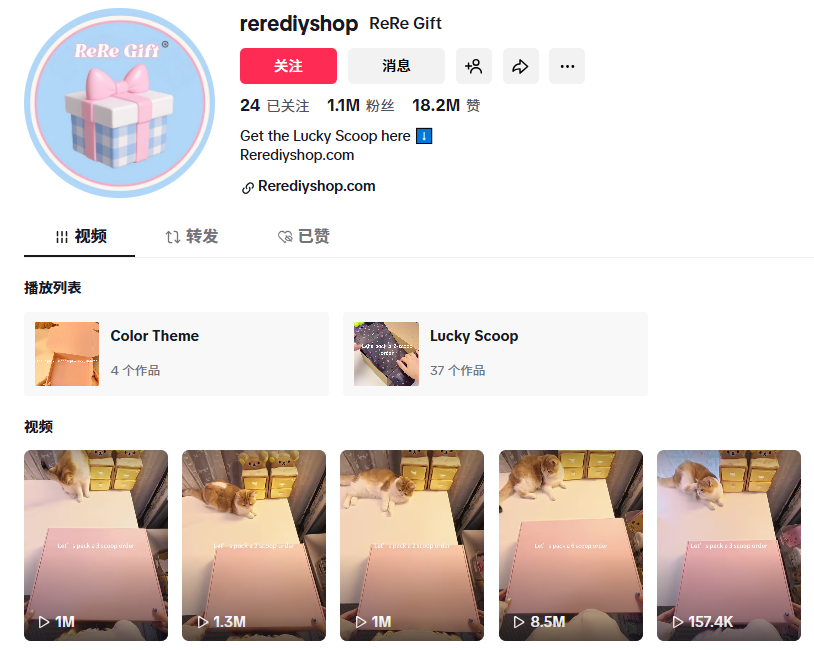
Image source:TikTok
Case 2:Lubluelu Vacuum Cleaner, Immersive Experience of Pragmatism
The home appliance brand from ShenzhenLubluelu went viral with a video showing the vacuum cleaner's functions after entering TikTok Shop Germany.
No editing, no special effects, just a“one-shot” camera, this vacuum cleaner cleans everything from beans to dirt to pet hair in one go.
This unadorned, real demonstration received more than2.2 million views. It accurately hit the pain point of German consumers who value effectiveness, and the product quickly became a hit, ranking among the top three in sales in Germany many times.
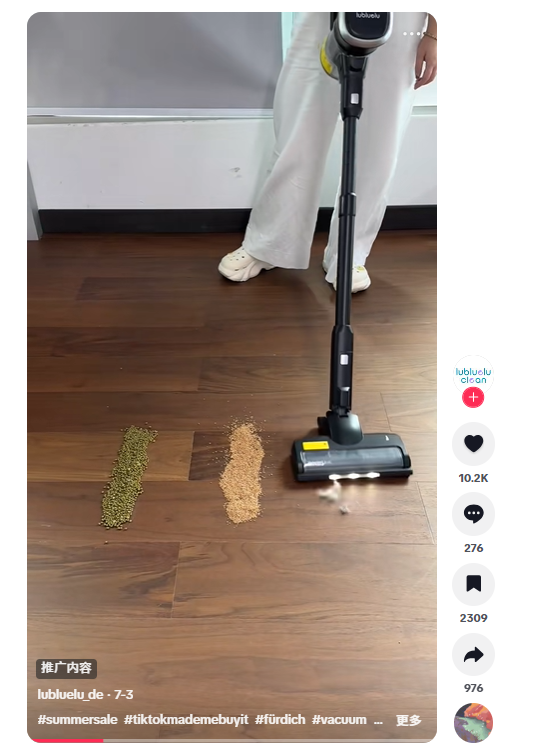
Image source:TikTok
Practical Strategies: Creating Immersive Shopping Experiences
① Content Scene: Put the Product into Life
Don’t just shoot the product, shoot what it looks like in life. For example, don’t just show the functions of a coffee machine, but film the warm scene of making coffee in the morning, or the scene of entertaining friends with it.
② Grab Attention in 3 Seconds: Strengthen Visual Impact
The first3 seconds of a short video are crucial. Directly show the most attractive point—throw waterproof headphones into water, or let a powerful vacuum cleaner clean up all the mess in one second. The picture should be clean, bright, and the subject prominent.
③ Let Users Play: Design Interactive Experiences
Ask questions in the video and let users leave comments; set up polls during live broadcasts to choose the next product to display; launch challenges to invite users to share their purchases. The stronger the sense of participation, the stronger the desire to buy.
④ Tell a Good Story: Build Emotional Connection
Don’t just sell the product, sell the story behind it. Show real user reviews, share the process from idea to production, and let consumers feel the warmth and value.
In fact, the mostcore point is this: turn shopping from a transaction into an experience. Try it in your next video, and you’ll see an improvement in conversion.

Image source: Internet
OnTikTok Shop, success no longer belongs to the merchants with the loudest hawking, but to the brands that tell the best stories.
Whether it’s using a“one-shot” to show the real use of the product, designing an immersive unboxing experience, or using AR technology to let consumers try it virtually, these strategies are all doing the same thing: turning shopping from a transaction into an emotional experience.
Transformation is not complicated. From your next video, try not to hawk, but to show how the product fits into the user's life. This small change may be the starting point for your explosive conversion.