 2826
2826
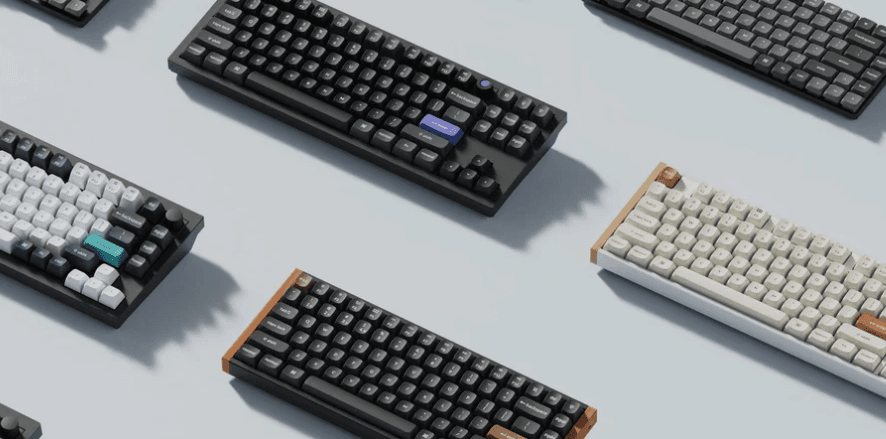
Once upon a time, peripherals such as keyboards and mice were merely auxiliary tools that just needed to work for users. However, with the development of technology, people’s requirements for them are no longer what they used to be.
On one hand, office scenarios are upgrading. With the rise of remote work and co-working, users’ needs for silent, wireless, and portable devices are growing; on the other hand, personalized demands are exploding. With the trend of customization, people are beginning to pursue unique appearances, tactile feel, and functional customization.
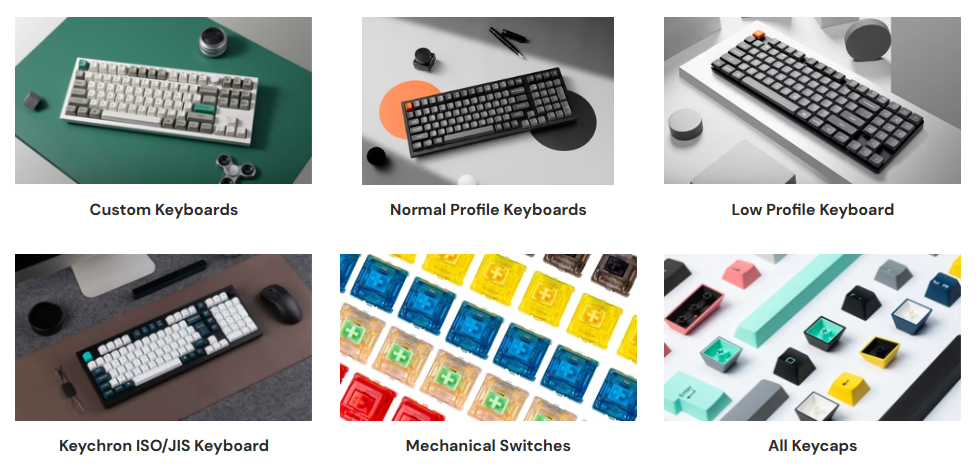
Image source:Keychron
More importantly, the pain points of Mac users have existed for a long time. In the early days, mechanical keyboards compatible with Mac were extremely rare. Many sellers saw this huge industry gap and entered the market, eventually growing into major players in the industry.
The brand we are talking about today, Keychron, is a typical case that rose up under this trend.
Next, let’s take a look at how this once little-known domestic brand managed to make its overseas business flourish, achieving over 340 million RMB in sales in its 4th year of Tuke, becoming a dark horse in the industry.
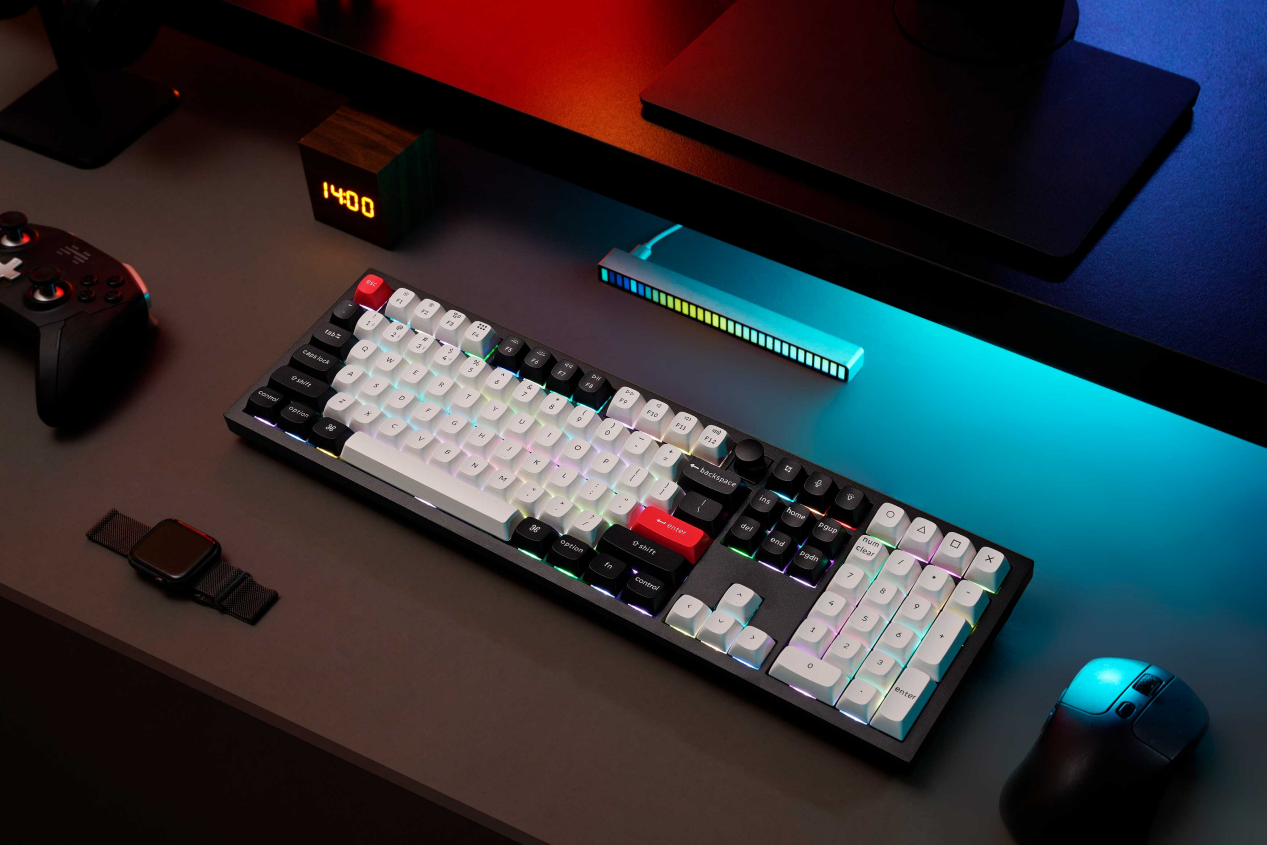
Image source:Google
Birth of the Brand: The Geek Journey of Three Programmers
The story of Keychron begins with the troubles of three “code farmers”.
According to public information, the three founders of the brand, Will, Sven, and Fab, are all senior programmers and keyboard enthusiasts.
As loyal fans of MacOS, they discovered a market pain point: at that time, mechanical keyboards compatible with Mac were either expensive or had poor user experience, and most products were still geared towards Windows systems.
So, these tech geeks decided to do it themselves and create a truly high-performance mechanical keyboard for Mac.
With Will’s ten years of keyboard manufacturing experience, Sven’s eleven years of industrial design skills, and Fab’s expertise in sales and crowdfunding strategies, the Keychron brand was born.
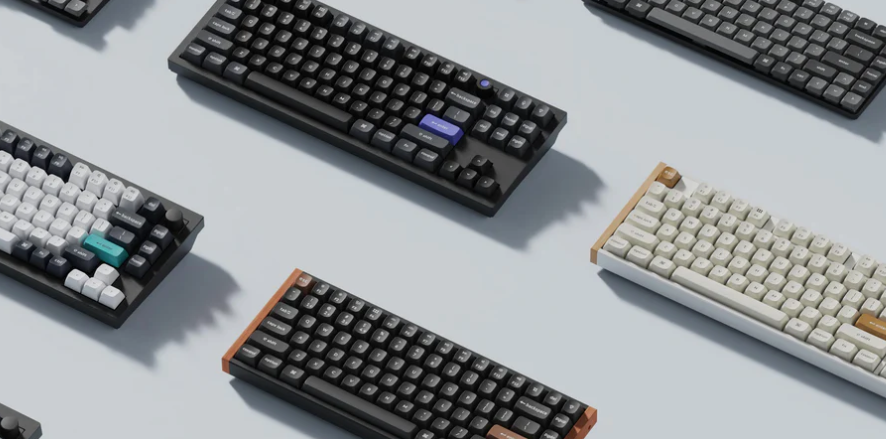
Image source:Keychron
Crowdfunding Breakthrough: Instant Hit in Overseas Market
In 2017, the Keychron brand launched its first Mac mechanical keyboard on the crowdfunding platform Kickstarter.
With an original goal of only $10,000, it eventually attracted 4,000 backers and raised over $300,000, achieving a completion rate of 3,200%!
With Mac native mapping, Command/Option key compatibility, and high cost performance, Keychron quickly made a name for itself overseas.
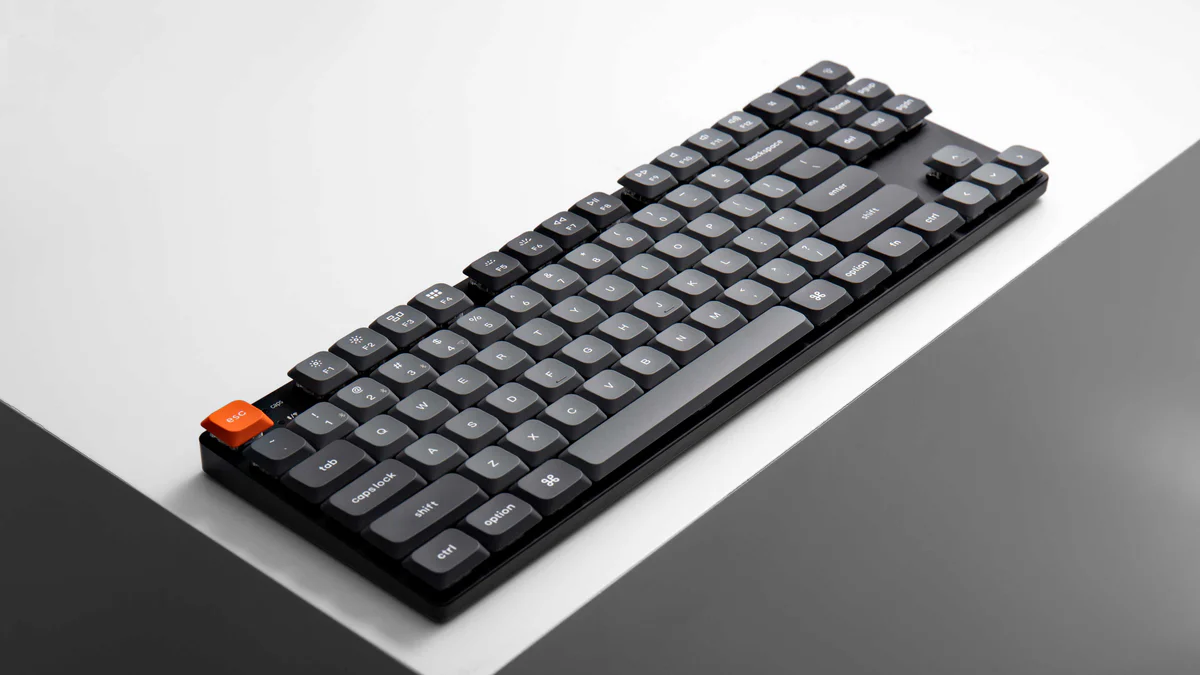
Image source:Google
Subsequently, from 2018 to 2020, the team devoted themselves full-time and entered a period of rapid development. The product line expanded from 60% compact layouts to full-size, while strengthening office features such as wireless multi-device connectivity and long battery life, successfully accumulating core users and reputation.
In 2021, the brand began to move upmarket. By launching the world’s first all-metal mass-produced customizable keyboard, supporting hot-swapping and custom layouts, Keychron successfully entered the customization track and further elevated its brand image.
In2022, just four years after crowdfunding Tuke,Keychron’s estimated sales had reached $50 million (over 340 million RMB), making it a strong dark horse in this niche category.(Data source: Brand Ark)
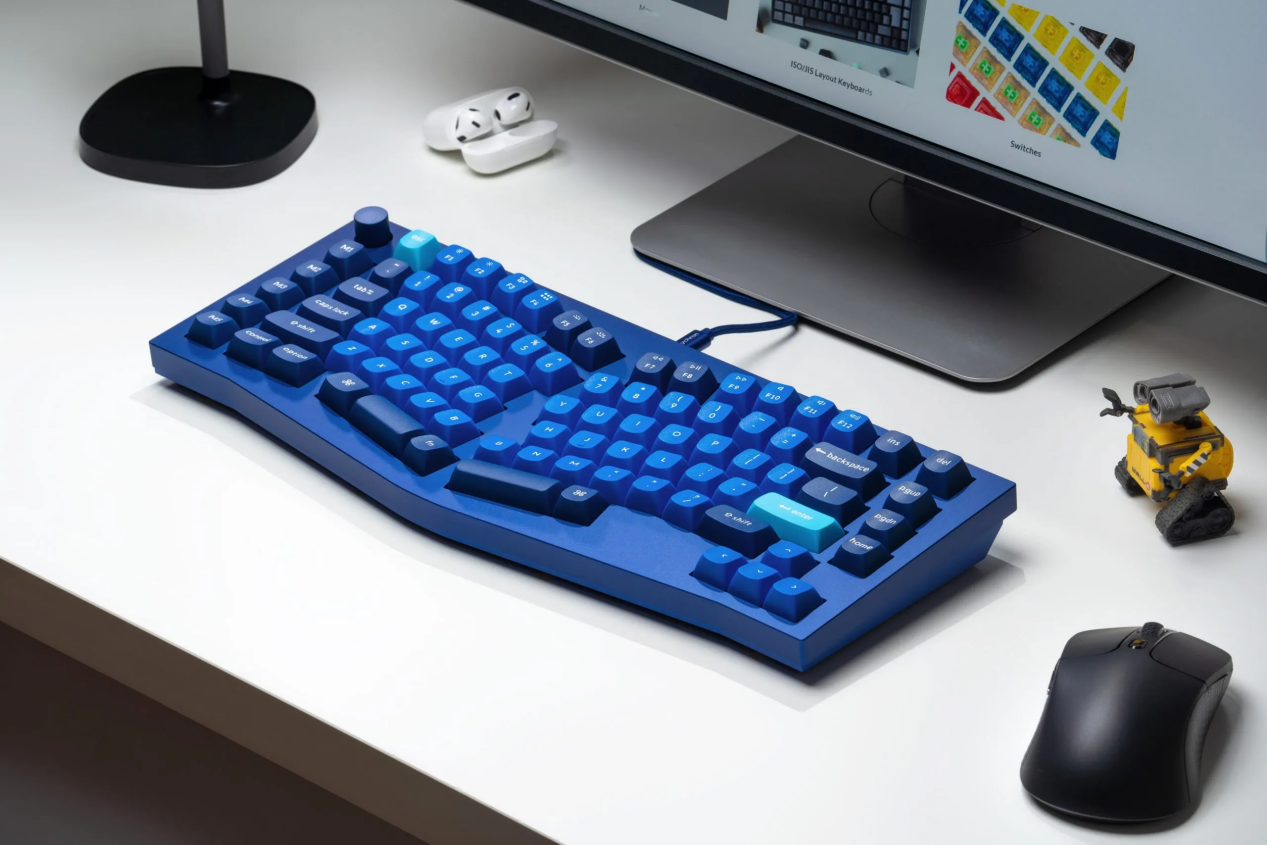
Image source:Google
Of course, product strength is just the ticket to entry. To truly gain a foothold in the overseas market, a keen sense of timing and strong communication power are also indispensable.
Industry Trend: Seizing the Growth Dividend of the Mechanical Keyboard Market
The rise of the Keychron brand happened to coincide with the boom of the mechanical keyboard market.
According to the mechanical keyboard market analysis by Mordor Intelligence:The global mechanical keyboard market has been growing year by year since 2018, with a valuation of $2.53 billion in 2025, and is expected to reach $3.97 billion by 2030, with a compound annual growth rate of 5.27%.
Such strong growth momentum not only provides incremental space for industry giants, but also creates an excellent breakout opportunity for emerging brands like Keychron.
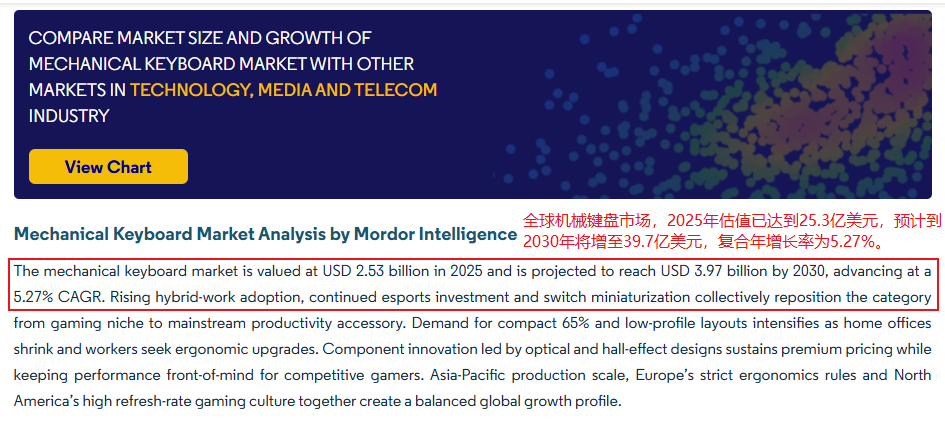
Image source:Mordor Intelligence
Social Media Marketing: Leveraging Creative Content to Drive Global Traffic
In addition, don’t underestimate the boosting effect of social media platforms when selling products.
For many overseas consumers, peripherals are experiential products. When they can’t try them out in person, they are used to making decisions by watching others’ reviews and experiences.
The Keychron brand also seized on this psychology and actively deployed on popular social media platforms such as TikTok. By leveraging the communication power of the platform, more people saw the products, attracting consumers from different circles.
On TikTok, Keychron’s influencer collaboration strategy is quite interesting. They found influencers from different fields, and each video had its own unique approach.
Play 1: Attracting Attention with “Big”
Keychron collaborated with the parent-child account @dannyandaly, which has 1 million followers, to release a video that is different from regular introduction or trial videos.
The video uses the creative angle of encountering a giant keyboard in a mall, and through exaggerated visual impact and the interactive copy “We need this.”, it garnered 2 million views and 203,100 likes within 2 months of release.
This kind of viral video content greatly helps lower users’ psychological defenses and achieves wide brand exposure.
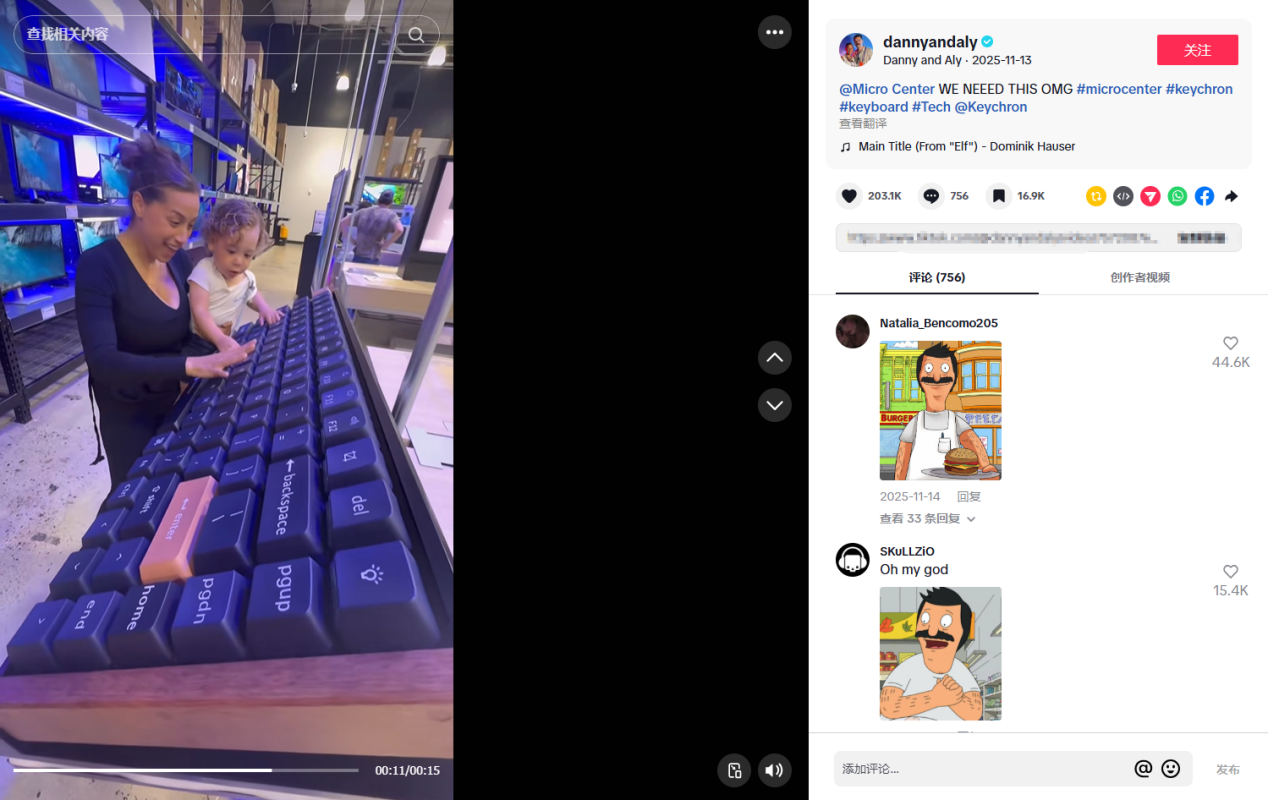
Image source:TikTok
Play 2: Retaining Users with “Sound”
Nowadays, ASMR sound videos are very popular among young people, and many use such videos to help them sleep or relieve stress.
To follow the trend of ASMR for sleep and stress relief and reach more consumers, Keychron also collaborated with TikTok office daily sharing influencer @bebe.bpm, using the unique mechanical switch sounds of Keychron’s mechanical keyboards to attract users to stay.
So far, this promotional video has had 542,100 views and 31,600 likes.
In the comments section, users actively asked about the model and experience, and the influencer’s positive replies directly shortened the conversion path, also verifying the marketing logic that content is advertising.
In summary, this is the cleverness of Keychron’s social media promotion: using humor to attract traffic and using experience to drive transactions.
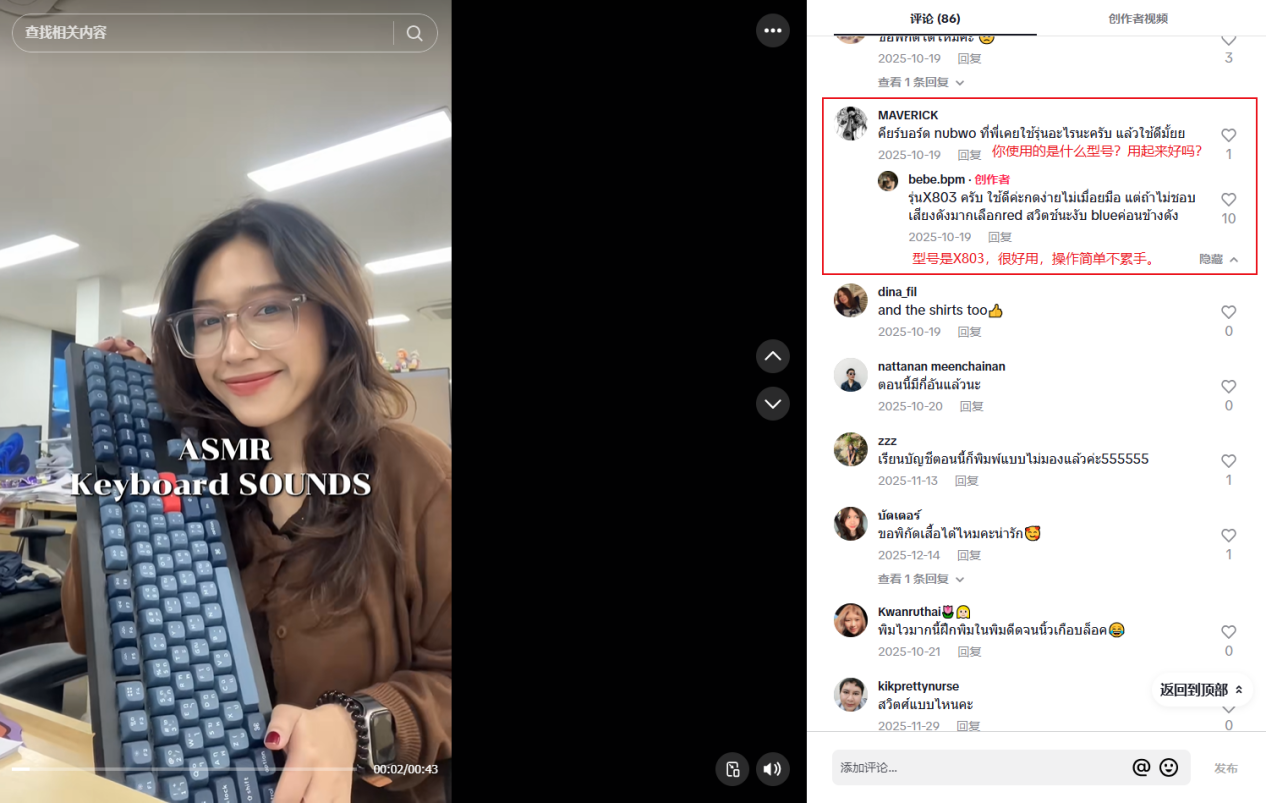
Image source:TikTok
Conclusion: Insights on Finding a Blue Ocean in the 3C Red Ocean
The success of the Keychron brand proves that even in the fiercely competitive 3C field, emerging brands can still find incremental space in overseas markets.
As long as you accurately identify pain points, persist in differentiated innovation, and make good use of social media channels, breaking through is not difficult.
Looking at the present, the global mechanical keyboard market is still on the rise. Customization, wireless, and cross-platform compatibility have become irreversible trends, and now is still a golden window to enter the market.
For domestic companies, the core is to find the right niche track for themselves. Only by deeply integrating product strength and marketing strength, and delving deeply into vertical fields, can you carve out your own blue ocean in this red ocean.