 3455
3455Many brands choose to expand Tuke, usually after establishing a firm foothold and accumulating a certain amount of experience in the domestic market. Only when they see the huge potential of overseas markets do they decide to expand outward, making their business bigger and more profitable.
However, there are also many brands that take the completely opposite path:First Tuke, develop the business in overseas markets, then use the profits to support product R&D and brand power, and finally enter China in reverse, forming a business closed loop ofglobal validation→China implementation.
Of course, this model is not suitable for all brands. Ultimately, it is necessary to analyze the specific industry and track.
Take the lighting market as an example. Domestically, it has long been dominated by giants such as Opple, NVC, and Xiaomi, with price wars becoming increasingly fierce, making it difficult for new brands to break through. In contrast, the European and American markets contain huge growth opportunities.
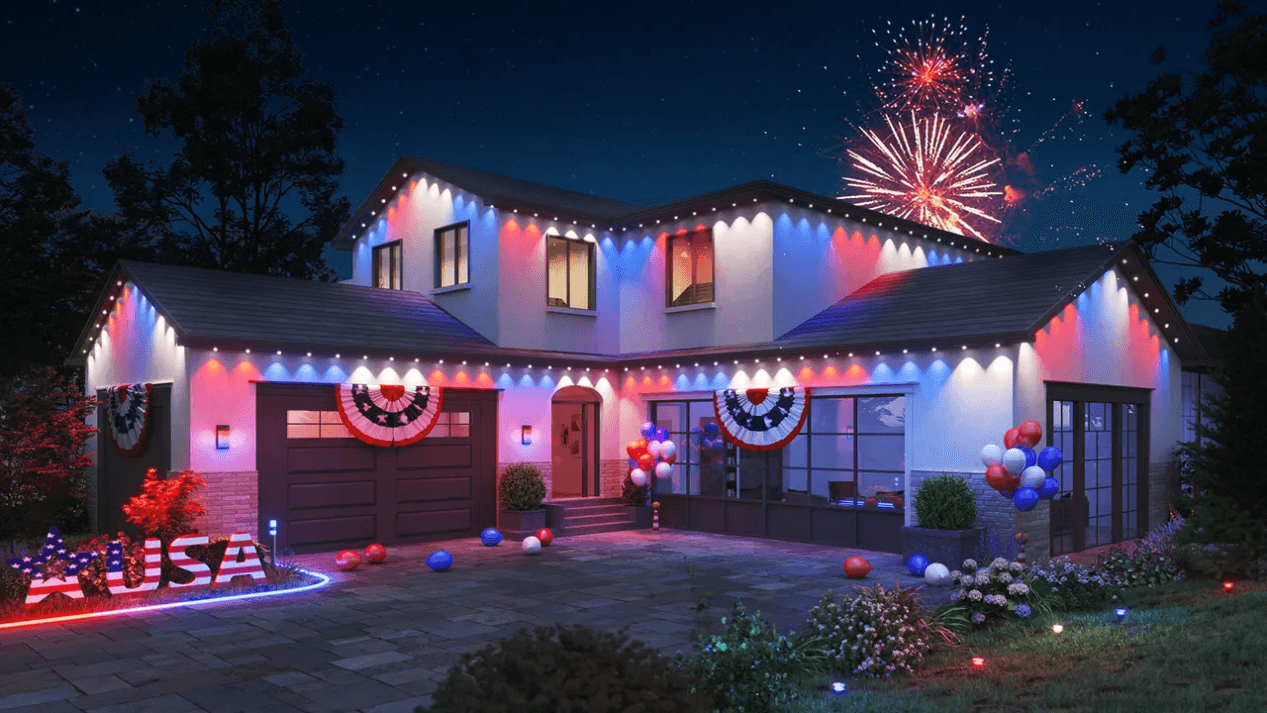
On one hand, European and American households have rapidly growing scenario-based needs for game rooms, home theaters, holiday atmospheres, and outdoor courtyards, with significant market gaps.
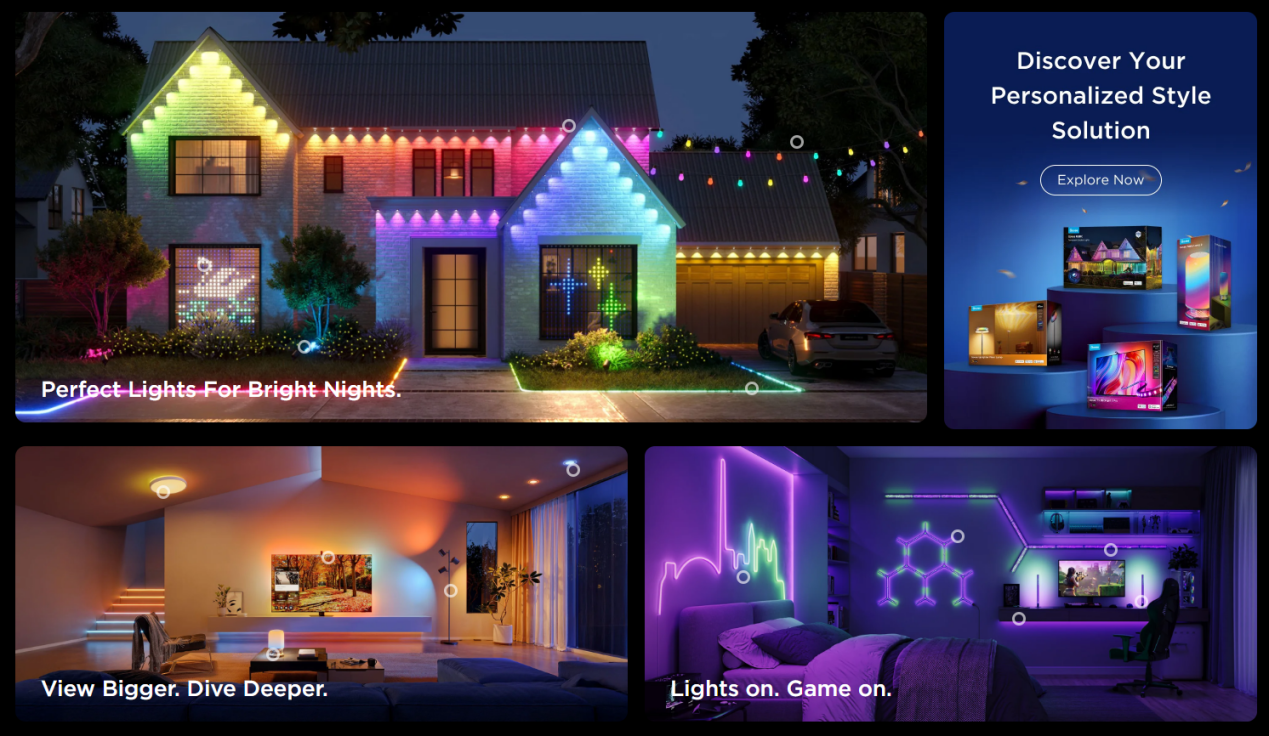
Image source:Govee
On the other hand, the mature DIY and home decoration culture in Europe and America makes local users enthusiastic about space transformation, with rigid needs for creating festive atmospheres such as Christmas and Halloween, as well as home party setups. They are willing to pay a premium for ambiance and experience, which directly drives the rapid growth of the smart lighting segment.
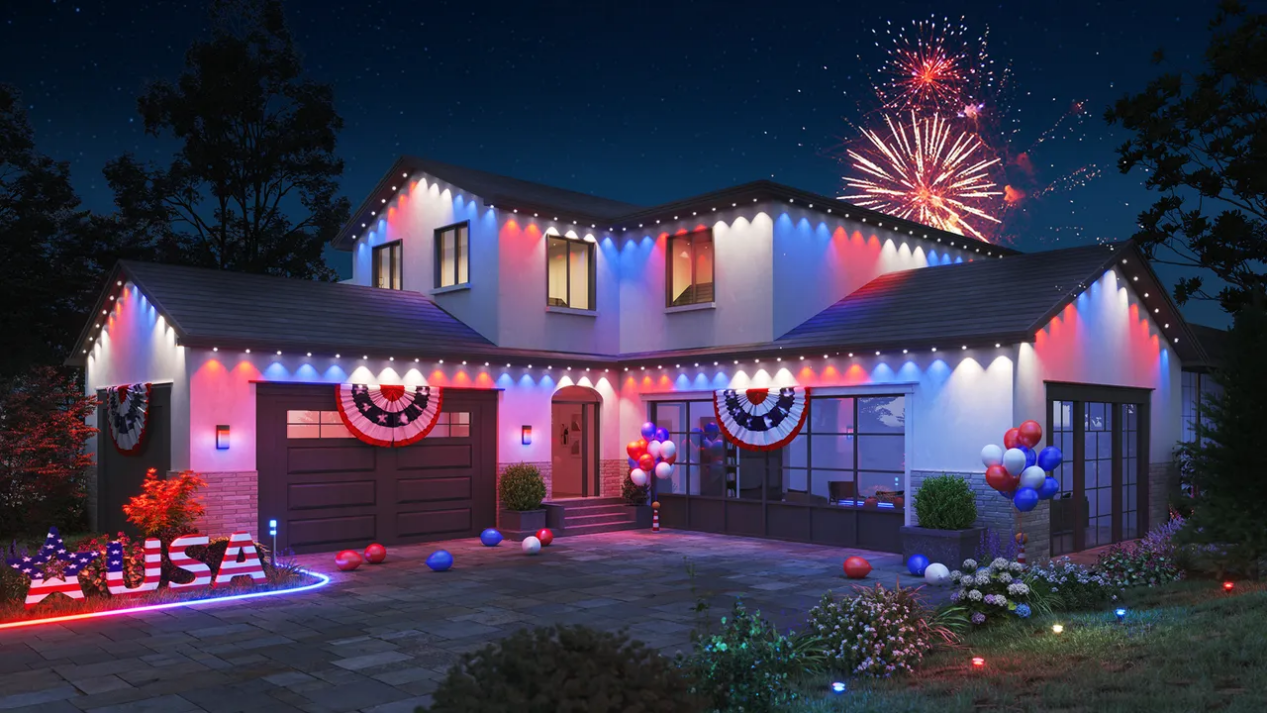
Image source:Google
Statistics from Precedence Research also confirm this trend:
In2024,the global smart lighting marketwas valued atUSD22.45 billion, and it is expectedto reach2034,it willexceedUSD 165.89 billion, with a compound annual growth rate of up to 22.14% over these years.
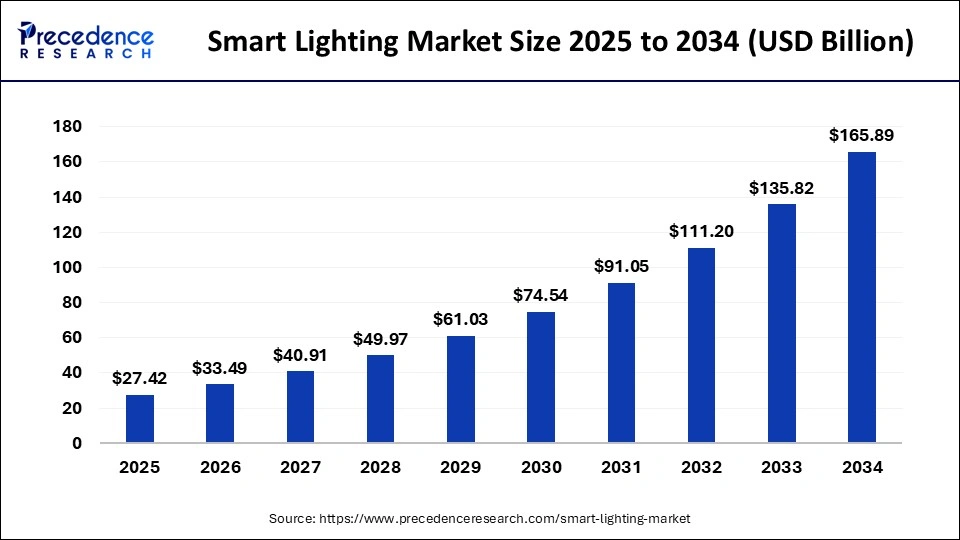
Image source:Precedence Research
Facing this high-growth overseas and difficult-to-enter domestic premium track, a smart lighting brand from Shenzhen chose a reverse Tuke and single-point breakthrough, forging a unique path of overseas first, domestic later.
That brand isGovee.
Starting from Amazon US as the launch pad, Tuke avoided the domestic red ocean, and has become a cross-border dark horse with annual revenue exceeding 4 billion yuan. How did it achieve this?
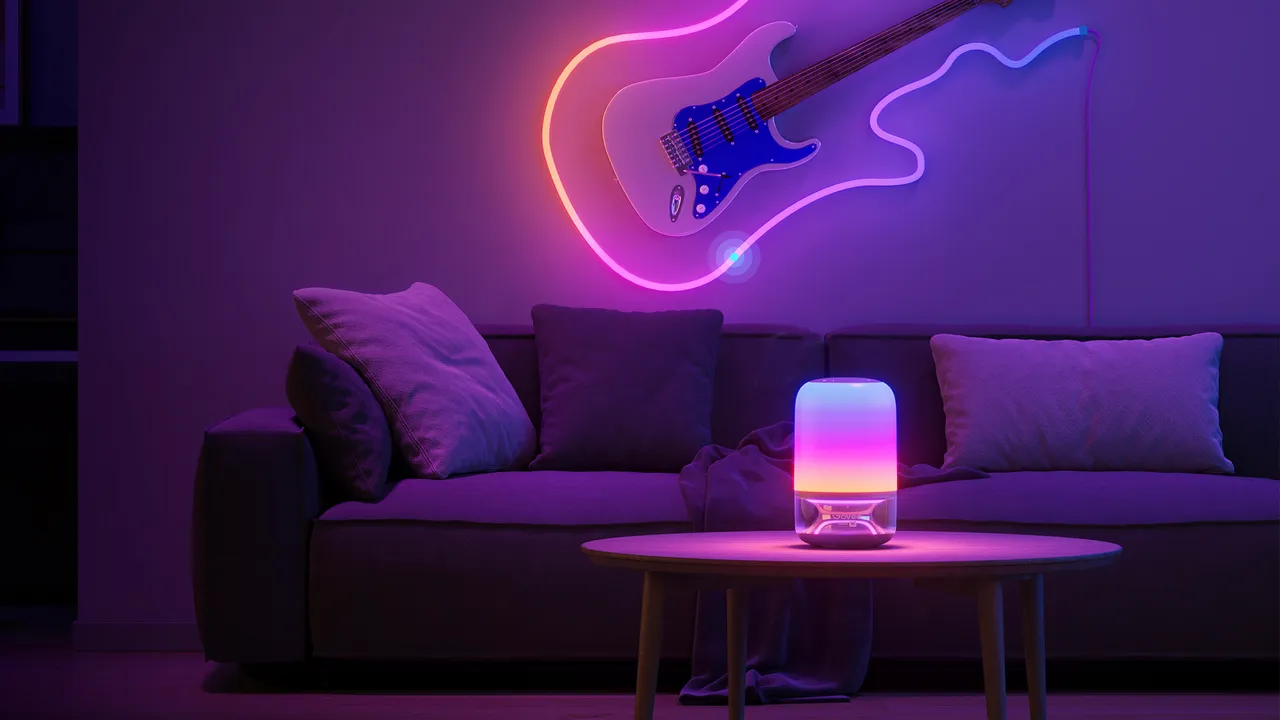
Image source:Google
First Tuke, then return to China: a path of reverse breakthrough entrepreneurship
According to public information,Govee is a smart ambient lighting brand founded in Shenzhen by Mr. Wu, former CTO of Anker Innovations.
In 2017, Mr. Wu left Anker Innovations,founded Zhiyan Technology in Shenzhen, officially launched the Govee brand, and directly used Amazon US as the first launch platform, subsequently expanding to more than 10 sites in North America, Europe, Japan, and others.
In terms of product positioning,Govee took a differentiated route. Instead of traditional basic lighting, it focused on emotional and atmospheric scenarios, upgrading lighting from a tool to a carrier for emotional expression and scene creation.
Image source:Google
Relying on the founder's technical and supply chain experience accumulated at Anker Innovations,Govee built a team with 70% R&D personnel, focusing deeply on lighting control algorithms and IoT connectivity technology.
In 2018, Govee launched its first music RGB light strip, which, thanks to its self-developed algorithm, achieved real-time synchronization with music rhythm and 16 million color changes. It became a phenomenal hit upon launch.
In 2019, the brand's revenue exceeded 422 million yuan, with multiple products topping Amazon's lighting category Best Seller list, gradually accumulating a large number of loyal users overseas.
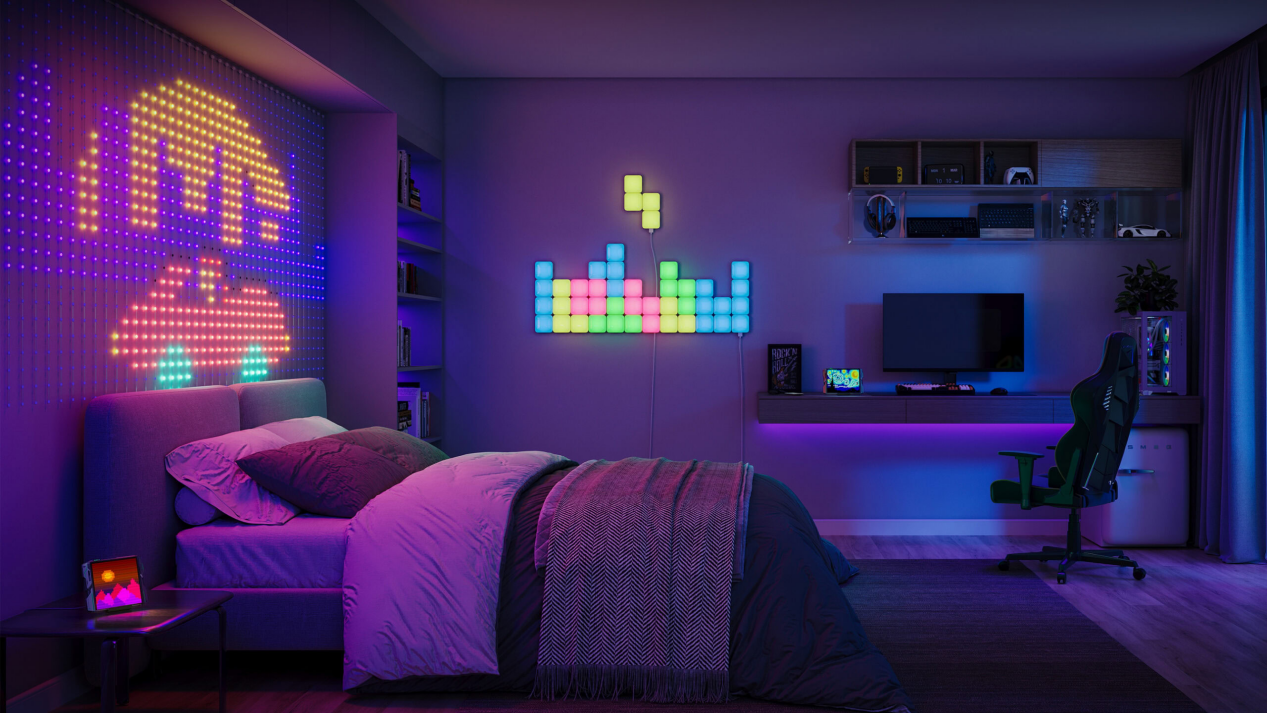
Image source:Google
Starting in 2020, Govee officially entered a period of explosive growth, with annual revenue soaring to 1.4 billion yuan and receiving investment from institutions such as Jiupai Capital and Cowin Capital.
In the following2 years, the brand fully promoted channel expansion,successively entering e-commerce platforms such as Walmart,Target, eBay, further broadening traffic channels beyond Amazon.
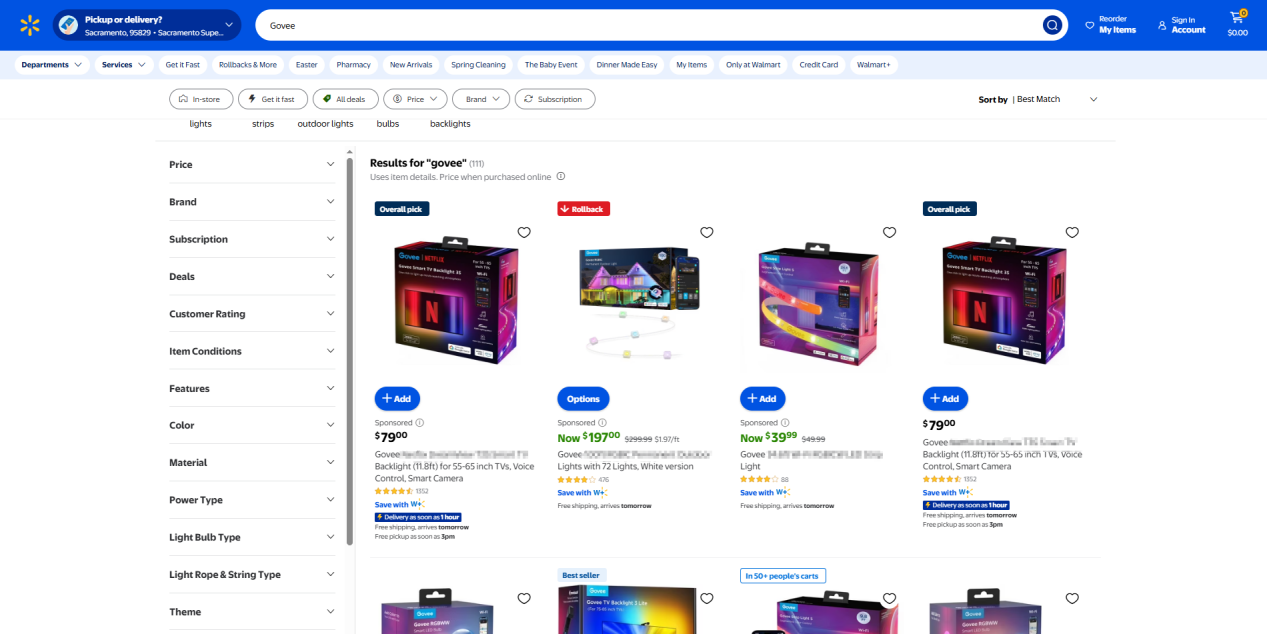
Image source: Walmart
By2023, Govee began to vigorously develop offline channels, successfully enteringThe Home Depot, Lowe's, and Best Buy, top home, appliance, and building materials chains in North America, as well asEuropeanelectronics retailers such as MediaMarkt and Saturn, achieving annual revenue of over3 billion yuan in the same year.
Starting in 2024, the brand gradually entered the stage of scaling up and reverse return,with annual revenue exceeding 4 billion yuan for2 consecutive years. In 2025, it returned to the Chinese market under the Chinese name Goveelife Guwei Smart,and simultaneously launchedIPO counseling.
Today,Govee's overseas business covers more than 80 countries and regions worldwide, with core markets including North America, Europe, Japan, Australia, New Zealand, and others.
The brand's ownApp Govee Home has accumulated over 30 million downloads and more than 14 million registered users, making it the undisputed cross-border dark horse in the smart ambient light strip segment.
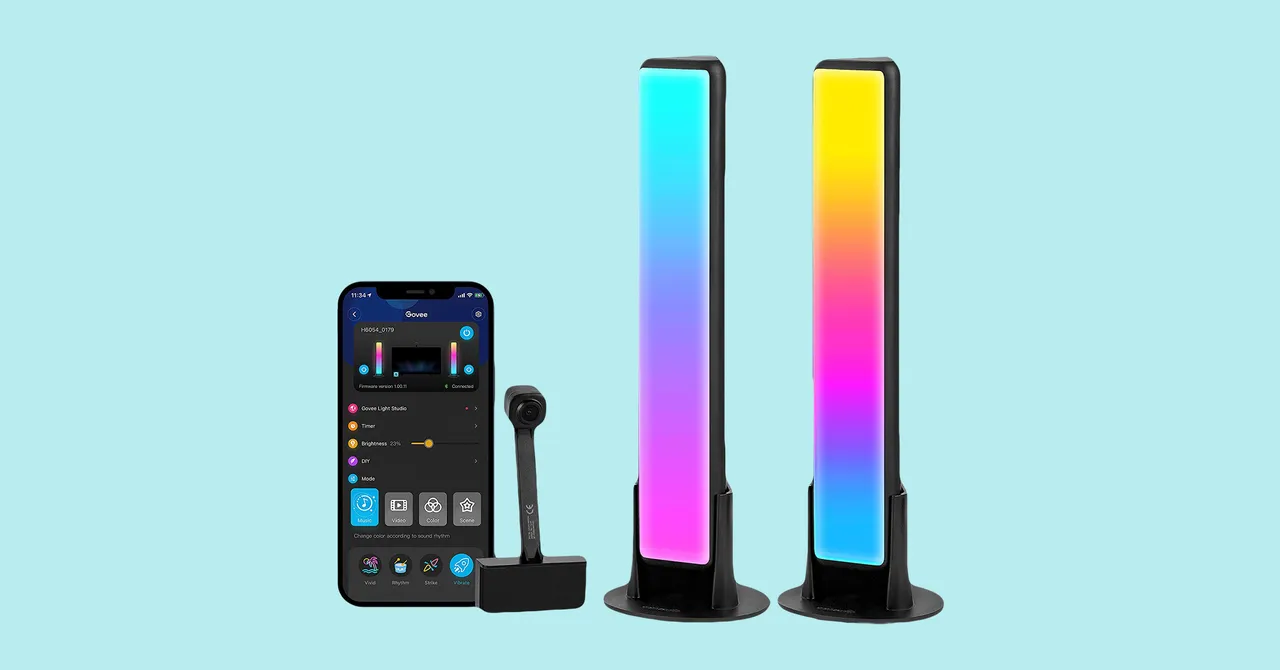
Image source:Google
Not just selling on e-commerce platforms, but also “planting grass” on social media
Of course, for a brand to stand firm and continue to sell well overseas, relying solely on online and offline channel layout is far from enough. Marketing and brand awareness are also key.
To this end,the Govee brand has established a presence on mainstream overseas social media such as TikTok, continuously creating content and scenario-based communication to reach young overseas consumers, efficiently converting social media traffic into real sales, and forming a complete closed loop of traffic—planting grass—conversion.
OnTikTok, Govee first established its own brand account @govee.official, which has now accumulated 383,500 followers and 1.5 million likes.
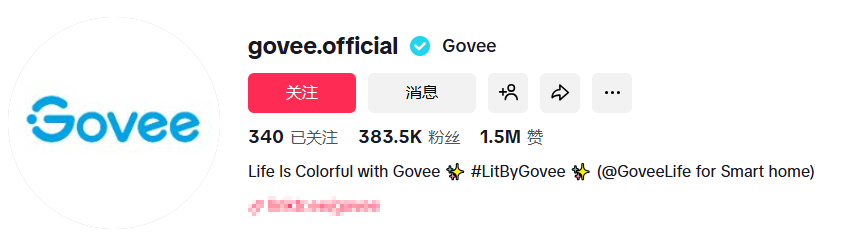
Image source:TikTok
To accurately reach different audiences, all content on this account is created around the real-life scenarios of overseas users, coveringliving rooms, studies, game rooms, staircases, home theaters, outdoor courtyardsand other high-frequency home scenes, with a strong sense of immersion.
The content forms are also rich and diverse, full of fun: there are before-and-after effect demonstrations that intuitively present the cool atmosphere after installing the light strips; there are also lighthearted and humorous family skits that allow users to naturally perceive the product's practicality and aesthetics while being entertained.
In addition, during major overseas holidays such as Christmas and Halloween, the account closely follows the trends and launches holiday-themed lighting content, further strengthening the sense of atmosphere and communication power, continuously attracting users' attention and interaction.
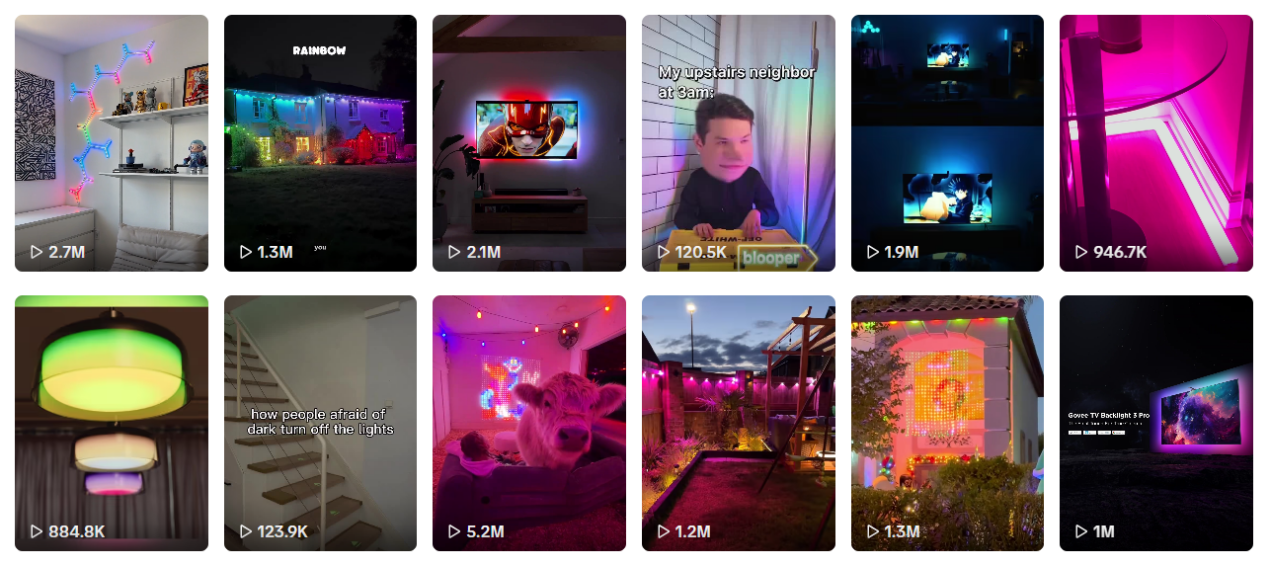
Image source:TikTok
In addition to content operations on its own account,theGoveebrandalsoplaces great importance oninfluencer marketing, collaborating withTikTokhome and tech influencersto showcase the product's strength through real-life scenario experiences, leveraging influencer impact to reach a wider overseas audience.
TikTok home-sharing influencer @thesetupking, with 39,900 followers, has had in-depth cooperation with the Govee brand, shooting multiple short videos promoting light strips.
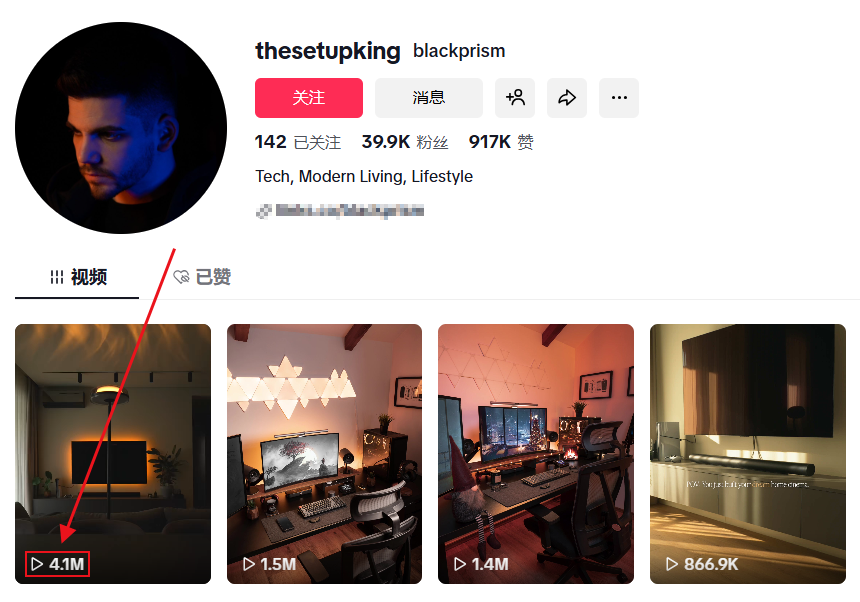
Image source:TikTok
Among them, the most outstanding videohas reached4.1 million views and 242,100 likes.
In the video, the influencer boughtGovee'sfloor lamp to decoratehisliving room,recordedthe entire process from unboxing toinstallation,and also filmed the night effect with the TV light strip,frankly stating in the caption that the product exceededhisexpectations.
After the video was posted, the comments sectionwas flooded withmany comments.Many potential users were convinced by the effect, exclaiming“This is awesome!”and existing users actively shared their experiences.
Facts have proven that such influencer content with real scenarios, native experiences, and strong “planting grass” effect is far more persuasive and convertible than hard ads, and can accurately hit the needs of overseas consumers.
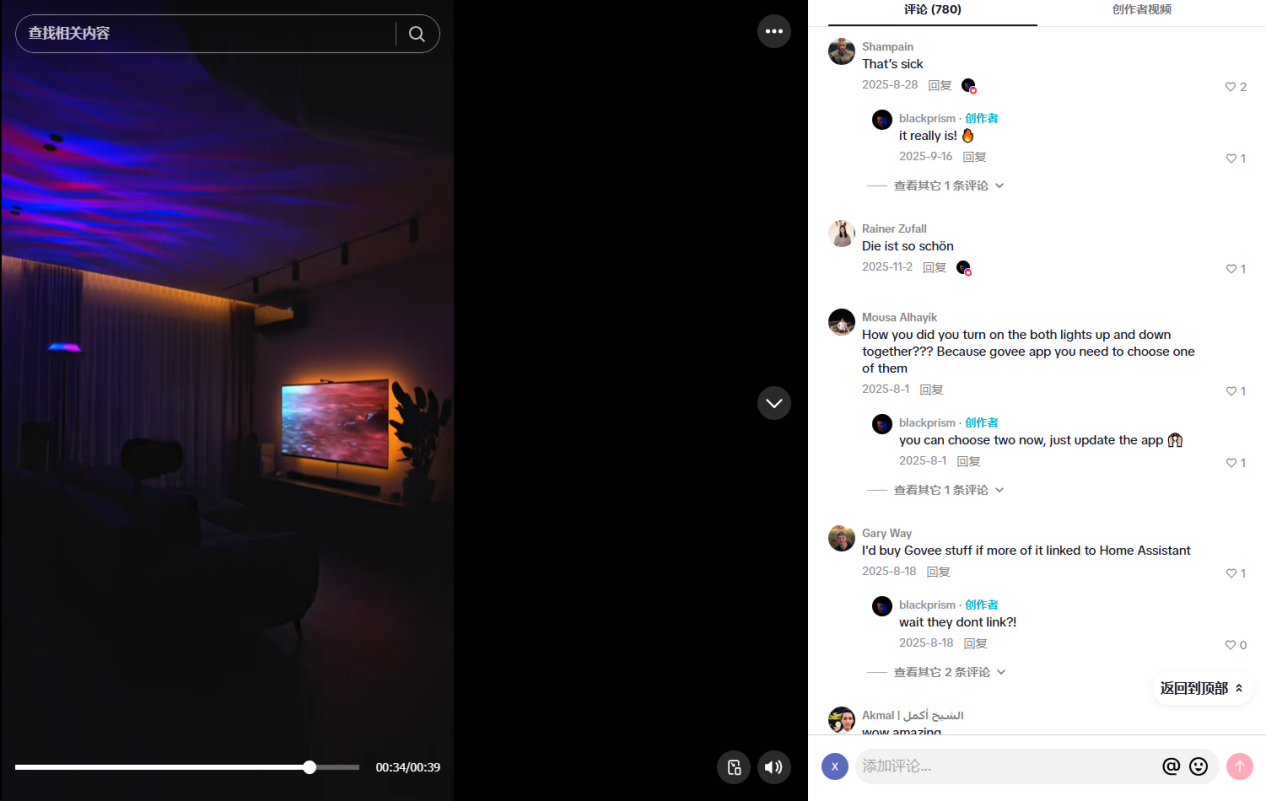
Image source:TikTok
Conclusion
Fromits humble beginnings in 2017, the Govee brand has, in just a few years, successfully taken a reverse path of overseas first, domestic later, proving the potential of the smart lighting track.
In the living rooms, courtyards, and game rooms of overseas consumers, Chinese lighting is illuminating more and more life scenarios.
At present, the global smart lighting market is in a period of rapid growth, with technological iteration and consumer demand resonating at the same frequency. Overseas users are willing to pay for ambiance, and social media platforms provide a natural window for product display.
For domestic companies, entering the market now is not blindly chasing a trend, but going with the flow.
Rather than getting stuck in the fiercely competitive red ocean, it is better to turn your attention to the broader overseas market. Opportunities have always been there—it just depends on who is willing to press the switch first.