 2167
2167
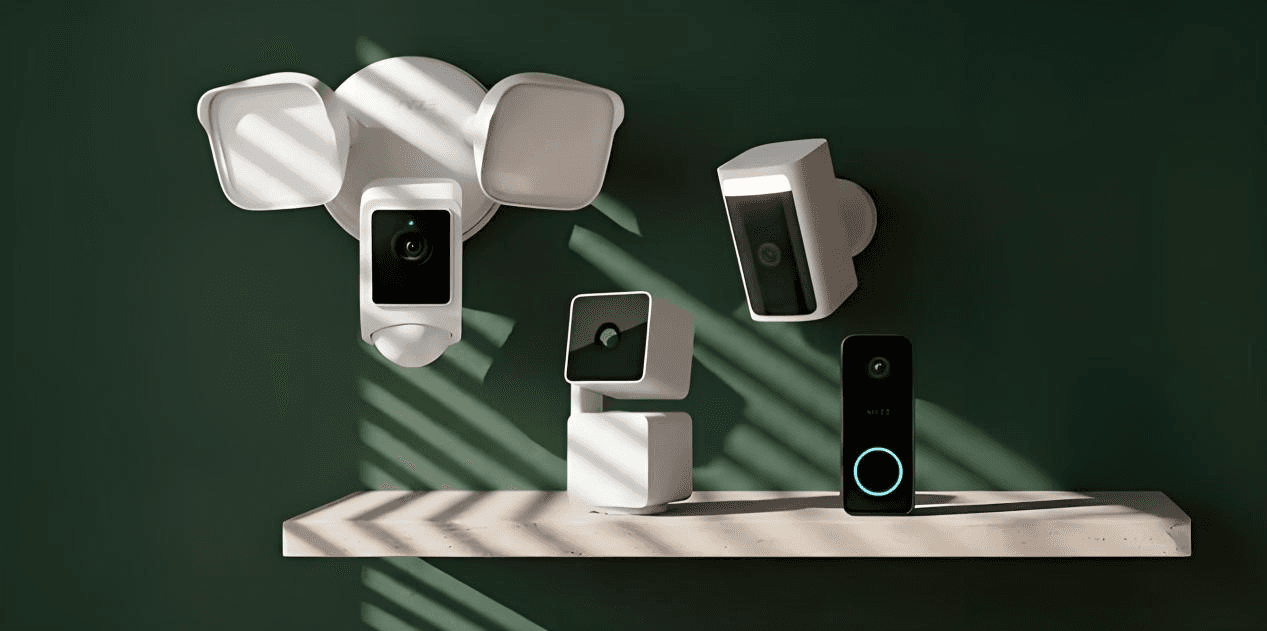
In the past, smart home was just a concept seen on TV, something novel and distant; but today, it has become an indispensable part of many people's lives. Especially in the field of security, from door locks to cameras, it is penetrating ordinary households at a visible speed.
And in this track where products often sell for hundreds of dollars, there is a brand that has made a mark with extremely low prices and high cost-performance products—Wyze.
According toECDB data, Wyze's annual sales in 2025 are expected to reach $209 million, with a growth rate between 15% and 20%. This achievement is quite impressive in the fiercely competitive North American smart home market.
Today, let's take a closer look at this brand.
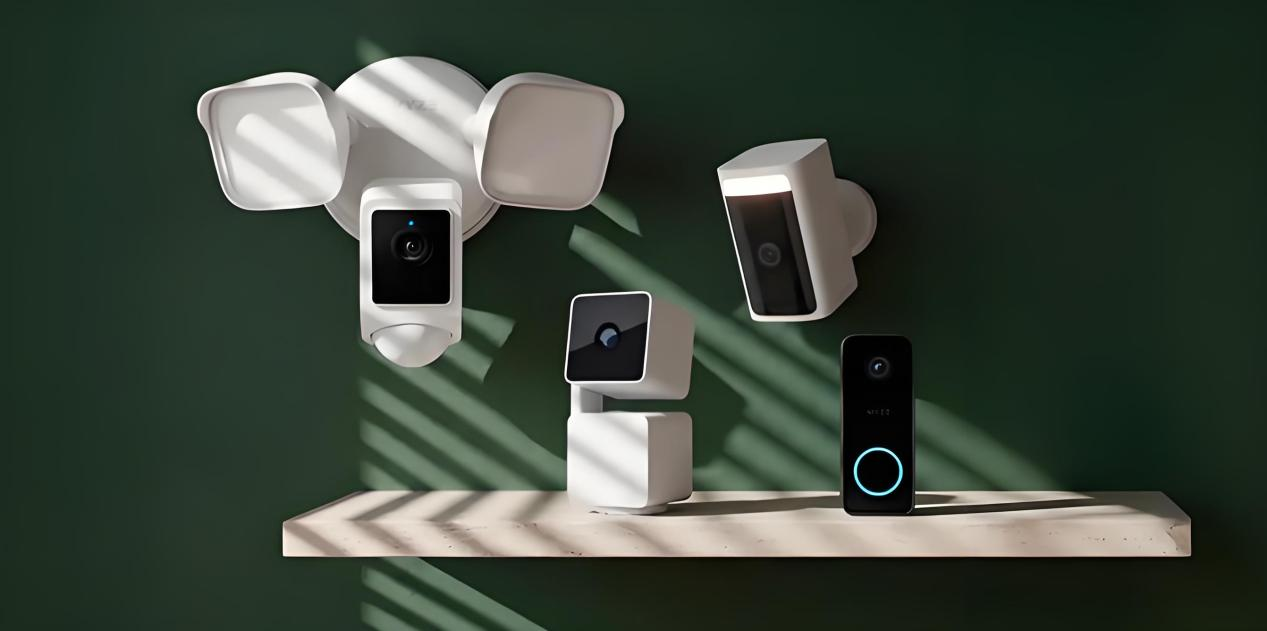
Image source:Wyze
The Popular Opportunity Found in the "Besieged City"
The story of Wyze starts with three former Amazon engineers.Threeformer Amazon engineers.
In 2017, Dave Crosby, Yun Zhang (Zhang Yun), and Dongsheng Song (Song Dongsheng) jointly founded Wyze in Seattle.
While working together at Amazon, the founders discovered a very contradictory phenomenon:The North American smart security camera market was firmly controlled by brands likeNest and Ring, with products of the same specifications selling for $199 and requiring a hefty subscription fee; while the low-priced white-label products on the market were cheap, their image quality was poor, privacy vulnerabilities were many, and the software experience was basically unusable.
The team did the math: cut out brand premiums, cut out channel middlemen, cut out high marketing costs, and use a mature supply chain to make the product—could smart security enter ordinary households? With this question, these Amazon engineers quit their jobs, and the Wyze brand was born.
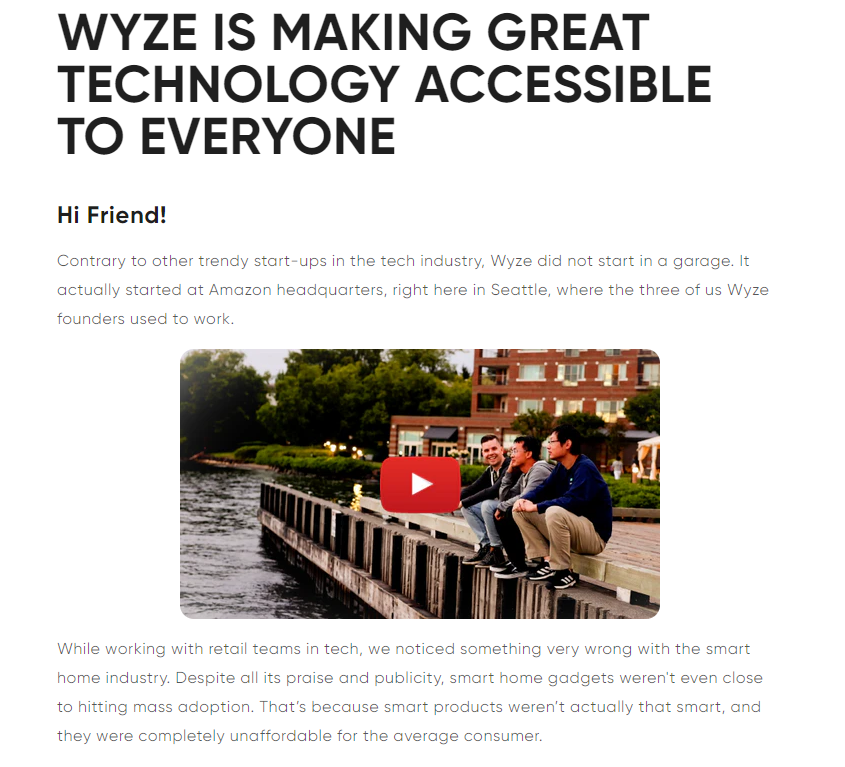
Image source:Wyze
What supported them in realizing this idea and breaking the market"besieged city" wastheir unique gene of "understanding North American users and Chinese supply chains"—founders Zhang Yun and Song Dongsheng are both Chinese, and the team established deep cooperation with domestic manufacturers early on, fully leveraging China's mature hardware manufacturing and supply chain system, precisely controlling costs and ensuring quality. This gene gave Wyze a hard-to-copy advantage from the very beginning.
In October 2017, Wyze's first product, Wyze Cam, was launched at a price of $19.99, while mainstream smart cameras on the market were priced above $100. This price difference directly broke through the industry's threshold. The result proved this direction was right—Wyze Cam sold over one million units within its first year.
The story continued step by step. In 2021, Wyze completed a $110 million Series B financing, global household users exceeded 10 million, and in the same year, Wyze joined TikTok to lay out social media content marketing.
Now Wyze's product line covers cameras, security sensors, lighting, energy management, home health devices, and more than 50 products, firmly occupying the first tier of North American mass smart home brands.
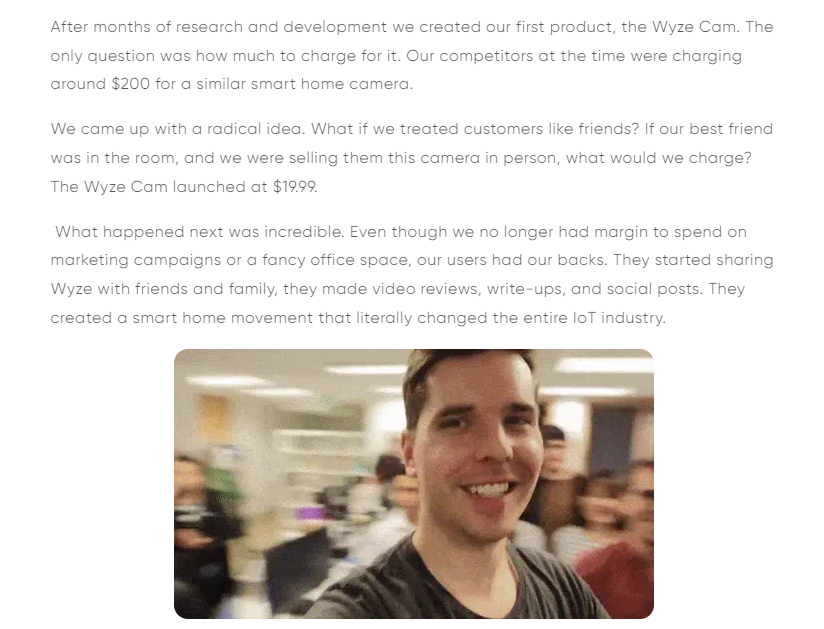
Image source:Wyze
Laying Channels in Every Place That Can Reach Users
Of course, having good products alone is far from enough. Wyze's foothold in the North American market owes much to its multi-channel layout.
The Wyze founding team’s experience at Amazon taught them how to leverage Amazon's traffic dividends, and they were also keenly aware not to rely too much on a single channel.
In practice, Amazon remains one of their most important sales battlegrounds, gathering a large number of mature users, and early pricing and review systems made products easier to stand out on price comparison platforms. At the same time, Wyze entered offline retail channels like The Home Depot early on, achieving online and offline linkage coverage.
On the social media marketing side, the brand also has its own approach, with TikTok marketing being the most noteworthy.
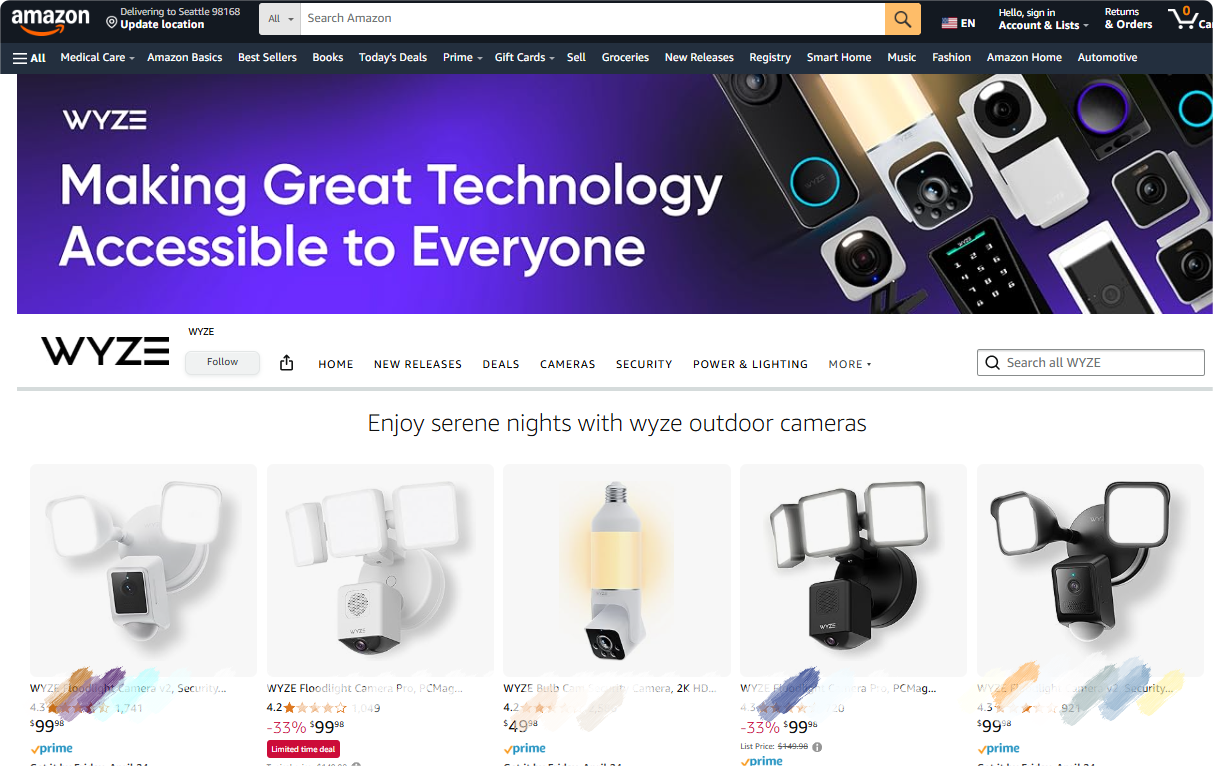
Image source:Amazon
01 TikTok: Turning "Security" into a Lifestyle
Generally, what do electronic products value most when publishing promotional videos?
Parameters? Performance? Normally, yes, butWyze clearly takes an unconventional approach.
Their content rarely revolves around resolution, night vision distance, or chip models, but instead focuses on specific life scenarios..
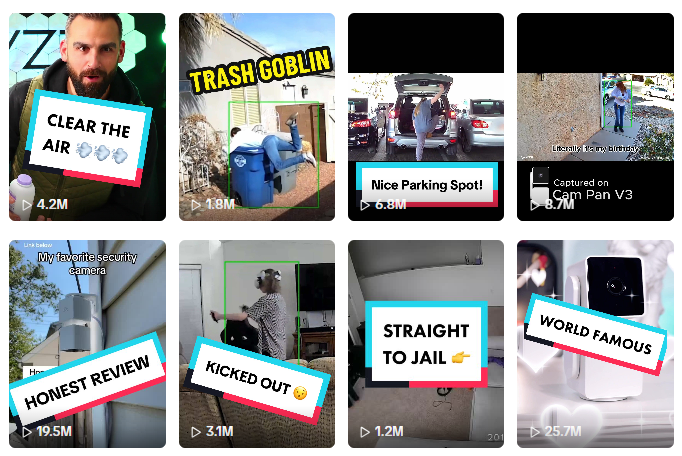
Image source:TikTok
These contents leverage people's innate"curiosity".
Because of curiosity, people are attracted by"content from other people's lives", thus staying and accumulating traffic for the video, which lays the foundation for subsequent conversions.
The logic is simple: to succeed onTikTok, a fast-paced short video platform, you need to be seen. With traffic and dissemination, everything else follows.
This is clearly visible onWyze's TikTok official account @Wyze.
For example, a "bad luck" video under surveillance they posted sparked huge discussion on TikTok, even reaching over 8.7 million views. In the video, a girl gets tangled in a balloon, triggering a series of unfortunate chain reactions, and finally vents her frustration on the balloon, looking both sad and funny.
All Wyze needs to do is mark the camera model below the video, and among the 8.7 million views, someone will search for it.
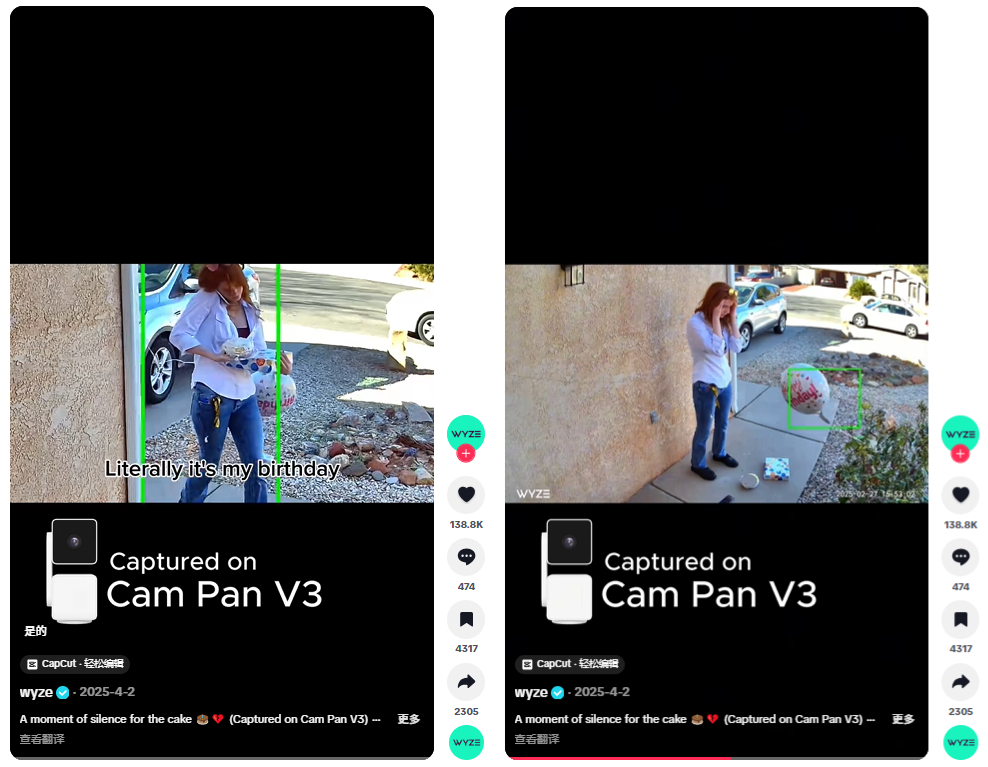
Image source:TikTok
There are many similar videos, such as encountering insurance fraud, fighting with the family dog, or not being able to get into the car because the neighboring car parked too close... There are everyday mishaps and security issues that everyone cares about, with views ranging from hundreds of thousands to millions.
The conversion effect is naturally impressive. According to data, the brand account@Wyze had a transaction amount of $173,100 in March, of which $86,200 was achieved through videos. This result is quite good among brands operating their own accounts.
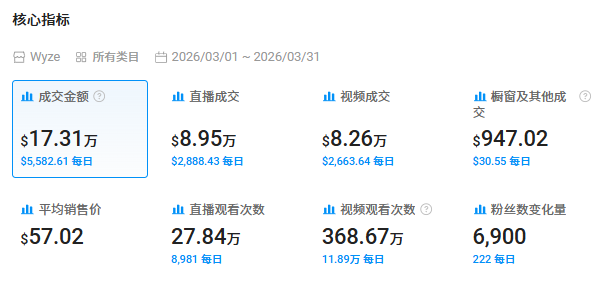
Image source:kalodata
Besides self-operation, there is influencer collaboration and promotion.
Taking March data as an example,Wyze's TikTok shop transaction amount was $899,500, of which affiliate influencers contributed $716,500, accounting for nearly 80% and dominating the entire sales process.
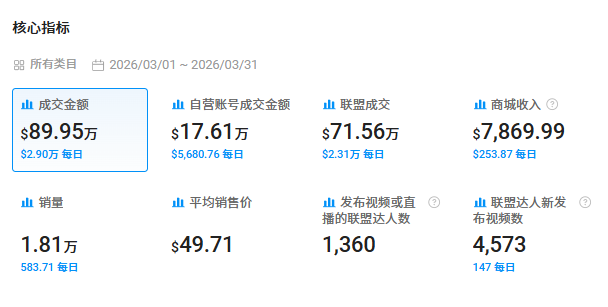
Image source:kalodata
In terms of influencer strategy,Wyze follows its usual style. They did not choose top streamers, but opted for small and medium influencers for continuous volume.
Looking at the fan distribution of the March TOP10 affiliate influencers, most are concentrated between 10,000 and 100,000, with a few between 200,000 and 400,000. The benefit of this structure is controllable single cooperation costs, while maintaining a high frequency of content updates and covering more niche scenarios and user circles.
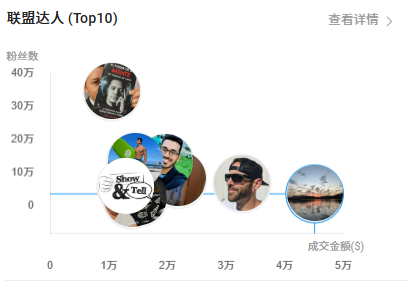
Image source:kalodata
TikTok influencer @sharp.ttshop is a great example. Although he only has 34,600 followers, his conversion effect is no less than those of top influencers.
For example, his bulb security camera recommendation video, from its first release last October to now, has received over 29.1 million views, with 1.96 million views added last month alone, driving $27,600 in sales growth. The data is impressive.
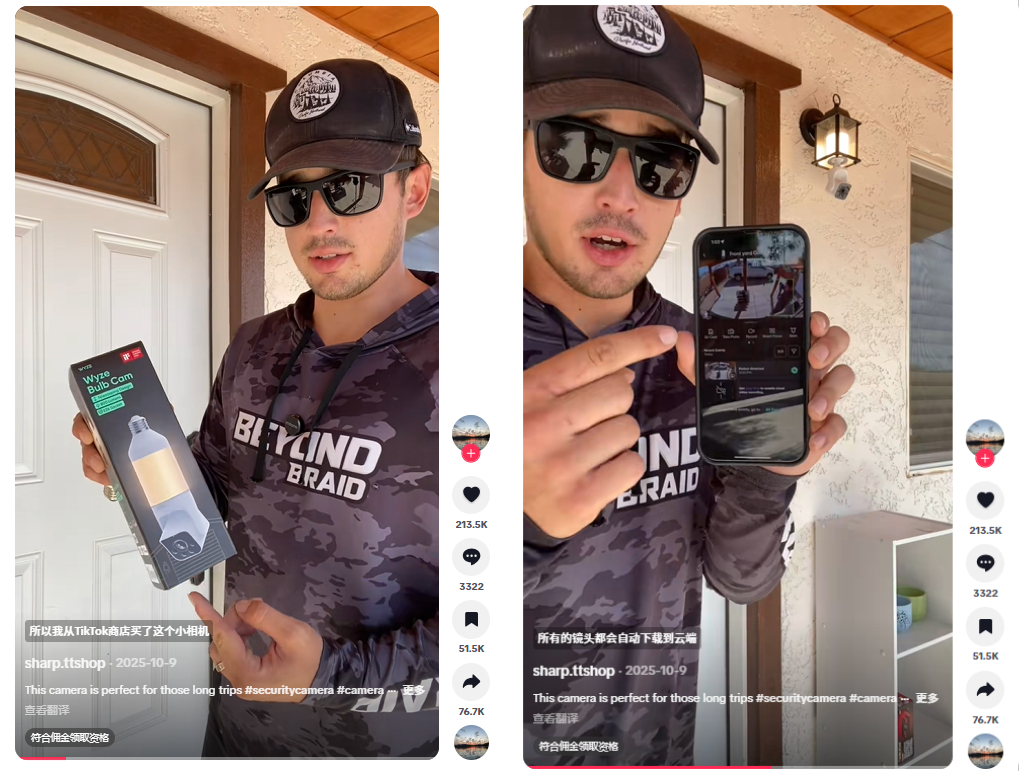
Image source:TikTok
02 Independent Site: Establishing the Brand's Own Position
Besides social media,Wyzebrandis also fully advancingD2C channel construction. Its independent site and app form the brand's own sales and service closed loop. The former undertakes brand display and conversion functions, while the latter directly connects devices and user scenarios.
According toSimilarweb data, Wyze's official websiteinMarchhad about6.75million visits, with US users accounting for nearly88%, and traffic mainly coming from direct access and search, accounting for over 90%.
This meansWyze has already formed a certain degree of brand awareness,users are not passively finding it through ads, but actively searching and directly visiting.
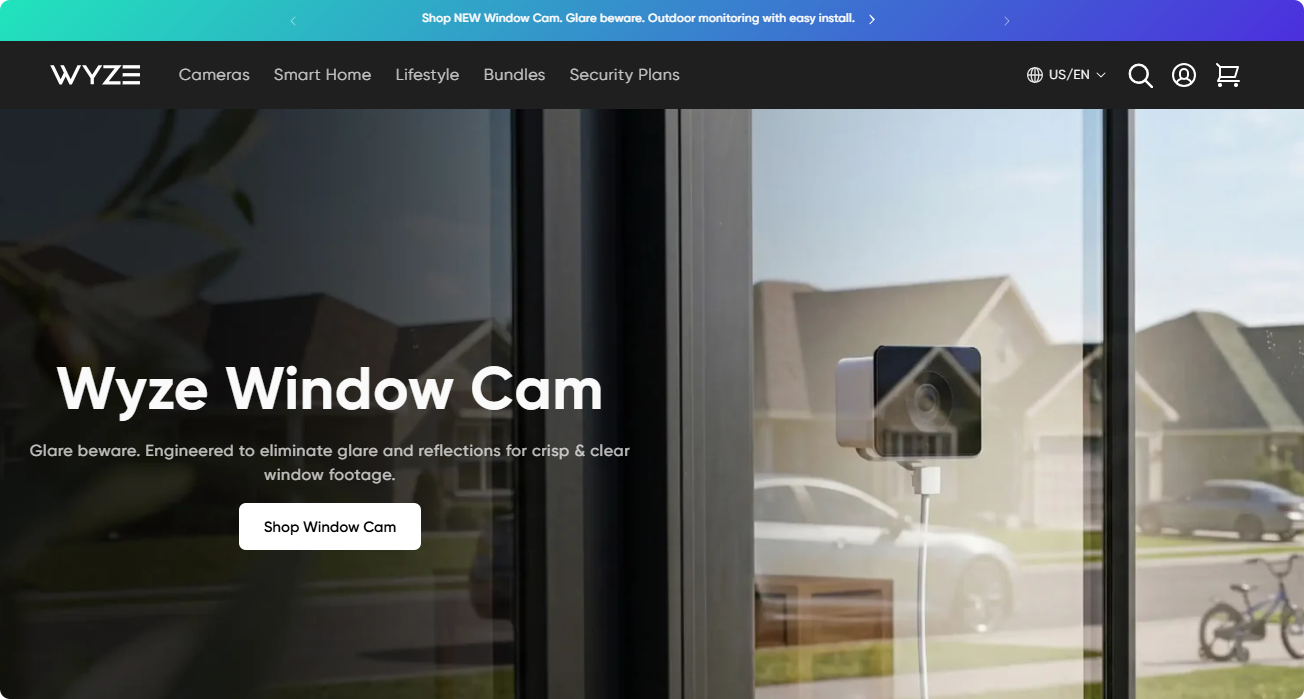
Image source:Wyze
It is worth mentioning thatAI search recommendations are becoming an unignorable new channel among Wyze's website traffic sources. Among referral traffic, chatgpt accounts for 36.18%, google for 22.32%, and the latter has a month-on-month growth of over 5000%.
Although referral traffic only accounts for2.46% of total website traffic, the diversion effect of AI tools is already evident and growing rapidly. For brands, this means that beyond traditional search engine optimization, "content discoverability" for AI dialogue models is becoming a new variable.
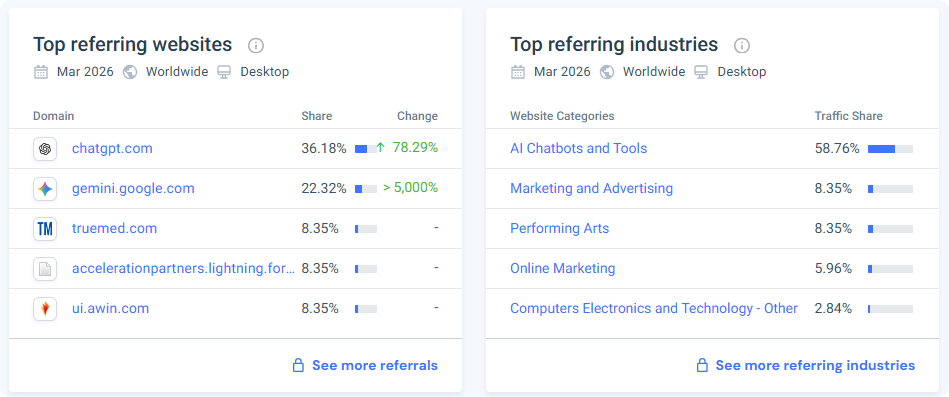
Image source:similarweb
Conclusion
Ultimately,Wyze's journey over a few years actually serves as a wake-up call for domestic companies: the overseas market is not short of opportunities, but lacks the patience to truly understand "what ordinary people need".
The current global consumer market, whether in smart home or other categories, is undergoing a rational return from"high premium brands" to "high cost-performance practical brands". This is not a temporary trend, but a structural shift.
For domestic companies with supply chains, product strength, and online strategies, now is precisely the stage with the lowest cost and clearest path to go global. Don't always focus on domestic competition; look up and see overseas, the market is big enough to accommodate countless brands that are serious about doing business.