
 2459
2459In today's society, pets are no longer just companions for humans, but have become a part of the family. Their happiness and health have gradually become the focus of people's attention. This change has given rise to a new economic sector—the "pet economy".
Pet food, supplies, health care, insurance, medical care, funeral services, social interaction, entertainment, and many other tracks have emerged one after another, continuously expanding the pet economy market, while more niche tracks are also being explored.
The smart pet-raising market is one of them.

Amidst the boom of the pet economy, the smart pet-raising market is expanding at an unprecedented speed, attracting the participation of many new and established players.
For example, domestic brands Tuke such as "Furbulous" and "Yaheetech" are among these new and old players. However, as the smart cat and dog products market becomes saturated, it is no longer easy to enter this track.
Therefore,the niche brand Birdfytook a different approach, usingthe smart bird feederas an innovative product to successfully break into this yet-to-be-fully-developed niche market, achievingmonthly sales of one million US dollarsand becoming a star product on Amazon BSR.
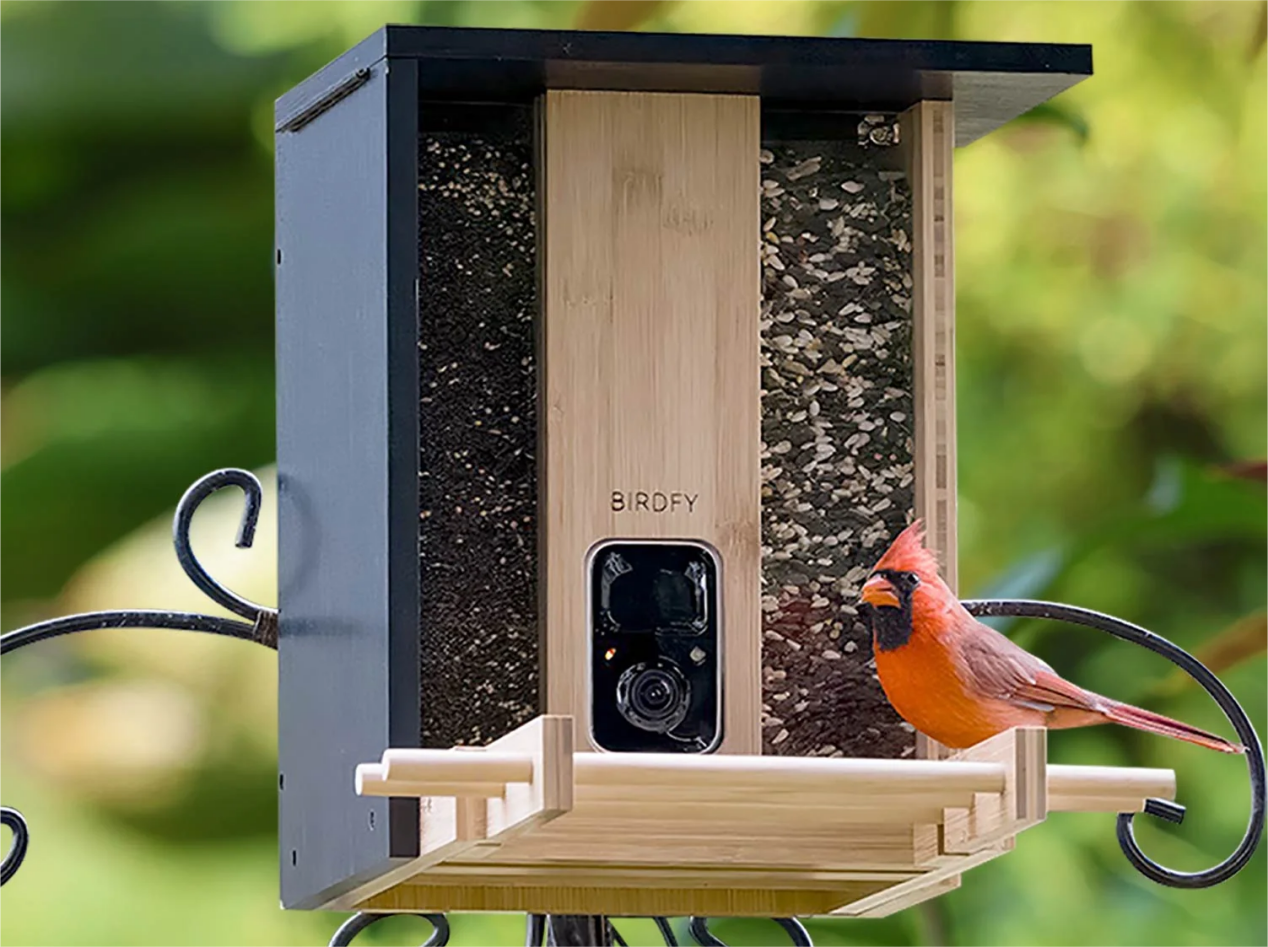
So, how did Birdfy stand out among many competitors, build its own brand ecosystem, and establish a strong influence on social media?
1. Exploring a unique market and innovative product positioning
The birth of Birdfy originated from its parent company Netvue's keen market insight.
Netvue, a company with deep experience in the smart home field, discovered that users of outdoor cameras shared unexpected bird footage on social media, which inspired them to develop a smart device specifically for birdwatching.
They found that although the wild bird product market is huge, most bird feeders on the market are simply designed and have single functions, unable to meet birdwatchers' needs for close observation and photography.
Thus, the Birdfy smart bird feeder was born, combining a smart camera with a feeder and using AI technology to identify birds in real time, providing birdwatchers with an unprecedented experience.
Video source: Birdfy official site
2. Leveraging social media marketing to build a brand ecosystem
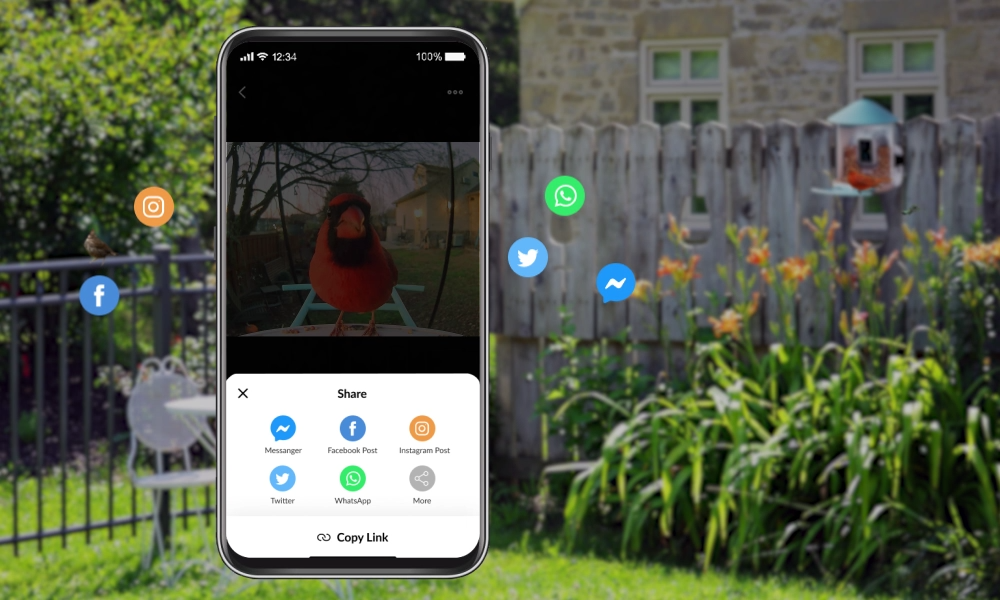
Birdfy knows well that to get customers to accept a high-priced new product, it must provide value beyond the product itself. Therefore, they not only innovate in hardware, but also developed a dedicated App in software. Users can receive real-time bird identification notifications through the App, learn bird information, and share it to social media with one click, enhancing users' sense of participation and belonging.
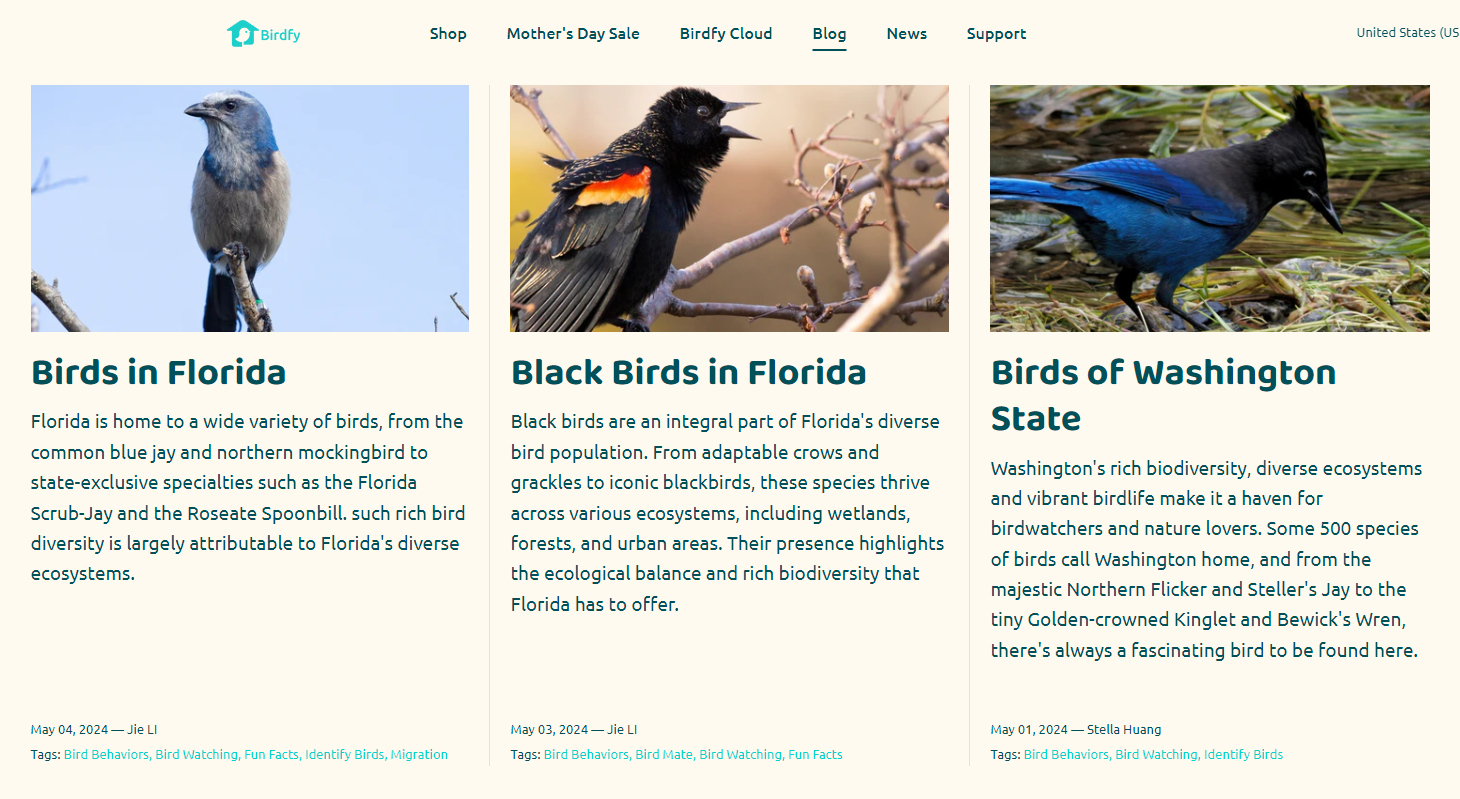
In addition, Birdfy's official site has a dedicated Blog, sharing brand stories, bird knowledge, and environmental concepts, building a large home for birdwatching enthusiasts and attracting many consumers who care about the environment and nature.
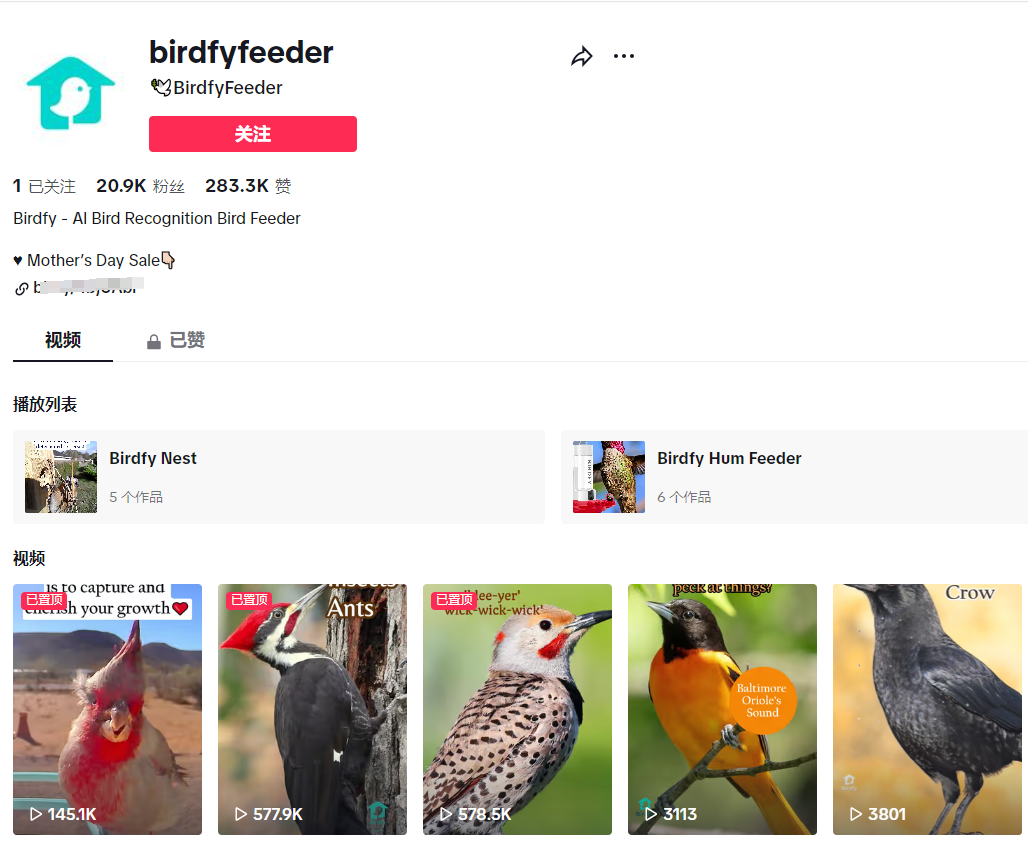
In social media marketing, Birdfy chose Facebook and TikTok as its main battlegrounds, encouraging users to share birdwatching experiences through community marketing, building an active online community, and enhancing user stickiness and brand loyalty.
On TikTok, they also regularly post various videos of birds and products, allowing big data to more accurately push them to target customer groups and increase the chance of acquiring customers.
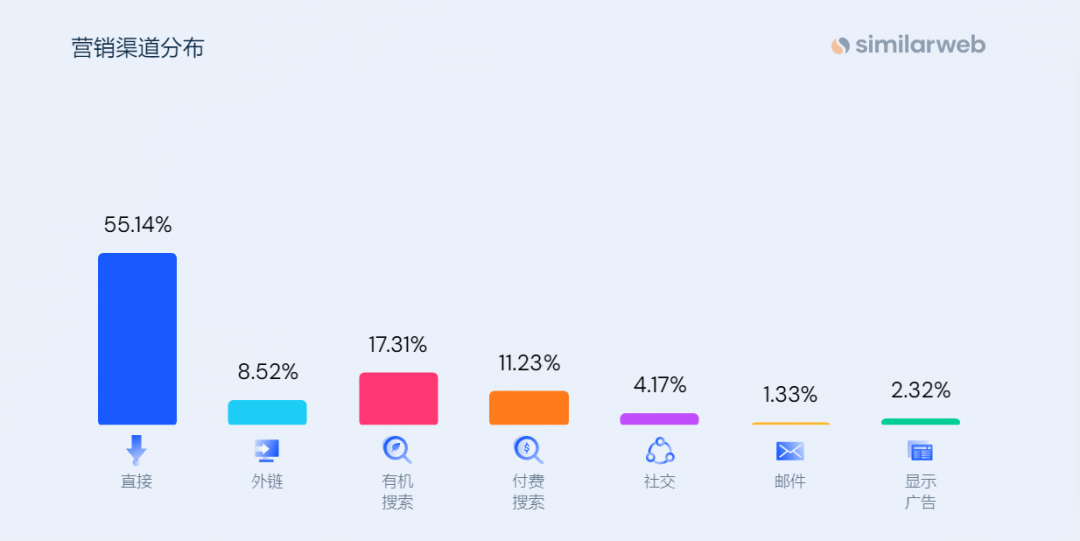
At the same time, through similarweb data analysis, we can see that the traffic to Birdfy's official site mainly comes from direct visits and search engines, indicating an increase in brand awareness and a stable user base.
3. Deepening brand building and continuous innovation
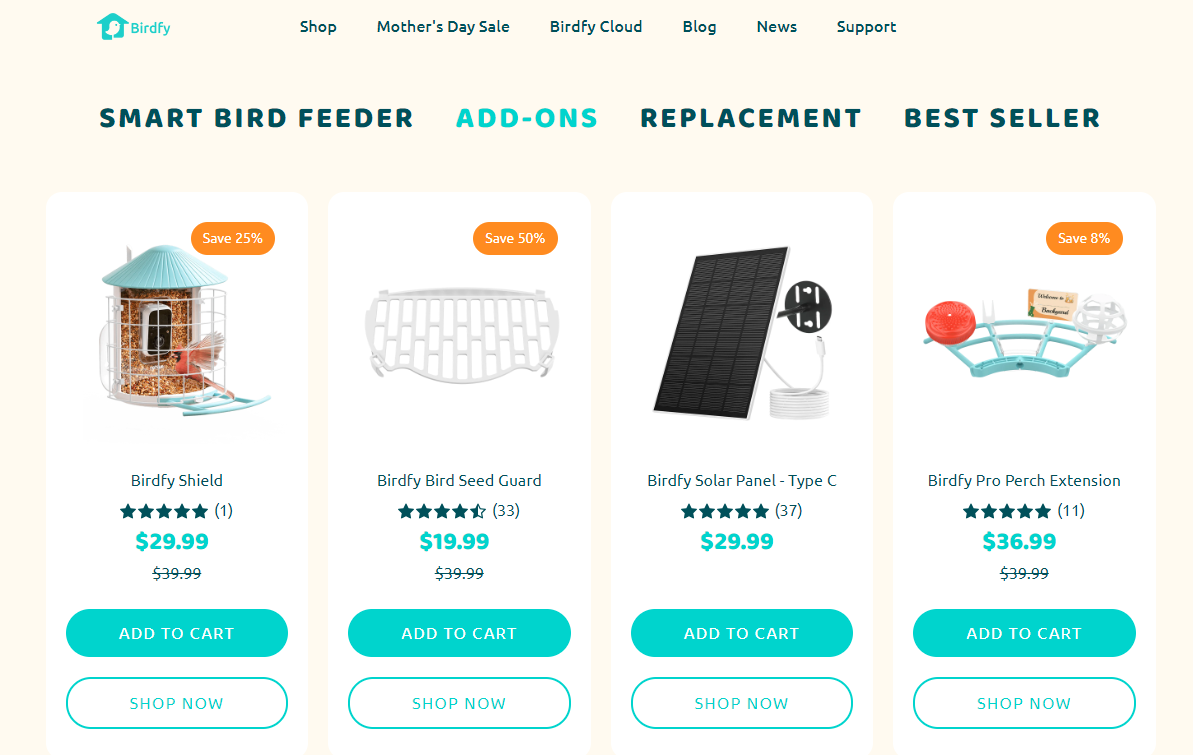
Birdfy's success did not happen overnight, but through continuous product iteration and brand building. They know well that to maintain a leading position in a highly competitive market, they must constantly discover new user pain points and meet users' potential needs. Therefore, while focusing on the smart bird feeder, Birdfy has also launched a variety of related products, such as smart birdhouses, bird perches, and a series of bird accessories, and has applied for technical patents to form a unified product line, avoiding infringement and imitation by other white-label manufacturers and the possibility of market disruption.
In the future, Birdfy plans to launch an AI editor, allowing users to easily edit and share wonderful moments of birds, further enhancing the added value and user experience of the product.
Conclusion
Birdfy's story tells us that even in seemingly saturated markets, as long as you find the right niche, innovate product positioning, and combine the power of social media and independent sites, you can also create a unique brand ecosystem.
By deeply exploring user needs and continuous innovation, Birdfy has not only found its place in the smart bird-raising market, but also established a brand image of high-tech and harmonious coexistence with nature in the minds of consumers.
For other Tuke brands, Birdfy's successful case provides a path worth learning from: in niche markets, find a differentiated competition strategy, use the power of social media and independent sites, and build a brand moat to stand invincible in fierce market competition.