TikTok Market Reports
Gathering global key market information, industry frontier insights, current popular platform trends, driving more localized global marketing with insights
Get More Reports
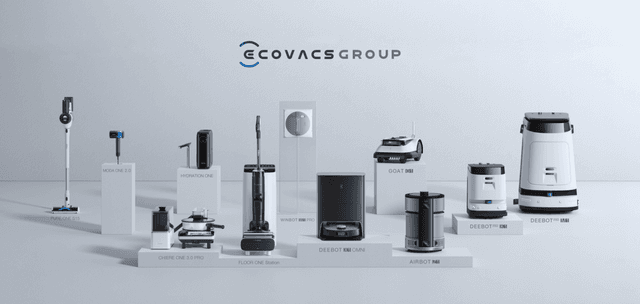
With the continuous advancement of technology, more and more people are beginning to enjoy the right to be lazy.

The powerful sea route of the washing machine king

Still struggling with how to open a cross-border TikTok store in the US? Afraid of accidentally stepping into a big hole? You must take a look at the 13 o'clock notes compiled by Tu Ke today!

If you think wigs are just the exclusive product of the "hair loss economy", then Luvme Hair will open your eyes!

In terms of clothing, food, housing, and transportation, people all over the world have a high pursuit for the top priority of "clothing".

On a massive and vibrant social platform like TikTok, brand advertising is facing significant traffic challenges.