
 1758
1758In the e-commerce sector, price wars have never ceased, but when Amazon—the giant known for its “all categories” and “efficient delivery”—also begins to focus on low prices, is the market landscape quietly changing?
In November 2024, Amazon launched Amazon Haul, a discount store specializing in products under $20, officially challenging Temu, which is known for low prices. However, behind this seemingly simple “low-price strategy” lies a complex market game and industry dilemma.

How is Temu “forcing” Amazon?
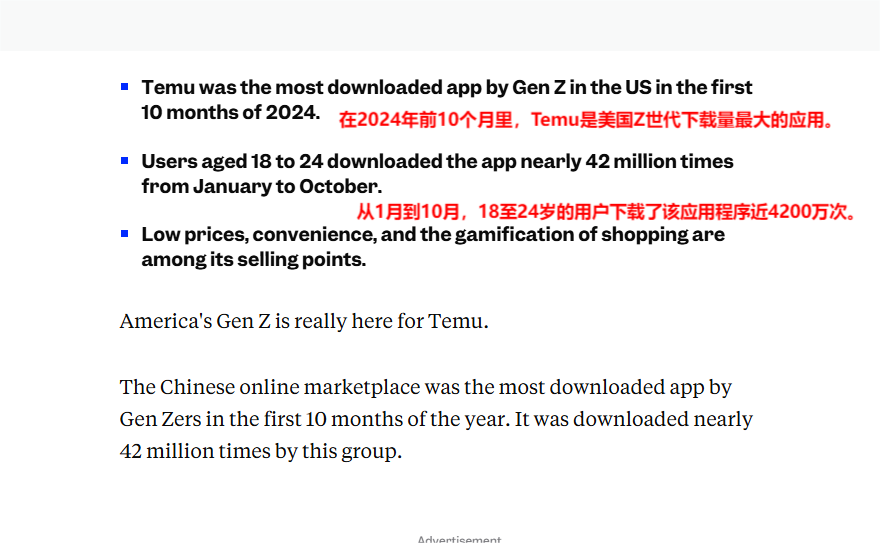
Temu is a cross-border e-commerce platform launched in the US by Chinese e-commerce giant Pinduoduo in September 2022. With its low-price strategy and wide range of products, Temu quickly gained a foothold in the US market. According to data, in the first ten months of 2024, Temu’s downloads in the US approached 42 million, making it one of the most popular shopping apps.
Temu’s rise has not only impacted Amazon, but also triggered a rethinking of the low-price model across the entire e-commerce market. Consumers seem to prefer the logic of “buy more, use longer” rather than high-end brands or high value-added products. This trend has forced Amazon, known for its Prime membership service, to reposition part of its market strategy.
Can Amazon Haul’s low-price model break through?
The core strategy of Amazon Haul is clear: products under $20, covering clothing, home goods, accessories, and other daily necessities. At first glance, Amazon Haul seems to be a “low-end version” of Temu, but Amazon’s real advantage is not just product prices.
1. Logistics and Service: Amazon’s Moat
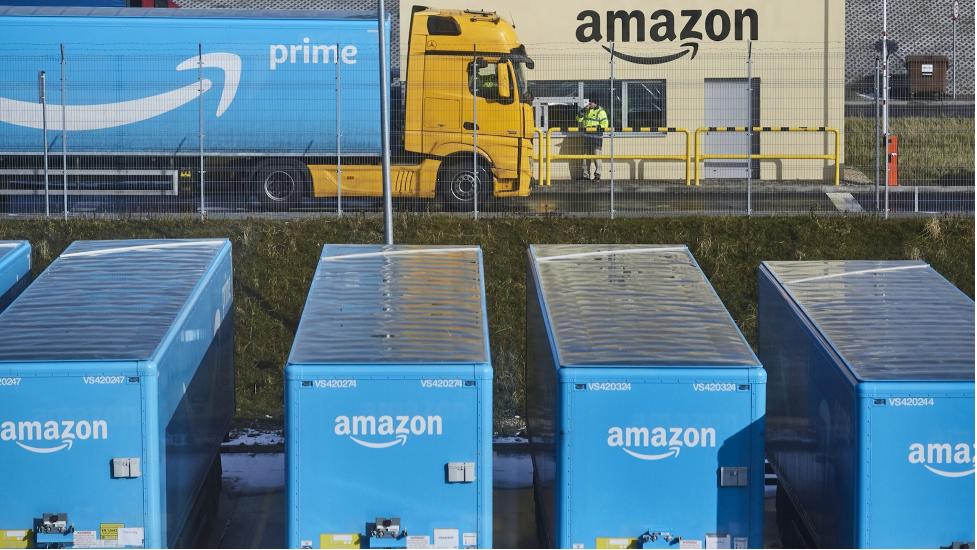
Amazon’s delivery service has always been its core competitiveness. Even for low-priced products, consumers can still enjoy fast delivery and comprehensive after-sales service, which Temu currently finds hard to match. Common complaints about Temu focus on long delivery times and unstable product quality, giving Amazon room to “win with service.”
2. The Combination of Low Price and Brand Reputation
Compared to Temu, Amazon Haul relies on Amazon’s brand influence and user trust. Consumers are more likely to believe that products under $20 on Amazon have a certain quality assurance, rather than being purely cheap goods.
Hidden Concerns of the Low-Price Strategy: Price Wars Are Not a Panacea
For Amazon, the low-price strategy is more of a tactic than a long-term strategy. While this model can quickly attract users, it also comes with significant risks.
1. Pressure on Profit Margins
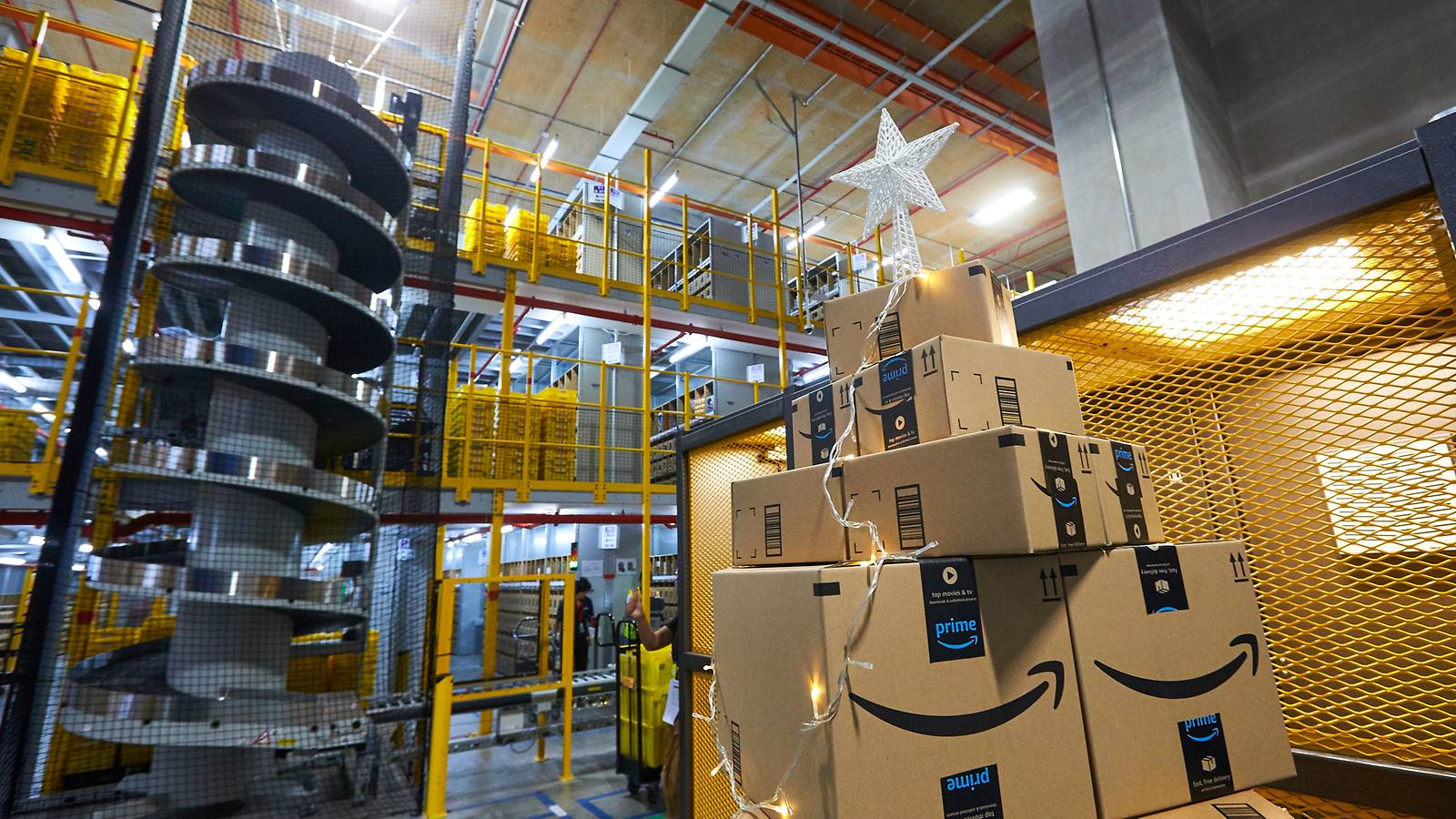
Compared to Temu’s asset-light model, Amazon needs to maintain global warehousing, delivery networks, and technology investment, making its profit margins easily eroded by the low-price model. If Amazon Haul cannot increase sales volume to offset profit losses, it may be hard to sustain.
2. The Challenge of User Stickiness
Low-price consumers often have extremely low loyalty; they tend to compare prices across different platforms rather than staying long-term for brand or service. Whether Amazon Haul can retain users through added value (such as member discounts, points systems) remains to be seen.
The Low-Price Battle Is Just the Beginning
The competition between Amazon Haul and Temu reflects a larger trend in e-commerce: against the backdrop of increasing global economic uncertainty, consumers’ focus on cost-effectiveness will further increase. Meanwhile, pure price competition cannot be sustained in the long term; how to improve the shopping experience through technological innovation and service upgrades becomes key.
For Amazon, Amazon Haul may just be an “experimental field,” but its success or failure will directly affect Amazon’s future layout in the low-end market.
Who Will Own the Next Step in E-Commerce?
The launch of Amazon Haul is not only Amazon’s response to Temu, but also a microcosm of strategic transformation among e-commerce giants. In a consumer-centric market, price, experience, and innovation are redefining the rules of competition. Who will win in the future may not depend on who can offer the cheapest products, but on who can create more value for consumers.