2242
2242As the world's fourth largest e-commerce market, the UK not only boasts a mature consumer base, but is also one of the core regions where TikTok Shop first established its presence.
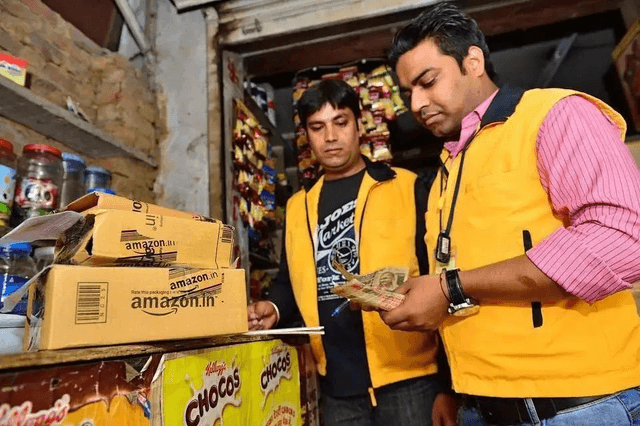
Recently, TikTok Shop announced further opening of cross-border POP (Platform Open Partnership) access in the UK, welcoming merchants from mainstream e-commerce platforms such as Amazon, Walmart, eBay, Wayfair, Temu, Shein, AliExpress, Onbuy, DTC independent sites, as well as those operating TikTok Shop cross-border stores in the US region.


Image source: Internet
Refining Entry Thresholds Is Especially Critical
It is worth noting that in this policy adjustment, the platform requires that the merchant entity be consistent with third-party stores (such as Amazon, Walmart, etc.), and must provide a UK VAT number and local logistics capability, while also setting clear standards for business qualifications, store ratings, and length of operation.
These rules not only screen merchants for fulfillment capability, but also reflect TikTok Shop's emphasis on compliant operations—by strengthening local service capabilities to enhance consumer experience, thereby creating differentiated competition with traditional giants like Amazon.


Image source: Internet
Dual Test of Traffic Dividend and Operational Thresholds
For cross-border merchants, the opening of the UK market means new traffic entry points and user engagement scenarios. Especially with TikTok Shop's "one-click opening of UK overseas warehouse stores" feature, US cross-border merchants can directly reuse their qualifications, greatly reducing the startup costs of multi-region operations.
In addition, commission reduction policies (with a minimum of only 2% during the cold start period for new merchants), logistics subsidies, and exclusive services provide a buffer for small and medium-sized merchants during the cold start phase.
However, behind the opportunities, challenges are equally significant. Firstly, localization capability has become a key competitive barrier. UK consumers have high requirements for logistics timeliness, after-sales service, and product compliance, so merchants need to establish local teams or cooperative resources in warehousing, taxation, and content operations.
Secondly, the adaptability of the content ecosystem tests merchants' innovation capabilities. TikTok's recommendation algorithm favors highly interactive and creative short videos, making it difficult to directly replicate the traditional e-commerce "shelf mentality." Merchants need to reconstruct their marketing strategies in line with the platform's tone. While multi-store operation permissions (up to 5 stores) can expand SKU coverage, they also place higher demands on supply chain management and inventory turnover.


Image source: Internet
Long-term Layout of Ecosystem Expansion and Global Collaboration
From the platform's perspective, this opening is not just an expansion of a single market, but a key move in TikTok Shop's globalization strategy.
On one hand, attracting merchants with multi-platform experience can quickly enrich the UK product supply, especially creating scale effects in core categories such as 3C, beauty, and home goods; on the other hand, by connecting the US and UK store systems, the platform can promote cross-regional merchant resource flow, paving the way for subsequent European market integration.
The deeper value lies in TikTok Shop building a closed-loop ecosystem of "content - traffic - transaction." By lowering the entry threshold for merchants and attracting more brands and influencers to participate in content creation, the platform can further activate user engagement, forming a positive cycle of "seeding - conversion - repurchase."


Image source: Internet
Strict compliance requirements (such as VAT withholding and payment) help avoid cross-border trade risks, enhance the platform's credibility in terms of regulation, and lay the foundation for long-term stable growth.
Conclusion: The Next Golden Era of Content E-commerce
The opening of TikTok Shop UK cross-border POP is not only a springboard for merchants to expand into global markets, but also a microcosm of content e-commerce's transformation from traffic dividends to refined operations.
For merchants, whether they can seize this wave of opportunity depends on their localization capabilities and speed of content innovation; for the platform, how to balance scale expansion and ecosystem health will determine whether it can truly challenge the traditional e-commerce landscape.
With more regional markets opening in coordination, TikTok Shop is poised to become a super hub connecting global consumers and merchants. In this wave of transformation, only those who can deeply cultivate local needs and flexibly adapt to the content ecosystem will stand out in the new wave of cross-border e-commerce.