 2175
2175
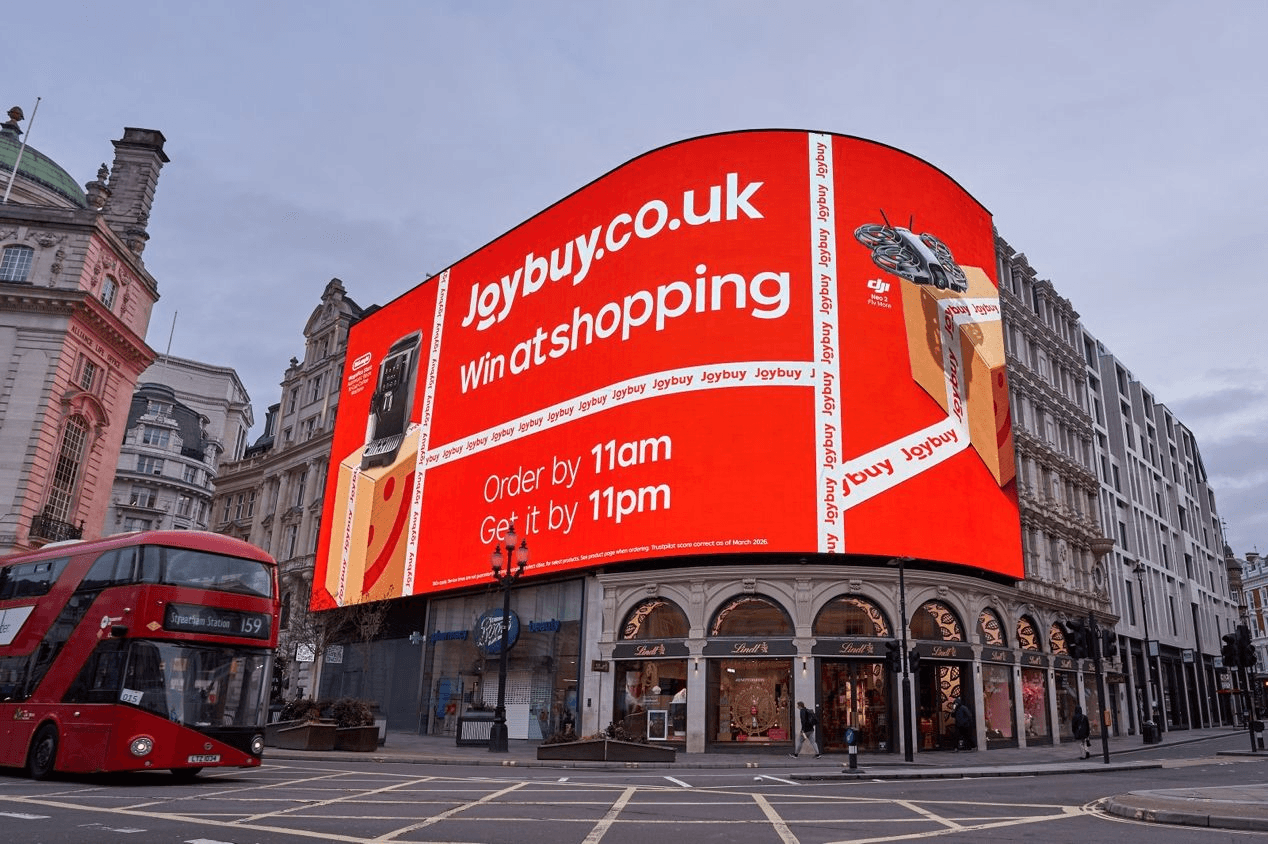
On March 16, the European e-commerce market welcomed a fierce "new player." Chinese e-commerce giant JD Group officially announced on this day that its brand-new online retail brand Joybuy has been fully launched in six countries: the UK, Germany, France, the Netherlands, Belgium, and Luxembourg. This is not only a key move in JD's globalization strategy, but also a heavy blow to the existing European e-commerce landscape.
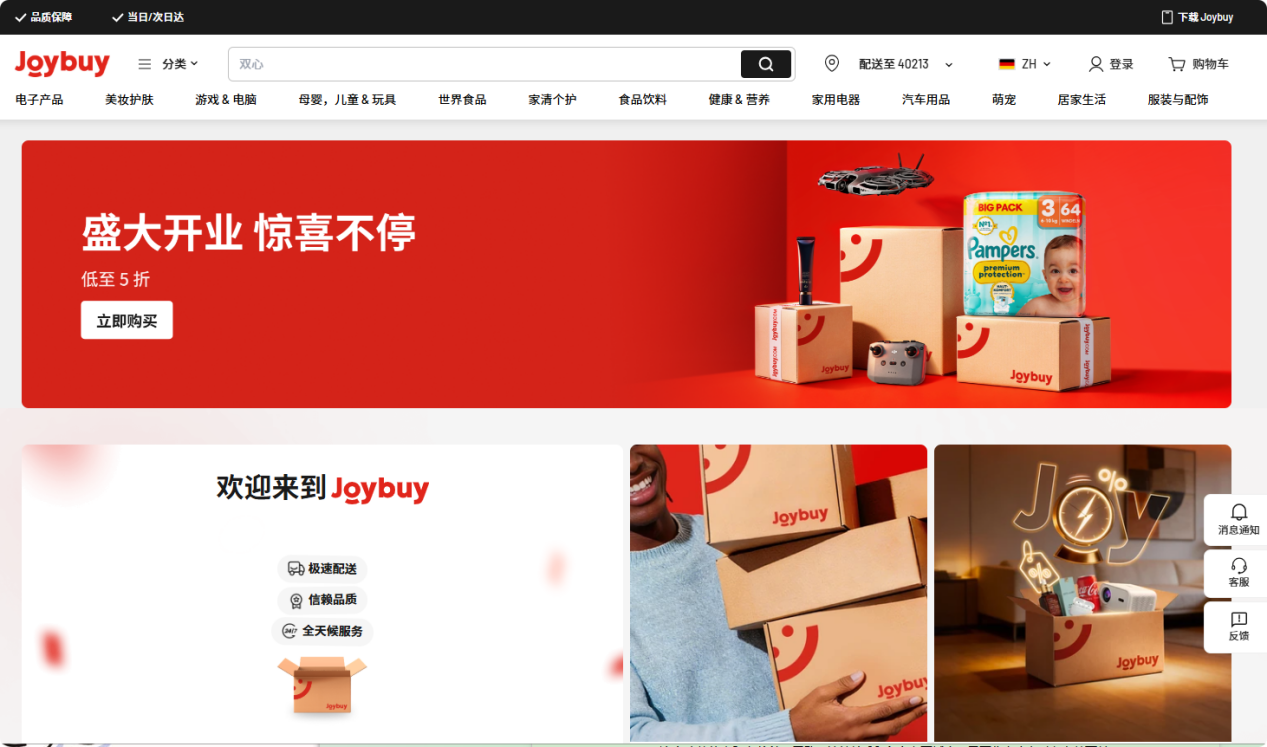
Image source:joybuy
Not playing“asset-light”, JD wants to build a “highway” in Europe
If you are used to shopping on AliExpress or Tuke, you may be accustomed to waiting a week or two after placing an order. But this time, JD is playing a completely different game in Europe—a “heavy asset” self-operated model.
Unlike most Chinese cross-border e-commerce companies that rely on merchants shipping directly from China in an “asset-light” way, JD has chosen the most difficult but also the most defensible path: building local warehouses and logistics in Europe. It's like while others are still building post stations, JD has already laid a “highway network” in Europe.
As of now, JD Logistics has built more than 60 warehousing and distribution centers in Europe for Joybuy. Especially in Milton Keynes, UK, JD launched its first overseas intelligent warehousing project “Smart Wolf Warehouse”, equipped with about 200 automated devices and using a “goods-to-person” picking solution, making the operation efficiency about four times higher than the traditional model.
Thanks to this heavy asset local infrastructure investment, JD is able to replicate its highly recognized “211” limited-time delivery service standard from the domestic market to Europe, meaning that if consumers place an order before 11:00 am, they are likely to receive the goods the same day.
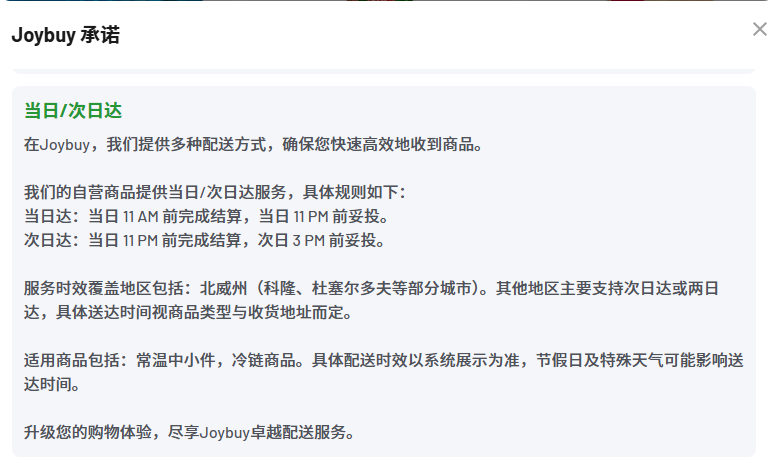
Image source:joybuy
Not only fast, but also“competitive” in service: Free shipping over £29, membership fee is only half of Amazon's
Facing the powerful local giant Amazon, Joybuy is also aggressive in terms of price and service.
In terms of pricing strategy, Joybuy is extremely aggressive. In the UK, orders over £29 enjoy free shipping. What is even more attractive to local consumers is its “JoyPlus” membership service, with a monthly fee of only £3.99, which allows unlimited free deliveries. For comparison, the monthly fee for Amazon Prime in the UK is £8.99, which is less than half the price of Joybuy.
In terms of brand cooperation, Joybuy has also taken a “high-profile” approach. The platform adopts a “Shop in Shop” model, attracting international brands such as L'Oréal, DeLonghi, Apple, Samsung, Philips, and others. It is particularly worth mentioning that Joybuy has also become the online retailer for the full range of Moutai products exported to the UK, which is undoubtedly great news for overseas Chinese and liquor enthusiasts. Even Unitree's humanoid robots and robot dogs have sold more than a hundred units on Joybuy.
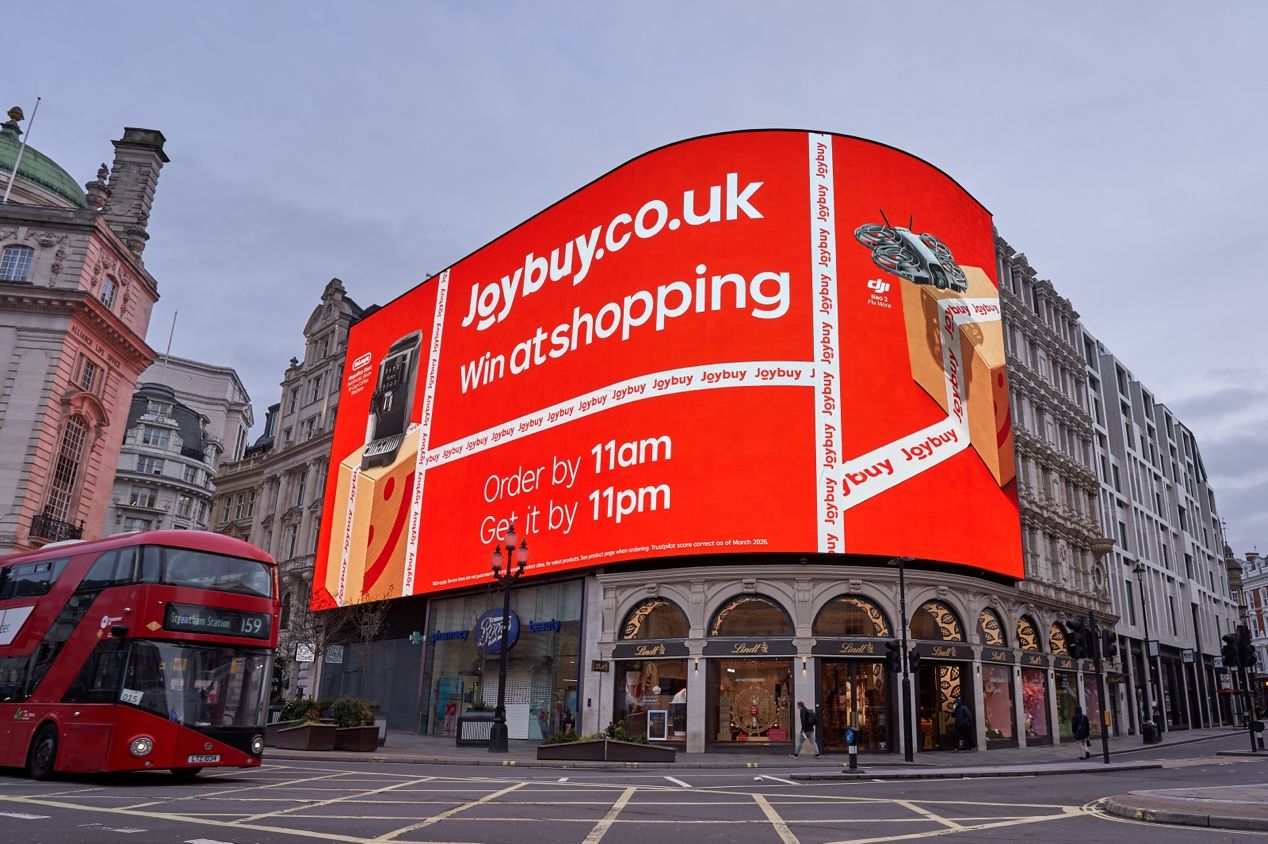
Image source: Internet
A “tough battle” in a stock market: What are JD's chances of winning?
Of course, JD's entry into Europe at this time is not into a blue ocean.
According to the “2026 Global E-commerce Market Outlook” released by ECDB, the growth rate of the e-commerce market in Europe and the US has slowed to below 5%, and the industry is entering a stage of stock competition. The market has global giants like Amazon, as well as Tuke and Temu, which have been deeply rooted for many years, and various local European retailers.
Especially Temu and SHEIN, which have quickly captured a large number of users through the extremely low-priced “full hosting” model. But JD obviously does not want to fall into a simple price war. Matthew Nobbs, General Manager of Joybuy UK, said bluntly: “We are a self-operated retailer and will not rely on the duty-free rules for low-value goods, but focus on brand retail business.”
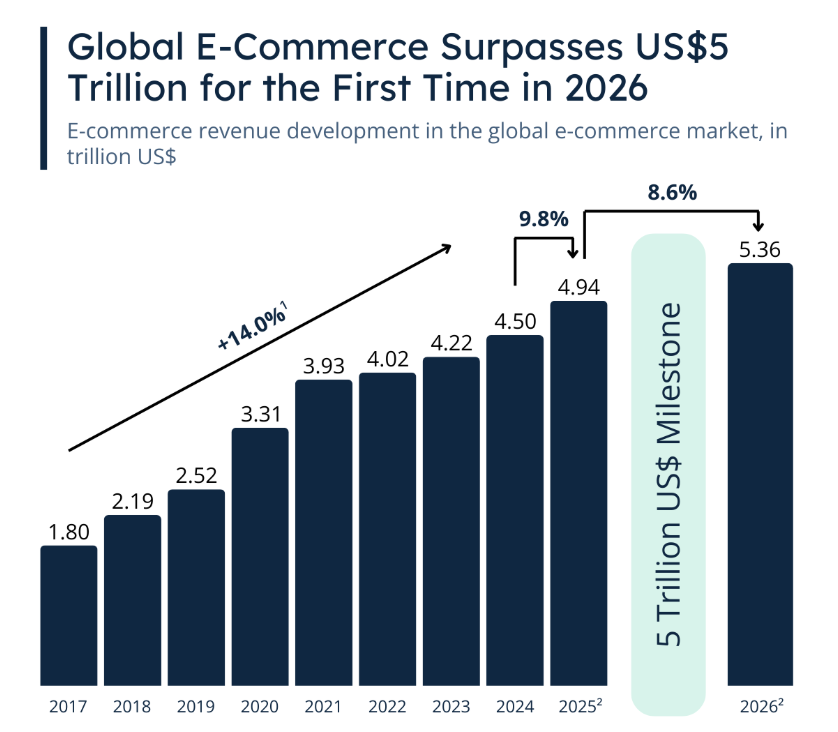
Image source:ECDB
JD's trump card is the supply chain. Last year, JD even spent about 2.2 billion euros to acquire CECONOMY, the parent company of German consumer electronics retailer MediaMarkt, which strongly supplemented its offline network and supply chain resources in Europe. Through the “self-operated + local logistics” model, JD is trying to solve the biggest pain points of European e-commerce—slow delivery and difficult returns.
In addition, changes in the external environment may also become JD's “assist”. For example, since March 1, France has begun to levy a 2-euro tax on small orders from Tuke, which to some extent weakens the competitiveness of the pure low-price direct-shipping model. JD's local warehouse and distribution model can effectively avoid such policy risks.
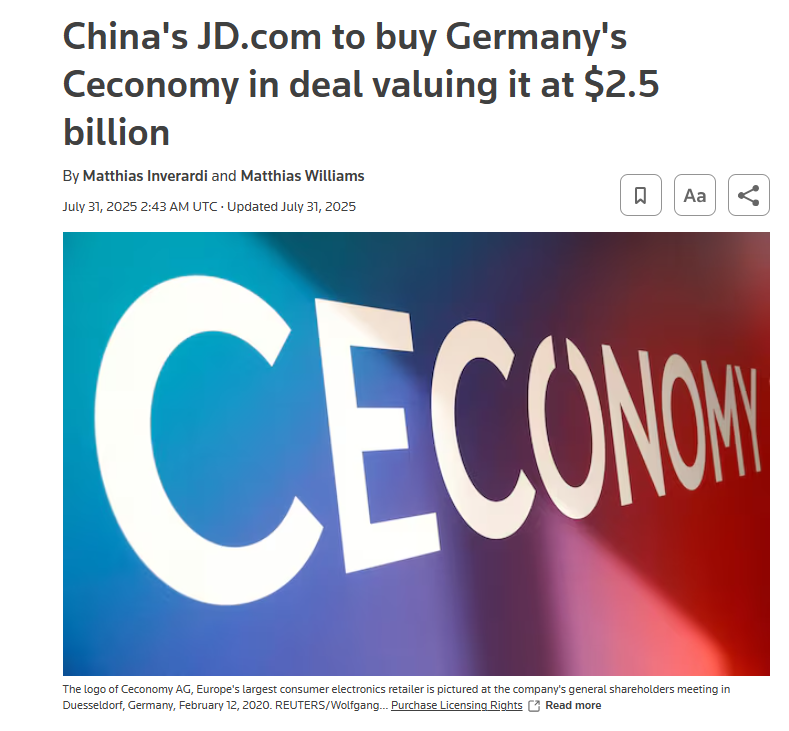
Image source:reuters
Conclusion
With the official launch of Joybuy, the European e-commerce market has officially entered the era of “Three Kingdoms”: Amazon guards its huge traffic and membership system, Temu and Tuke conquer cities with low prices backed by the Chinese supply chain, while JD upholds the banner of “heavy assets”, trying to break through with speed and service.
For European consumers, this is undoubtedly the best of times—faster delivery, lower prices, and more competitive services. But for JD, the real test has just begun. As JD Group founder Richard Liu once said: “We have been working in Europe for three years, and now the logistics infrastructure is basically completed. Next year, the European (business) can really start operating.” Now, the start of this battle is the best test of the infrastructure investment over the past few years.