 1975
1975Recently, TikTok Shop Southeast Asia cross-border has introduced stricter unified standards for the fulfillment time of direct shipping orders. All cross-border direct shipping orders, regardless of whether the merchant chooses door-to-door pickup, drop-off at collection points, or warehouse delivery mode, will be mandatorily included in a standardized time framework.
This is not only a key upgrade of the platform's logistics experience but also a severe test of sellers' internal management efficiency and external supply chain coordination capabilities.
Image source: Google
Extreme compression from 'packing' to 'arrival at warehouse'
The core logic of this time adjustment lies in the dual reinforcement of front-end acceleration and end-end rigidity. The new regulation clearly requires sellers to complete package packing within 48 hours after the buyer places the order, and simultaneously update the order status in the backend to 'Pending Shipment - Awaiting Pickup' or successfully create a handover order.
This means that the previously possible relaxed pace of processing the day after receiving an order will be completely broken, and the packing action is forced to be completed within two calendar days, placing extremely high demands on sellers' daily operational pace.
Next, a stricter time lock is that within 3 calendar days after the order is placed, the package must be physically picked up by the logistics provider or have warehouse arrival scanning completed, and the system will automatically update the status to 'Shipped'.
It is particularly noteworthy here that the platform uses a calculation method of 3 calendar days, with the deadline being 23:59:59 on that day. Compared to the previous rigid 72-hour deadline algorithm, this method of calculating by natural days actually provides a slight buffer for sellers operating on weekends or holidays, but overall, the time window is still very tight and the margin for error is extremely limited.
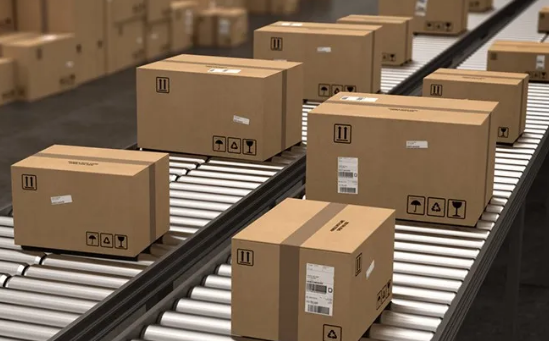
Image source: Google
Efficiency is traffic, lagging means elimination
The implementation of this new regulation is an opportunity for top sellers and merchants with supply chain advantages to consolidate their moats. The standardized operating procedures they have established and efficient collaboration with logistics providers can easily cover the 48-hour packing red line. The new regulation will help them further widen the gap with small and medium sellers.
For a large number of small and medium sellers, especially those with asset-light operations, relying on no-inventory models or drop-shipping services, this is undoubtedly a high threshold. The 48-hour packing time limit not only tests inventory turnover capabilities but also requires sellers to establish extremely high-frequency communication mechanisms with upstream suppliers.
If they still use the outdated model of purchasing from factories after an order is placed, it will be almost impossible to meet the new time requirements. Once overdue, they will face not only fines but also the high risk of traffic reduction or even account suspension.

Image source: Google
From passive response to proactive planning
If sellers want to smoothly transition and seize competitive opportunities, they must make systematic adjustments at the operational level.
The first priority is the inventory pre-positioning strategy. It is necessary to abandon the unrealistic mindset of zero inventory. For hot-selling and potential hot-selling products, safety stock should be reserved in advance in cooperative warehouses in the target market country or domestic collection warehouses. Only with supply on hand can the 48-hour shipping commitment be truly fulfilled.
Secondly, optimize the logistics combination. Since the new regulation unifies the assessment standards for the three modes of door-to-door pickup, drop-off at collection points, and warehouse delivery, sellers should re-evaluate the cost and stability of each mode. For stores with higher daily order volumes, priority should be given to commercial logistics solutions with better time commitment.
Thirdly, the digital and intelligent transformation of internal processes is also urgent. Relying solely on manual monitoring can easily lead to timeouts. Sellers should make full use of ERP systems or tools provided by the platform to set countdown alerts triggered by order placement. In particular, it should be reminded that the implementation of the new regulation coincides with the platform's recommendation for sellers to check the ERP automatic synchronization time points to ensure that the status capture in the system is consistent with the platform's assessment time.

Image source: Google
In addition, operational plans for holidays and weekends must also be put on the agenda. Since the calculation of 3 calendar days includes weekends and statutory holidays, sellers should confirm with logistics providers in advance about pickup arrangements on holidays, and if necessary, adjust store vacation settings or presale modes to avoid SLA violations due to missed operations during holidays, which would affect the store's overall performance score.

Image source: Google
Conclusion
The new time limit for TikTok Shop Southeast Asia direct shipping orders is a competition rule that reorders the rankings.
For sellers who can quickly adapt and go with the flow, establishing logistics barriers will be a highly solid step in their branding process.
In the future, the battle between shelf e-commerce and content e-commerce in Southeast Asia may well be decided from this time-critical logistics front.