 2101
2101
Muchas marcas chinas salen al extranjero con buenos productosTikTok, sin embargo, siempre caen en el dilema de hablar solos。
A pesar de que los parámetros son llamativos, los extranjeros se deslizan sin mirar; copian los guiones exitosos nacionales, pero los comentarios están fríos.
En realidad, el núcleo del problema es simple: no hacer que los extranjeros sientan"Esta es una marca hecha para mí".
El mayor obstáculo para que las marcas salgan al extranjero nunca es que los productos no sean lo suficientemente buenos, sino la incapacidad de romper las barreras culturales y lingüísticas, y de generar resonancia con los consumidores locales.
Fuente de la imagen: Internet
Localización de contenido, desde la traducción hasta"cultura de la traducción"
Muchas marcas al salir al extranjero fracasan en la primera barrera: el lenguaje. ¿Crees que traduciendo la introducción china palabra por palabra al inglés todo está bien? Eso es un gran error.
Una traducción rígida puede, en el mejor de los casos, dejar a los extranjeros confundidos, y en el peor, causar risas o incluso ofender a tus clientes potenciales.
La verdadera localización no es simplemente"traducción literal", sino una "traducción cultural" más profunda.
Esto significa que no solo debes hacerles entender el significado literal, sino también hacerles comprender y aceptar emocionalmente el mensaje que transmites.
Pongamos un ejemplo sencillo: quieres elogiar tu producto"太棒了", si lo traduces directamente como "It's so great", resulta pálido e inexpresivo. Pero si sabes aprovechar la cultura de internet occidental, con un simple "GOAT" (Greatest Of All Time, el mejor de todos los tiempos), el efecto es completamente diferente.
Fuente de la imagen:TikTok
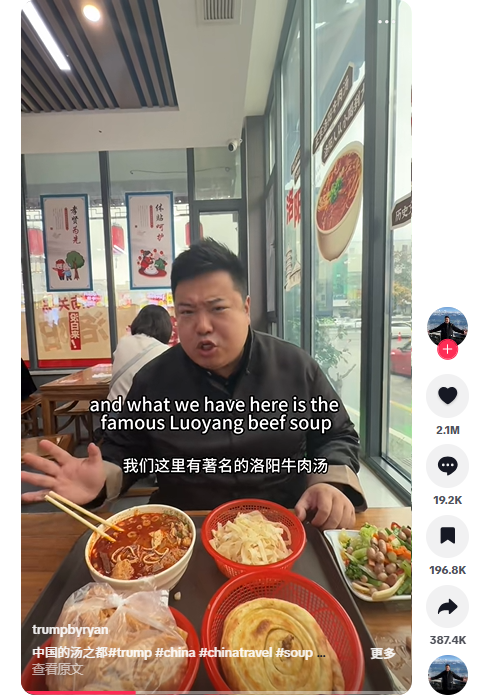
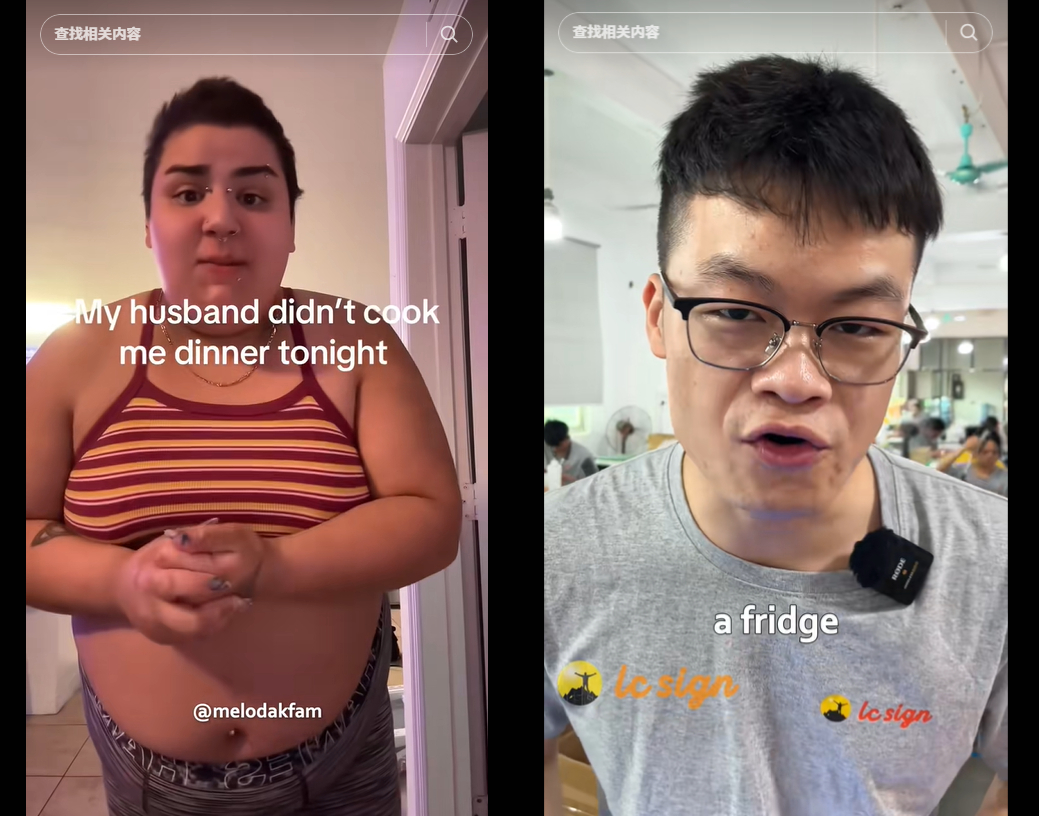
YEl equipo de Tony de LC SIGN ha dominado esta "traducción cultural".
Los videos que publican, a menudo en los primeros segundos sonfragmentos polémicos populares que están de moda en TikTok – como una chica que se queja de que su esposo no prepara la cena, o un desafío social que genera debate. Este tipo de inicio en sí mismo es una captura precisa de la cultura popular de la plataforma.
Luego,Tony aparece de repente, toma el tema al instante con una reacción dramática exagerada, y luego con una locución rápida y clara, inserta sin problemas los puntos de venta del cartel LED. Durante todo el proceso, no traduce rígidamente el manual del producto, sino que "traduce" los puntos de venta en un modo de "memes de internet + catarsis emocional" que los extranjeros conocen y adoran.
Esto esEl poder de la “cultura de la traducción” — hacer que las marcas superen las barreras del idioma y realmente se integren en el contexto social local.
Fuente: https://p3-sign.toutiaoimg.com/tos-cn-i-6w9my0l69p/2a59f73b2a9c4d0ba16e189f55e10b2e~tplv-tt-large.image?x-expires=20252732226&x-signature=yRHSYtNKYBA3fUYWD0%2FgfiPFf3I%3DTikTok
Crear contenido localizado: desdeTransición de “Logo” a “Personalidad”
La marca enGanar usuarios en el extranjero en TikTok, la clave está en lograr la transición de “Logo” a “Personalidad”, haciendo que la marca tenga calidez y personalidad.
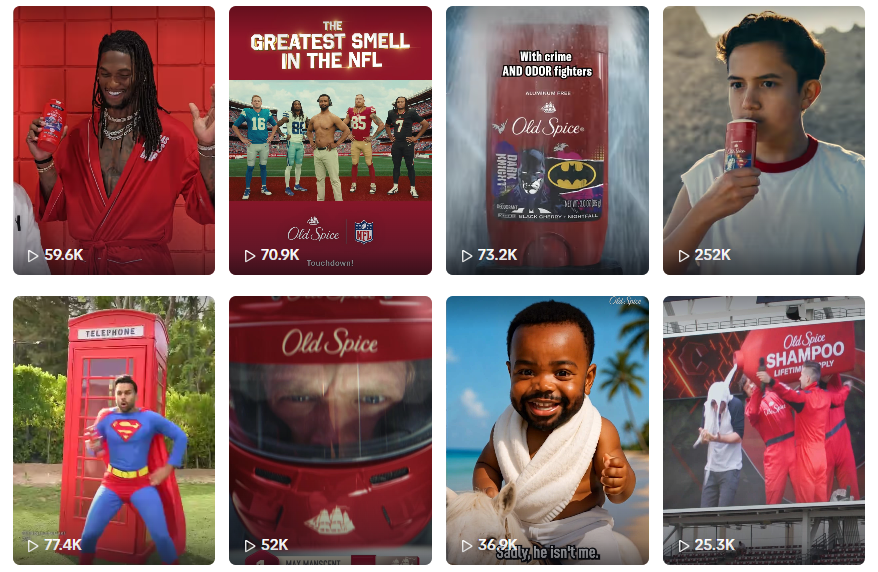
La personificación es una estrategia efectiva para desarrollar el carisma de la marca. Tomando como ejemplo la marca de cuidado masculinoOld Spice como ejemplo, en sus plataformas sociales en el extranjero, utilizó anuncios absurdos y humorísticos para crear una imagen de marca “atrevida y divertida”.
En las operaciones diarias, la marca interactúa con jóvenes usuarios masculinos utilizando memes exagerados y chistes divertidos. Esta personificación hace que la marca sea más cercana y memorable para los usuarios en el extranjero.
Fuente: https://p3-sign.toutiaoimg.com/tos-cn-i-6w9my0l69p/c87b694dcefb4906866e04d1524f28c0~tplv-tt-large.image?x-expires=20252732226&x-signature=wCr29pTFfG0Whc9tAGblKXFm6VQ%3DTikTok
La localización de contenido no es solo una conversión de idioma, sino una integración profunda de elementos culturales.
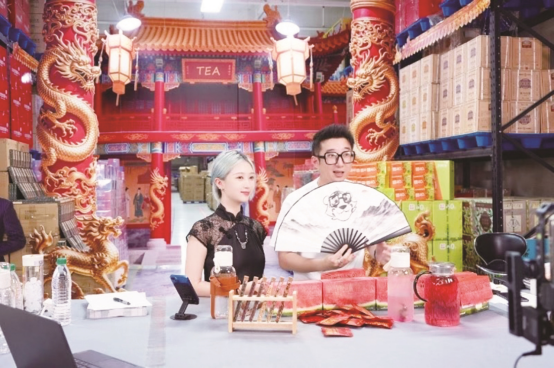
OGTea organizó en abril de este año una transmisión en vivo de 10 horas con estilo “chino”, donde el estudio fue decorado como un pabellón de palacio antiguo de dos pisos, con faroles colgados a ambos lados, y además invitaron a bailarines profesionales de danza étnica china vestidos con trajes clásicos para bailar danzas de estilo palaciego.
Aunque esta transmisión costó decenas de miles de yuanes, peroEl responsable de la marcaDu Xin considera que vale mucho la pena:“Esperamos que los usuarios sientan que no solo están comprando un paquete de té, sino una experiencia llena de interés cultural.”
Fuente: Economic Reference Net
Marketing de influencers, hablar con la voz de los locales
Para que una marca sea realmente aceptada por los consumidores locales, ¿qué mejor que usar la voz de los lugareños?
El marketing de influencers en el extranjero es un atajo para lograr este objetivo.
El éxito de Head & Shoulders en Indonesia confirma esto. Cuando el usuario Ardi publicó un video en TikTok mostrando a su madre Dian buscando con entusiasmo el champú de la marca en un minisupermercado, el video rápidamente obtuvo más de 20 millones de visualizaciones y 2 millones de likes.
La marca rápidamente aprovechó esta oportunidad y colaboró directamente con esta madre e hijo, invitándolos a actuar junto con embajadores famosos en el último anuncio digital de la marca.
Esta esEs la primera vez que Head & Shoulders incluye a consumidores leales en una campaña publicitaria, rompiendo el modelo tradicional de patrocinio de celebridades, y mejorando la credibilidad de la marca a través de historias de usuarios reales.
A través de la colaboración con creadores, las marcas pueden integrarse rápidamente en el contexto cultural local, mejorando la identificación del consumidor local con la marca.

Fuente de la imagen:TikTok
EnEn TikTok, la localización es un proceso de integración integral de afuera hacia adentro en el mercado local. Requiere que dejes de pensar "¿qué quiero vender?" y te centres en "¿por qué me necesitan?".
La localización más exitosa es hacer que los consumidores locales sientan:"Esta marca me entiende." Y una vez que ganas esa confianza, naturalmente se enamorarán de tu marca.