 2325
2325Las camas para perros, todos las hemos visto, e incluso a veces bromeamos diciendo que nuestra casa es una "cama para perros".
Pero, ¿has dormido realmente en una "cama para perros"?
¿Sabías que su comodidad puede incluso aliviar las barreras psicológicas de quienes sufren trastornos del sueño?
En esta era de ritmo acelerado, todos buscan formas de relajarse y aliviar el estrés.
Una marca extranjera identificó esta necesidad y, al crear la "cama para perros humana" Plufl, se volvió viral rápidamente en TikTok, convirtiéndose en la nueva favorita de casi 70 millones de estadounidenses con trastornos del sueño.
¿Qué magia hay detrás de este producto?
El nacimiento de Plufl fue dramático.
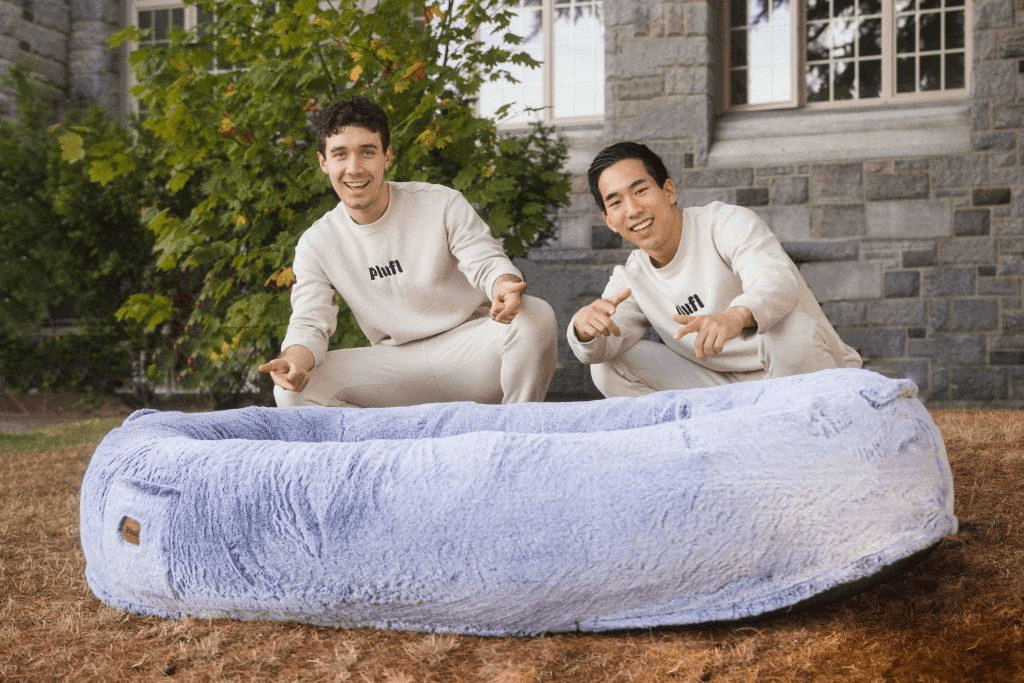
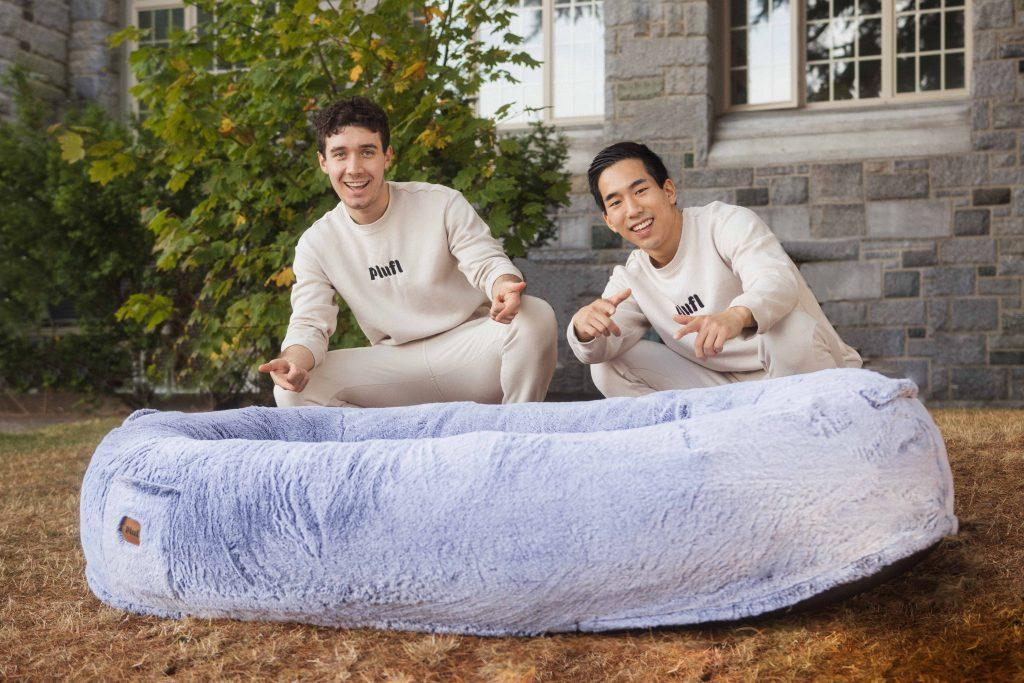
Dos fundadores universitarios de 22 años, en una cafetería de Vancouver, vieron a un gran danés tumbado perezosamente en su cama para perros y se les ocurrió la idea de diseñar un producto similar para humanos. Querían crear un producto que permitiera a las personas disfrutar de una experiencia tan cómoda como la de una mascota. Así nació Plufl, la "cama para perros humana".
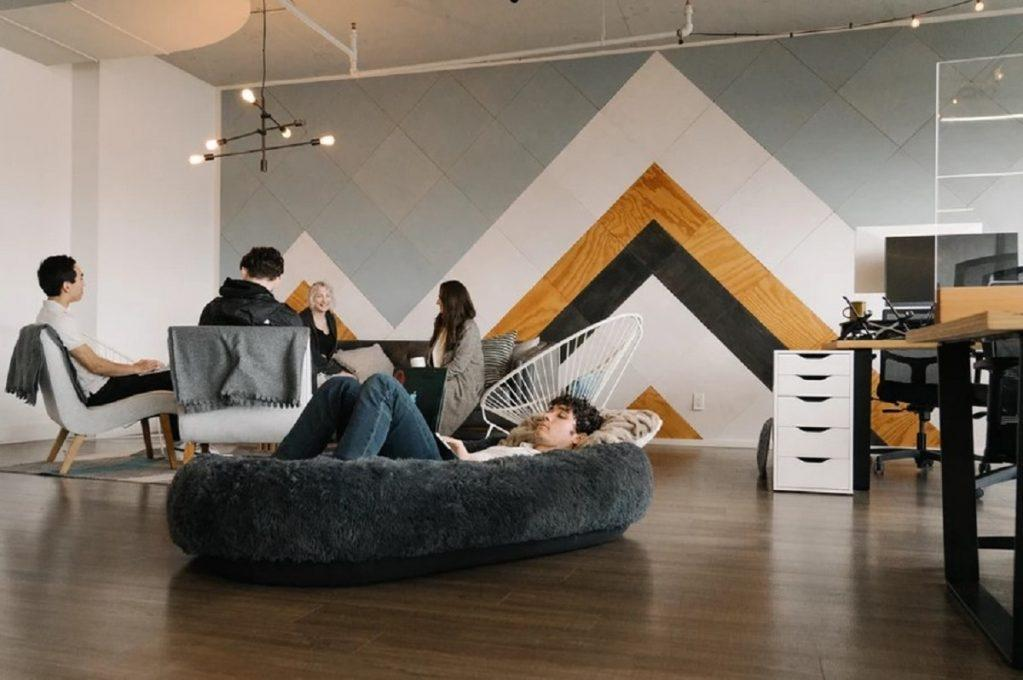
Este colchón ovalado, adecuado para humanos, está relleno con espuma viscoelástica de cuatro pulgadas de grosor y rodeado por un borde de almohada gruesa. Los usuarios pueden meter manos y pies debajo del borde para disfrutar de una comodidad extrema. La capa exterior de piel sintética está hecha de una mezcla de algodón natural y fibras sintéticas antibacterianas, que es suave y fácil de limpiar. Además, el colchón cuenta con asas y bolsillos laterales para facilitar su transporte y almacenamiento.
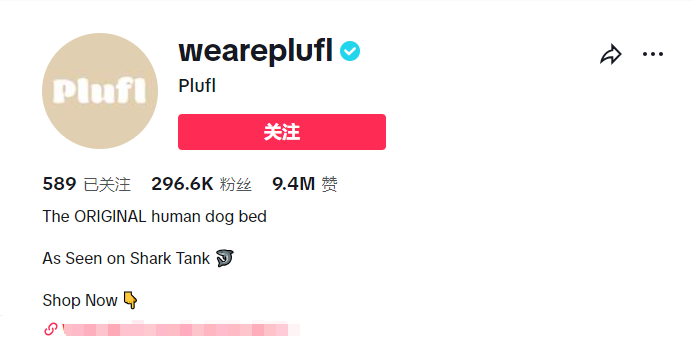
En las primeras etapas del desarrollo del producto, los fundadores Noah y Yuki pensaron en usar TikTok para investigación de mercado y promoción. Crearon la cuenta @weareplufl y publicaron un video mostrando el prototipo de la "cama para perros humana". Este video obtuvo rápidamente decenas de millones de reproducciones, y Plufl comenzó a hacerse viral en línea.
Con la promoción previa en TikTok, Plufl atrajo una gran atención y rápidamente acumuló una base de seguidores. La cuenta @weareplufl ahora tiene casi 300,000 seguidores y 9.4 millones de "me gusta". El contenido generado por usuarios (UGC) también proporcionó a Plufl más oportunidades de exposición y promoción.
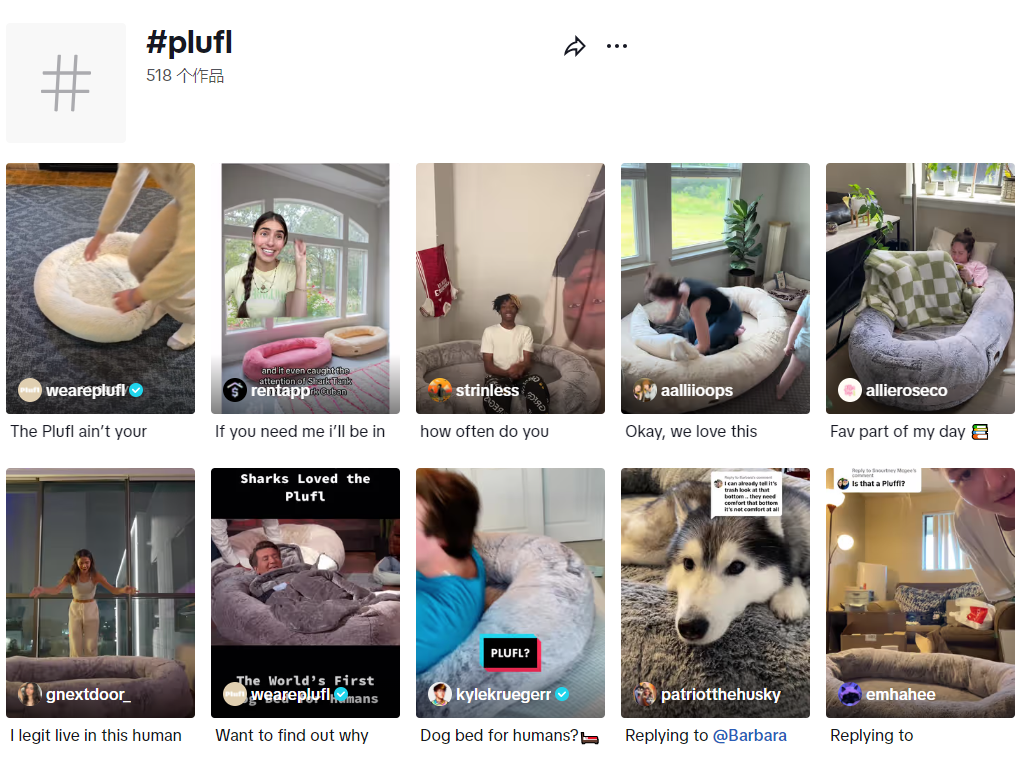
Por ejemplo, una usuaria de TikTok, @allieroseco, grabó un video de unboxing de Plufl, mostrando detalladamente el proceso de instalación de la cama para perros humana, que obtuvo 4.5 millones de reproducciones. Este tipo de contenido UGC no solo aumentó la credibilidad del producto, sino que también estimuló el deseo de compra de más usuarios.
Tras el éxito inicial en TikTok, Noah y Yuki fueron invitados por el equipo del programa "Shark Tank" a presentar Plufl en el programa, buscando una inversión de 200,000 dólares. Esta aparición no solo aumentó la visibilidad de Plufl, sino que también atrajo el interés de los inversores, proporcionando apoyo financiero para el desarrollo de la marca. El equipo de Plufl luego publicó en TikTok un video sobre su experiencia en el programa, lo que aumentó aún más la exposición de la marca.
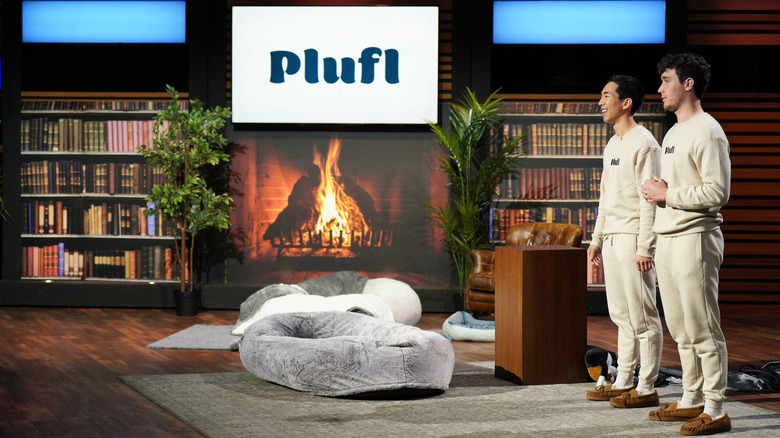
Actualmente, Plufl sigue atrayendo atención en TikTok, y la cuenta @weareplufl ha acumulado una gran cantidad de seguidores y "me gusta". Silverman y Kinoshita responden directamente a los comentarios de los consumidores a través de videos, realizando mejoras oportunas en el producto y ajustes en la estrategia de precios, lo que ha mejorado la satisfacción del usuario.
En TikTok, muchos usuarios también crean contenido por amor a esta cama para perros, y el hashtag de la marca #plufl ya cuenta con más de 500 publicaciones y decenas de millones de visitas.
El éxito de Plufl no solo radica en el diseño innovador del producto en sí, sino también en la comprensión precisa de las necesidades del mercado y una estrategia de marketing en redes sociales inteligente. Al identificar la necesidad moderna de comodidad y alivio del estrés, y utilizando la plataforma TikTok para una difusión viral, Plufl se convirtió rápidamente en un caballo oscuro en la economía del sueño.
Este caso ofrece una valiosa experiencia de referencia para otros emprendedores, mostrando el enorme potencial de la combinación de innovación y marketing.
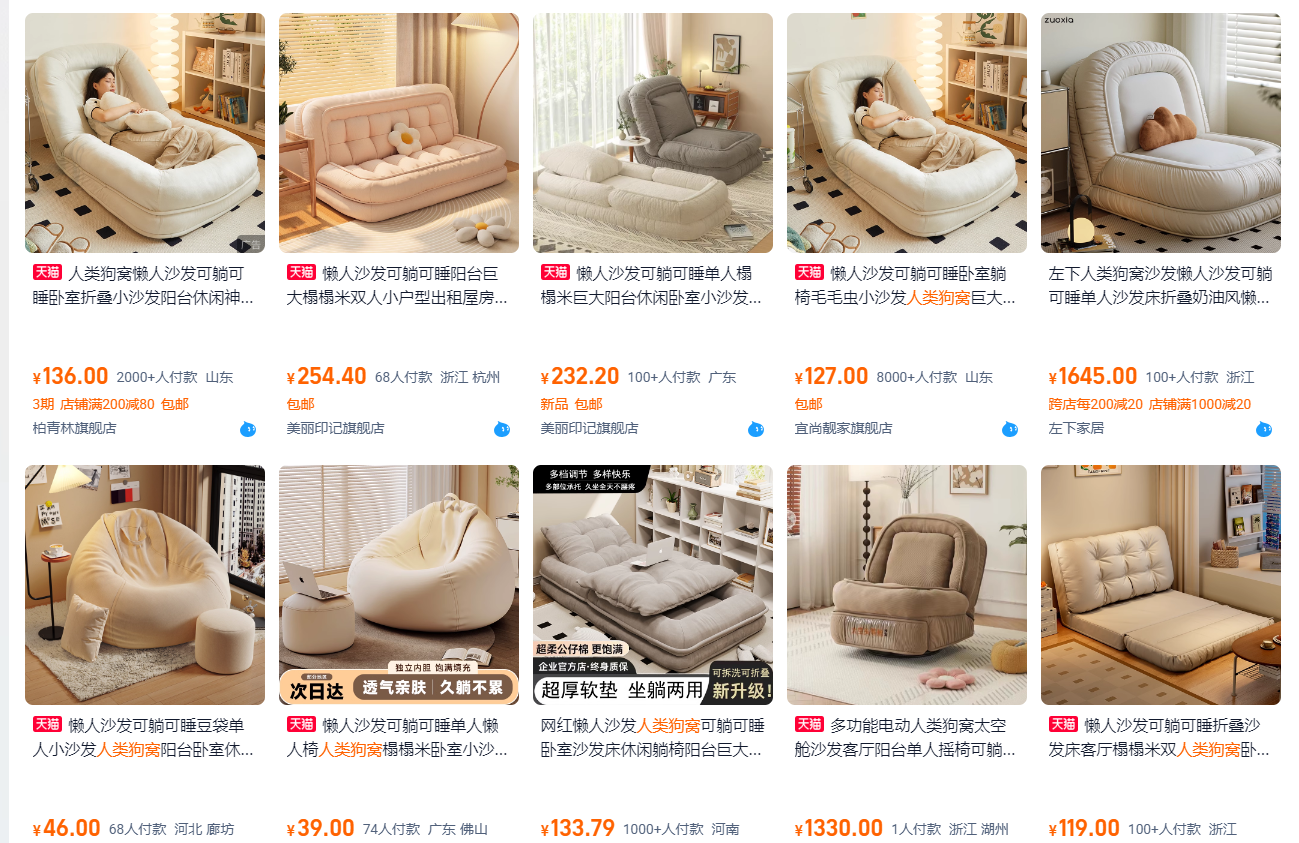
En China, también existen productos similares, e incluso se pueden encontrar fácilmente en plataformas como Taobao. Son como los sillones perezosos que surgieron antes, existiendo por la comodidad y el alivio del estrés. Incluso la mayoría de los productos en Taobao tienen un precio muy inferior a los 400 dólares de Plufl, pero ninguno ha tenido tanto éxito en el extranjero como Plufl.
¿Acaso nuestras marcas nacionales no han salido al extranjero?
Creo que no. En el contexto de la globalización económica, todo puede salir al extranjero, y es imposible que los chinos no hayan visto las oportunidades de negocio en la "economía perezosa/economía del sueño". Si es así, entonces la diferencia está en el marketing.
Es innegable que la marca Plufl ha logrado avances en marketing. Se ha alineado precisamente con la demanda moderna de la economía del sueño, combinando la innovación del producto con la extracción de puntos de venta, y aprovechando la característica de los usuarios de TikTok de buscar "novedad y curiosidad" para hacer que un solo producto se vuelva viral, y luego usar ese producto para impulsar la promoción de la marca.
Este paso es sin duda un intento audaz, y también merece ser estudiado y reflexionado por nuestras marcas nacionales que salen al extranjero.


![La [ventaja de costo] de tiktok, las empresas que están haciendo medios sociales en el extranjero deben saber](/_next/image?url=https%3A%2F%2Fadmin.tktk.com%2Fuploads%2Fallimg%2F240711%2F1-240G11GR10-L.png&w=640&q=75)