 7005
7005
Recientemente, una noticia importante del ámbito de la expansión global ha generado gran atención:
El gigante de los videos cortos,TikTok, planea llevar su negocio de comercio electrónico, TikTok Shop, a Corea del Sur, con un lanzamiento oficial previsto para el tercer trimestre de 2026.
Este movimiento estratégico no solo marca la expansión del mapa de comercio electrónico deTikTok en Asia Oriental, sino que también anticipa la llegada de un competidor poderoso al quinto mercado de comercio electrónico más grande del mundo.
Fuente de la imagen:Google
Apuntando a Corea del Sur en 2026, un nuevo avance en el mapa del comercio electrónico de Asia Oriental
Según fuentes internas, aunque la fecha de lanzamiento oficial está fijada para el tercer trimestre de2026, el ritmo de implementación se evaluará y optimizará dinámicamente según el rendimiento real en Japón, y podría incluso estar disponible para los consumidores surcoreanos a partir del segundo semestre de 2026.
Antes de esto, los esfuerzos principales deTikTok en la primera mitad del año se centrarán en la apertura de nuevos mercados en Europa, pero las expectativas del sector sobre el mercado surcoreano ya están aumentando silenciosamente.
El mercado surcoreano, con su alta penetración de internet, fuerte poder adquisitivo y gran sensibilidad a la cultura de tendencias, siempre ha sido un campo de batalla clave para las plataformas de comercio electrónico globales. La llegada deTikTok Shop sin duda agitará las aguas en este mercado altamente competitivo.

Fuente de la imagen:Google
Impacto en los vendedores: un océano azul de oportunidades y desafíos
Para los vendedores que buscan expandirse globalmente, especialmente aquellos que ya han trabajado profundamente en el ecosistema deTikTok, la llegada de TikTok Shop a Corea del Sur significa en primer lugar un océano azul de crecimiento con un enorme potencial.
Corea del Sur tiene una cultura similar a la de China y muchas preferencias de consumo en común, lo que brinda a los vendedores chinos ventajas naturales en la selección de productos y el marketing.
Aprovechando el enorme flujo de contenido deTikTok, los vendedores tienen la oportunidad de llegar a millones de consumidores potenciales a través de videos cortos y transmisiones en vivo de ventas, evitando los múltiples intermediarios del comercio electrónico tradicional y logrando un crecimiento acelerado que combine marca y rendimiento. Los vendedores con ventajas en la cadena de suministro en áreas como cosméticos, moda, electrónica de consumo y productos de moda tendrán una nueva ventana de oportunidad.
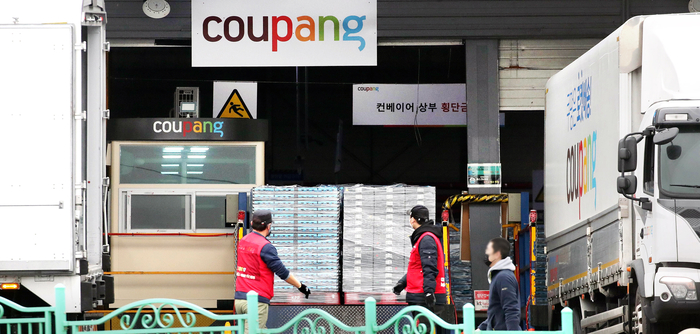
Sin embargo, las oportunidades suelen ir acompañadas de desafíos sin precedentes. El mercado local de comercio electrónico en Corea del Sur ya está bastante maduro, con gigantes locales comoCoupang y Naver Shopping, así como actores internacionales como AliExpress al acecho. La entrada de TikTok Shop obligará a los vendedores a tener una capacidad de gestión más refinada.

Fuente de la imagen:Google
Simplemente depender de videos copiados y estrategias de bajo precio no será suficiente para mantenerse. Los vendedores necesitarán comprender profundamente la cultura de consumo única y las tendencias de Corea del Sur, creando contenido y escenarios de transmisión en vivo localizados para destacar en la feroz competencia por el tráfico.
Al mismo tiempo, la eficiencia logística, el servicio al cliente en coreano y los complejos problemas fiscales y de cumplimiento local se convertirán en nuevos requisitos que pondrán a prueba la capacidad integral de los vendedores.
Fuente de la imagen:Google
Impacto en el desarrollo de la plataforma: remodelando el ecosistema de comercio electrónico y contenido en Corea del Sur
Desde una perspectiva macro del desarrollo de la plataforma, la entrada deTikTok Shop en Corea del Sur no es simplemente agregar un canal de ventas; es muy probable que transforme profundamente el panorama del comercio electrónico y las redes sociales en el país.
TikTok ya cuenta con una gran base de usuarios jóvenes en Corea del Sur, con un negocio de entretenimiento que avanza sin problemas. La inyección del negocio de comercio electrónico abrirá completamente el ciclo de conversión del consumo de contenido a las compras.
Esto significa que, en el futuro, los consumidores surcoreanos, mientras navegan por videos cortos entretenidos o ven transmisiones en vivo de sus creadores favoritos, podrán realizar compras de manera inmediata. Este modelo de comercio electrónico basado en intereses impactará directamente al modelo tradicional de comercio electrónico centrado en la búsqueda.
Además, esto obligará a las plataformas de comercio electrónico y contenido locales en Corea del Sur a acelerar su integración e innovación.La llegada de TikTok Shop activará la innovación en todo el mercado de comercio electrónico surcoreano, impulsándolo hacia un desarrollo más basado en contenido y social.

Fuente de la imagen:Google
Conclusión
Con el lanzamiento oficial deTikTok Shop en Corea del Sur, está a punto de comenzar una nueva batalla de comercio electrónico centrada en el tráfico, el contenido y las transacciones.
Para los vendedores, este es un momento clave para planificar con anticipación y trabajar de manera detallada; para toda la industria del comercio electrónico en Corea del Sur, se acerca una era llena de incertidumbre pero también más dinámica.
Quien pueda aprovechar esta ola comercial impulsada por los videos cortos, tendrá un lugar en el futuro mapa del comercio electrónico de Asia Oriental.