1772
1772
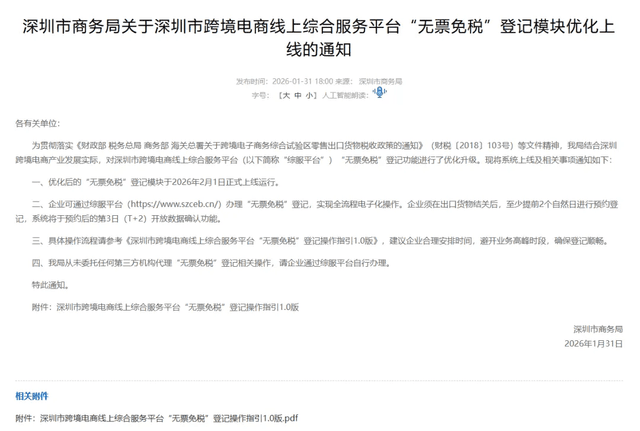
Pour les vendeurs de commerce électronique transfrontalier qui dépendent de l'expédition directe à l'étranger, une période de dividendes politiques qui a duré plusieurs années touche à sa fin.
Récemment, l'Union européenne a officiellement approuvé une réforme tarifaire de grande envergure, annonçant qu'à partir du1er juillet 2026, la politique d'exemption de droits de douane pour les colis d'importation d'une valeur ne dépassant pas 150 euros sera officiellement supprimée.

Source : Internet
Cela signifie que les marchandises à bas prix qui permettaient à d'innombrables petits et moyens vendeurs de se connecter étroitement avec les consommateurs mondiaux« voie verte » sera fermée, et une transformation profonde autour des coûts, des modèles et de la conformité s'annonce.
La mise en œuvre de cette nouvelle règle ne se fait pas du jour au lendemain, mais une période de transition de deux ans a été fixée (du 1er juillet 2026 au 30 juin 2028).
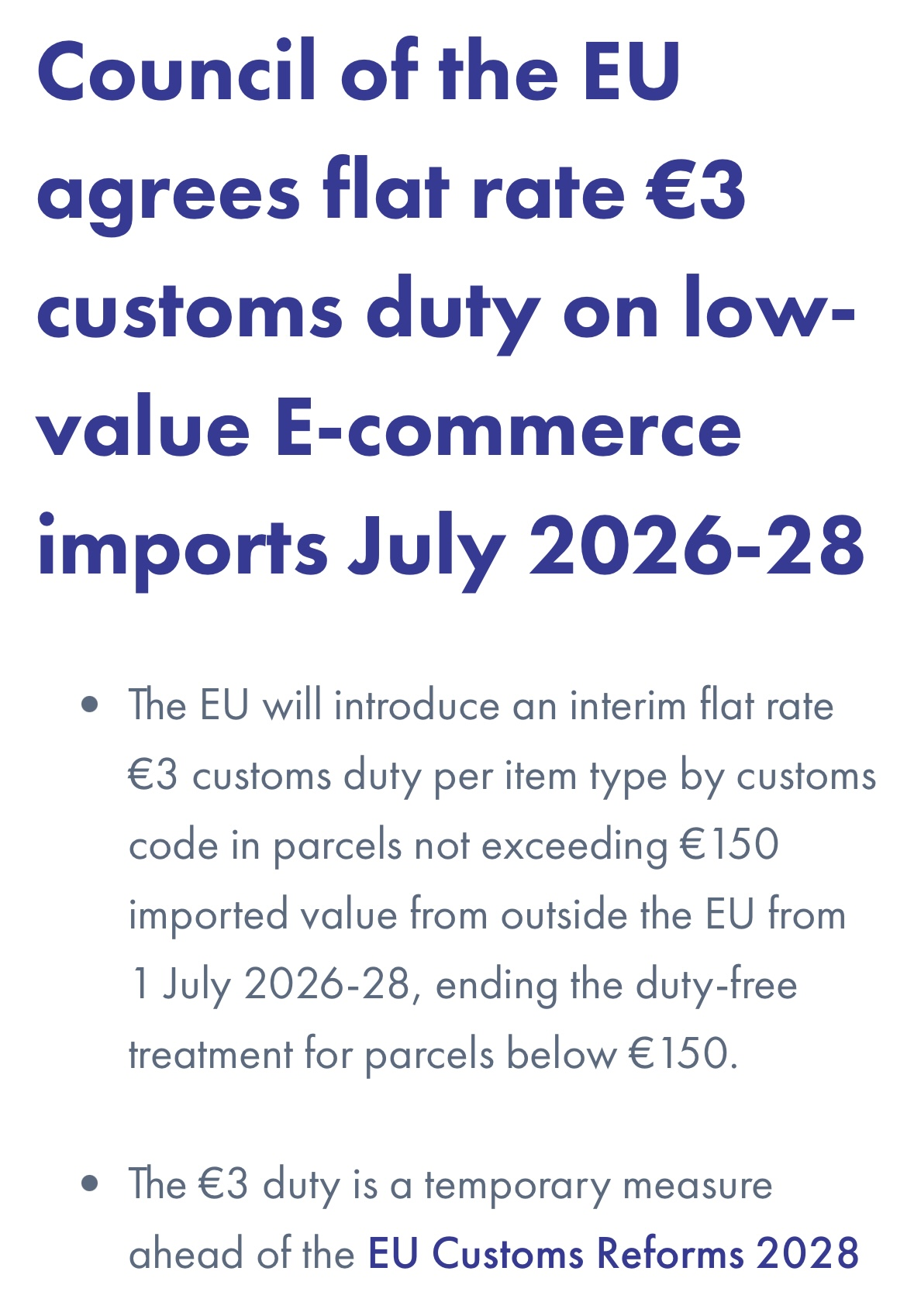
Pendant cette période, pour les colis d'une valeur ne dépassant pas150 euros, expédiés directement aux consommateurs de l'UE, un droit de douane fixe de 3 euros par article sera appliqué selon la catégorie de marchandises.
Source :vatcalc
Il est important de noter que si un colis contient des marchandises appartenant à différentes catégories, les droits de douane doivent être calculés et payés séparément. Par exemple, un colis contenant à la fois un haut en soie et un haut en laine, appartenant à deux catégories différentes, le droit de douane à payer sera de6 euros.
Le champ d'application de la nouvelle règle est très large, que ce soit pour les marchandises déclarées via le mécanisme de guichet unique d'importation ou les colis postaux traditionnels, ils seront tous intégrés dans le nouveau système fiscal, ne laissant pratiquement aucune marge de manœuvre pour les contourner.
Bouleversement de la structure des coûts, le modèle de vente à bas prix est confronté à un test de survie
La mise en œuvre de la nouvelle règle affecte en premier lieu les vendeurs transfrontaliers qui dépendent depuis longtemps de la stratégie de vente à bas prix.
Selon les statistiques, actuellement, près de180 colis de livraison directe entrent sur le marché européen chaque seconde, dont 97% sont de petits articles. Sur les plateformes de commerce électronique transfrontalier comme Temu et Shein, plus de 95% des produits ont un prix unitaire inférieur à 150 euros. La nouvelle politique devrait augmenter le coût moyen de ces produits de 15% à 20%.

Source : Internet
Pour les vendeurs qui misent sur le rapport qualité-prix et dont les marges bénéficiaires sont déjà limitées, c'est sans aucun doute un coup presque dévastateur. Les pratiques précédentes consistant à diviser les colis ou à réduire la valeur déclarée pour contourner les droits de douane deviendront totalement inefficaces, surtout lorsque le colis contient plusieurs catégories de marchandises, l'augmentation multiple des coûts de droits de douane engloutira directement les maigres bénéfices, forçant les vendeurs à revoir leur stratégie de prix et leur logique de sélection de produits.
Face à la hausse rigide des coûts, la stratégie des vendeurs doit passer d'une guerre des prix à une guerre de la valeur.
D'une part, on peut optimiser la gestion de la chaîne d'approvisionnement, rechercher des ressources en amont plus avantageuses en termes de coûts, ou diluer le coût des droits de douane par article en vendant en lots ou en augmentant le panier moyen.
D'autre part, et c'est une voie plus fondamentale, accélérer la transition de « Made in China »、vente à bas prix vers l'exportation de marques、Transformation axée sur la qualité. En renforçant la valeur ajoutée telle que le design produit, les fonctionnalités, et l'histoire de la marque, construisez un fossé défensif de marque pour lequel les consommateurs sont prêts à payer un prix plus élevé, afin d'absorber les nouveaux coûts tarifaires et de réaliser un développement durable.
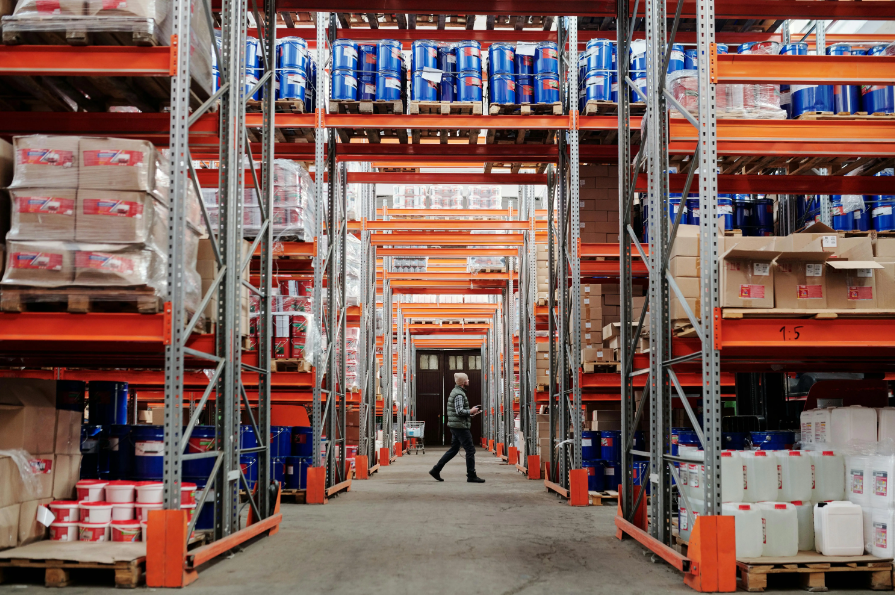
En outre, explorer activement la création d'entrepôts à l'étranger au sein de l'UE, en convertissant les colis dispersés en lots de marchandises pour le dédouanement puis en effectuant une livraison locale, est également l'une des voies possibles pour éviter les droits de douane sur les petits colis et améliorer l'efficacité logistique.
Source : Internet
Conclusion
L'UE annuleL'exemption des droits de douane de 150 euros marque la fin officielle de la période de « croissance sauvage » des avantages fiscaux pour le commerce électronique transfrontalier, et l'entrée dans une phase de développement réglementé où les règles sont plus claires, les coûts plus transparents et la concurrence plus complète.
Certes, cela inflige des douleurs de croissance aux vendeurs habitués au modèle traditionnel, mais c'est aussi une occasion de sélection naturelle et de promotion de la mise à niveau globale de l'industrie.
Pour les entreprises et plateformes chinoises qui s'internationalisent, seule une adaptation proactive aux changements, l'intégration de la conformité comme fondement opérationnel et l'adoption de la construction de marque comme stratégie à long terme leur permettront de trouver leur propre voie de croissance sous les nouvelles règles du commerce mondial.