 1943
1943
Ceux qui font du commerce électronique transfrontalier, en particulier ceux qui s'investissent profondémentLes amis de TikTok, ont probablement tous vécu cette expérience d'échec de « rencontre virtuelle » : en arrière-plan, des centaines de messages privés envoyés avec un taux de réponse lamentable ; après avoir réussi à convaincre un influenceur, on lui a envoyé un tas d'échantillons, et finalement la vidéo publiée ressemblait à un diaporama PowerPoint, avec un effet de vente quasi nul.
Aujourd'hui, nous allons parler de la manière d'utiliser une logique compréhensible pour tout le monde pour convaincre les influenceurs, afin que chaque minute de votre temps d'exploitation ne soit pas perdue.
Source de l'image :TikTok
Première étape : ne cherchez plus une aiguille dans une botte de foin, apprenez à suivre les indices.
La première erreur que commettent de nombreux débutants dans la mise en relation est de ne regarder que le nombre de followers. Ils voient un grand compte avec un million de followers et leurs yeux s'illuminent, pensant que si ça marche, la boutique explosera de commandes ? Mais le résultat est souvent un prix exorbitant et un rendement final inférieur à celui d'un petit blogueur.
Souvenez-vous d'une phrase : le nombre de followers n'égale pas la capacité à vendre, c'est l'adéquation entre les personnes et les produits qui compte vraimentyyds (le dieu éternel).
Alors, comment trouverla « bonne personne » ? Vous devez agir comme un détective et utiliser les canaux suivants :
Zone de commentaires des concurrents« Débaucher » :
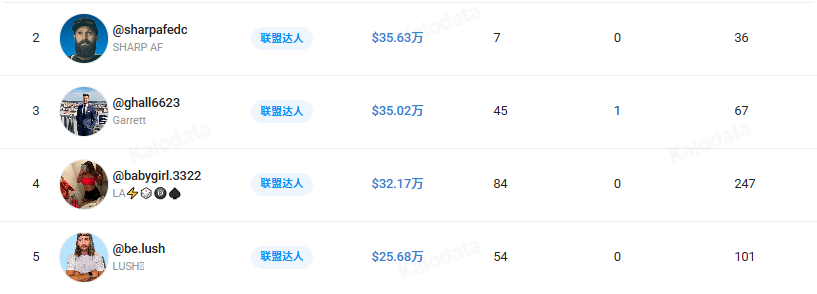
C'est une méthode à faible coût et extrêmement précise. Aujourd'hui, de nombreuses plateformes de données permettent de consulter directement la liste des influenceurs associés à une marque. Ouvrez ces outils, recherchez les marques leaders de votre catégorie, et vous pourrez voir leur récentcollaboration avec les influenceurs au cours des 30 derniers jours, combien de ventes chaque influenceur a générées, et à quoi ressemblent leurs vidéos. Vous les intégrez directement dans votre liste de mise en relation, c'est bien plus précis que de chercher une aiguille dans une botte de foin.
Logique de filtrage stratifiée :
Si vous testez un nouveau produit avec un budget limité : concentrez-vous sur les influenceurs de milieu de gamme (100 000 – 500 000abonnés) voire les influenceurs de fin de gamme. De nombreux influenceurs de niche avec quelques dizaines de milliers d'abonnés, grâce à un contenu très vertical, ont une forte adhésion des fans et un taux de conversion qui écrase même les têtes d'affiche.
Si vous avez besoin de contenu pour le trafic payant : dans ce cas, il n'est pas nécessaire d'avoir beaucoup de followers, seulement une bonne qualité de contenu. Vous pouvez contacter des amateurs qui produisent régulièrement des vidéos de haute qualité, obtenir les droits d'auteur du contenu par échange d'échantillons, puis lancer le trafic payant, à un coût très bas.
Source de l'image :kalodata
Deuxième étape : résoudre le problème du « lu mais non répondu », communiquer avec sincérité pour toucher le cœur.
Filtrer les influenceurs n'est que la première étape ; la façon de parler est la clé du succès ou de l'échec.
N'utilisez-vous pas encore ce modèle« passe-partout » : « Dear, we like your video, want to cooperate, pls contact me. » ? Ce genre de message, les influenceurs en reçoivent des dizaines par jour et le balayent sans même le regarder.
Comment font les experts ? Ils suivent la formule « éloges spécifiques + avantages clairs ».
Décortiquons un script pratique :
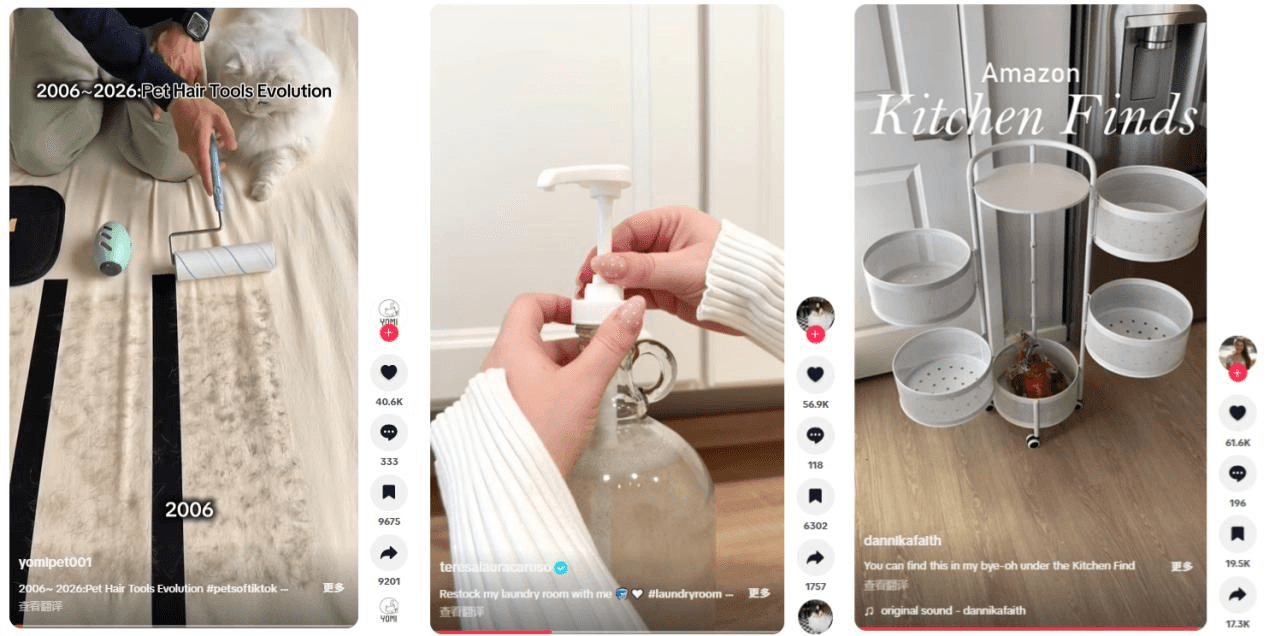
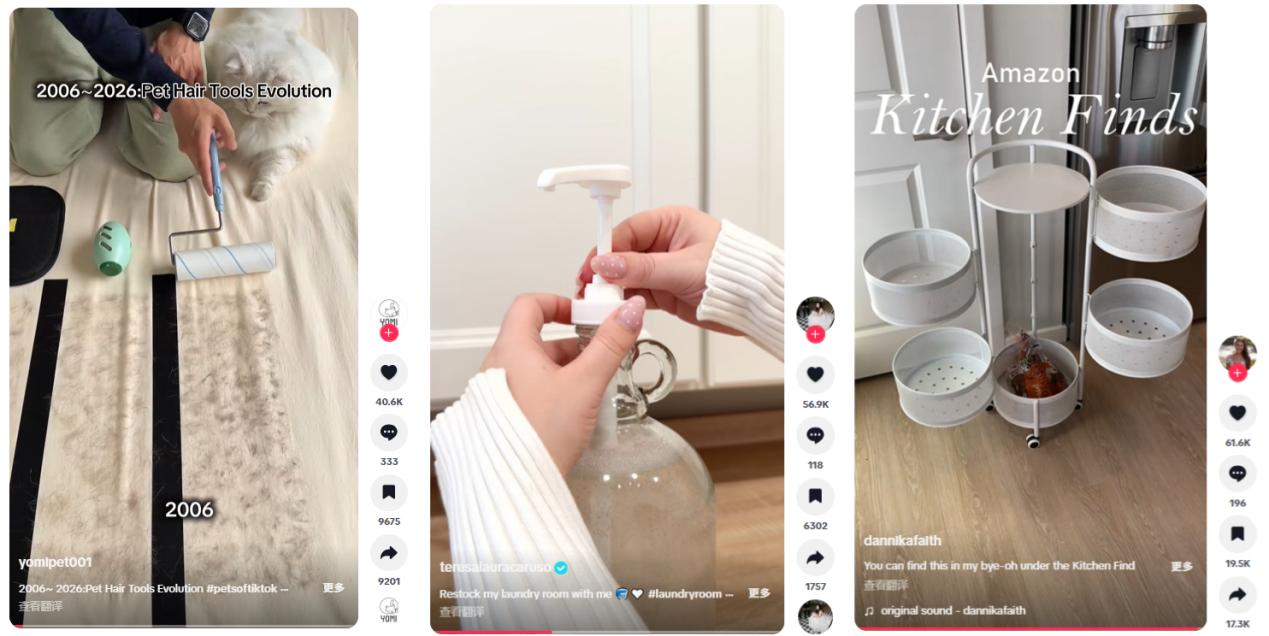
« Salut [Nom], je te suis depuis longtemps ! La semaine dernière, ta vidéo sur le 'range-couteau de cuisine' était vraiment créative, j'ai vu pour la première fois ce design de panier rotatif (éloge spécifique). Nous sommes une marque chinoise spécialisée dans les ustensiles de cuisine, et nous venons de développer une étagère sans perçage qui correspond parfaitement au style de ta vidéo (adéquation expliquée). Nous aimerions t'offrir un échantillon gratuit pour essayer, et si tu l'aimes, nous pouvons proposer une commission élevée (20 %) pour une collaboration de vente, ou même un simple unboxing vidéo de ta part nous rendrait très heureux (abaissement des barrières). Ça t'intéresse d'en discuter ? »
La logique de ce script est :
montrer que tu n'as pas envoyé un message de masse, tu as réellement regardé son contenu.
expliquer que le produit est pertinent pour lui, sans qu'il se sente dérangé.
offrir un choix complet (commission ou échantillon gratuit), minimisant la pression.
De plus, si les réponses tardent pendant les périodes de promotions, ne reste pas inactif. Essaie decontacter via plusieurs canaux comme TikTok DM, WhatsApp ou email, mais reste poli et laisse quelques jours entre les relances.
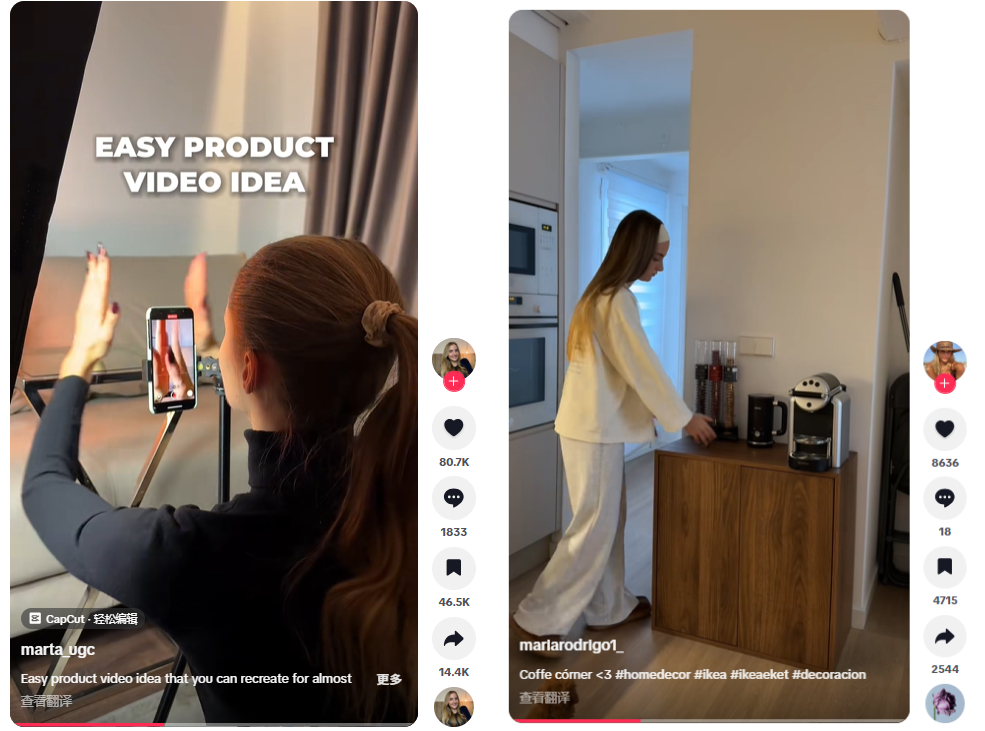
Source de l’image :TikTok
Troisième étape : De la« vente unique » à « l’ancrage profond », la stratégie ultime des experts
Une fois les problèmes de lenteur de réponse et d’inadéquation résolus, le plus difficile reste souvent le faible engagement. Par exemple, le script est filmé de manière bâclée, ou la publication n’est pas faite à la date convenue. Ici, il faut comprendre que la simple relation acheteur-vendeur est la moins solide.
Voici un cas réel de haut niveau : une co-création de marque
Un grand vendeur transfrontalier dans le secteur des soins corporels, appeléEldon, confronté à un plafond de trafic en Asie du Sud-Est, n’a pas choisi de lancer large, mais a opté pour une « co-création de marque » avec des influenceurs de premier plan.
Comment a-t-il fait ? Il a repéré un influenceur de 10 millions de followers spécialisé dansle contenu « parentalité familiale ». Au lieu de payer l’influenceur pour une vidéo comme d’habitude, il l’a impliqué dans le développement d’un produit de soin mère-enfant. L’influenceur a fourni les besoins basés sur son expérience (par exemple, ingrédients plus doux, emballage facile à utiliser d’une seule main), tandis que l’équipe d’Eldon s’est chargée de la chaîne d’approvisionnement et de la production. On dit qu’ils ont fait plus de 50 échantillons pour un seul détail.
Résultat ? Le produit s’est vendu très rapidement après son lancement.
Pour le partage des bénéfices, ils ont adopté un mécanisme en couches :sur le canal TikTok, commission élevée pour l’influenceur lors des lives ; si la vente de la marque atteint un certain palier de GMV, des20%—50%dividendes supplémentaires sont versés ; si la marque s’étend àdes canaux comme Shopee, l’influenceur continue de recevoir des dividendes.

Source de l'image : Yibang Dongli
En conclusion
Sur le chemin de l'établissement de liens avec les influenceurs, au début, on tombera inévitablement sur des pièges, on rencontrera« Lu sans réponse », on rencontrera des falsifications de données. Mais tant que vous changez votre état d'esprit de « je gaspille du temps d'exploitation » à « j'accumule des actifs de marque », tout s'éclaircira.
La prochaine fois que vous ouvrirez la boîte de dialogue de message privé, demandez-vous : quelle valeur unique puis-je apporter à cet influenceur ? Est-ce un produit de qualité, une récompense généreuse, ou un avenir pour grandir ensemble ? Une fois que vous avez compris cela, votre chemin de mise en relation deviendra vraiment fluide.