 2409
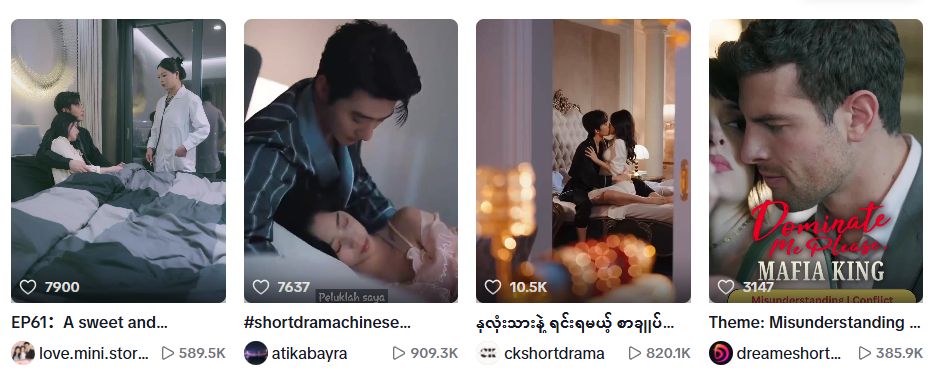
2409Mentre i giganti globali dello streaming stanno ancora considerando come organizzare i video brevi,TikTok ha silenziosamente portato il business delle serie brevi negli Stati Uniti a nuovi livelli. Secondo le notizie del 25 marzo, TikTok sta attualmente testando in alcuni mercati, tra cui gli Stati Uniti, un nuovo accesso per le serie brevi chiamato "TikTok Short Drama", e ha già iniziato a preparare produzioni originali, passando ufficialmente da promotore a player nel settore delle serie brevi.
Fonte dell'immaginebusinessinsider
daDa "allestire il palco" a "recitare la commedia", TikTok scende in campo per creare contenuti.
Se di recente hai scrollatoSu TikTok, potrebbe apparire una nuova voce chiamata "TikTok Short Drama". Non si tratta di una semplice aggregazione di contenuti di terze parti, ma di TikTok che ha "trasferito" direttamente i contenuti dell'app di brevi drammi PineDrama, precedentemente acquisita, sulla piattaforma principale, promuovendoli con forza attraverso pubblicità.
Ma ciò che merita maggiore attenzione è,TikTok non si accontenta più di essere solo una piattaforma. Secondo quanto rivelato da email interne dei dipendenti, questo mese TikTok ha iniziato a reclutare attori per una nuova serie breve, con l’intenzione di creare un’opera in stile soap opera. In realtà, TikTok aveva già messo le basi: già a novembre dello scorso anno, ha depositato negli Stati Uniti il marchio "TikTok Drama", con un ambito commerciale che include chiaramente lo sviluppo e la produzione di serie brevi, programmi televisivi e web series.
Fonte dell'immagine:TikTok
Cosa amano guardare gli americani? Boss della mafia, bambini adorabili, CEO, e ancheAI gorilla
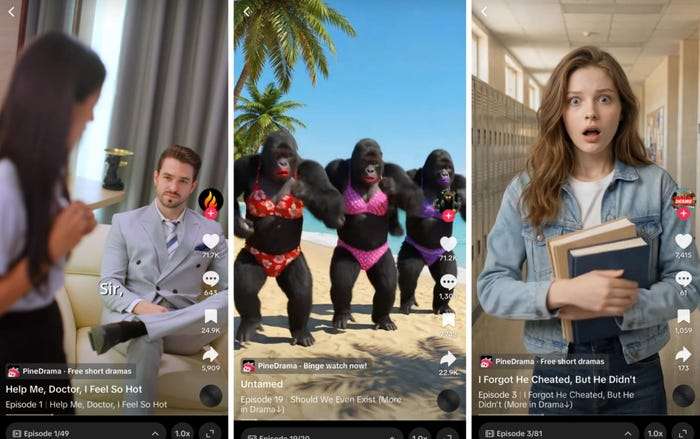
Le categorie di cortometraggi popolari su TikTok sono molto vicine al pubblico: Crime Lord (boss della mafia), Cute Kids (bambini carini) e CEO (amministratore delegato) sono i tre generi più seguiti.
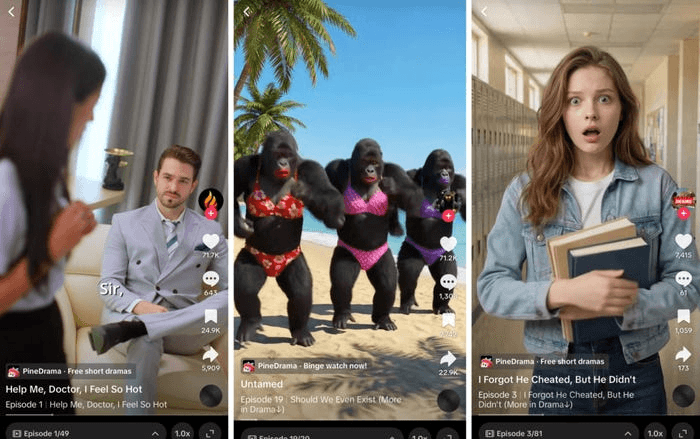
Ma ciò che sorprende di più è un film intitolato 《Il cortometraggio generato dall'IA di "Untamed". Questa parodia in stile Tarzan ha superato 500 milioni di visualizzazioni. In un episodio appare persino una scena in cui un orso polare balla con un gorilla in bikini, e alla fine si riconosce ironicamente che è stato realizzato dall'IA.
Attualmente,I cortometraggi su TikTok sono principalmente forniti da partner terzi, tra cui circa 20 aziende di micro-drama come Snack Short, Net Short e Yuzu Drama, che si collegano alla piattaforma tramite funzionalità di mini-programmi.
Fonte: Internet
Il mercato delle short drama americane ha già“Impazzano”, persino Netflix non riesce a stare fermo.
TikTok è così ansiosa di entrare nel mercato perché il settore delle serie brevi negli Stati Uniti è già esploso. Secondo le stime della società di consulenza per lo streaming Owl & Co., solo poche aziende come ReelShort e DramaBox hanno già portato questo segmento di mercato a un volume di 1,4 miliardi di dollari (circa 9,659 miliardi di yuan).
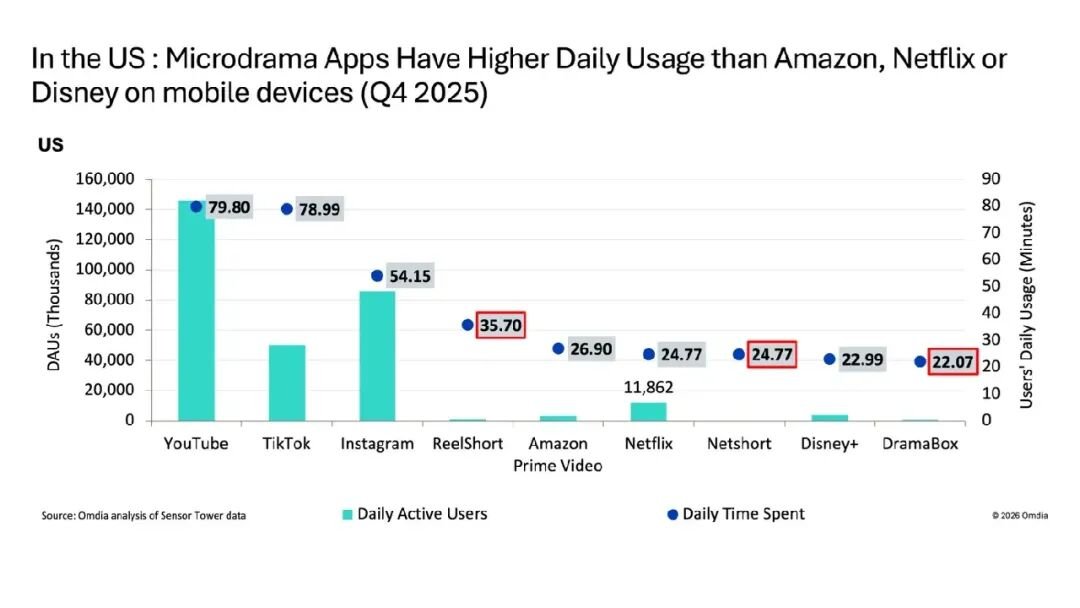
Ancora più sorprendente è la fedeltà degli utenti.I dati di Omdia mostrano che il tempo medio giornaliero di utilizzo delle app di cortometraggi da parte degli utenti statunitensi ha superato quello delle piattaforme di streaming tradizionali come Netflix e Disney+ — gli utenti di ReelShort trascorrono in media 35,7 minuti al giorno, mentre Netflix solo 24,8 minuti.
Non c'è da stupirsiNetflix, Paramount e Disney hanno tutte in programma di aumentare i contenuti video brevi quest'anno. Questo mese, Amazon ha anche testato la funzione di short drama nella sua app di streaming in India.
Fonte: Internet
Nuove modalità di monetizzazione:Il modello IAA + i drama AI diventano i nuovi preferiti
SecondoTikTok for Business ha rivelato che i drama brevi sono già una categoria di contenuti molto popolare. In termini di monetizzazione, il modello IAA (pubblicità in-app) sta portando nuovi incrementi al settore, mentre l'emergere dei drama AI ha iniettato nuovo sangue nel mercato.
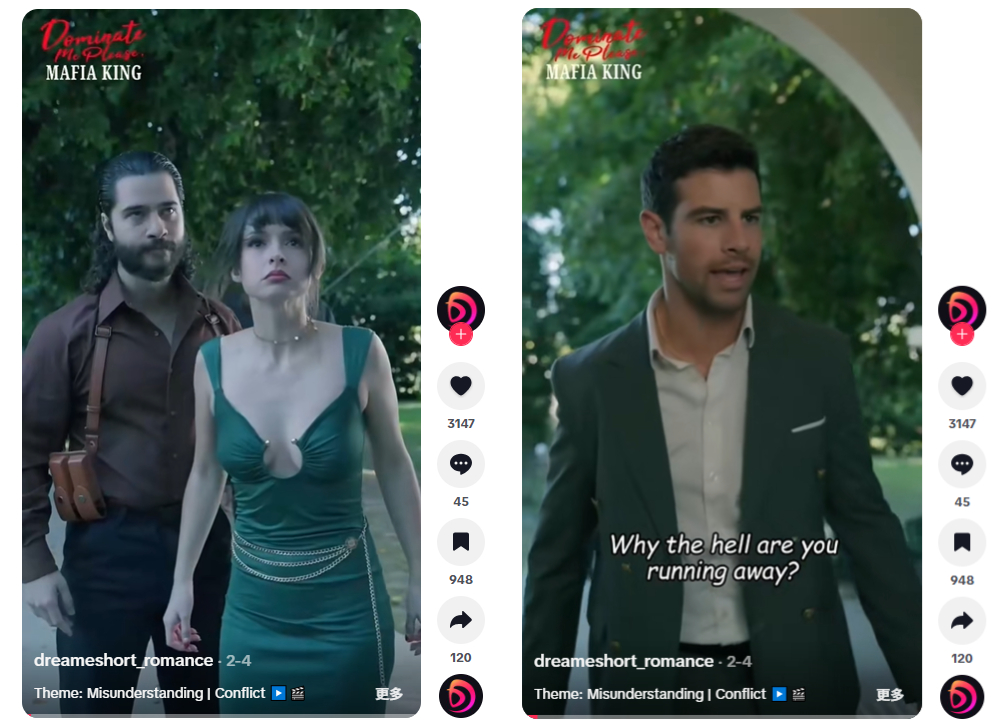
TikTok ha già formato una matrice di monetizzazione 'multi-modello + multi-collegamento': da un lato, attraverso i mini-programmi 'TikTok Minis' per short drama e la funzione di contenuti a pagamento 'Series', realizza IAP (acquisti in-app); dall'altro, sta anche sperimentando il modello IAA di contenuti gratuiti + condivisione degli introiti pubblicitari.
Fonte:TikTok
I drama autoprodotti potrebbero innescareil conflitto tra 'figli prediletti' e 'partner'
TuttaviaTikTok che si lancia direttamente nella creazione di contenuti potrebbe anche causare insoddisfazione tra i partner esistenti. Dopo tutto, attualmente circa 20 aziende di micro-drama sono collegate alla piattaforma tramite mini-programmi. Una volta che i drama autoprodotti di TikTok ottengono un favore nel traffico, le critiche di 'fare sia l'arbitro che il giocatore' saranno probabilmente inevitabili.
Certo,TikTok potrebbe non impegnarsi completamente nella produzione di contenuti. In precedenza, l'azienda si è avventurata in attività mediatiche come l'editoria di libri e i servizi per musicisti, ma non ha mai rappresentato una minaccia sostanziale per i partner. Ma questa volta, di fronte alla torta sempre più grande degli short drama, TikTok chiaramente non vuole essere solo una piattaforma che 'affitta'.
È prevedibile che, conl'arrivo di TikTok, questo super bacino di traffico, la concorrenza nel mercato degli short drama negli Stati Uniti passerà da 'acquisto di volume di contenuti' a 'gioco di ecosistema'. Che si tratti di app indipendenti come ReelShort o dei giganti tradizionali dello streaming, tutti devono ripensare le proprie strategie