 3789
3789Amazon sta per tornare“Rivoluzionare” un settore. Questa volta, nel mirino c'è la logistica.
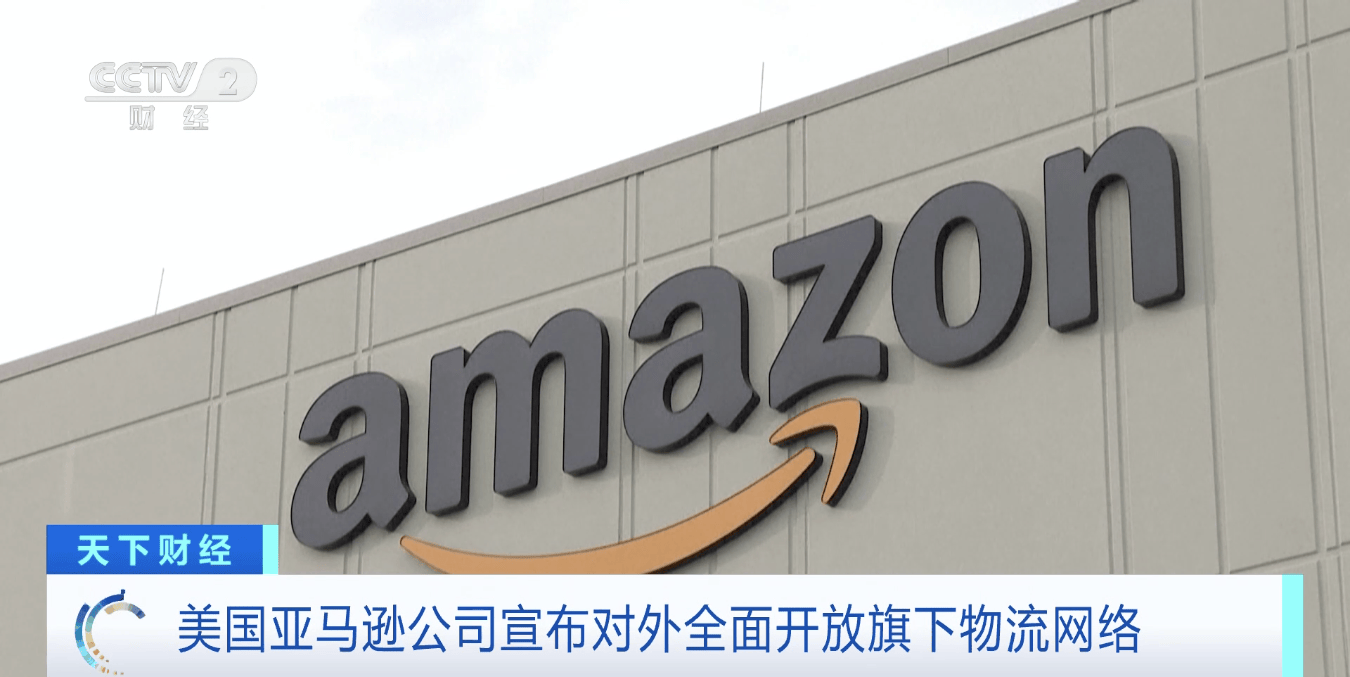
Ora locale USAIl 4 maggio, il gigante dell'e-commerce Amazon ha improvvisamente annunciato il lancio del “Amazon Supply Chain Services (ASCS)”, aprendo ufficialmente il suo enorme sistema logistico a tutte le imprese e a tutti i settori.
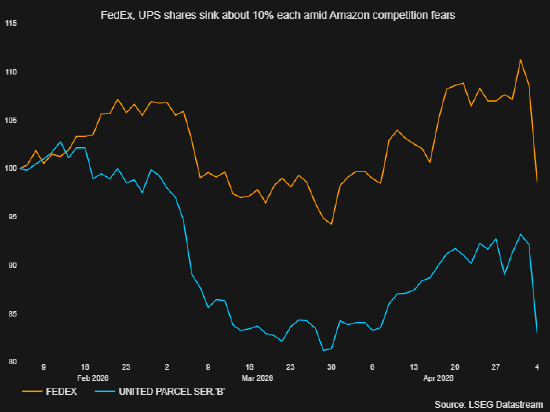
Appena diffusa la notizia, i titoli logistici di Wall Street sono crollati. Quelli che tracciano i principali titoli dei trasportiL'ETF iShares US Transportation è sceso di circa il 4% in un solo giorno, UPS è crollato di oltre il 10% a un certo punto, e FedEx ha perso più del 9%. Il titolo Amazon, invece, è salito di circa l'1% in controtendenza.
Fonte: Internet
Per molto tempo, il sistema logistico di Amazon è stato come un muro alto, aperto solo ai venditori della propria piattaforma. Questa mossa di Amazon ha direttamente abbattuto il muro, mettendo a disposizione l'intera capacità di trasporto merci, smistamento, evasione ordini e consegna dell'ultimo miglio, vendendola in pacchetto a tutta la società.
Questo è completamente diverso dal semplice servizio di corriere per la consegna dei pacchi.
Allora, perché Amazon è disposta a, dopo anni di enormi investimenti per costruire il‘fossato’ e aprirlo al pubblico? In realtà, la logica dietro è la stessa del servizio cloud di Amazon (AWS): prima migliora se stessa per soddisfare le proprie esigenze, poi mette l'infrastruttura matura come strumento a pagamento.
Fonte: CCTV Finance
Primi grandi clienti partono in anticipo,‘Trasportatore universale’ copertura senza punti ciechi
‘Amazon Supply Chain Services’ non è solo teoria; i migliori giganti manifatturieri e della vendita al dettaglio a livello globale hanno già iniziato a fare ordini in anticipo.
Il colosso dei beni di consumo Procter & Gamble e il gigante della vendita al dettaglio di abbigliamento American Eagle Outfitters sono diventati i primi‘mangiatori di granchi’. Secondo informazioni pubbliche, P&G sta utilizzando il servizio di trasporto merci di Amazon per trasportare rapidamente le materie prime urgenti nelle fabbriche. 3M sta utilizzando la rete logistica di Amazon per distribuire rapidamente i prodotti dalle fabbriche ai centri di distribuzione in tutto il mondo.
Un altro movimento ancora più degno di nota: P&G ha già affidato completamente l'intero trasporto di materie prime e prodotti finiti ad Amazon. American Eagle Outfitters, invece, ha delegato completamente la consegna di tutti gli ordini del suo negozio online. Ciò significa che una volta che questi grandi clienti assaggeranno i benefici,i posti di lavoro di UPS e FedEx saranno davvero a rischio.
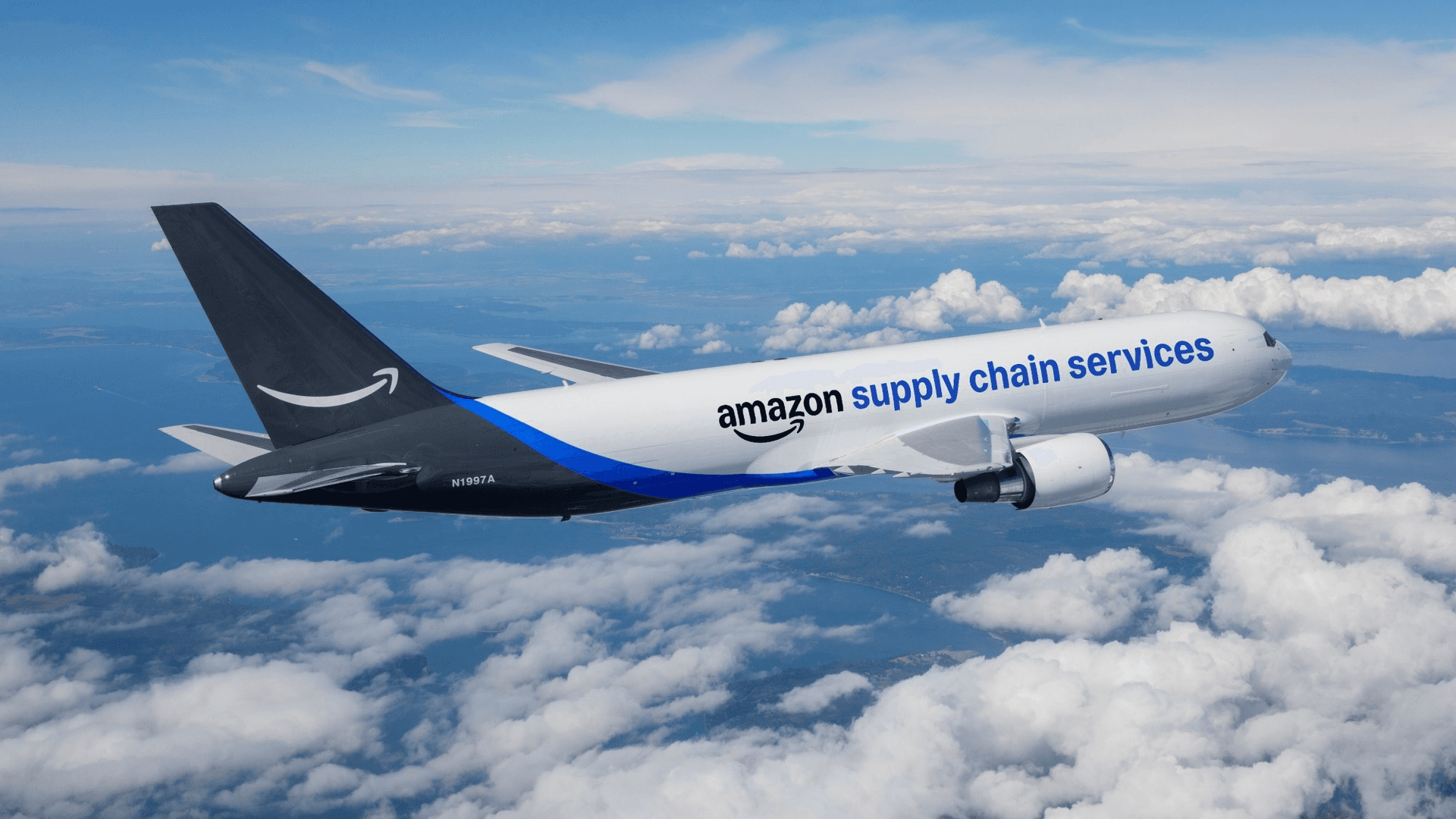
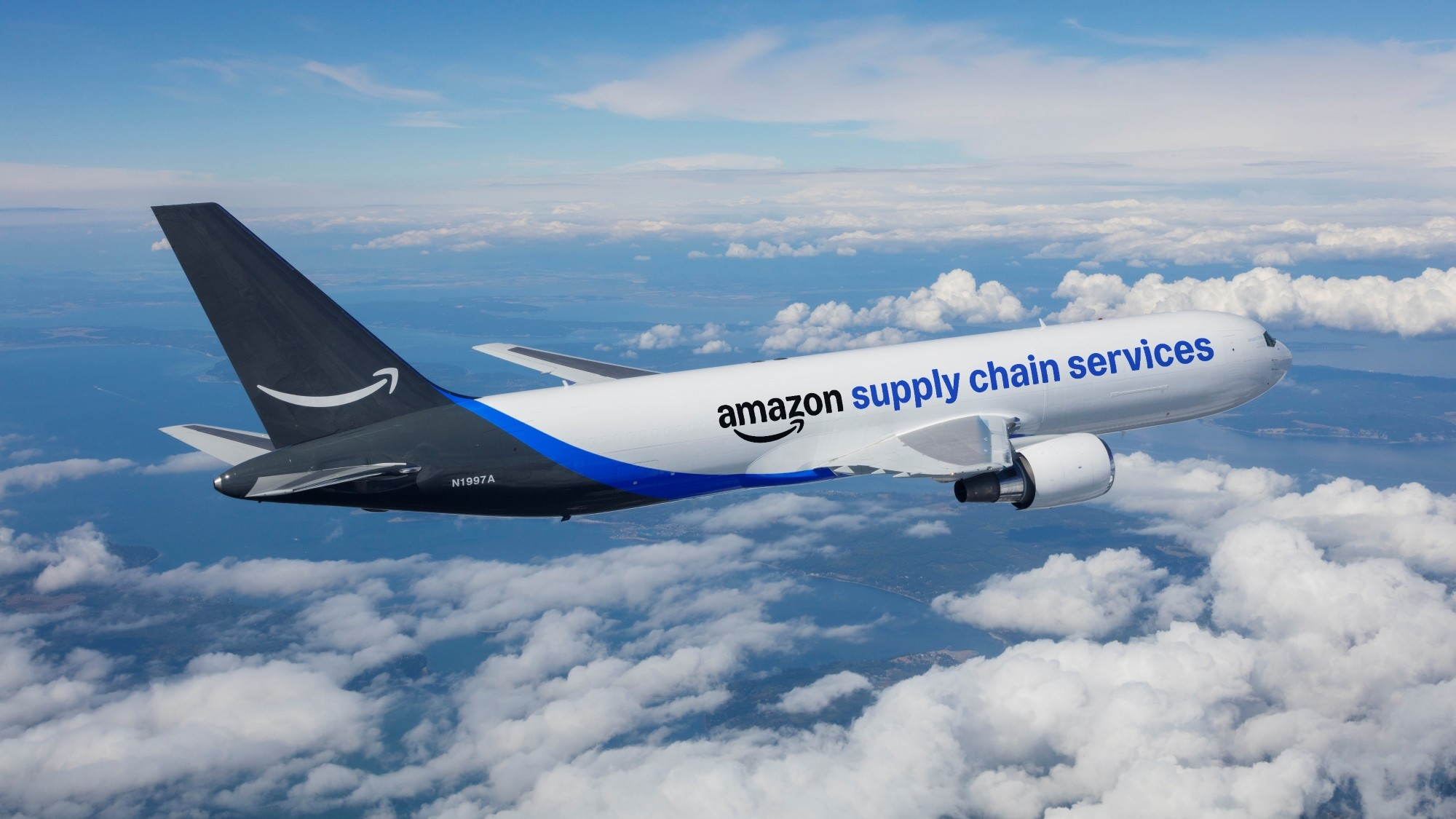
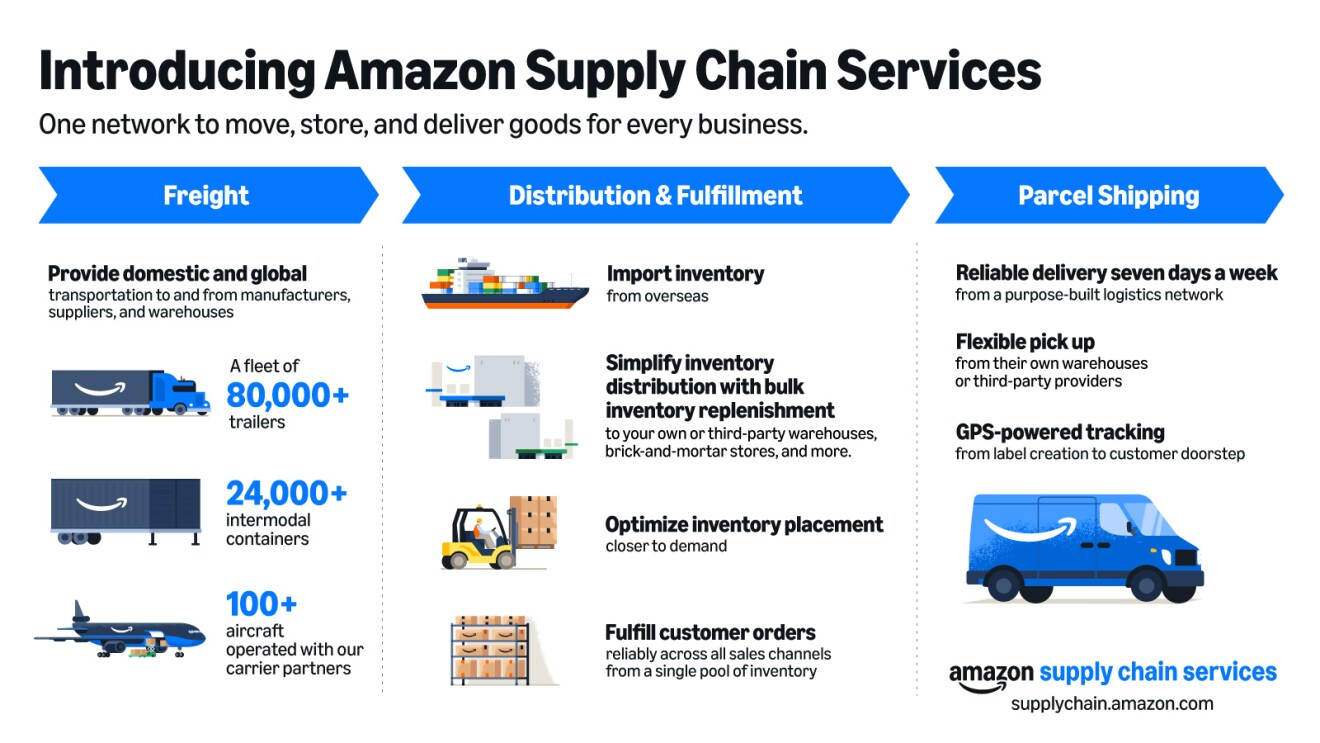
Più importante, questo servizio copre quasi tutti i nodi di trasporto marittimo, terrestre e aereo. Dal trasporto marittimo, aereo, terrestre al trasporto ferroviario, tutto è incluso in un pacchetto. Le aziende non hanno nemmeno bisogno di vendere sulla piattaforma Amazon per utilizzare questo sistema.
Fonte:Amazon
Le carte vincenti vengono rivelate per la prima volta, per dimensioni seconde solo a FedEx eUPS
Amazon ha la fiducia per sfidare l'intero mondo della logistica, grazie agli investimenti in denaro contante‘asset pesanti’.
Secondo i rapporti finanziari di Amazon e notizie correlate, a partire daAll'inizio del 2026, Amazon aveva più di 200 centri di distribuzione negli Stati Uniti. Ciò che è ancora più impressionante è la flotta aerea che nessun altro ha: Amazon possiede una flotta di oltre 100 aerei cargo, la seconda più grande negli Stati Uniti dopo FedEx e UPS. Con oltre 80.000 rimorchi e 24.000 container intermodali in tutto il paese, lo scheletro di questo esercito logistico di Amazon è già formato.
Inoltre, l'algoritmo estremamente efficiente dei big data è la sua arma segreta. Può, attraversol'IA prevedere cosa comprerai, spostare la merce in anticipo nel magazzino più vicino a casa tua, e completare il pagamento della consegna dell'ultimo miglio in soli 2-5 giorni in base ai dati.
Gli analisti di Bernstein avvertono che questo nuovo servizio potrebbe riscrivere completamente le regole del flusso del settore logistico statunitense, intensificando la concorrenza interna tra le imprese tradizionali in termini di prezzo e tempi di consegna.
Fonte immagine:Amazon
Conquistare il mondo con l'"integrazione", le armi digitali stanno accelerando il rimescolamento.
Con questa apertura della supply chain, Amazon ha praticamente combinato i servizi di magazzino e trasporto precedentemente frammentati in un sistema operativo con molteplici modalità di gioco. Che tu operi nel settore medico, gestisca una fabbrica o venda abbigliamento, nel backend puoi gestire con un clic il trasporto delle materie prime, la logistica principale e la consegna dell'ultimo miglio.
E l'obiettivo di Amazon si è già concentrato sulle spedizioni commerciali di alto valore e alta frequenza. QuesteLe attività B2B sono spesso più redditizie e con ordini più stabili rispetto alla consegna di carta igienica alle famiglie, e questo è proprio il mercato di base che UPS e FedEx non vogliono perdere.
Naturalmente, questa è sia una sfida che un'opportunità. Con Amazon che riorganizza il panorama azionario della logistica, in futuro le piattaforme di e-commerce e le società di logistica nazionali dovranno riflettere: se anche loro dovrebbero implementarel'"apertura della logistica proprietaria"? E nella tendenza alla frammentazione del commercio globale, la supply chain digitalizzata diventerà il talismano della prossima generazione di e-commerce e manifattura?