1. Riepilogo del rapporto
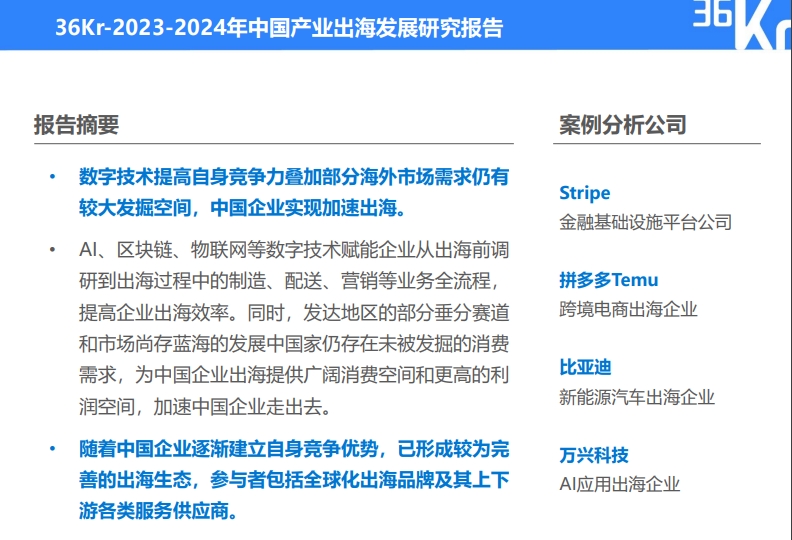
- Le imprese cinesi sfruttano le tecnologie digitali per migliorare la propria competitività, mentre alcune domande dei mercati esteri non sono ancora state pienamente esplorate, offrendo opportunità e spazi per l'espansione internazionale delle aziende cinesi. Attualmente, le imprese cinesi che operano all'estero hanno formato un ecosistema relativamente completo, che include marchi globalizzati e vari fornitori di servizi a monte e a valle.
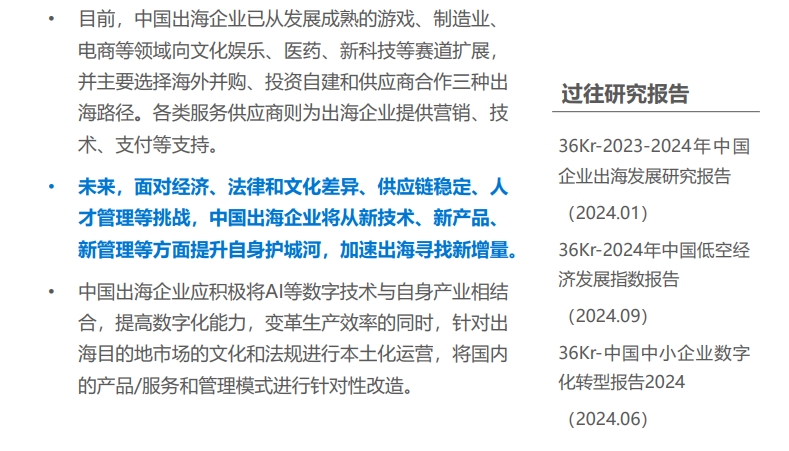
- Le imprese cinesi in espansione internazionale si stanno estendendo da settori maturi a quelli come cultura e intrattenimento, farmaceutica, nuove tecnologie, scegliendo principalmente tre percorsi: fusioni e acquisizioni all'estero, investimenti e costruzioni autonome, e collaborazione con fornitori. In futuro, le aziende cinesi affronteranno sfide economiche, legali, culturali, di stabilità della supply chain e di gestione del personale, e dovranno migliorare la propria competitività attraverso nuove tecnologie, nuovi prodotti e nuove gestioni per accelerare l'espansione internazionale e cercare nuovi margini di crescita.
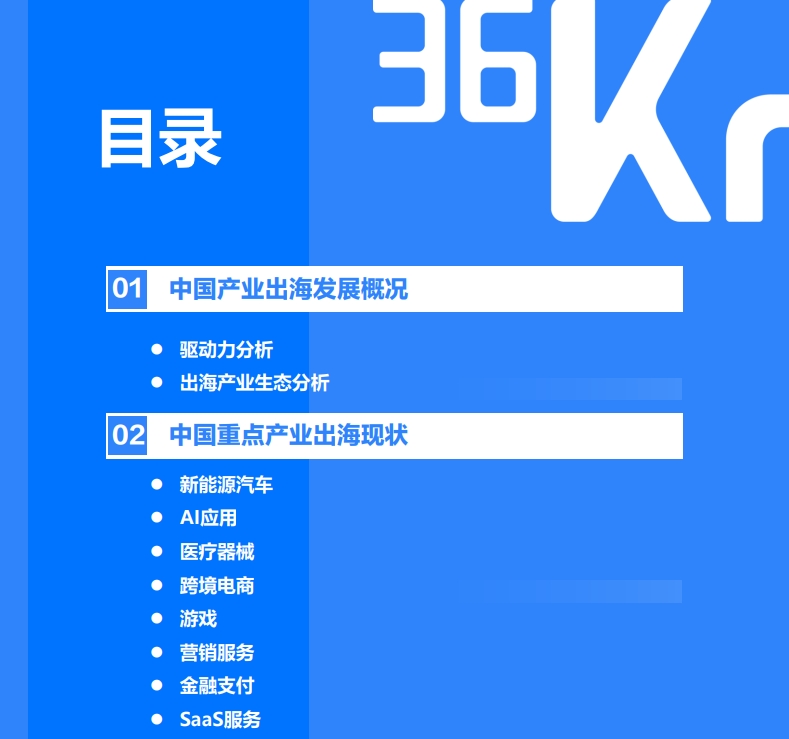
2. Panoramica dello sviluppo dell'espansione internazionale dell'industria cinese
1. Analisi dei fattori trainanti
- Lato tecnologico: tecnologie digitali come AI, blockchain e IoT supportano le imprese cinesi in ogni fase, dalla ricerca pre-espansione alla produzione, distribuzione e marketing durante il processo, promuovendo l'aggiornamento intelligente della supply chain, offrendo prodotti di alto valore ai consumatori, abbassando le barriere all'ingresso e la complessità operativa, e creando vantaggi competitivi.
- Lato mercato: il mercato interno è sempre più saturo, mentre alcuni mercati esteri offrono opportunità di sviluppo, attirando le imprese cinesi a cercare margini di profitto più elevati all'estero. I paesi sviluppati e quelli emergenti sono le principali destinazioni per l'espansione internazionale cinese. I paesi emergenti sono spesso in una fase di accelerazione economica, con una crescente penetrazione di Internet, buone basi di consumo, costi di manodopera e terra relativamente bassi, e hanno introdotto politiche per attrarre investimenti esteri; le regioni sviluppate hanno consumatori con elevata capacità di spesa e buone abitudini di consumo, con un sistema di mercato maturo.
2. Analisi dell'ecosistema industriale dell'espansione internazionale
- Mappa dell'ecosistema industriale: l'ecosistema dell'espansione internazionale cinese include principalmente marchi globalizzati e vari fornitori di servizi a monte e a valle. Le imprese scelgono tre percorsi di sviluppo internazionale (fusioni e acquisizioni all'estero, investimenti e costruzioni autonome, collaborazione con fornitori) in base al proprio settore, stato di sviluppo e caratteristiche del mercato di destinazione. I settori di espansione internazionale cinesi stanno diventando sempre più diversificati, passando da industrie ad alta intensità di lavoro a settori ad alta tecnologia, intelligenti e con competenze sia hardware che software. L'interesse per l'espansione internazionale nei settori ad alta intensità tecnologica continua a crescere, e l'ecosistema si sta gradualmente perfezionando.
- Percorsi di espansione: gli investimenti e le costruzioni autonome richiedono elevate competenze aziendali e di personale, ma permettono di scegliere metodi di costruzione adatti alla situazione specifica dell'azienda; la collaborazione con fornitori consente un ingresso più rapido nel mercato con minori requisiti finanziari, ma le risorse chiave come il traffico sono controllate dai fornitori, riducendo la redditività dell'azienda; le fusioni e acquisizioni all'estero permettono un ingresso rapido nel mercato estero, ma richiedono ingenti capitali e comportano difficoltà nell'integrazione del team, delle attività e nel controllo efficace dell'azienda acquisita.
- Settori di espansione: i settori di espansione internazionale cinesi si stanno gradualmente estendendo da giochi, manifattura, e-commerce a cultura e intrattenimento, farmaceutica, nuove tecnologie. I settori con la maggiore propensione all'espansione sono tecnologia informatica, manifattura avanzata e salute medica, con il settore della salute medica che rappresenta il 29,45% del numero totale di imprese in espansione, al primo posto.
- Fornitori di servizi: i fornitori di servizi per l'espansione internazionale offrono servizi di marketing, tecnologia, pagamento, logistica, ecc., seguendo principalmente due percorsi: accompagnare i clienti all'estero o servire direttamente i mercati esteri. Il primo ha già risorse clienti e conosce meglio la situazione del cliente, migliorando l'ecosistema, ma ha meno clienti; il secondo ha una localizzazione più completa, un mercato più ampio e un maggiore impatto del marchio, ma è più difficile entrare nel mercato locale.
3. Stato attuale dell'espansione internazionale dei settori chiave cinesi
1. Veicoli a nuova energia
- Fase di sviluppo: l'industria cinese dei veicoli a nuova energia sta passando dall'esportazione di prodotti all'esportazione di "capacità produttiva + catena industriale", attraversando tre fasi: esportazione di prodotti, esportazione di capacità produttiva ed esportazione della catena industriale.
- Mercati di esportazione: il volume delle esportazioni di veicoli a nuova energia è aumentato anno dopo anno, diventando il nuovo motore dell'esportazione automobilistica. L'Europa occidentale e il Sud-est asiatico sono i principali mercati di esportazione, mentre la penetrazione in Europa settentrionale e meridionale è relativamente bassa.
- Modalità di esportazione: a causa delle misure protezionistiche commerciali di alcuni paesi sviluppati in Europa e America, le esportazioni di veicoli a nuova energia cinesi affrontano sfide, mentre alcuni paesi in via di sviluppo e dell'Europa centro-orientale offrono agevolazioni fiscali o sussidi per gli investimenti esteri. I produttori cinesi di veicoli a nuova energia scelgono modelli di produzione localizzata e trasporto autonomo in base alle politiche delle diverse destinazioni, per evitare barriere commerciali e migliorare la competitività internazionale.
2. Applicazioni AI
- Scenari applicativi: le applicazioni AI lato B si concentrano principalmente su SaaS aziendale, e-commerce transfrontaliero, educazione AI, con un focus su "AI + settore"; le applicazioni AI lato C si concentrano principalmente sulla generazione di contenuti multimodali e chatbot.
- Partecipanti: i principali attori nell'espansione internazionale delle applicazioni AI cinesi includono grandi aziende Internet, aziende consolidate in espansione internazionale, startup e sviluppatori indipendenti.
- Progressi nella commercializzazione: la penetrazione del mercato delle applicazioni AI è bassa, e la commercializzazione è ancora in fase iniziale, senza un modello di business maturo. I produttori devono adattarsi localmente in base alla situazione reale, evitare la concorrenza omogenea e stabilire presto un modello di business stabile e sostenibile.
3. Dispositivi medici
- Storia dello sviluppo: l'esportazione di dispositivi medici cinesi ha attraversato tre fasi: produzione su commissione, commercio e marchio autonomo, e attualmente sta accelerando l'accumulo e l'esportazione di marchi autonomi.
- Stato del mercato: la domanda globale di dispositivi medici continua a crescere. Le esportazioni cinesi di dispositivi medici sono diminuite dopo un picco nel 2020, ma escludendo i materiali di prevenzione epidemica, c'è stata una crescita elevata tra il 2019 e il 2023. La quota di reddito da attività estere per materiali di consumo ad alto valore e diagnostica in vitro è aumentata maggiormente, con i materiali di consumo ad alto valore molto apprezzati nei mercati esteri.
- Percorso di espansione: "AI + dispositivi medici" è un percorso importante per la trasformazione e l'aggiornamento delle aziende mediche cinesi in espansione internazionale. Gli Stati Uniti sono il più grande mercato globale per i dispositivi medici AI, e le aziende cinesi di AI medica possono entrare nel mercato dei dispositivi medici di fascia alta grazie a barriere di innovazione tecnologica.
4. E-commerce transfrontaliero
- Dimensioni del mercato: influenzato da consumatori, nuove tecnologie e politiche, il volume dell'e-commerce transfrontaliero cinese continua a crescere, con un valore di importazione ed esportazione di 1,22 trilioni di yuan nella prima metà del 2024.
- Modello di business: l'espansione internazionale dell'e-commerce transfrontaliero si basa principalmente su piattaforme di terze parti o siti web autonomi. I venditori orientati al marchio preferiscono il modello DTC, mentre i venditori di fabbrica utilizzano principalmente il modello di gestione totale.
- Concorrenza tra piattaforme: le note piattaforme di e-commerce lanciano diverse strategie per conquistare il mercato, con modelli di servizio di gestione totale e semi-gestione innovati e aggiornati. La domanda di magazzini all'estero continua a crescere, e il settore ha ancora spazio per l'integrazione.
5. Giochi
- Destinazioni di esportazione: le principali destinazioni per l'esportazione di giochi cinesi sono mercati maturi come Stati Uniti, Giappone e Corea del Sud, con diverse enfasi. Il mercato del Medio Oriente sta diventando una terra calda per i produttori di giochi cinesi.
- Stato del mercato: nel 2023, il reddito estero dei giochi sviluppati autonomamente in Cina è diminuito per due anni consecutivi, principalmente a causa della riduzione del tempo trascorso a casa, dell'aumento della concorrenza nel mercato dei giochi, dell'aumento dei costi di acquisizione clienti, della mancanza di talenti localizzati e di operazioni estere inefficienti.
- Nuove tendenze: il Medio Oriente e l'America Latina sono diventate nuove destinazioni per i produttori di giochi. Il settore dei mini-giochi sta esplodendo, e le piattaforme social potrebbero diventare nuovi canali di distribuzione. I modelli di app native offrono una migliore esperienza utente e facilitano la fidelizzazione.
6. Servizi di marketing
- Stato del marketing: il marketing per l'espansione internazionale passa dall'acquisto di traffico cieco a un approccio raffinato e ad alta efficienza di conversione, creando strategie di marketing complete in base alla fase aziendale e al tipo di settore.
- Dimensioni del mercato: il mercato dei servizi di marketing per l'espansione internazionale cinese continua a crescere, con e-commerce e giochi come principali segmenti.
- Impatto tecnologico: la tecnologia AI ottimizzerà l'efficienza di ogni fase del marketing e migliorerà la precisione del targeting, guidando la trasformazione del settore.
7. Pagamenti finanziari
- Dimensioni del mercato: con la maturità e l'espansione del commercio transfrontaliero cinese e il miglioramento delle tecnologie finanziarie di base, il mercato dei servizi di pagamento finanziario transfrontaliero cinese continua a crescere. L'iniziativa "Belt and Road" stimolerà un'ulteriore espansione del mercato dei pagamenti transfrontalieri.
- Modello di servizio: le aziende di pagamento finanziario offriranno servizi di pagamento transfrontaliero che coprono marketing, logistica, finanza, produzione e altri aspetti, collegando l'ecosistema dell'espansione internazionale a monte e a valle, costruendo un ecosistema completo di servizi di pagamento estero.
8. Servizi SaaS
- Regioni di espansione: le destinazioni e i settori serviti dalle aziende SaaS cinesi in espansione internazionale si stanno ampliando. Il Sud-est asiatico è la destinazione principale, mentre Europa e America offrono ampi spazi di mercato ma con forte concorrenza e requisiti elevati di sicurezza dei dati e protezione della privacy.
- Strategia di prodotto: le aziende SaaS dovrebbero offrire prodotti personalizzati più adatti in base alla fase di sviluppo e ai commercianti della destinazione, dando importanza all'adattamento del prodotto al mercato.
4. Analisi di casi tipici dell'ecosistema di espansione internazionale
1. Caso di fornitore di servizi di espansione 1 - Stripe: Stripe è un'azienda di infrastrutture finanziarie per imprese, che offre prodotti di pagamento finanziario one-stop a livello globale attraverso una ricca matrice di prodotti. I suoi punti di forza principali includono l'ottimizzazione di prodotti ed esperienza utente con AI, molteplici opzioni di pagamento per facilitare l'integrazione dei pagamenti da parte dei clienti e una copertura globale per soddisfare le esigenze del mercato.
2. Caso di azienda in espansione 1 - Pinduoduo Temu (e-commerce transfrontaliero): Temu ha registrato una rapida crescita dei ricavi nel mercato statunitense, ma affronta cambiamenti politici e ha scelto di espandersi nel mercato europeo. Per migliorare l'adattabilità al mercato e la diversificazione del rischio, Temu ha introdotto un modello semi-gestito, adatto a commercianti con già magazzini e capacità logistiche all'estero, consentendo un controllo più flessibile dei costi, ottimizzazione delle scorte e maggiore efficienza operativa.
3. Caso di azienda in espansione 2 - BYD (veicoli a nuova energia): BYD mantiene una forte crescita nel business estero, con un aumento ideale dei ricavi operativi, continuando a investire nei mercati esteri, accelerando la strategia di globalizzazione, stabilendo basi produttive in tutto il mondo, ampliando le destinazioni di esportazione, innovando tecnologie leader a livello globale e mantenendo una posizione di leadership mondiale.
4. Caso di azienda in espansione 3 - Wondershare Technology (applicazioni AI): Wondershare Technology opera nel settore dell'espansione internazionale da 20 anni, attraversando tre fasi: marketing del marchio e costruzione dell'ecosistema, operazioni localizzate ed espansione globale, e creazione del marchio e iterazione del prodotto. Le avanzate capacità di AIGC e gli algoritmi AI aiutano Wondershare ad accelerare l'espansione internazionale, con prodotti che si comportano bene sui mercati globali.
5. Riepilogo dell'espansione internazionale e nuove opportunità
1. Riepilogo dell'espansione internazionale: i settori di espansione internazionale delle imprese cinesi stanno diventando sempre più diversificati, le destinazioni sempre più ampie, coprendo gradualmente l'ecosistema industriale. Le imprese in espansione costruiscono un sistema ecologico che copre l'intera industria, con un aumento delle esportazioni di prodotti ad alto valore aggiunto e un perfezionamento graduale dell'ecosistema industriale. Le destinazioni si estendono dai mercati maturi di Europa e America ai paesi lungo la "Belt and Road" e alle economie emergenti.
2. Analisi delle sfide: le imprese cinesi in espansione internazionale affrontano sfide come un ambiente macroeconomico mutevole, differenze nei sistemi legali, differenze culturali, stabilità della supply chain e gestione del personale.
3. Prospettive di nuove opportunità: le imprese cinesi in espansione internazionale dovrebbero integrare attivamente tecnologie digitali come AI con i propri settori, migliorare le capacità digitali, trasformare l'efficienza produttiva, operare in modo localizzato, evitare di copiare semplicemente i modelli nazionali, considerare pienamente l'ambiente politico, culturale e legale locale, e realizzare adattamenti localizzati mirati.