For many entrepreneurs venturing into overseas markets for the first time, the biggest confusion is:How can you determine whether a product has the potential to become a hit before it goes live? And how can you accurately capture those fleeting trend signals in the vast global market?

In fact, the birth of a hit product does not rely entirely on luck, but is a systematic project that combines data insights, cultural interpretation, and market validation.

Today, let's dive deep into the logic of predicting Tuke hits and methods for capturing trends, providing you with an actionable framework for your globalization journey.


Image source:Google

The underlying logic of hit prediction: Cross-market commonality validation

Many Tuke entrepreneurs often fall into a misconception, equating hits simply with novel products. However, true Tuke hits often possess underlying appeal that transcends markets and cultures.The first step in prediction is to learn to identify these common characteristics.

Hit products usually solve a widely existing pain point or meet a deep, universal human need. For example, social entertainment products satisfy connection and identity, efficiency tools solve time management problems, and consumer goods are often related to themes such as health, self-pleasure, and convenience.

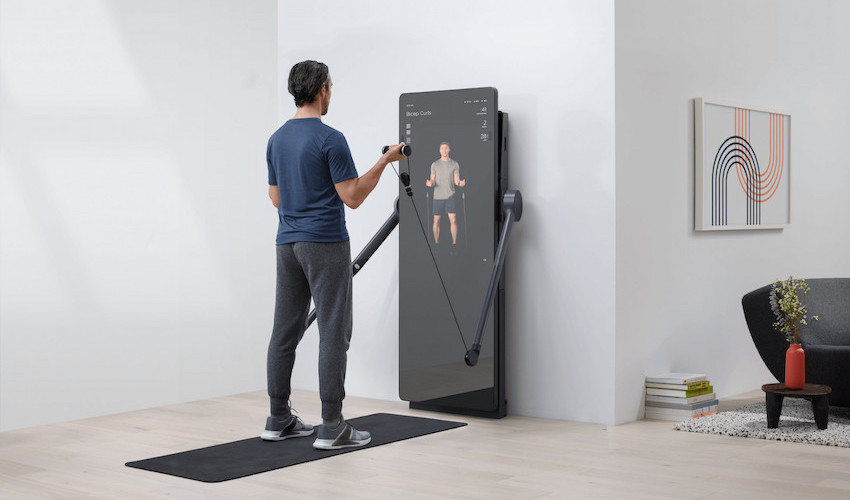
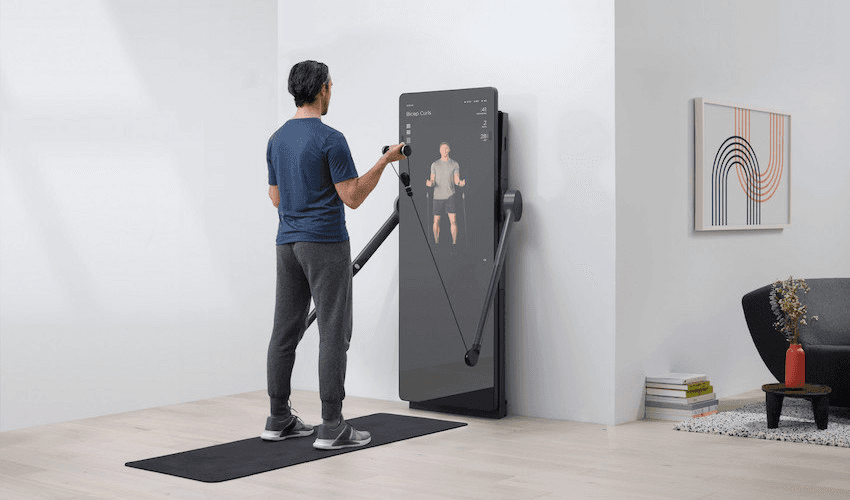
The smart fitness mirror, which has been popular in Europe and America in recent years, is not about the mirror itself, but rather about capturing the universal need for home fitness in the post-pandemic era and the experience upgrade enabled by technology.


Image source:Google

The most direct way to validate this kind of common demand is through cross-market validation. A model that has already been validated in Japan, Korea, or Southeast Asia, after localization, will have a significantly higher probability of success in the European and American markets.

SHEIN's early success was partly due to combining the mature flexible supply chain model from China with overseas fast fashion demand; TikTok's globalization was about deeply integrating the short video content format with localized operations.

Therefore, when you find that a product has achieved stable growth in a certain regional market, you should analyze in depth whether its core value points have the potential for cross-cultural transplantation.


Image source:Google

Core methods for trend capture: Dual-track system of data tools and humanistic insights

Capturing market trends cannot rely on intuition; it requires establishing a dual-track system that combines data scanning with deep humanistic exploration.

On the data side, proficiency in using public trend tools is a basic skill.Google Trendsis a barometer for capturing search popularity. By comparing keyword trends across different regions and time spans, you can discover emerging needs that are on the rise. For example, by continuously tracking the search volume for“sustainable yoga wear”, you can predict the rise of eco-friendly sportswear.


Image source:Google

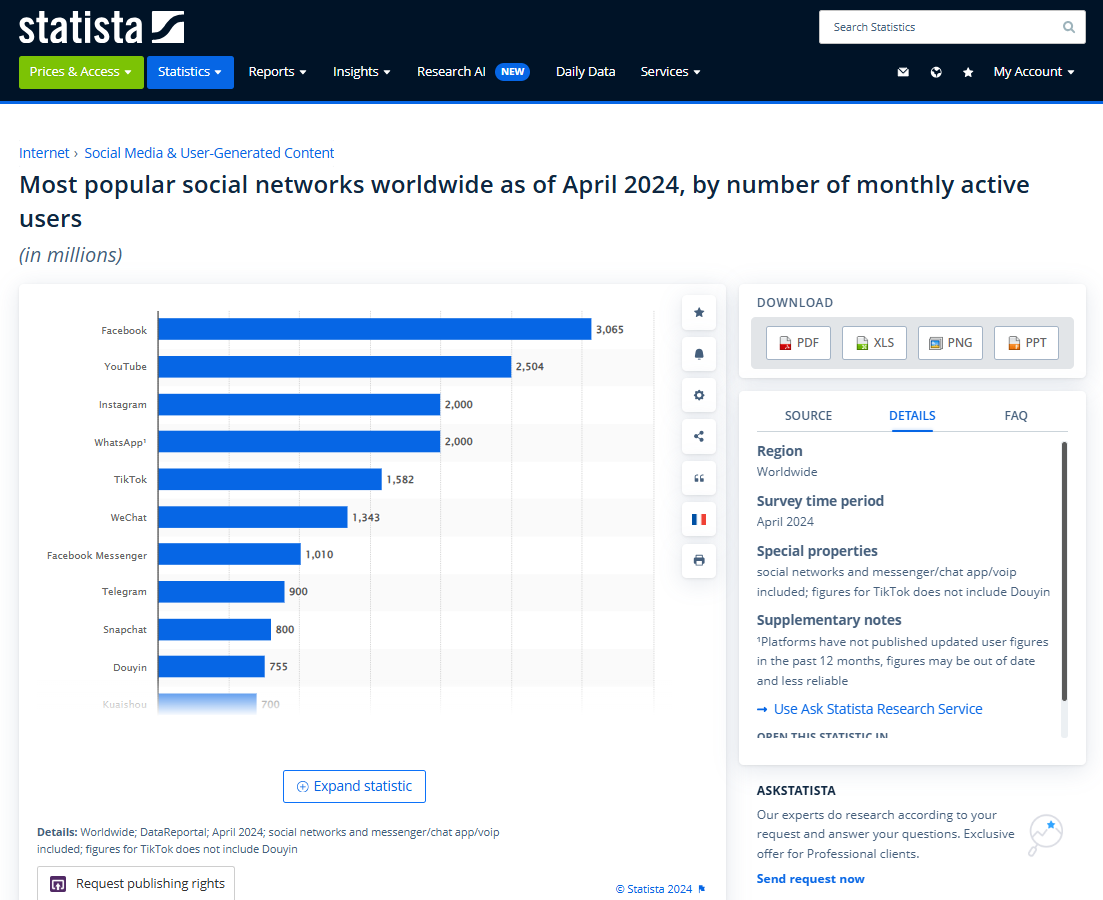
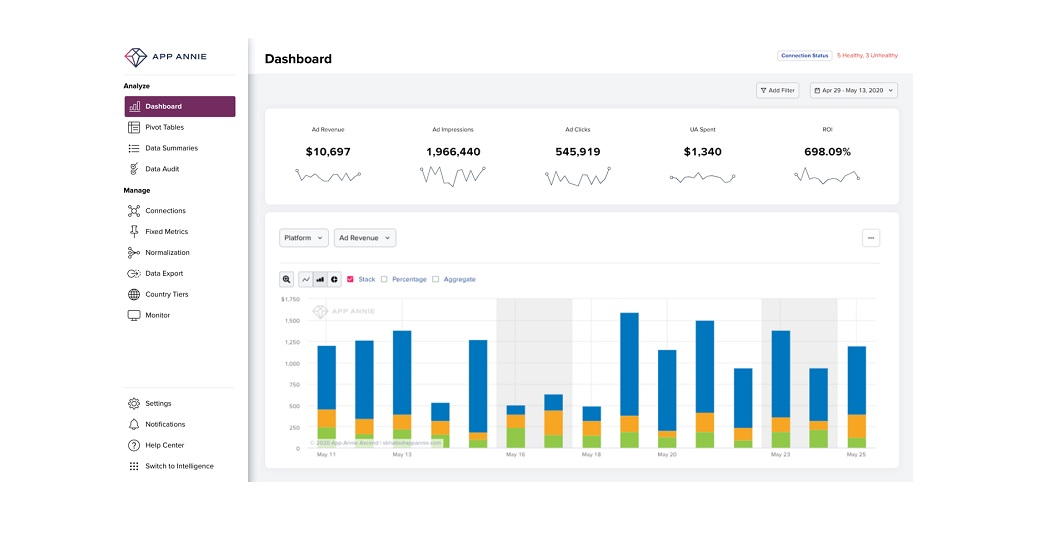
Similar tools include Amazon's sales rankings, trending hashtags on social media, and professional market report platforms such asStatista, Euromonitor, etc.App Annie (now data.ai)and other mobile data platforms can clearly show changes in app downloads and revenue rankings in various markets, helping you spot dark horses in niche tracks.


Image source:Google

However, data can only tell you what happened, not why. This is where deep humanistic insights are needed, because real trends often sprout in subcultural circles.

It is recommended that you dive into the core social platforms of your target market: in the US, pay attention toTikTok, Instagramhot challenges and creator content; in Japan, studyTwitter trends and LINE community discussions; in Southeast Asia, don't miss out onFacebook groups and local forums.

Pay attention to highly interactive posts by ordinary users andKOCs, as they are often the first to experience and spread new products.


Image source:Google

Key execution points: Deep localization and agile iteration

Prediction and trend capture must ultimately serve action. On the execution level, there are two key points.

First,localization must be an intrinsic understanding, not just superficial translation.

The localization adaptation of hit products involves the entire chain of product, marketing, and operations. For example, when Tuke games, Southeast Asian users may prefer casual social gameplay, while European and American users focus more on personal achievement and narrative depth. In consumer electronics, European users are extremely sensitive to environmental data and privacy terms. This requires the team to have members who deeply understand local culture, laws, and consumer psychology, or to be deeply bound to reliable local partners.

Second, establish an agile testing and bold harvesting operational rhythm.

During the trend uptrend, resources should be quickly tilted toward validated channels and products. At the same time, keep real-time monitoring of data, as the internet hot spot cycle is shortening.

Once you find that core indicators (such as user growth rate, engagement) stagnate or decline, you need to immediately analyze the reasons: is it intensified market competition, user aesthetic fatigue, or the emergence of alternative technologies?

The lifecycle management of hit products requires the team to not only seize the trend but also decisively shift focus, reserving energy for the next wave of trends.


Image source:Google

Conclusion

There is no formula for 100% success in predicting Tuke hits and capturing trends, but there are systematic methods to follow:Start by identifying cross-cultural common needs, use data tools to cast a wide net, leverage humanistic insights to dig deep, make decisions through rapid validation loops, and ultimately win the market with deep localization and agile execution.

There is never a shortage of new opportunities in the global market. The key is whether you can build the capability for continuous scanning, efficient validation, and rapid action. For Tuke companies, the biggest advantage may not be having a hit idea, but building a trend engine that can continuously generate and validate ideas.

In this era of uncertainty, this kind of systematic capability is the fundamental guarantee for navigating cycles and achieving steady growth.