Friends doing Tuke business probably share the same feeling: wanting to expand business globally, the biggest challenge is often not selling goods, but shipping them. If you ship too little, you risk running out of stock; if you ship too much, you risk unsold inventory. In between, you have to coordinate with customs brokers, logistics providers, overseas warehouses, and a bunch of other service providers. Just the logistics alone can be exhausting.
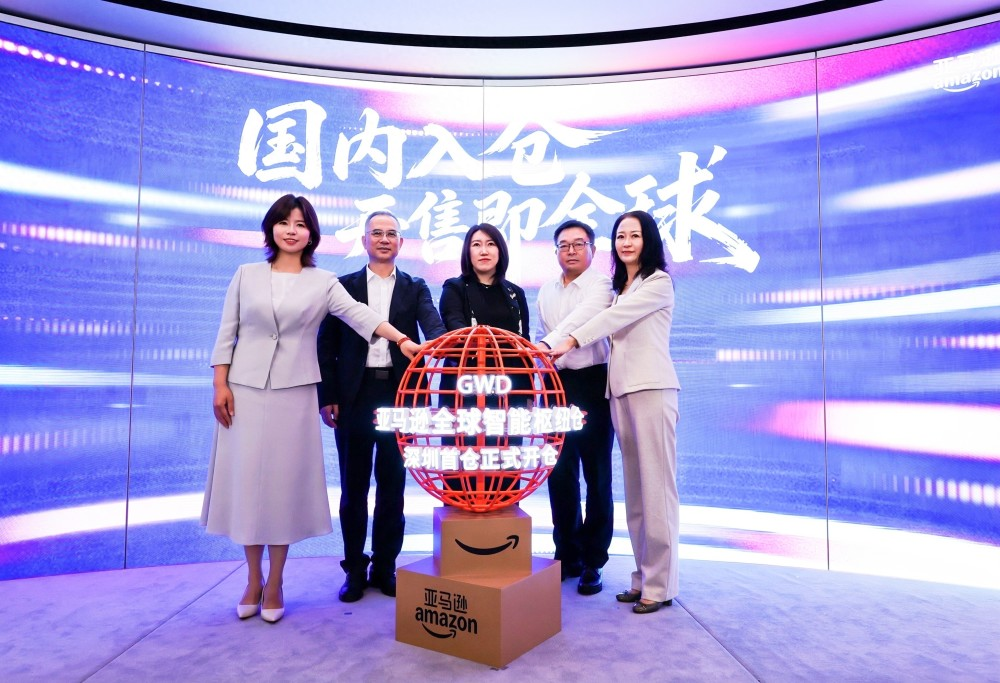
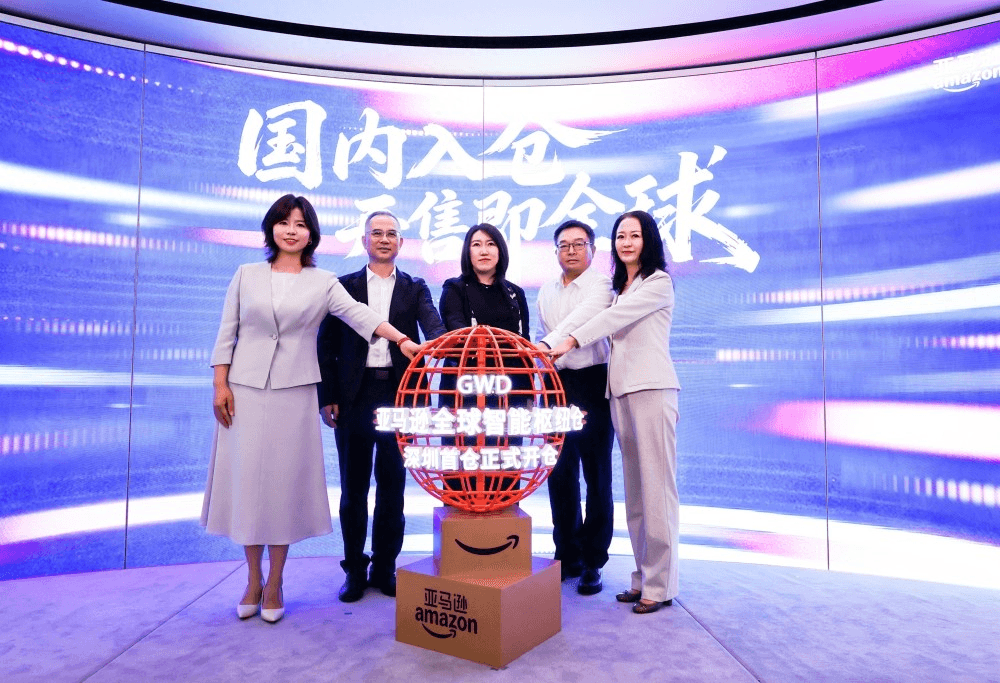
Amazon recently launched a major initiative in Shenzhen, specifically to solve this problem.On April 15, the world’s first Amazon Global Smart Hub Warehouse (GWD) was officially opened to sellers in Shenzhen. This warehouse is located in the Tuke capital Shenzhen, only about 5 kilometers from Yantian Port, just a ten-minute drive away, making its location extremely advantageous. Sellers only need to send their goods to this warehouse in Shenzhen, and Amazon will take care of all the subsequent steps—storage, customs clearance, cross-border transportation, inventory allocation—building a logistics channel that connects “local warehouses directly to global customers.”

Image source: Internet
From“heavy investment” to “lightweight input”
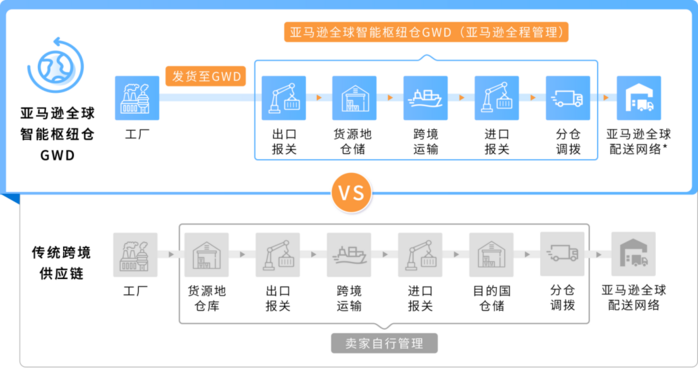
How did Tuke sellers operate before? If you wanted to explore a new market, say try the US site, you had to send a large batch of goods to a local overseas warehouse in the US. Not only was your money tied up across the ocean, but if sales didn’t go well, the goods became a “hot potato,” with very high unsold inventory costs. The entire logistics chain was especially long—first-leg transportation, export customs clearance, destination port clearance,“last mile” delivery… Sellers had to coordinate with several service providers, making communication and management very complex.
The core idea of GWD is to move the warehouse closer to the source of goods and use a unified inventory pool to manage demand from different markets. Previously, it was “one shipment locked to one site,” but now it’s possible to have “one inventory pool supplying the whole world,” supporting small batches and frequent replenishment, allowing sellers to shift from “heavy investment” to “lightweight input.”

Image source: Amazon Global Selling
How much money saved, how many days faster—let the data speak
For sellers, the most important concerns are cost and timeliness. According to Amazon’s data, compared to local US warehousing, usingGWD can reduce sellers’ storage costs by up to 45%. The savings mainly come from the difference in warehouse rental costs between China and the US, directly increasing sellers’ profit margins and price competitiveness. Moreover, sellers don’t need to lock in inventory for the destination country in advance; they can flexibly allocate inventory based on actual sales at each site, greatly reducing the risk of inventory buildup.
Timeliness has also improved significantly. After goods enter the warehouse, they are delivered directly to FBA warehouses via Amazon Global Logistics (AGL) dedicated capacity, shortening cross-border delivery time by up to 7 days. The entire process is transparent on the platform and can be tracked in real time, so sellers no longer have to ask “Where’s my shipment?” everywhere.

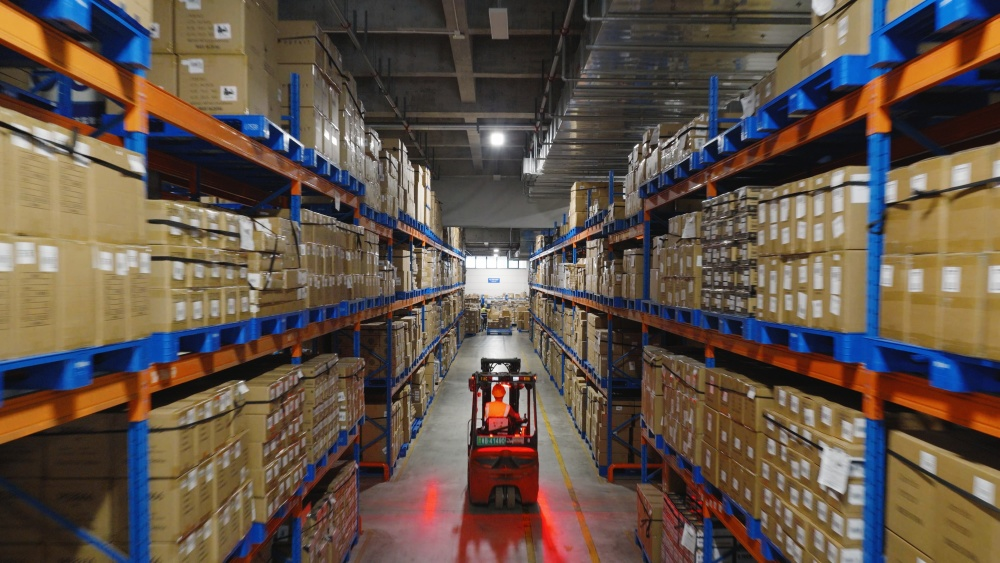
Image source: Internet
Shenzhen is just the starting point, future plans for the Yangtze River Delta
Currently, the ShenzhenGWD warehouse’s service range temporarily covers Amazon US site. According to Amazon’s plan, GWD will not only expand to the Yangtze River Delta, but will also gradually add support for shipping to Europe and Japan sites, giving Tuke sellers greater flexibility in global warehouse allocation and replenishment.
Amazon China Vice President Chen Ming also stated that they plan to establish multipleGWD warehouses in China, close to sellers’ sources of goods, with the ultimate goal of achieving a global unified inventory pool, supplying the world from one warehouse.

Image source: Internet
The launch of GWD brings the most direct changes for Tuke sellers: peace of mind, saving money, and saving time. Amazon Global Selling previously proposed the vision of the “next-generation cross-border chain”: sellers only need to list products once on Amazon and store them once in a local warehouse at the source, and can achieve global sales.
WithGWD officially open, this vision is being realized step by step. For sellers, this means they can leverage a smaller inventory to tap into larger markets, and focus more energy back on product selection, branding, and operations.