1526
1526
Çapraz sınır çevrelerindeki arkadaşlar,boss, bilmiyorum böyle bir hissiniz var mı: her gün gözlerimi açar açmaz ilk işimTikTok mağazasının arka yüzü, sipariş gelince sevinirim, gelmezse telaşlanırım. Gece yatmadan önce iki kere daha kaydırmalıyım, yoksa popüler bir konuyu kaçırırım.
Açıkçası, bu tipik bir“Yalnızca ciro var, varlık yok” kaygısı. Sadece platform için “çocuk yetiştiriyorsun”, algoritma sarsıldığında çocuk hemen başkasına anne diyor.
Bu kaygıyı kökten çözmek için, ustaca kullanmalısınız2026yılın en istikrarlı hayatta kalma modeli——DTC bağımsız sitesi ile TikTok'un “çift hat” operasyonu.

Görsel kaynağı: İnternet
Birinci aşama:TikTok sadece “satış yeri” değil
Birçok insanTikTok'ta, hemen sert reklam yapıyor, ürünü alıp bir güzel çekiyor, sonra küçük sarı arabayı (alışveriş sepetini) asıp para bekliyor. Bu yöntem 2026yılının bugününde, neredeyse boşa çaba.
Biz yapmalıyızTikTok'u “kullanıcı ihtiyaç dedektörü” olarak kullanmalıyız. En eksiksiz ve en pahalı ürünleri hemen TikTok mağazasına koymak için acele etmeyin, bunun yerine kısa videolarla pazarın suyunu test edin.
Spesifik taktik: içerik ekimi, küçük adımlarla hızlı koşmak.
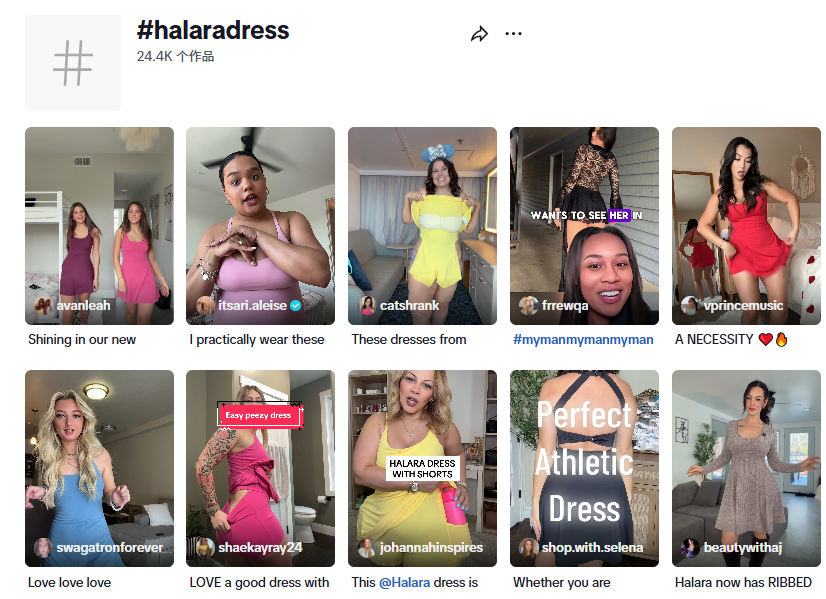
Herkes hâlâ tüm Amerika'yı bir elbiseyle kasıp kavuran o markayı hatırlıyor mu?Halara mı? Onun yükselişi, “içerik ekimi”nin gücünü tam olarak kanıtladı. Halara başlangıçta çılgınca reklam harcaması yapmadı, bunun yerine iç şortlu cepli bir spor etek ile TikTok'ta konuşulmaya başlandı. Bu etek, kızların dışarı çıkarken çanta taşımak istememe ve ifşa olma korkusu gibi gerçek sorunları çözdüğü için çok sayıda gerçek kullanıcının kendi deneme ve kombin videolarını paylaşmasını sağladı.
Sıradan kızlar gibi görünen bu gerçek paylaşımlar, tam da en ikna edici reklamlardı. kadar2022 yılına kadar ilgili konuların izlenme sayısı 1 milyarı aştı.
Görsel kaynağı:TikTok
İkinci aşama: Bağımsız site“dekorasyon”
Neden mutlaka bağımsız bir site kurmalısınız? Çok basit, üzerindeTikTok'ta, kullanıcılar başkasının, kurallar başkasının; bir algoritma değiştirmek istediklerinde trafiğiniz yarıya düşebilir. Ama bağımsız sitede bu topraklar sizin sözünüzün geçtiği yerdir.
SenTikTok aracılığıyla tohumlama yaparak markanıza sempati duyan bir grup insan biriktirdiniz, onları kendi arka bahçenize nasıl çekersiniz?
Yöntem: çıkar yönlendirmesi+ mükemmel deneyim.
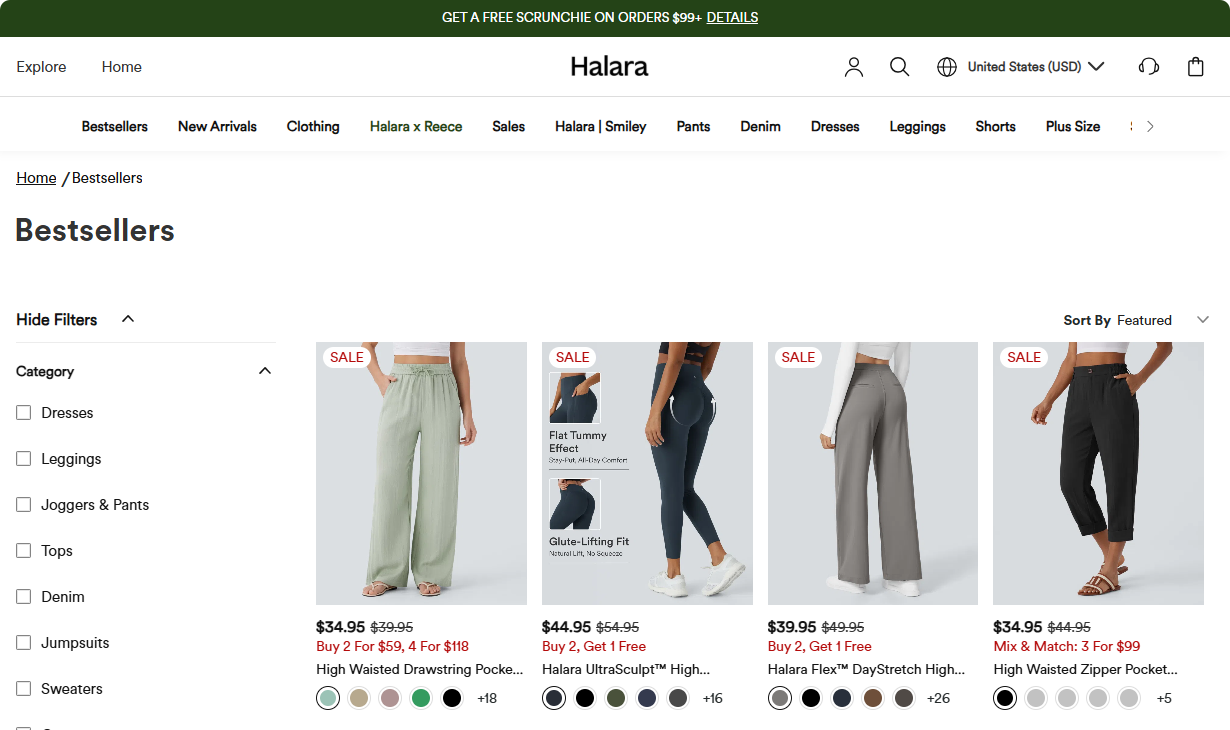
Geri dönHalara'nın vakası. Çok akıllıca 'TikTok patlaması + bağımsız site birikimi' çift raylı modelini kurdu. Verilere göre, bağımsız sitesi 2024'te 313 milyon dolar satış gerçekleştirdi, aylık ziyaret 5 milyonu aştı.
Bağımsız sitede sadece daha kapsamlı ürün serileri değil, ayrıca detaylı beden rehberi, kullanıcı değerlendirmeleri ve marka hikayeleri de var. OnlarTikTok'ta tohumlanan potansiyel kullanıcılar, bağımsız siteye gelip yavaşça araştırabilir, karşılaştırabilir; bu süreç aslında güven inşa etme sürecidir.
Görsel kaynağı:Halara
Çift raylı işbirliği: İki bacağın uyum içinde yürümesi nasıl sağlanır?
Tamam, teori kulağa hoş geliyor, pratikte nasılTikTok ve bağımsız site 'çift ray' birbiriyle kavga etmez, aksine birbirine güç verir?
1. Ürün farklılaştırması: Patlayan ürün TT'de, kâr bağımsız sitede
Sakın iki kanalda da aynı şeyi satma, bu kendini kendinle rekabet ettirmektir.
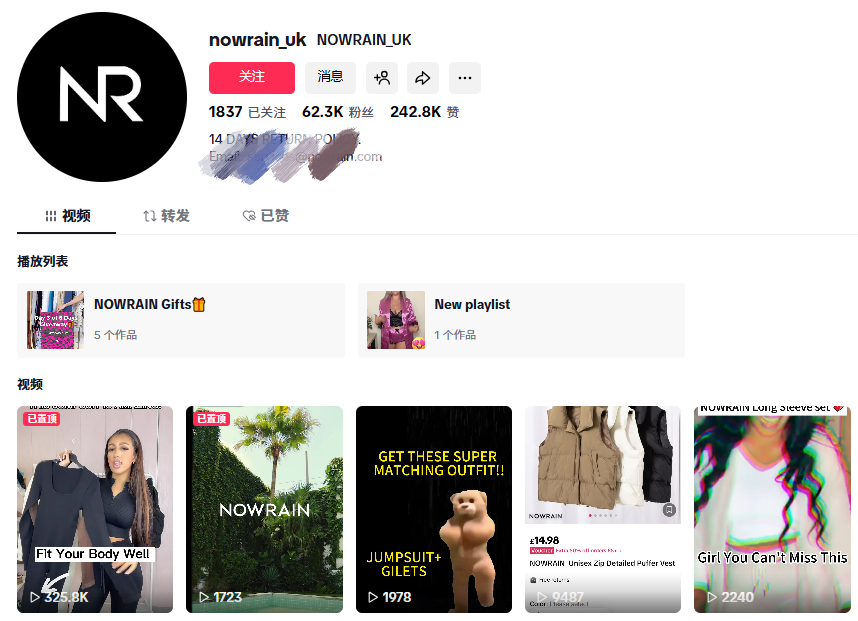
Vipshop'un denizaşırı kadın giyim markasıNOWRAIN bunu çok iyi yapıyor. TikTok küçük mağazasında 19.9 dolarlık çekici yoga kıyafetlerini öne çıkarıyorlar, aşırı fiyat-performans oranı ve ortak tanıtım sayesinde hızla yükseliyorlar; bağımsız sitede ise daha kapsamlı seriler, daha üst düzey tasarımcı parçaları, hatta hazır 'takımlar' satışa sunuyorlar. Kullanıcılar TikTok'ta giriş seviyesi bir ürün alıp beğenirse, daha iyisini almak için bağımsız siteye gitmek zorunda.
Görsel kaynağı:TikTok
2. Veri takibi: Görünen yarının yanı sıra diğer yarıyı da tahmin etmek
Birçok satıcı reklam vermeninTikTok reklamlarının bir gizem olduğunu düşünüyor. Aslında SHOPLINE gibi site kurma araçlarının TikTok Business Plugin eklentisi sayesinde bağımsız sitenin sepete ekleme verilerini, terk edilen sipariş verilerini TikTok'a geri gönderebilirsiniz.
Spesifik işlem: Onlara"Sepete ekleyip satın almayan" kullanıcılar için TikTok'ta "yeniden pazarlama" reklam havuzu oluşturun, onlara özel indirimler gönderin. Çünkü bu kişiler içeriğiniz tarafından siteye çekilmiş, sadece hala kararsızlar; bu noktada bir kupon göndermek dönüşüm oranını çok yükseltir.
3. Özel alan birikimi: 'Zayıf bağlantılardan' 'Güçlü bağlantılara'
Bağımsız site üzerinde işlem tamamlandıktan sonra hemen bitirmeyin. Paket kartları, e-posta pazarlama yoluyla kullanıcıları yönlendirerekWhatsApp veya INS özel alanınız.
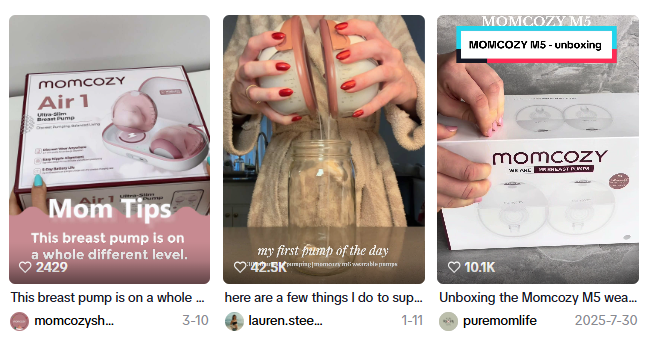
Örneğin anne-bebek markasıMomcozy, bağımsız sitelerinde 'Anne Günlüğü' topluluğu kurdu, kullanıcıları ebeveynlik hikayeleri paylaşmaya teşvik ediyor. #Momcozy etiketiyle TikTok'a içerik yükleyenlere indirim sağlıyor. Bu mükemmel bir döngü oluşturuyor: bağımsız site etkinlik başlatır → kullanıcılar TikTok'ta içerik üretir → içerik yeni kullanıcıları çeker → yeni kullanıcılar bağımsız siteye gelir ve işlem yapar.
Görsel kaynak:TikTok
Başlangıca dönelim, bahsettiğimiz endişe. Sınır ötesi e-ticaret yapıyorsanız, eğer sadeceTikTok Shop'un o küçük alanına bakarsanız, o zaman her zaman platform için çalışırsınız, her zaman yarın hesabınızın kapatılmasından endişe edersiniz, her zaman trafiğin neden düştüğü konusunda kaygılanırsınız.
Ama eğer düzenlemeye başlarsanız“çift hat sistemi”ni, TikTok'u trafik motorunuz, bağımsız siteyi kullanıcı varlığı biriktirme havuzunuz olarak kullanırsanız, o zaman uzun vadeli bir oyun oynuyorsunuz demektir. Artık sadece bir 'satıcı' değilsiniz, bir marka yönetiyor, sizinle gelmeye istekli bir kullanıcı kitlesi biriktiriyorsunuz.