 2174
2174Brezilya, bu sahip olduğu200 milyondan fazla nüfusa sahip Güney Amerika'nın en büyük ekonomisi, küresel e-ticaret büyümesinin en hızlı pazarlarından biri haline geliyor.
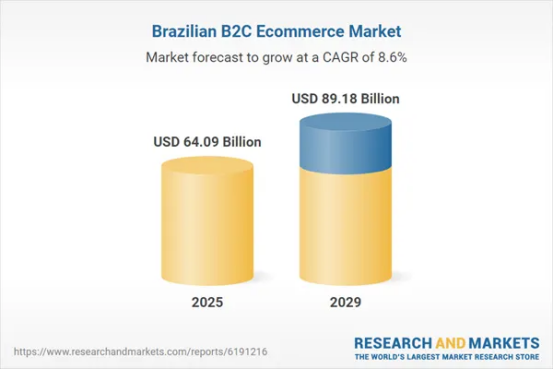
Veriler gösteriyor ki,2025 yılında Brezilya e-ticaret pazar büyüklüğü 640.9 milyar doları aştı ve 2029 yılında 891.8 milyar dolara ulaşması bekleniyor, yıllık büyüme oranı yaklaşık %8.6 ile tüm Latin Amerika bölgesini geride bırakıyor.
Ancak, bu sıcak topraklara karşı, birçok umut dolu Çinli sınır ötesi satıcı tereddütlü görünüyor,“Pazara girmekten korkmak” yaygın bir zihniyet haline geldi.
Görsel kaynağı:finance.yahoo
Bunun nedeni aslında Brezilya lojistiğinin“yüksek eşik” ile ilgisi var.
Yeni düzenlemeye göre,50 dolar altındaki ürünler için vergi muafiyeti politikası resmen kaldırıldı, %20 ithalat vergisi uygulanıyor, ayrıca eyaletlerin %17 Mal ve Hizmet Dolaşım Vergisi (ICMS) eklenince toplam vergi yükü %44.5 civarında.
Aynı zamanda, Brezilya gümrüğünün gümrük kontrol oranı geçmişteki düşük seviyeden%15-%25'e yükseldi; düşük fiyat beyanı, belirsiz ürün adı gibi davranışlar yüksek para cezası riskiyle karşı karşıya.
Düşük fiyatlı ürün yaymaya alışkın“düşük fiyatlı stok dağıtımı” yapan sınır ötesi satıcılar için bu, geleneksel doğrudan posta modelinin kar marjının neredeyse tamamen yok olması anlamına geliyor. Düşük fiyatlı doğrudan postanın kar marjı büyük ölçüde sıkıştırıldığında ve uyum maliyetleri hızla yükseldiğinde, Brezilya pazarında kim ayakta kalabilir? Anahtar, yerelleşme yeteneğine bağlı.
Neden yerel depo dağıtımı Brezilya pazarına giriş biletidir?
Doğrudan postayı“hafif süvari”ye benzetirsek, esnek ama dayanıklılığı zayıf. Oysa yerel depo dağıtımı “ağır ekip” gibidir, başlangıç yatırımı büyüktür ancak bir kez sağlamlaştığında gerçek rekabet engeli oluşturabilir.
Maliyet, teslimat süresi, uyum ve satış sonrası hizmet olmak üzere dört boyutta, doğrudan posta ile yerel depo dağıtımı arasındaki fark çok netleşmiş, neredeyse aşılamaz bir uçurum haline gelmiştir.
Karşılaştırma boyutu | Geleneksel doğrudan posta modeli | Yerel depo dağıtım modeli |
Maliyet | Küçük paket doğrudan posta yaklaşık44.5'lik kapsamlı vergi yükü, orta ve düşük müşteri birim fiyatlı ürünlerin kârını ciddi şekilde aşındırıyor. | Mallar toplu deniz yoluyla tam konteyner olarak gönderilir, birim nakliye maliyeti düşürülebilir.%60-%70; toplu gümrük işlemleri vergi ve harçları dağıtarak nihai vergi dahil fiyatı daha rekabetçi hale getirir. |
Zaman ve Deneyim | Lojistik zinciri süresi30-60 gün, tüketici deneyimi kötü, iade son derece zor, bu da tekrar satın alma oranını düşürür. | Ürünler önceden yerel depoya stoklanmıştır, tüketici sipariş verdikten sonra3-7 gün içinde teslimat, alışveriş deneyimi yerel e-ticaretle aynı, dönüşüm oranını ve müşteri sadakatini büyük ölçüde artırır. |
Uyum Riski | Çoğunlukla alıcının kişisel vergi numarasına (CPF) ile gümrük işlemleri yapılır, belge onayı eksikliği paketlerin alıkonulmasına veya iade edilmesine yol açar. | Satıcıların yerel uyumlu işletme temeline dayanarak, düzenli ticari yerine getirme modeliyle depolama ve dağıtım hizmetleri sunar, satıcıların yerel operasyon süreçlerini standartlaştırmasına yardımcı olur ve son aşama yerine getirme uyum riskini azaltır. |
Satış Sonrası ve Stok Yönetimi | Sınır ötesi iade maliyeti yüksektir, uygulamada çoğunlukla"Para iadesi, iade yok", satıcı ürün kaybı oranı yüksektir. | Yerel iade girişi, kalite kontrolü, yeniden satış listeleme desteklenir; akıllı depolama sistemi (WMS) ile çoklu platform stoklarının gerçek zamanlı senkronizasyonu ve verimli yönetimi sağlanır. |
Vergi reformu ve platform kurallarının sıkılaştığı ortamda, yerel depolama ve dağıtımın kapsamlı avantajları giderek belirginleşiyor. Satıcıların temel ihtiyaçlarıyerel depolama yönetimi, sipariş yerine getirme, son aşama teslimat ve satış sonrası stok yönetimigibi temel yeteneklere odaklanmaktadır.
Brezilya yerel yerine getirme alanında, yerel depolama ve dağıtım hizmetlerine odaklanan Jitu Bulut Deposu, Brezilya'ya yönelen sınır ötesi satıcılar için güvenilir bir seçenek haline geldi.
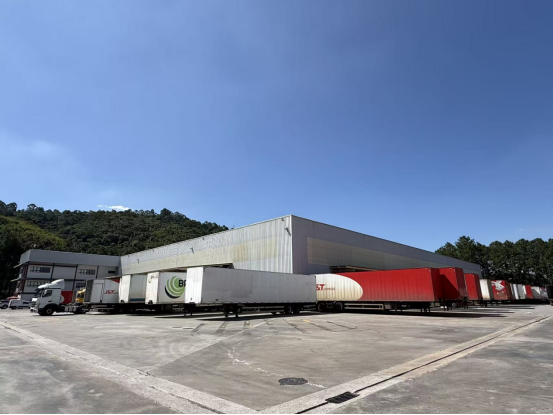
Jitu Bulut Deposu: Brezilya'da derinleşmiş profesyonel yerel depolama ve dağıtım çözümü
Jitu Express tarafından yakın zamanda yayınlanan2026 yılı ilk çeyrek performans raporu, küresel işlerinin güçlü büyüdüğünü, toplam paket hacminin 8,326 milyar adede ulaştığını ve bir önceki yıla göre %26,2 arttığını gösteriyor. Bunun arkasında, Jitu'nun gelişmekte olan pazarlarda sürekli olarak yerelleşme operasyonlarını derinleştirmesinin sonucu, özellikle Latin Amerika'da yer alıyor.
Brezilya ve çevre pazarlarda, J&T Express yayılmasını hızlandırıyor, bu çeyrekte paket hacmi154 milyon adet, yıllık %100'ün üzerinde büyüme. Yerel tüketim potansiyeli güçlü. Şirket, TikTok, Temu, SHEIN, AliExpress ve Mercado Libre gibi e-ticaret platformlarıyla iş birliği yaparak sınır ötesi lojistiğin verimli gelişimini ortaklaşa teşvik ediyor. Çin ve Güneydoğu Asya'daki operasyon deneyimiyle J&T, Latin Amerika bölgesindeki depo ve dağıtım sistemini sürekli iyileştiriyor.
Bu stratejinin kilit adımı olarak, J&T Depo'nun Brezilya'daki temel konumu“Brezilya yerel kendi işletim depo ve dağıtım hizmet sağlayıcısı” olup, yurtdışına açılan markalara yerel depo yönetimi, sipariş yerine getirme, son mil teslimatı, iade işleme gibi yerelleştirilmiş profesyonel hizmetler sunmaya odaklanmıştır.

1. Altyapı gücü: Kendi inşa ve işletme, hızlı yükseliş
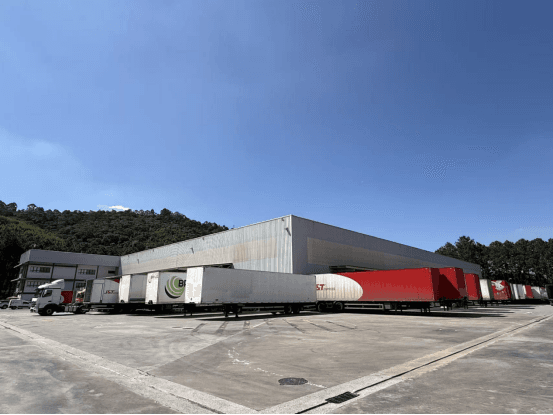
Şu anda, J&T Depo, Brezilya São Paulo'da kendi inşa ve işletme pilot deposunu kurmuştur.
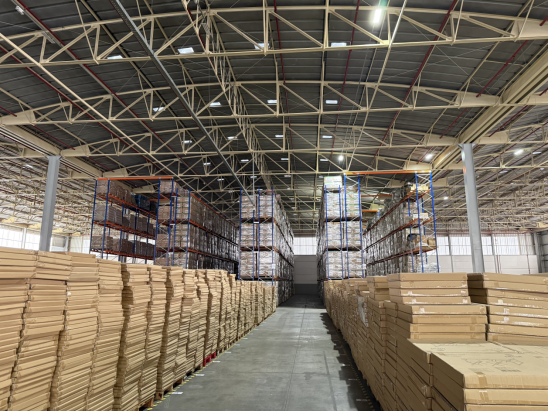
Bu depo,Temmuz 2025'te inşa edilmiş ve Ekim ayında resmen kullanıma açılmıştır. Tek pilot depo alanı 5000 metrekare olup, standart depolama ve dağıtım operasyon alanına sahiptir ve yüksek hacimli SKU yönetimini verimli bir şekilde destekleyebilir. Sadece 3 ay içinde tam kapasiteye ulaşmıştır. Kapsamlı operasyon kalitesi, Brezilya'daki üçüncü taraf ekspres depo hizmetleri arasında ön sıralarda yer almakta olup, tüm Brezilya'yı kapsamaktadır.
Kendi depo ve dağıtım sistemi ile dijital yönetim kabiliyetine dayanan J&T Depo, çok kanallı siparişlerin birleşik yönetimini ve verimli yerine getirilmesini gerçekleştirebilir, müşterilerin stok devir hızını ve son teslimat deneyimini iyileştirmesine yardımcı olur.
2. Yerine getirme verimliliği: Sistem entegrasyonu, gerçek zamanlı yönetim
Sipariş işleme düzeyinde, J&T Depo şunları destekler:B2C ve B2B çok kanallı sipariş türlerini destekler, ana e-ticaret platformları (yerel ve sınır ötesi platformlar dahil) ile sistem entegrasyonu (WMS\/OMS\/API) yapabilir, siparişlerin gerçek zamanlı senkronizasyonu, anlık stok güncellemesi ve akıllı dalga dağıtımı sağlar.
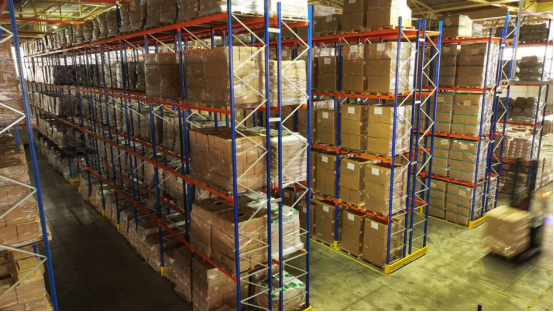
J&T Depo müşterileri nasıl derinlemesine güçlendirir
J&T Depo, Brezilya yerel arka uç yerine getirme aşamasına odaklanır, müşterilerin yerel depo, sipariş gönderimi, son mil teslimatı ve iade canlandırma gibi temel sorun noktalarını çözmeye odaklanır, müşterilerin Brezilya yerel operasyon maliyetlerini ve hizmet deneyimini optimize etmesine yardımcı olur.
Örneğin, belirli bir önde gelen e-ticaret platformuyla iş birliği içinde J&T Depo, onun için eksiksiz bir iade işleme döngüsü oluşturmuştur.
Entegrasyondan sonra, platform, sistem entegrasyonu yoluyla iade siparişlerini gerçek zamanlı olarak J&T'ye senkronize edebilirWMS sistemine. İade paketleri tek bir merkezden J&T Depo'ya gönderilir ve depoda teslim alma, kalite kontrol, paket açma, yeniden etiketleme ve yeniden raflamaya koyma işlemleri tamamlanır.
Bilindiği üzere, Brezilya e-ticaret iade oranı uzun süredir yüksek seviyededir. Brezilya E-ticaret Derneği'nin istatistiklerine göre, yaklaşık%30 oranında çevrimiçi alışveriş ürünü tüketiciler tarafından iade edilmektedir. İadeler uygun şekilde ele alınmazsa, sınır ötesi e-ticaret iadelerinin gizli maliyeti ölçülemez olacaktır.
Önceki daha pasif stok işleme yöntemlerine kıyasla, bu sistem stok aşamasına daha net bir yönetim yolu ve ayarlama alanı kazandırmıştır.
Ayrıca, bunun üzerine J&T Depo, akıllı depo yönetimi, sipariş yerine getirme, son mil teslimatı, iade işleme, iade stok girişi, sipariş paket açma, etiket kontrolü gibi hizmetler sunarak kozmetik, hızlı tüketim ürünleri, ev e-ticareti, yiyecek içecek ve anlık teslimat gibi birden fazla yüksek frekanslı yerine getirme sektörünü tam olarak desteklemektedir.
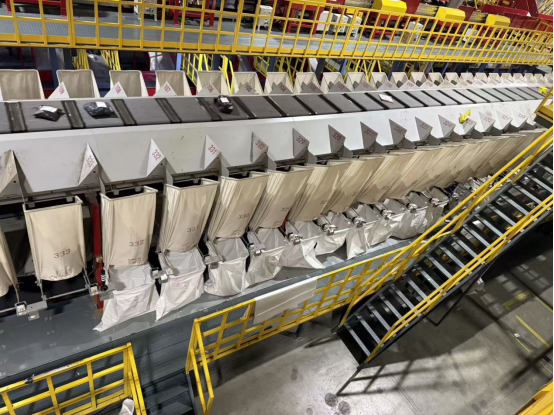
Sonuç
Brezilya pazarındaki yeni vergi sistemi değişikliği, derin ve geri döndürülemez ayarlamalar getirmiştir. Sadece uyum eşiğini ve operasyon maliyetlerini yükseltmekle kalmamış, aynı zamanda gerçekten yerel yerine getirme kapasitesine sahip lojistik hizmet sağlayıcıları için yeni büyüme pencereleri açmıştır.
Bu süreçte, uyum ve yerelleştirme, satıcıların Brezilya'da uzun vadeli gelişimi için kilit dayanak noktaları haline gelmiştir. Yerel yerine getirme sisteminin sürekli iyileştirilmesi, iş ekosistemini ve marka seçim mantığını yeniden şekillendirmektedir. J&T Depo, bu süreçte önemli bir katılımcı olarak, sağlam yerel operasyonları ve sistematik yetenekleriyle, yurtdışına açılan markaların yeni pazarlarda daha sürdürülebilir bir büyüme elde etmesini teşvik etmektedir.