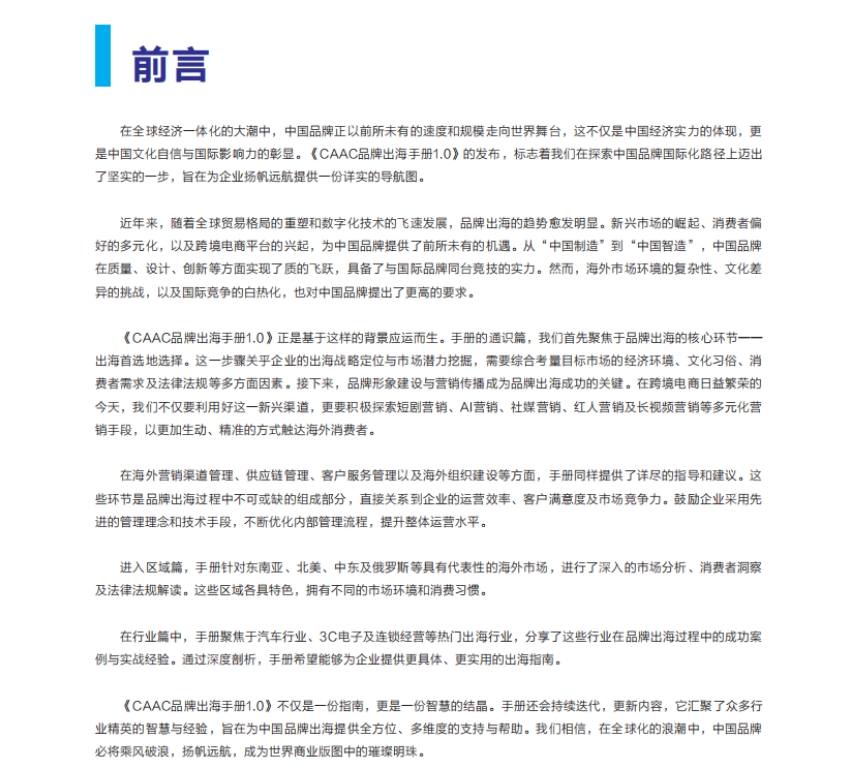
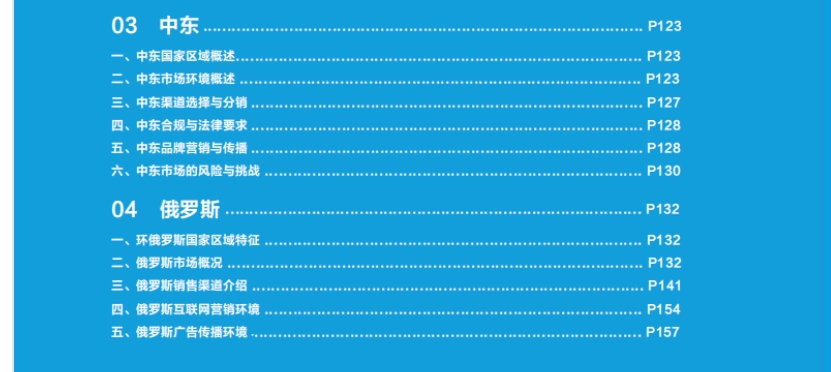
يركز "دليل العلامات التجارية الصينية للخارج CAAC الإصدار 1.0" على العلامات التجارية الصينية التي تتجه إلى الخارج، ويوفر إرشادات شاملة للشركات، ويغطي محتوى رئيسيًا متعدد الجوانب:
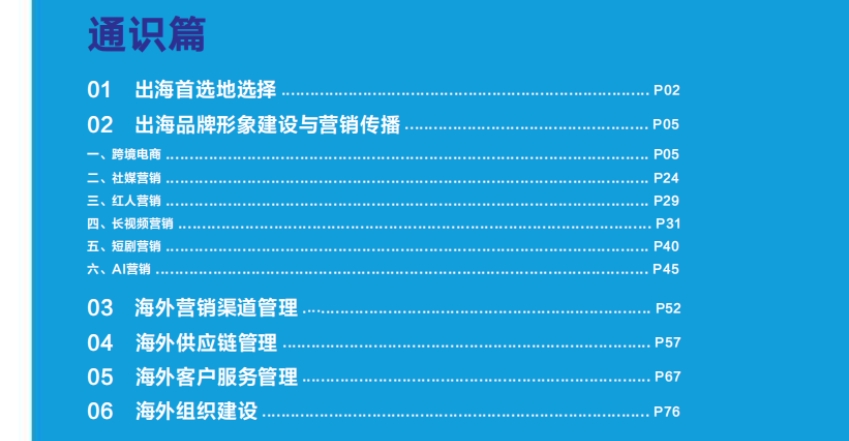
1. قسم المعرفة العامة
- اختيار الوجهة الأولى للخارج: يتم النظر في أبعاد مثل أبحاث السوق، وتحليل الجمهور المستهدف، واستراتيجية اختيار المنتجات، والسياسات واللوائح، والملكية الفكرية. تعد جنوب شرق آسيا وجهة شائعة بسبب مزايا العمالة والسوق، بينما تتميز الاقتصادات المتقدمة مثل أوروبا وأمريكا بقاعدتها الصناعية وسهولة الخدمات اللوجستية، وتختار كل صناعة المنطقة المناسبة وفقًا لخصائصها.
- بناء صورة العلامة التجارية للخارج والتسويق والاتصال
- التجارة الإلكترونية عبر الحدود: تنمو بقوة عالميًا، وتحدث ثورة في نموذج التجارة الخارجية، وتساعد العلامات التجارية على توسيع السوق وزيادة الولاء وتعزيز القدرة التنافسية. يجب على العلامات التجارية اختيار المنصات بناءً على موقعها وأهدافها، وتحسين العمليات، وإتقان التسويق، والاستفادة من استراتيجيات مثل المحتوى والدقة ووسائل التواصل الاجتماعي و O2O لحل المشكلات الشائعة مثل المنافسة والامتثال والثقافة والخدمات اللوجستية وما بعد البيع وأمن البيانات.
- التسويق عبر وسائل التواصل الاجتماعي: تتنوع المنصات الرئيسية في الخارج، حيث يتميز Facebook بحجمه الكبير ودقته في الاستهداف، وInstagram بقوته البصرية وجاذبيته للشباب، وTikTok بخوارزميته المبتكرة التي تجذب المستخدمين الشباب، وYouTube بمحتواه الغني وقوته في البحث، وLinkedIn بتركيزه على المجال المهني. تحتاج الشركات إلى تحديد جمهورها بدقة، وتحسين المحتوى، وتعزيز التفاعل، واستخدام الإعلانات بمهارة، ومواكبة اتجاهات التكامل والابتكار.
- التسويق عبر المؤثرين: يرتفع حجم السوق العالمية، وتستكشف وكالات MCN الخارج، ويوسع العلامات التجارية والتجار نفوذهم من خلال استراتيجيات متعددة للمؤثرين والمواقع المستقلة، ويستهدفون الجمهور بدقة، ويحسنون القصة والفريق، وينشرون عبر قنوات متعددة، ويقيمون التأثير بقوة، لمواجهة المخاطر الثقافية والمحتوى والقانونية.
- التسويق عبر الفيديو الطويل: يحظى بإقبال عالمي، وتحظى إعلانات منصات OTT بقبول عالٍ، وتتمتع بمزايا كبيرة للعلامات التجارية في الخارج. تختار الشركات المحتوى بناءً على السوق، وتغتنم فرص الأعياد، وتدمج العلامة التجارية بشكل غير مباشر، وتوسع التعاون في البرامج، وتخصص البرامج، وتدمج موارد المشاهير ووسائل الإعلام والأعضاء و IP لتعزيز التأثير، وتستفيد من تقنيات AI و VR/AR لابتكار التسويق.
- التسويق عبر المسلسلات القصيرة: قصيرة ومكثفة، وغنية بالموضوعات، وسوقها الخارجي مزدهر، وهي قناة جديدة لنشر العلامة التجارية. يمكن للعلامات التجارية دمج أو تخصيص مسلسلات قصيرة، وإدارة حساباتها الخاصة، والتعاون مع الممثلين، والبث المباشر الحصري، والاستفادة من موضوعات وسائل التواصل الاجتماعي لزيادة الوعي، وتحديد الجمهور بدقة، وتحسين القصة، واختيار فريق الممثلين، والتسويق عبر قنوات متعددة، وتقييم التأثير بقوة، لمواجهة المخاطر المحتملة.
- التسويق بالذكاء الاصطناعي: أصبح القوة الدافعة الأساسية للتسويق، ويعيد تشكيل المشهد، ويعزز الكفاءة والتجربة. تستفيد الشركات من البيانات الضخمة لفهم السوق، وتحديد الجمهور بدقة، وابتكار الاستراتيجيات، وتحسين العمليات، وخفض التكاليف وزيادة الكفاءة، وتستفيد من التكنولوجيا لتحسين الإبداع، وتعزيز التفاعل، وزيادة الكفاءة، وضمان الأمان.
- إدارة قنوات التسويق الخارجية: يقدم أنواعًا متعددة من قنوات التسويق، ويحلل المشكلات الشائعة للشركات في الخارج مثل ملاءمة القنوات، والاعتماد على قناة واحدة، وارتفاع التكاليف، وعدم كفاية التوطين، والإفراط في التركيز على القنوات الرقمية، والمنافسة الشديدة، ويقترح استراتيجيات مثل أبحاث السوق، والتوزيع متعدد القنوات، وتحليل التكلفة والعائد، وبناء فريق محلي، والتوسع خارج الإنترنت، والتمييز التنافسي، ويشير إلى الاتجاهات الجديدة والآفاق الواسعة لقنوات التسويق الخارجية.
- إدارة سلسلة التوريد الخارجية: يشرح بالتفصيل مفاهيم وعناصر إدارة سلسلة التوريد ودورها في التوسع الخارجي، ويحلل المشكلات الشائعة مثل دخول السوق والمرونة والشفافية واستراتيجيات مواجهتها، ويقدم أدوات تقنية مثل برامج إدارة سلسلة التوريد، ويشارك قصص نجاح مثل SHEIN و Best و Hema، ويتطلع إلى اتجاهات مثل التكامل التكنولوجي والاستدامة الخضراء وتأثيرها على العلامات التجارية في الخارج.
- إدارة خدمة العملاء الخارجية: يشرح تعريف خدمة العملاء وصعوبات التوسع الخارجي، بما في ذلك تحديات اللغة والثقافة واللوائح وإدارة القنوات المتعددة والتحكم في التكاليف وفروق التوقيت، ويقدم استراتيجيات بناء الفريق، بما في ذلك الهيكل والتعاون والدعم التقني والتوطين وإدارة التجربة والتدريب والتطوير وآليات التحفيز، ويؤكد على دور الخدمة المحلية والتواصل بين الثقافات وخدمة العملاء الرئيسي في العلامات التجارية الخارجية والمتطلبات القانونية والثقافية، ويقدم أدوات إدارة البرامج وتحليل التغذية الراجعة وحالات محلية ودولية.
- بناء التنظيم الخارجي: يحلل الأهمية الاستراتيجية للعلامات التجارية الصينية في الخارج، وتحديات الثقافة والقانون وقوة العلامة التجارية والمنافسة والإدارة والتشغيل، ويشرح أهداف بناء التنظيم، واتجاهات تغيير الهيكل، وأهمية وطرق تغلغل الثقافة والتواصل بين الثقافات والاندماج، ويقارن الاختلافات بين أسواق الموارد البشرية المحلية والأجنبية، ويقترح تدابير مثل التدريب والتطوير وآليات التحفيز وإدارة المخاطر والتنفيذ والمراقبة والتقييم وآليات المكافأة والعقاب.
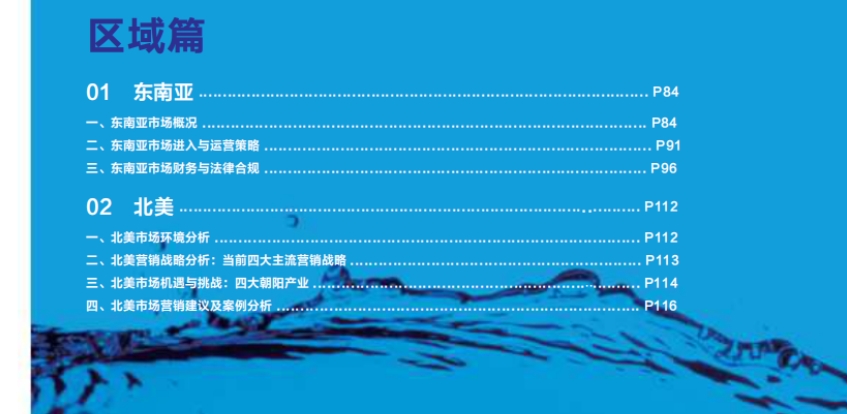
2. قسم المناطق
- جنوب شرق آسيا: يغطي نظرة عامة على السوق الجغرافيا السكانية للدول، وتنوع الأديان والثقافات، والنمو الاقتصادي السريع، ونضج التجارة الإلكترونية، وتغير عادات الاستهلاك، وهيمنة الشركات الصينية على هيكل الصناعة، واختلاف الاعتراف بالعلامات التجارية بين الدول؛ تشمل استراتيجيات دخول السوق والتشغيل أبحاث المستهلكين، وتحديد موقع العلامة التجارية بدقة، وتوطين المنتج والتسعير، واختيار نموذج الدخول وقنوات التسويق، والتسويق المتكامل، وتحسين سلسلة التوريد وقنوات البيع بالتجزئة، والاهتمام بالموارد البشرية والابتكار التكنولوجي، وإدارة الامتثال المالي، وتعزيز المسؤولية القانونية والاجتماعية.
- أمريكا الشمالية: يحلل بيئة السوق من حيث الثراء، والقوة الشرائية، وحيوية بيئة التسويق النابعة من تنوع السكان والبنية التحتية الرقمية، وشبكات البيع الناضجة، وثقافة الابتكار وحماية الملكية الفكرية؛ تشمل استراتيجيات التسويق شبكات البيع بالتجزئة والإعلام متعددة القنوات، ومزيج إعلامي متنوع، وتوسيع خدمات العلامة التجارية، وتطبيق التقنيات الناشئة؛ تركز فرص السوق على صناعات AI والطاقة الجديدة و VR/AR والإعلام الرقمي والتحديات؛ تدور نصائح التسويق حول تحسين القدرة التنافسية للمنتج، وتعزيز المبيعات من خلال الأحداث الرياضية وموسم التسوق، مع أمثلة توضح تأثير خدمات التسويق وتحليل حدث TikTok.
- الشرق الأوسط: تشمل نظرة عامة على المنطقة الجغرافيا السكانية للدول، والتنوع الاقتصادي، وتميز الدين والثقافة، وتعقيد السوق؛ تشمل نظرة عامة على السوق الجغرافيا السكانية، وتقسيم الاقتصاد والاستهلاك، وتنوع اتجاهات السوق، وتأثير الثقافة على جميع مراحل الاستهلاك، وأبحاث السوق وتحليل المنافسين، واستراتيجيات توطين تحديد موقع العلامة التجارية؛ يتضمن اختيار قنوات التوزيع القنوات عبر الإنترنت وغير المتصلة وإدارة سلسلة التوريد اللوجستية؛ يغطي الامتثال القانوني اتباع اللوائح وحماية الملكية الفكرية؛ يشمل التسويق للعلامة التجارية الحساسية الثقافية، واستراتيجيات الوسائط الرقمية والاجتماعية، والتعاون مع المؤثرين، والإعلانات في الأعياد، والعلاقات العامة والسمعة، وتجربة العملاء والولاء، والمشاركة في الأنشطة المحلية؛ تشمل المخاطر والتحديات السياسية والاقتصادية، والامتثال للوائح، والدين والثقافة، وتقسيم السوق، والبنية التحتية اللوجستية، والمنافسة الشديدة.
- روسيا: تتميز المنطقة بكونها محاطة بدول رابطة الدول المستقلة، وتأثر هيكل الصناعة بالصراع الروسي الأوكراني؛ تشمل نظرة عامة على السوق توزيع السكان في المدن، والجغرافيا والمناخ، واعتماد الهيكل الاقتصادي على الموارد والصناعات الثقيلة، وخصائص العادات الثقافية، مما يوفر منظورًا شاملاً وإرشادات عملية للعلامات التجارية في الخارج.