 2091
2091شركة تايوانية صغيرة، بدأت برأس مال لا يتجاوز 35 ألف دولار أمريكي و7 موظفين فقط، ولم تكن قادرة حتى على صنع آلة حاسبة واحدة، وبعد 40 عامًا من المثابرة والتحول، أصبحت الآن رابع أكبر شركة مصنعة لأجهزة الكمبيوتر الشخصي في العالم!
وليس هذا فقط، فبفضل نجاحها في مجالات متعددة مثل الألعاب الإلكترونية والشاشات وأجهزة العرض، تحولت تدريجيًا إلى علامة تجارية تمتد عبر عدة قطاعات تكنولوجية، ويصل تأثيرها إلى العديد من الدول.
هذه الشركة هي Acer (أيسر).
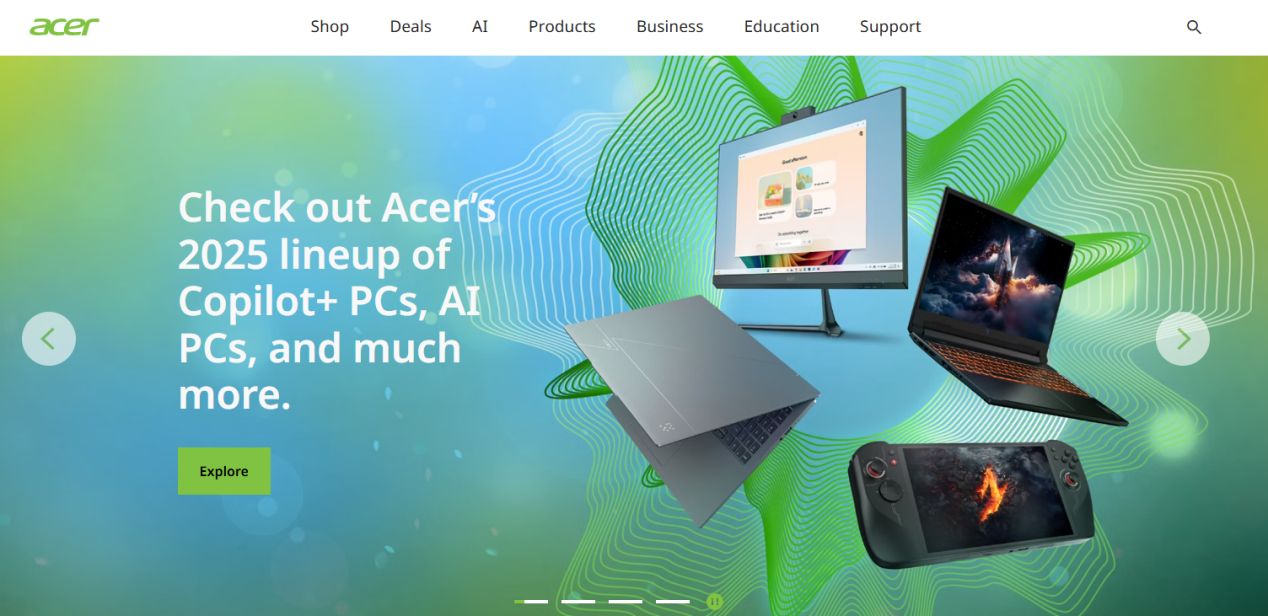
المصدر: موقع Acer الرسمي
مؤسس علامة Acer التجارية، شيه تشن رونغ، ينحدر من عائلة فقيرة في تشانغهوا، تايوان.
يُذكر أن شيه تشن رونغ أظهر اهتمامًا بالتكنولوجيا منذ صغره، فالتحق بجامعة تايوان الوطنية للنقل (交通大学) وحصل على درجة في الهندسة الإلكترونية، ثم التحق بمعهد الدراسات العليا للإلكترونيات بتفوق.
بعد تخرجه، عمل في شركتي "هوانيو للإلكترونيات" و"رونغتاي للإلكترونيات" في تايوان، واكتسب خبرة صناعية واسعة.
في عام 1976، قرر شيه تشن رونغ تأسيس شركة "متعددة التكنولوجيا الدولية" (Multitech International) مع خمسة مساهمين، والتي كانت النواة الأولى لعلامة Acer التجارية. كان لدى الشركة في ذلك الوقت 7 موظفين فقط، ورأس مال لا يتجاوز 35 ألف دولار أمريكي، وكانت تعمل بشكل أساسي في تطوير وإنتاج الآلات الحاسبة.
مع مرور الوقت، وسعت علامة Acer التجارية خط إنتاجها تدريجيًا، وأطلقت منتجات مبتكرة مثل الكمبيوتر الصيني "تيان لونغ" (天龙)، مما عزز سمعتها في السوق.
بحلول عام 1987، غيرت الشركة اسمها رسميًا إلى شركة أيسر المحدودة (Acer Incorporated)، وتم إدراجها بنجاح في البورصة عام 1988.
المصدر: الإنترنت
ومع ذلك، لم يكن نمو علامة Acer التجارية خاليًا من العقبات.
وفقًا للبيانات، في أوائل التسعينيات، واجهت Acer أزمة مالية حادة، مع وجود صراعات في فلسفة الإدارة العليا للشركة، كما أدى صعود علامات تجارية مثل Dell وHP إلى اشتداد المنافسة في السوق، مما أوقع Acer في مأزق.
في مواجهة هذه التحديات، لم يفقد شيه تشن رونغ الأمل، وبفضل إصراره على البحث والتطوير التكنولوجي وبصيرته الثاقبة لاحتياجات السوق، طرح نظرية "منحنى الابتسامة" (Smile Curve)، معتقدًا أن الشركة يجب أن تركز على تصميم البحث والتطوير والتسويق للعلامة التجارية لتحقيق قيمة مضافة أعلى.
بالإضافة إلى ذلك، دفع بإصلاح الهيكل الإداري، حيث قسم الشركة إلى مجموعات أعمال موجهة نحو التسويق وأخرى موجهة نحو التصنيع، مما زاد من الاستقلالية والمرونة، وخفض التكاليف الإدارية، وسرّع كفاءة العمليات.
ساعدت هذه الإجراءات علامة Acer التجارية على تجاوز الأزمة بنجاح، والتحول تدريجيًا واستعادة النمو.

علامات تجارية مثل Dell وHP المصدر: الإنترنت
من المعروف أنه مع دخول القرن الحادي والعشرين، ومن أجل ترسيخ مكانتها في السوق، سعت علامة Acer التجارية جاهدة إلى الابتكار لتقديم تجربة أفضل للمستهلكين.
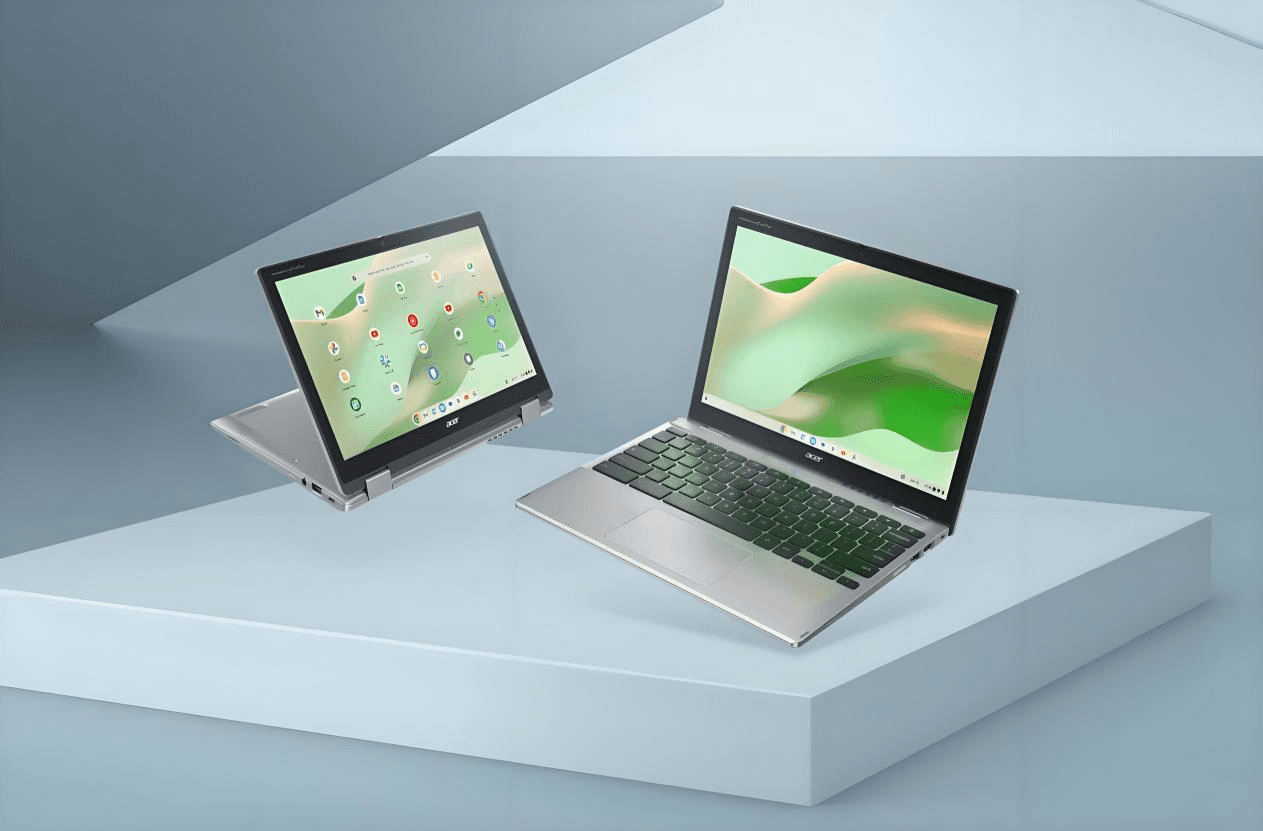
على سبيل المثال، في عام 2003، أطلقت علامة Acer التجارية سلسلة أجهزة الكمبيوتر المنزلية Aspire، مما جعل استخدامها في المنزل أكثر سهولة وملاءمة. كما أطلقت في عام 2007 أجهزة كمبيوتر محمولة للاستخدام المنزلي والتجاري لتلبية الاحتياجات المتعددة للمستهلكين.
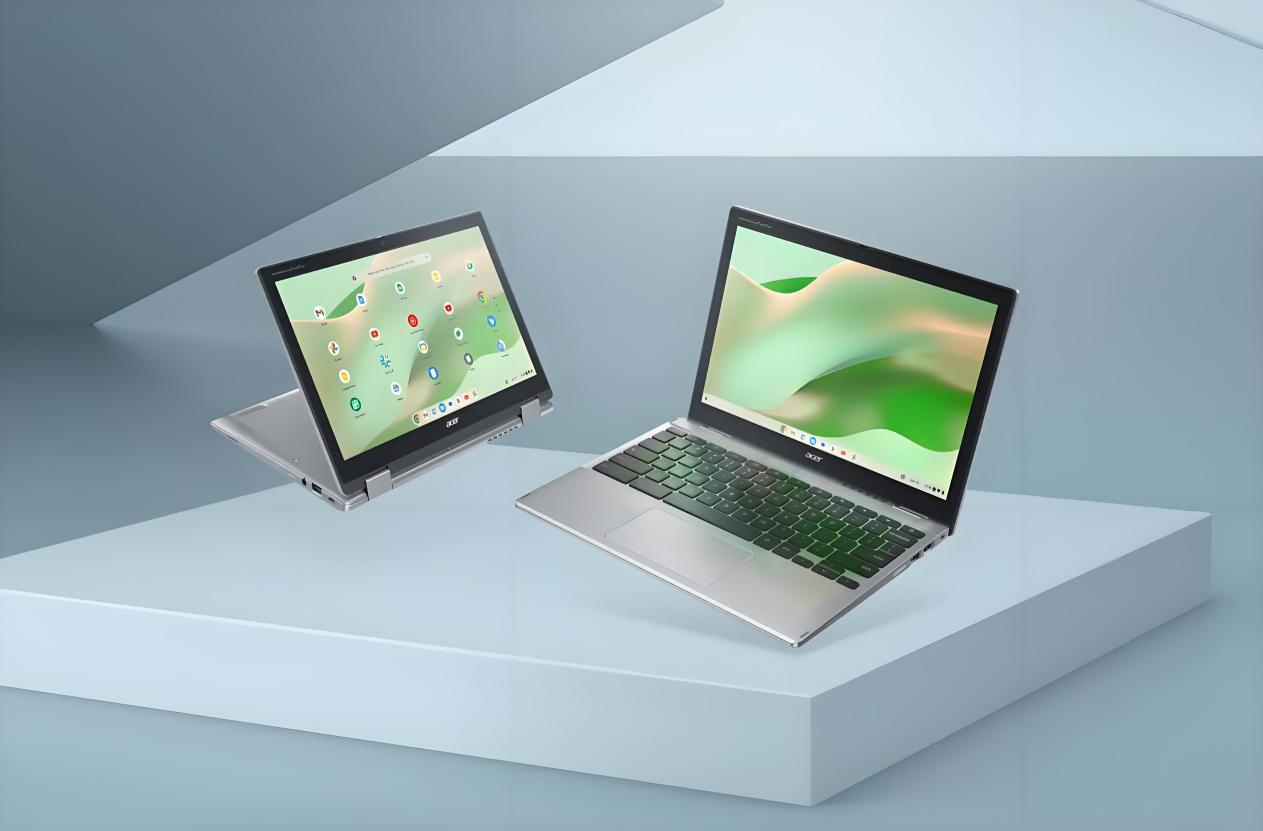
المصدر: الإنترنت
ولتسريع غزو الأسواق العالمية، اتبعت علامة Acer التجارية استراتيجية مزدوجة عبر الإنترنت وخارجها.
عبر الإنترنت، جعلت Acer منصات مثل Amazon قنوات بيع أساسية، وزادت في السنوات الأخيرة استثماراتها على TikTok، حيث تتعاون مع المؤثرين لنشر مقاطع فيديو إبداعية قصيرة وتنظيم تحديات دورية على TikTok.
خارج الإنترنت، تتعاون Acer بنشاط مع كبار تجار التجزئة العالميين، خاصة في الولايات المتحدة حيث أقامت شراكات طويلة الأمد مع سلاسل المتاجر الكبرى مثل Best Buy، ولديها مناطق عرض مخصصة.
يسمح هذا النموذج التسويقي لعلامة Acer التجارية بتغطية شرائح مختلفة من المستهلكين بكفاءة أكبر على نطاق عالمي، مما يزيد من ظهورها ويعزز تجربة الشراء وثقة المستهلكين بالعلامة التجارية.

المصدر: TikTok
خاتمة
كم من الوقت تحتاج شركة صغيرة لتصبح عملاقًا عالميًا في مجال أجهزة الكمبيوتر الشخصي؟
قدمت علامة Acer التجارية إجابة يمكن الرجوع إليها.
عندما تتخلص الشركات العريقة من أعبائها وتتبنى التغيير بروح "الريادة الثانية"، قد تكون قصة العودة القوية قد بدأت للتو.
الشركات الصينية التي تسعى جاهدة في الأسواق الخارجية، آمنوا بأن النجاح أصبح قريبًا منكم!