 2348
2348وفقًا لتقارير البيانات ذات الصلة، بلغ حجم سوق كاميرات الحركة العالمية 3.5 مليار دولار أمريكي في عام 2023، ومن المتوقع أن يرتفع إلى 13.1 مليار دولار أمريكي بحلول عام 2032، بمعدل نمو سنوي يبلغ 14.2%.
في هذا المسار الصاعد باستمرار، يرتبط اسم علامة GoPro التجارية ارتباطًا وثيقًا بالثورة البصرية للرياضات المتطرفة.
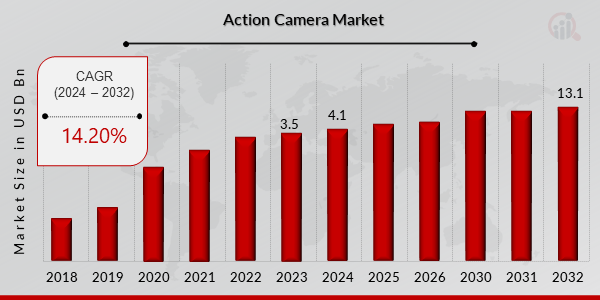
المصدر: Market Research Future
من القفز بالمظلات من المنحدرات إلى ركوب الأمواج في أعماق البحار، ومن التزلج السريع على الثلوج إلى سباقات الجبال الوعرة، لا تخلو لحظات ذروة تحدي الإنسان للطبيعة من وجود GoPro.
فهي لم تفتح صناعة جديدة فحسب، بل اجتذبت أيضًا العديد من الشركات التقليدية لدخول هذا المجال، حتى أن شركات صينية مثل DJI وInsta360 تحمل بصماتها بشكل أو بآخر.
ونشأتها بدأت في البداية فقط من هوس المؤسس نيك وودمان (Nick Woodman) بموجة واحدة.
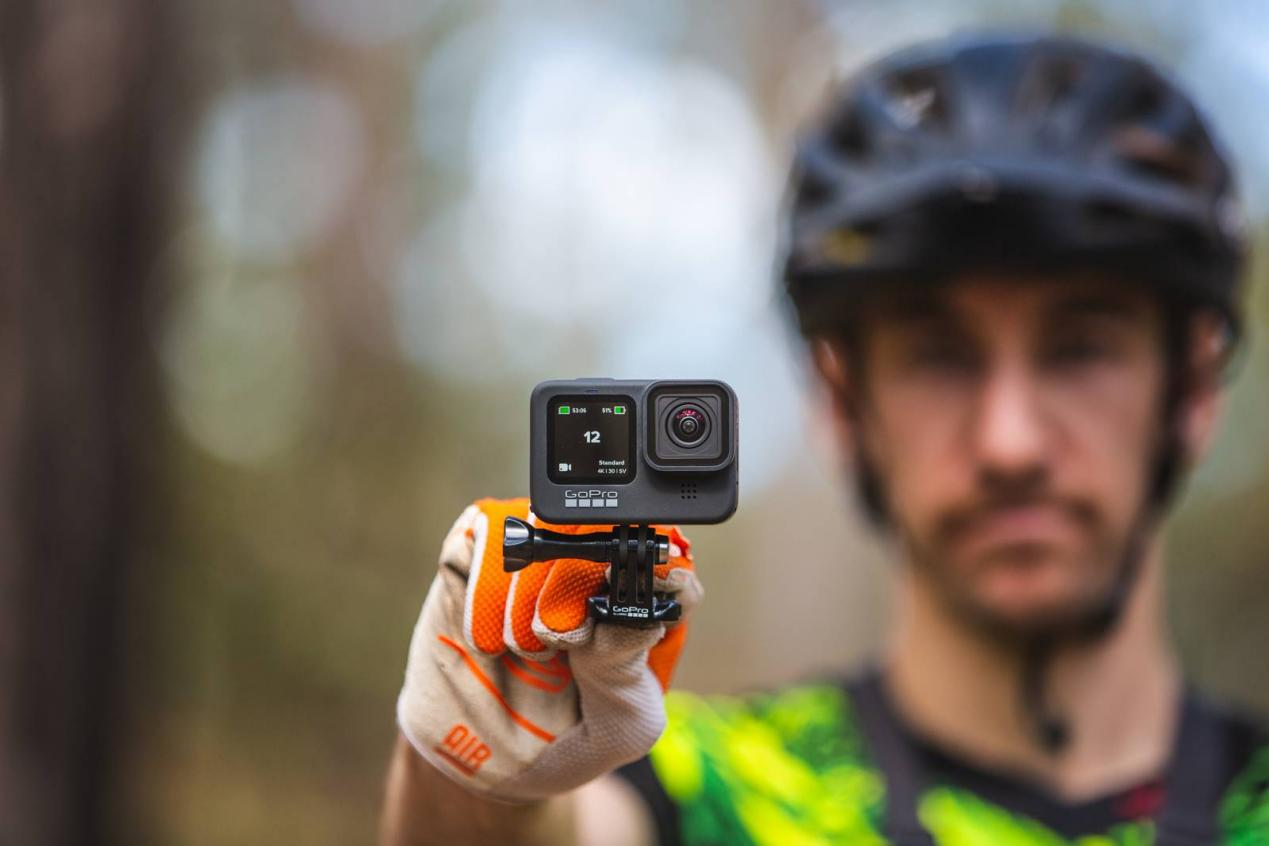
المصدر: الإنترنت
ثورة ريادية بدأت من ركوب الأمواج
وفقًا للبيانات، في عام 2002، قام نيكولاس وودمان، وهو من عشاق ركوب الأمواج، بحل مشكلة التقاط الصور الذاتية أثناء ركوب الأمواج باستخدام ماكينة خياطة والدته ومثقاب كهربائي لصنع أول نموذج أولي لكاميرا GoPro.
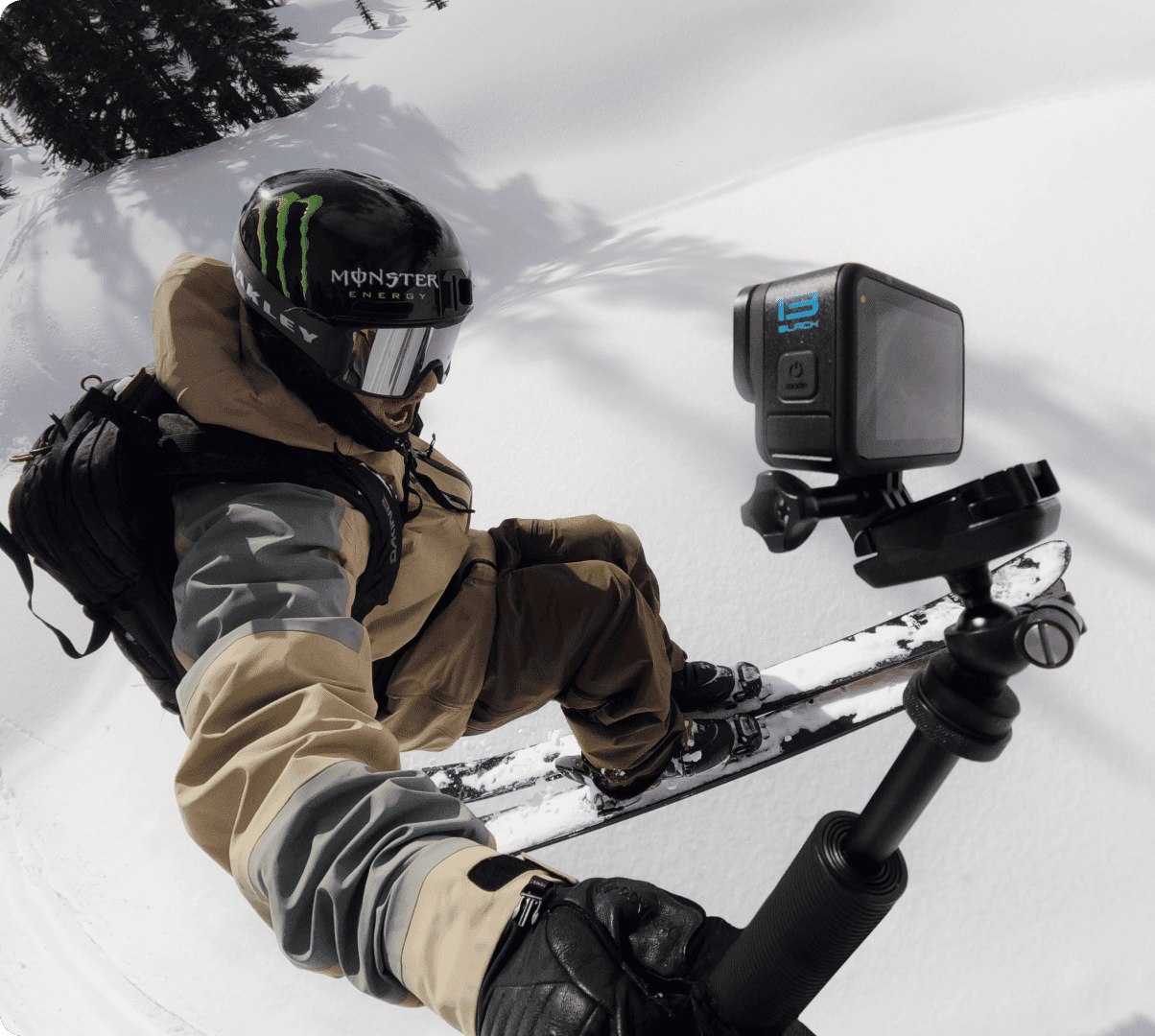
بعد عامين، أطلقت GoPro أول كاميرا مقاومة للماء Hero 35mm بسمك 35 مم فقط، وبدأت رسميًا مسارها التجاري.

المصدر: David Paul Morris/Bloomberg
توالت نقاط التطور المحورية:
Ø 2009: إطلاق أجهزة عالية الدقة (HD)، ودخول رسمي في مجال التصوير الرقمي
Ø 2014: لحظة الذروة، حيث بلغت إيرادات الربع الرابع 634 مليون دولار أمريكي، وارتفع صافي الربح بنسبة 267% على أساس سنوي
Ø 2016: استحواذ على تطبيقَي تحرير الفيديو المحمول Replay وSplice بمبلغ 105 ملايين دولار أمريكي لتوسيع النظام البرمجي
Ø 2024: الإعلان عن تجاوز مبيعات الكاميرات العالمية 50 مليون وحدة، وإطلاق المنتج الجديد Hero 13 Black
ومع ذلك، يكمن الخطر أيضًا وراء النمو المرتفع.
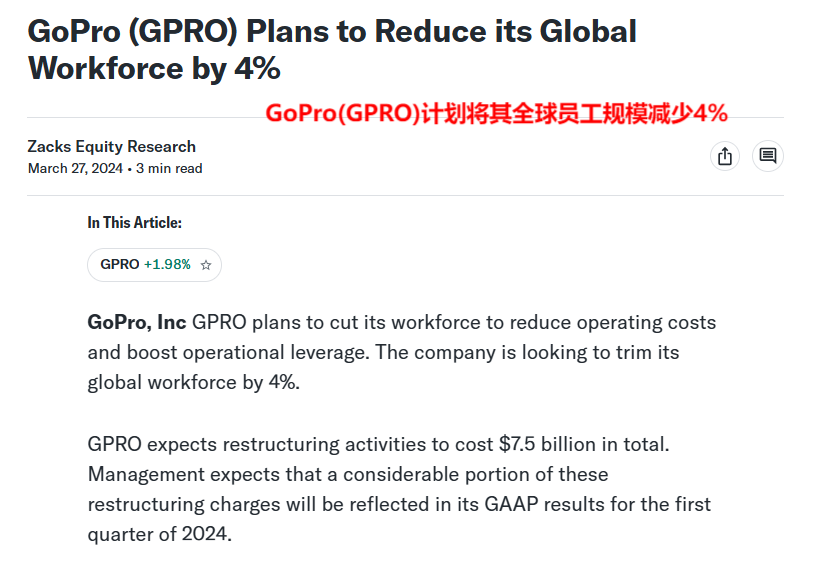
في الربع الثاني من عام 2024، انخفضت إيرادات GoPro بنسبة 22.7% على أساس سنوي إلى 186 مليون دولار أمريكي، واضطرت إلى تقليص 4% من قوتها العاملة عالميًا، ليصل عدد الموظفين إلى حوالي 870 شخصًا، وتداولت الأنباء في الصناعة عن نظرة غير متفائلة تجاه العلامة التجارية.
تحت ضغط استقرار نمو الأجهزة، بدأت GoPro في التحول نحو خدمات الاشتراك بحثًا عن اختراق، من "صفقة لمرة واحدة" إلى إيرادات خدمية مستدامة، وحققت في النهاية إيرادات قدرها 801 مليون دولار أمريكي في عام 2024، مع تراكم 2.52 مليون مشترك، مكملة ترقية النموذج من بيع الأجهزة إلى نموذج أجهزة + خدمات.
المصدر: finance.yahoo
التنقيب في القارة الجديدة: تنفيذ استراتيجية GoPro في جنوب شرق آسيا
مع تطور السوق ونضجه، يعمل صعود العلامات التجارية الصينية على تضييق مساحة البقاء لـGoPro، وفي مواجهة المنافسة المتجانسة المتزايدة، وجهوا أنظارهم بحزم إلى جنوب شرق آسيا، حيث الإمكانات المتدفقة.
في أبريل 2021، دخلت GoPro منصة التجارة الإلكترونية في جنوب شرق آسيا Lazada، وحققت في أول حدث لـ11.11 إنجازًا بـ GMV يومي قدره 218 ألف دولار أمريكي، وتصدرت فئة كاميرات الحركة في موقعي الفلبين وتايلاند، حيث ارتفع GMV في الفلبين بنسبة 721% مقارنة بعروض 9.9 الترويجية.
وراء النجاح توجد استراتيجية تكيف سوقية دقيقة:
1. تطوير مجموعات رياضية مائية مخصصة للبيئة المائية المتنوعة في جنوب شرق آسيا
2. التركيز على LazMall، متجر العلامات التجارية التابع لـLazada، والذي يضم 32 ألف علامة تجارية دولية وأكثر من 110 ملايين مستهلك عالي الجودة
3. تحقيق انفجار في المبيعات من خلال استراتيجية "سباق الساعتين الأوليين" (تقديم أقصى خصم في أول ساعتين من الترويج)
حاليًا، تبلغ حصة GoPro في سوق كاميرات الحركة عبر الإنترنت في جنوب شرق آسيا 60%، مما يثبت إمكانات المنتجات ذات السعر المرتفع في الأسواق الناشئة.
المصدر: GoPro
معركة متعددة المنصات: تفكيك "الضربات المركبة" للتشغيل عبر وسائل التواصل الاجتماعي
في الترويج أيضًا، اتبعت GoPro استراتيجية توزيع شاملة عبر القنوات، حيث صممت تكتيكات حصرية بناءً على خصائص كل منصة وعادات المستخدمين وأنماط استهلاك المحتوى، وشكلت "ضربات مركبة" فعالة ومتناسقة.
1. TikTok
على منصة TikTok التي تسعى إلى التأثير الفوري وكفاءة الانتشار العالية، يتمحور جوهر استراتيجية GoPro حول خلق "لحظة واو" وتحفيز المشاركة الإبداعية من المستخدمين.
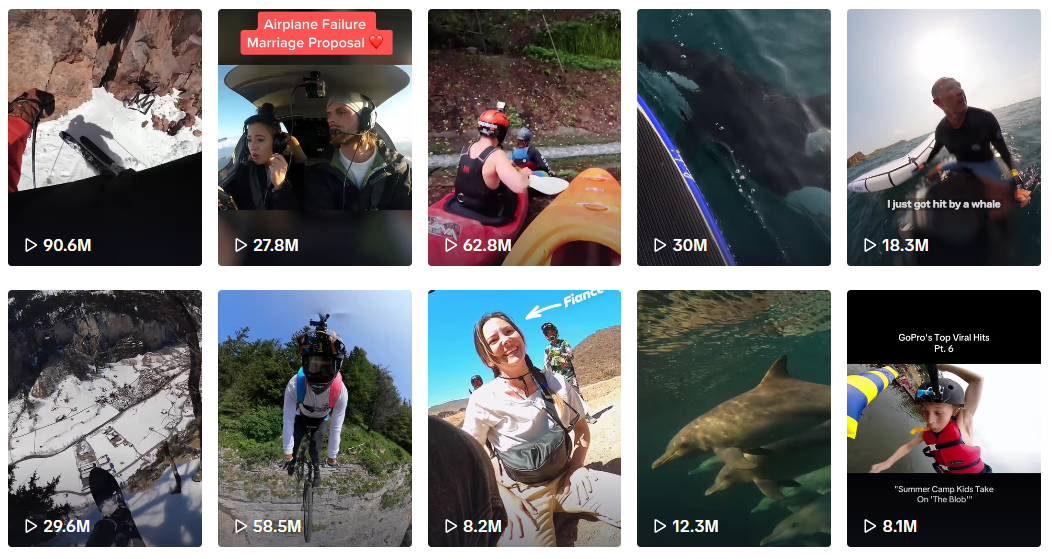
على سبيل المثال، في الحساب الرسمي @gopro (عدد المتابعين 3.3 مليون، إجمالي المشاهدات 917 مليون)، تركز محتوياتهم بشكل كبير على القفز بالمظلات وركوب الأمواج والهبوط السريع على الجبال والغوص وغيرها من الرياضات المتطرفة والمشاهد الخارجية الرائعة، ومن بينها فيديوهات تجاوزت عشرات الملايين من المشاهدات.
المصدر: TikTok
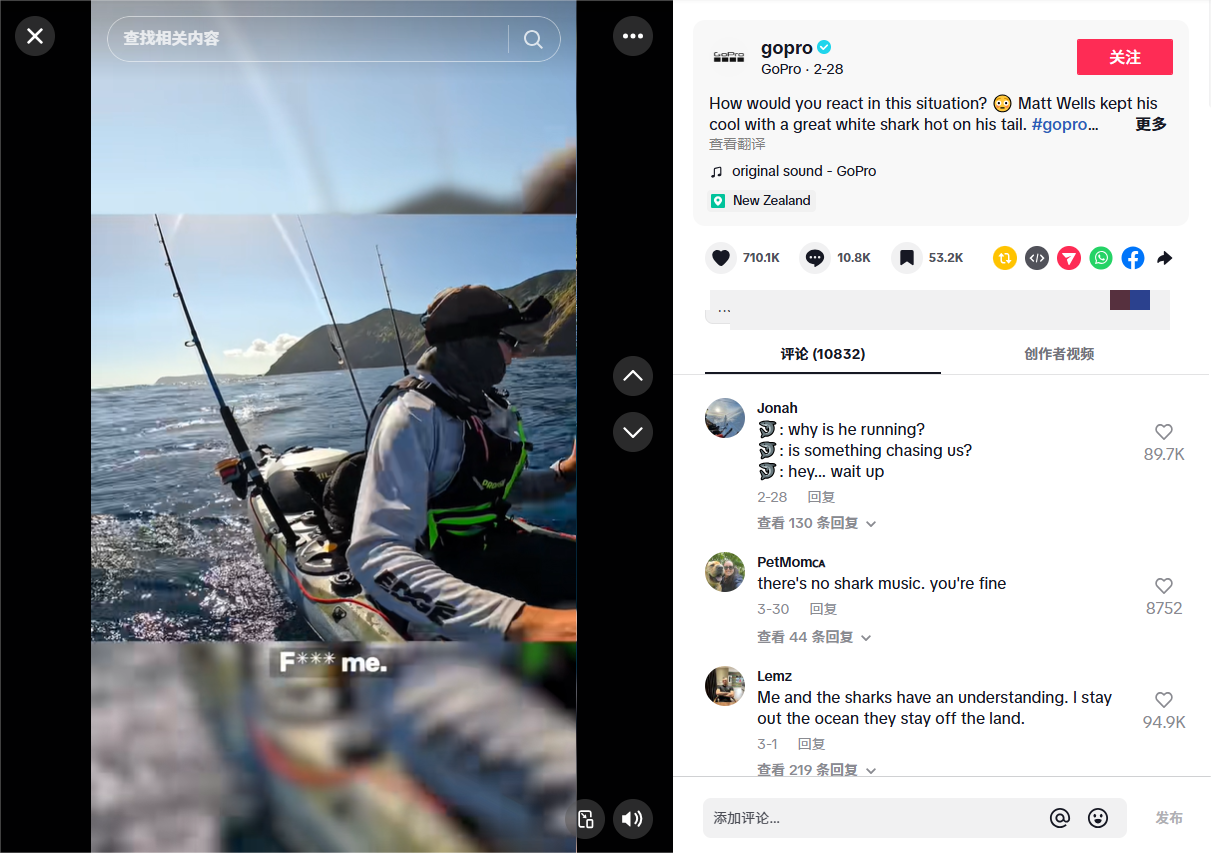
على سبيل المثال، مقطع فيديو نشر في فبراير 2025 يظهر مستخدمًا في البحر يصادف سمكة قرش بيضاء كبيرة، حيث كان المستخدم على قارب تجديف محاطًا بأسماك القرش البيضاء، مما خلق جوًا من التوتر، وسجلته كاميرا GoPro بشكل مثالي، وحقق الفيديو في النهاية 19.5 مليون مشاهدة، مما جلب للعلامة التجارية حجمًا كبيرًا من الصدى.
المصدر: TikTok
في الوقت نفسه، تتعاون GoPro بشكل طويل الأمد مع منشئي محتوى متخصصين في مجالات الهواء الطلق والرياضة والحيوانات الأليفة على TikTok، لتقليل الطابع الإعلاني من خلال السيناريوهات الواقعية.
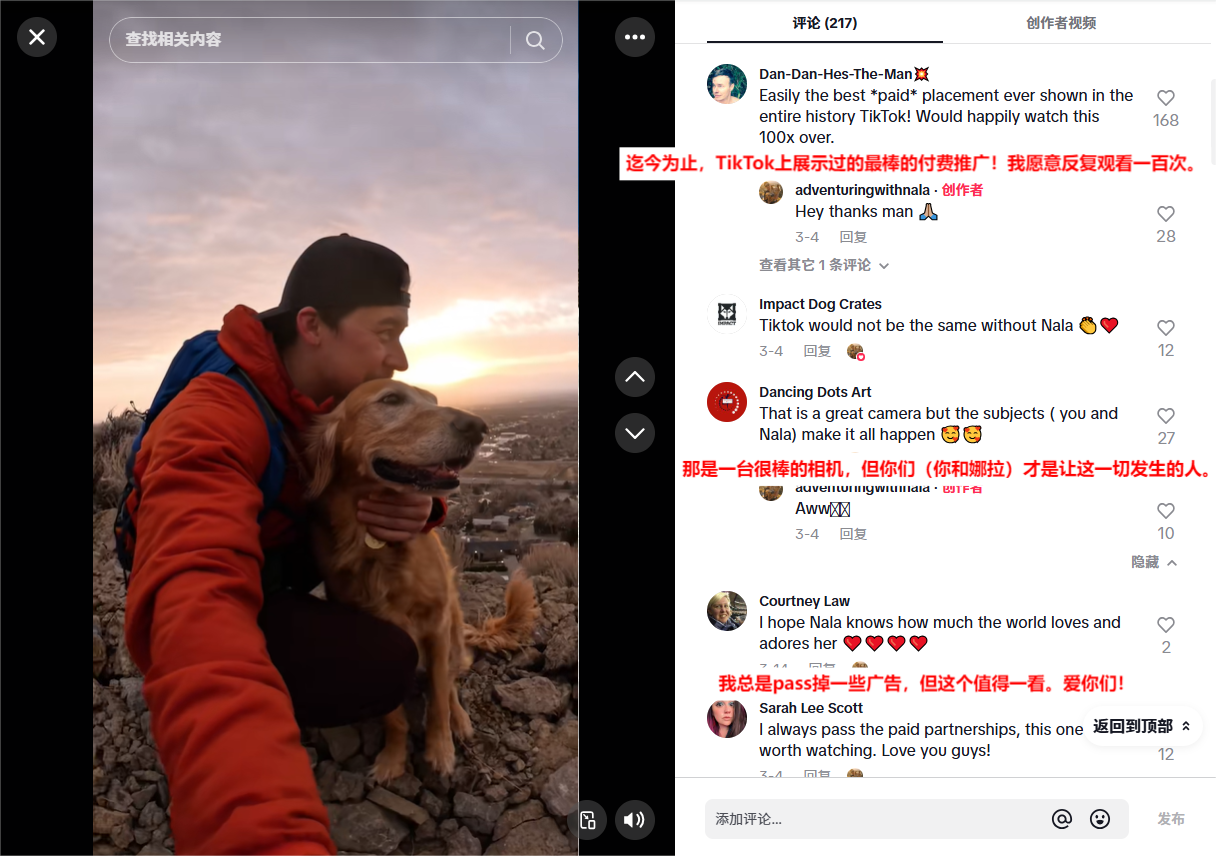
حالة نموذجية هي التعاون مع منشئ المحتوى الرائد في مجال الحيوانات الأليفة على TikTok @adventuringwithnala (7.7 مليون متابع)، حيث نشر الفيديو من منظور الشخص الأول للكلب وهو يركض ويقفز في الثلج، مع التصوير الملتصق باستخدام كاميرا GoPro، مما أثبت أداء تثبيت الكاميرا وقدرتها على التقاط الحركة.
في النهاية، تجاوز عدد مشاهدات هذا المقطع الفردي مليون مشاهدة، وظهرت في التعليقات العديد من الردود الإيجابية مثل "أفضل إعلان تجاري" و"الكاميرا رائعة والكلب رائع أيضًا"، مما حقق فوزًا مزدوجًا في الترويج الناعم والصدى العاطفي.
المصدر: TikTok
2. YouTube
عندما ينتقل الميدان إلى YouTube، يتحول محور استراتيجية GoPro نحو ترسيخ المحتوى العميق وبناء الثقة التقنية المتخصصة.
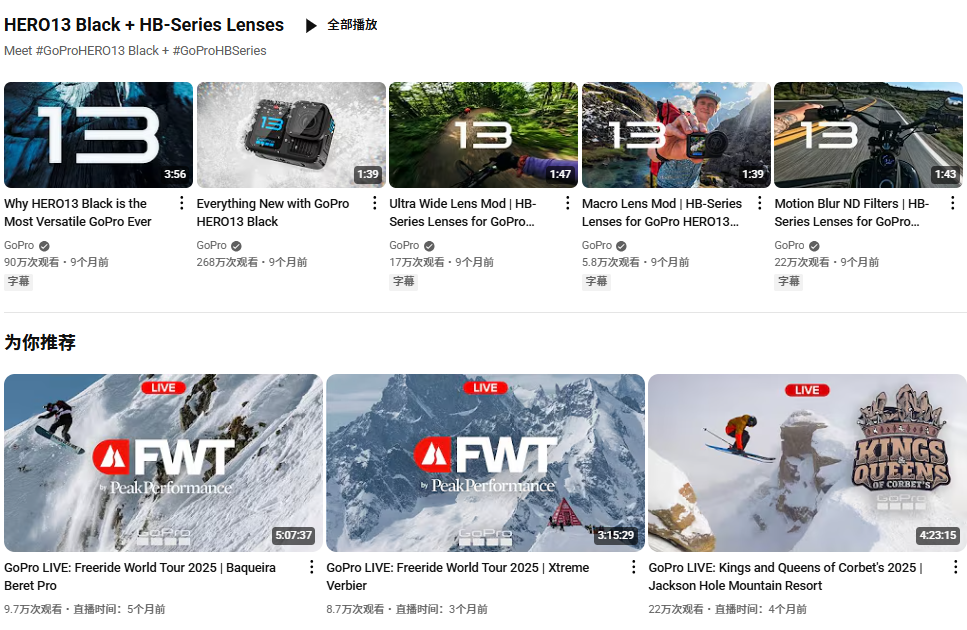
هنا أرض خصبة لمقاطع الفيديو الطويلة، وتستثمر GoPro مواردها في إنتاج فيديوهات ترويجية عالية الجودة وأفلام وثائقية عن الرياضات المتطرفة، لنشر أداء المنتج وروح المغامرة التي تمثلها العلامة التجارية، وبالتالي رفع مكانة العلامة التجارية.
المصدر: YouTube
بالنسبة للمنتجات الجديدة (مثل HERO13 Black) أو التحديثات الوظيفية المهمة، تتبع GoPro استراتيجية المراجعة المتعمقة + التأييد المهني.
مثل دعوة صانعي أفلام مشهورين أو مصورين محترفين أو رياضيين متطرفين من الطراز الأول لإجراء اختبارات ميدانية وتقييمات متعمقة.
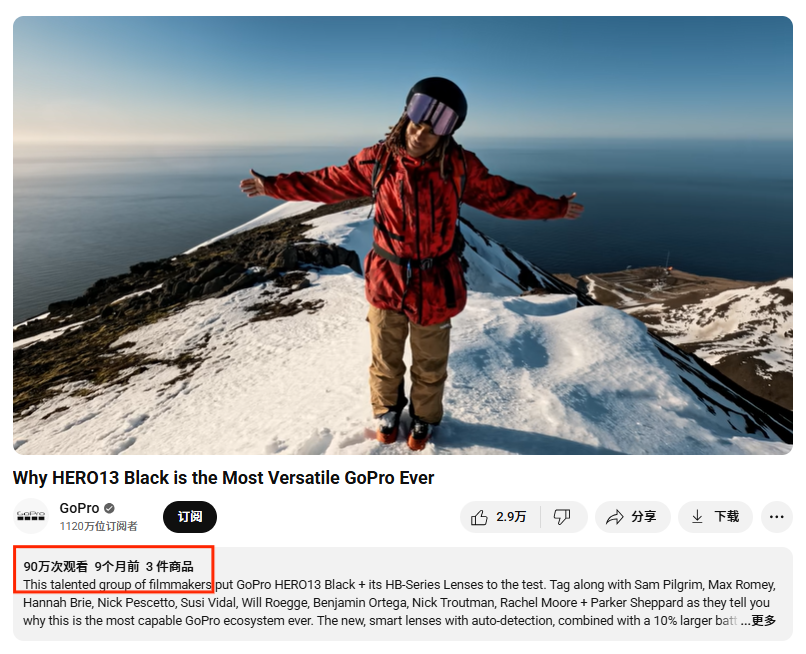
على سبيل المثال، مقطع الفيديو التقييمي للمنتج "Why HERO13 Black is the Most Versatile GoPro Ever" المنشور في المثبت، أظهر من خلال الاختبارات الفعلية التي أجراها العديد من صانعي الأفلام لـ HERO13 Black والعدسات الملحقة، تعدد استخداماتها بشكل شامل.
في النهاية، تجاوز عدد مشاهدات الفيديو 900 ألف مشاهدة، ليصبح مثالًا ناجحًا لبناء الثقة التقنية لدى المستخدمين.
هذا النوع من المحتوى الذي يقدم منظورًا مهنيًا خارجيًا، يكون تأثيره显然 أفضل من الحديث الذاتي للعلامة التجارية، فهو لا يجيب فقط على الاستفسارات المهنية للمستخدمين الأساسيين والمتحمسين، بل يعزز أيضًا المصداقية التقنية بشكل غير مرئي.
المصدر: YouTube
3. Facebook
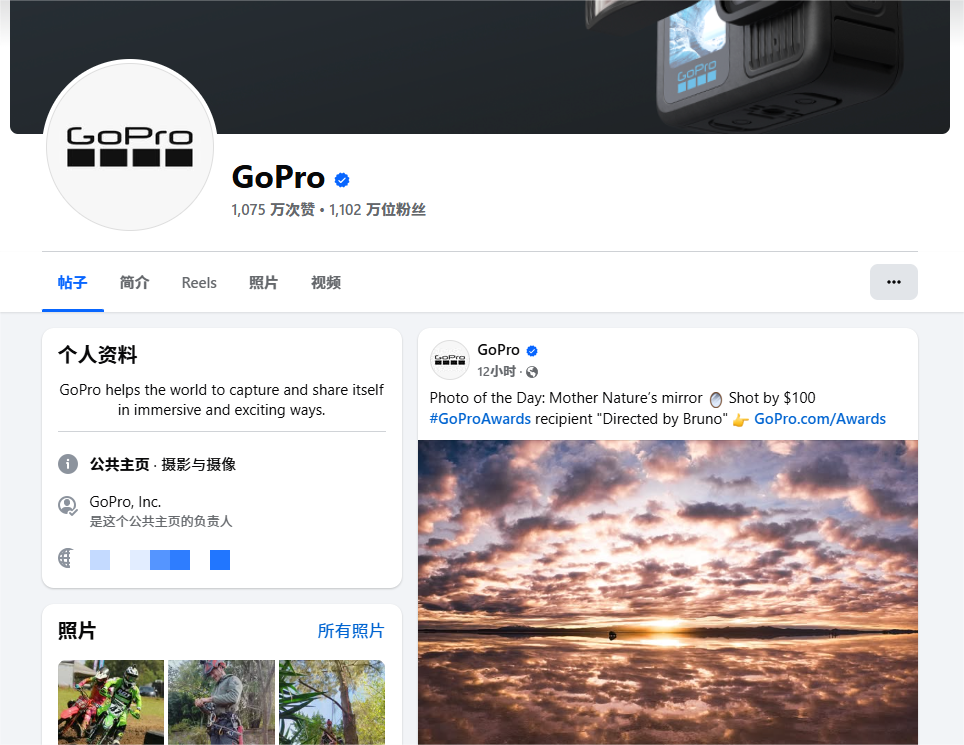
على منصة Facebook، يتمحور جوهر استراتيجية GoPro حول رفع قيمة المستخدم وبناء الشعور بالفخر المجتمعي، وسلاحها الرئيسي هو برنامج "جوائز GoPro" (GoPro Awards).
يحدد هذا البرنامج جوائز وجوائز مالية، ويدعو المستخدمين من جميع أنحاء العالم لتقديم أفضل الصور ومقاطع الفيديو الملتقطة بكاميرات GoPro.
في الوقت نفسه، تستخدم GoPro بمرونة تنسيقات المحتوى المتعددة في Facebook (المنشورات، مقاطع Reels القصيرة، الصور، مقاطع الفيديو الطويلة) لعرض أعمال المستخدمين ورواية قصص العلامة التجارية ونشر معلومات الفعاليات، للحفاظ على حيوية الصفحة وجاذبيتها.
حتى الآن، تجاوز عدد متابعي الحساب الرسمي لـGoPro على Facebook 10.75 مليون متابع، مما شكل مجتمع مستخدمين ناضجًا.
المصدر: Facebook
داخل العدسة، حيث تتجه القلوب
قصة علامة GoPro التجارية تذكرنا بأن المنتجات قد تكون متشابهة، لكن طرق التواصل مع المستخدمين تختلف بشكل كبير، عند مواجهة أنظمة بيئية معقدة مثل TikTok وYouTube، قد لا تكمن الإجابة في تكرار الحركات، بل في الفهم: هل منتجك هو وسيلة التعبير عن الذات للمستخدمين؟
وهذا بالضبط هو فرصة العلامات التجارية الصينية للإبحار في موجة العولمة، في أراضٍ شاسعة، تنتظر الاحتياجات والرغبات غير الملباة علامات تجارية ترغب في فهم المستخدمين بعمق ورواية القصص بقلب لتلبيتها.
اخرج، ليراك العالم.