 2757
2757
فيفي منطق خوارزمية TikTok، المحتوى مجرد وسيلة، والعواطف هي محرك التدفق الحقيقي.
المستخدمون لا يبقون لمجرد أن الفيديو يحتوي على الكثير من المعلومات، بل يقومون بالإعجاب والتعليق والمشاركة بسبب الرنين العاطفي الذي يجلبه.——
هذه السلوكيات هي بالضبطالإشارات الرئيسية التي يستخدمها TikTok لتحديد ما إذا كان المحتوى يستحق التوصية!
إذًا، كيف يمكن للعلامات التجارية أنتربط عاطفة أساسية على TikTok، بحيث عندما يفكر المستخدمون فيك، يرتبطون بشعور معين؟
ربما يمكننا العثور على الإجابة من العلامات التجارية الثلاث التالية التي نجحت في التوسع عالميًا.
مصدر الصورة:Google
01
Ban.do:
جعل السعادة رمزًا للعلامة التجارية
علامة تجارية إبداعية متخصصة من لوس أنجلوسBan.do، التي بدأت من إكسسوارات الشعر، نمت الآن لتصبح علامة تجارية لأسلوب الحياة بإيرادات سنوية تتجاوز 50 مليون دولار.
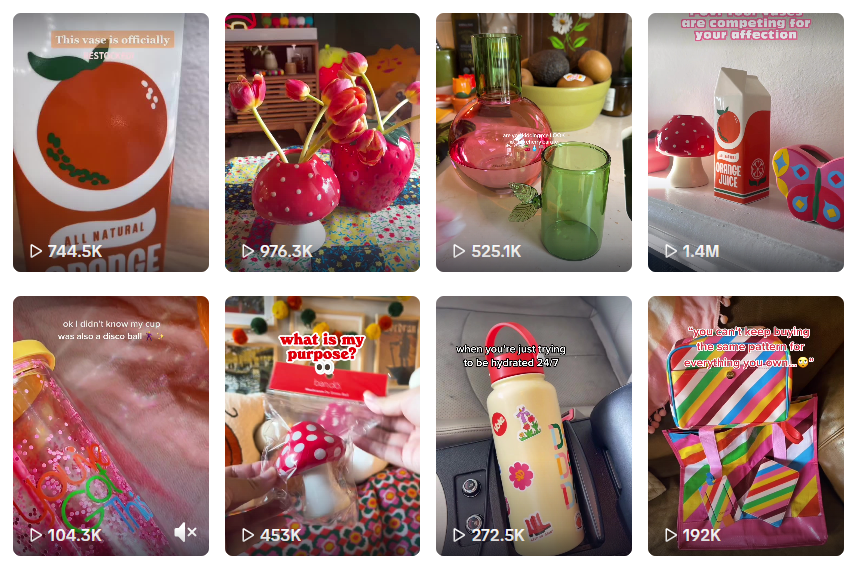
محتوياتهاعلى TikTok، هي تقريبًا وليمة بصرية من الألوان والسعادة.
فيحساب @shopbando، لا ترى إعلانات جامدة.
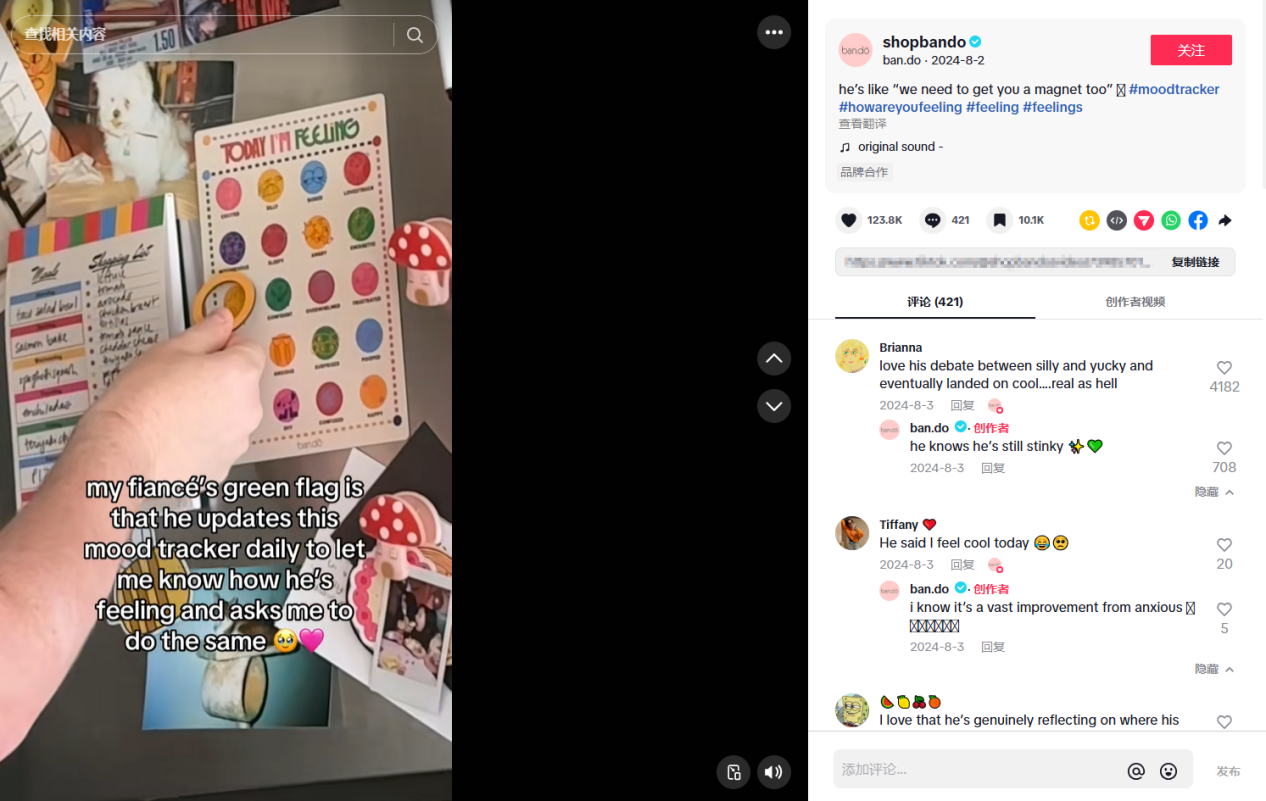
بدلاً من ذلك: ظهور أدوات مكتبية قوس قزح فجأة في المكتب، مشاهد صديقات يهدين بعضهن هدايا لطيفة، وحتى تعليقات فكاهية عن خطيب يخفي“心情冰箱贴”的幽默吐槽……
مصدر الصورة:TikTok
هذه المحتويات لا تركز على الوظيفة، ولكنها تنقل في كل مكان مشاعر الاسترخاء والتفاؤل والشفاء.
فيديو يشتكي من أن خطيبها يحب مغناطيس الثلاجة المزاجي، حصل على2.6 مليون مشاهدة.
المستخدمون يشاركون تجاربهم المماثلة في التعليقات، مما خلق رنينًا جماعيًا حول السعادة الصغيرة.
نجاح Ban.do يكمن في أنها جعلت عاطفة السعادة ملموسة من خلال ألوان قوس قزح، وأشياء صغيرة علاجية، ولقطات من الحياة، وعرضتها من خلال مشاهد حقيقية على TikTok.
إنها ليست مجرد بيع، بل مشاركة لطريقة تجعل الناس يشعرون بالسعادة.
مصدر الصورة:TikTok
02
Sculpd:
علاج قلق العصر الحديث بالإنجاز
علامة تجارية بريطانية للحرف اليدوية الطينيةSculpd، وُلدت خلال فترة الإغلاق بسبب الجائحة. ما التقطته هو الرغبة العميقة لدى الناس في عصر عدم اليقين في الشعور بالسيطرة والإنجاز.
فيعلى TikTok، أسلوب محتوى Sculpd يختلف تمامًا عن علامة Ban.do التجارية.
إنها لا تركز على الجماليات، بل تركز على العملية!
مصدر الصورة:TikTok
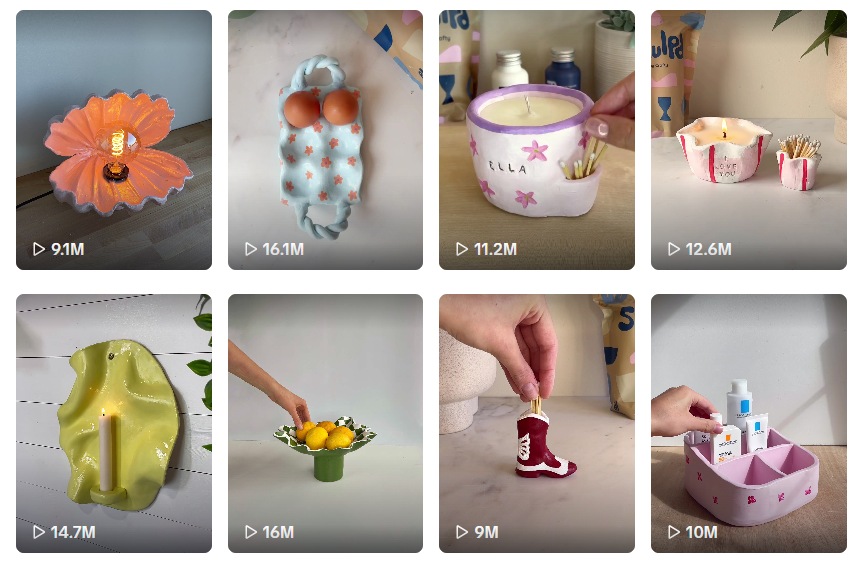
سلسلة من مقاطع الفيديو المتسارعة لصنع الطين، مصحوبة بموسيقى خفيفة، تسمح للمستخدمين بمشاهدة العملية الكاملة لتحويل لا شيء إلى عمل فني في غضون عشرات الثواني.
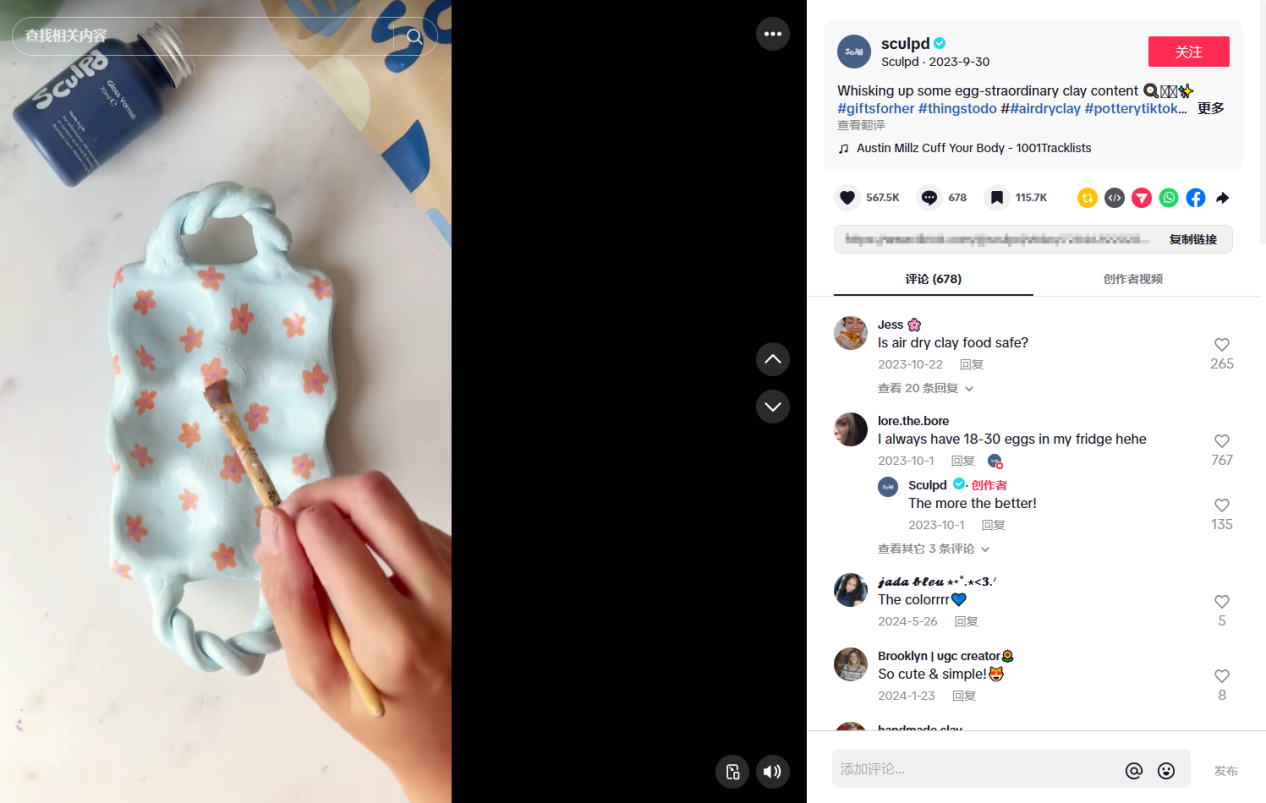
مقطع واحد فقطدروس عمل طبق البيض الذي تبلغ مدته 15 ثانية، حصل على 16.1 مليون مشاهدة.
يسأل المستخدمون في التعليقات:«أي نوع من الطين يستخدم؟» «كم من الوقت حتى يجف؟» وراء هذه الأسئلة، هناك عقلية تقول «أنا أيضًا أستطيع فعل ذلك».
علامة Sculpd التجارية أيضًا تجيد التعاون مع المؤثرين في مجال الحرف اليدوية، مثل التعاون مع @chambremauve لصنع أطباق سبونجبوب، مما يجمع بين الإبداع المتخصص والملكية الفكرية الشعبية، مما يخفض حاجز المحاولة للمستخدمين.
نجاحها يكمن في ربط المحتوى بالمشاعر التي يرغب المستخدمون في الحصول عليها: لا حاجة لمهارات احترافية، كل شخص يمكنه أن يجد الشفاء في الإبداع.
مصدر الصورة:TikTok
03
Haivivi:
افتح باستشعار الرفقةسوق ألعاب AI
علامة تجارية من شنتشنBubblePal من Haivivi، هي لعبة AI حوارية تعتمد على AIGC.
فيعلى TikTok، لم تركز على المواصفات التقنية، بل ركزت على الرفقة العاطفية كمشاعر أساسية.
علامة Haivivi التجارية تختار التعاون مع مؤثرين في مجال التكنولوجيا والأسرة، لتصوير فيديوهات لمواقف حياتية: أطفال يحملون ألعابًا محشوة ويطرحون أسئلة، ويستمعون إلى القصص، ويقلدون أصوات الشخصيات...
في الفيديو، لا يتم الترويج بشكل متعمد، بل يتم عرض التفاعل والضحك بين الطفل واللعبة بشكل طبيعي.

مصدر الصورة:TikTok
مقطع فيديو من خبيرفي مقطع فيديو نشره @moela9581، أثار مشهد محادثة الطفل مع BubblePal نقاشًا بين العديد من الآباء.
كتب أحدهم في التعليقات:“طفل تربيه الذكاء الاصطناعي... هذا شيء يستحق التطلع إليه.”
نجاح Haivivi يعود إلى ربط منتجها ومحتواها الترويجي بـ'الشعور بالرفقة' – في مجتمع سريع الخطى وعالي الضغط، يحتاج الأطفال إلى رفيق، والآباء يحتاجون إلى مساعد.

مصدر الصورة:TikTok
04
اربط علامتك التجارية بعاطفة بسرعة!
من الحالات الثلاث المذكورة أعلاه، يمكن ملاحظة أنالتسويق العاطفي على TikTok يتبع المسار التالي:
1) تحديد الكلمة المفتاحية للعاطفة
بناءً على وضع العلامة التجارية والاحتياجات العميقة للمستخدمين، تحديد العواطف الأساسية مثل السعادة، الشعور بالإنجاز، والشعور بالرفقة؛
2) تجسيد العاطفة من خلال المحتوى
باستخدام أشكال محتوى مثل السيناريوهات الحقيقية، الدروس التعليمية، والتفاعلات، جعل العواطف المجردة قابلة للإدراك والتجربة؛
3) جعل المستخدمين ناشرين للعاطفة
تشجيع عرض المشتريات، المشاركة، والتفاعل، مما يجعل العاطفة“عملة اجتماعية”، مما يدفع المحتوى إلى الانتشار طبيعيًا.
فيعالم خوارزميات TikTok، قد يُغمر المحتوى، لكن العاطفة لا تُغمر.
عندما تنجح في ربط علامتك التجارية بعاطفة أساسية، لم يعد المستخدمون يشترون منتجًا فحسب، بل يصوتون لصالح شعور، هوية، وأسلوب حياة.
علامتك التجارية، هل هي مستعدة لربط أي عاطفة؟