 30
Many people planning to do overseas business often get stuck at the first hurdle: product selection.
Small home appliances have a low entry barrier and decent profit margins, but the track is already crowded with players; without differentiated selling points, it is hard to stand out in the market. Demand for home goods overseas remains strong, but large items have high logistics costs and prominent transportation challenges. Apparel styles iterate extremely quickly; without a mature and stable supply chain, it is hard to keep launching new products and keep up with overseas trends.
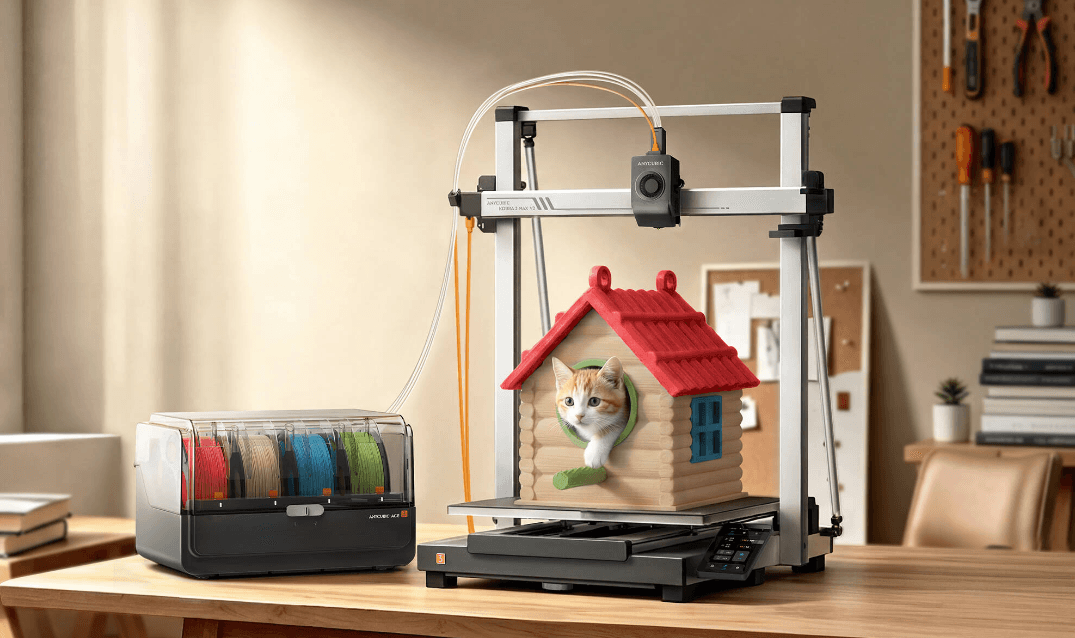
In this case, you might want to change your approach and look at this type of track:stable overseas demand, logistics-friendly, and a slow product update cadence. For example,consumer-grade 3D printers,are a highly representative category.
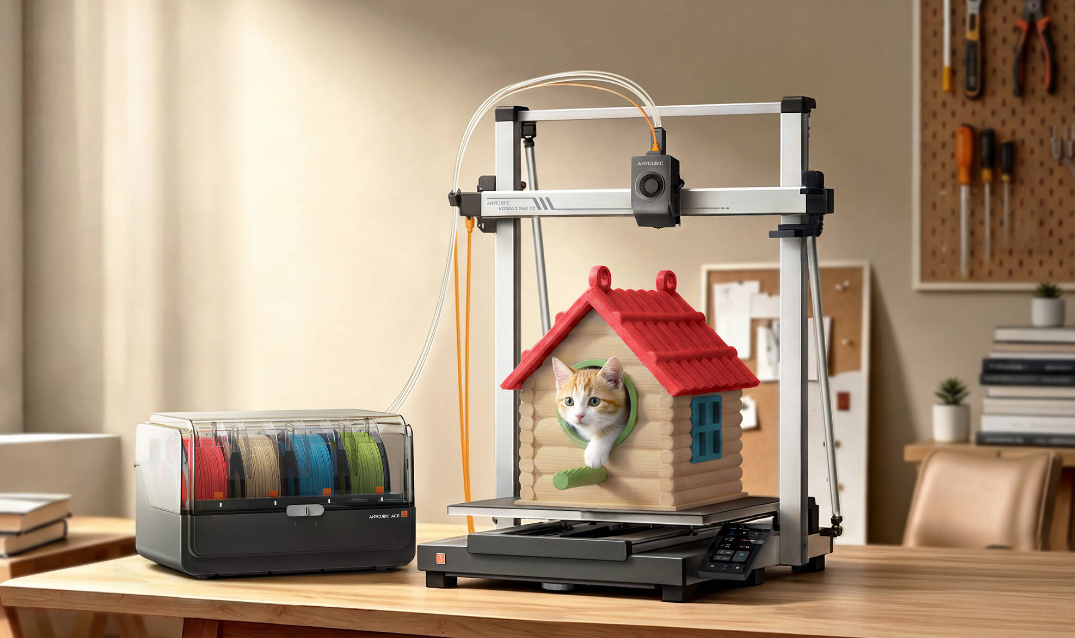
Image source: Anycubic
And in China, many benchmark cases have also emerged. Today, let's talk about the leading consumer-grade 3D printing company that started in Longgang, ShenzhenAnycubic (Zongweilifang)。
From abandoning its original profitable projects,to achieving annual revenuereaching1 billionin scale, how did it break through overseas?
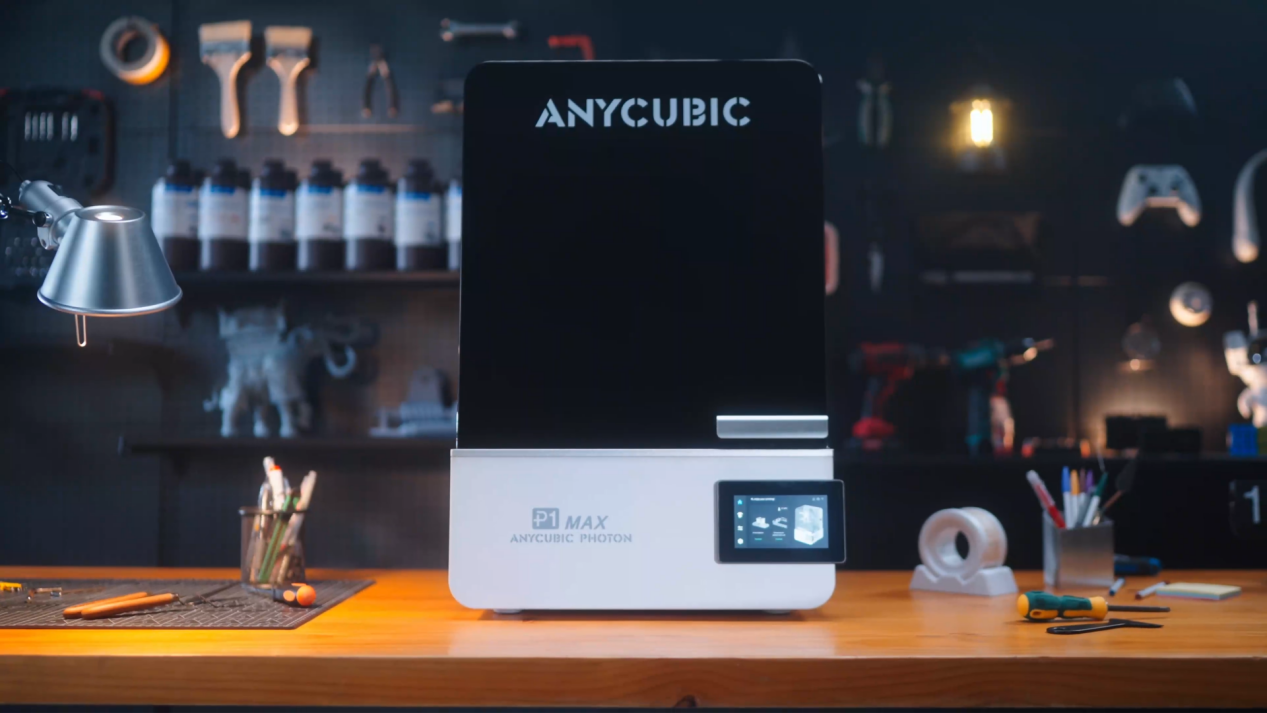
Image source: Anycubic
Without blindly entering the 3D printing track,first understand the industry's potential
For the domestic market, 3D printing is still a relatively niche category with low public awareness. Therefore, before breaking down the brand's development path, let us first review the current state and growth space of the global 3D printing industry.
Nowadays, overseas markets' acceptance and penetration of such products are completely different from those in China.
Overseas young people have a strong DIY creation culture. Whether making practical household items themselves or customizing IP figures, 3D printing has penetrated various usage scenarios, creating stable market demand.
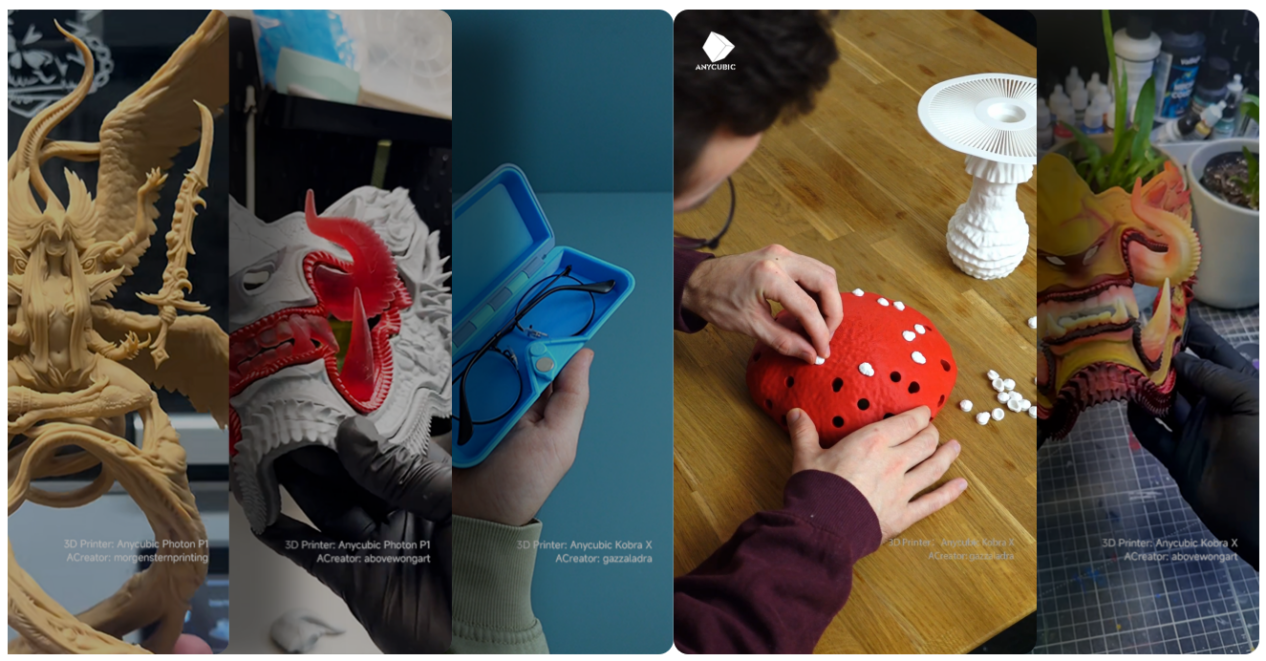
Image source: Anycubic
Relevant authoritative data also confirms the growth potential of the track:
According to a report by Fortunebusinessinsights,The global 3D printing market was valued at USD 23.41 billion in 2025 and is projected to grow to USD 136.76 billion by 2034, with a compound annual growth rate (CAGR) of 21.60% during the forecast period.
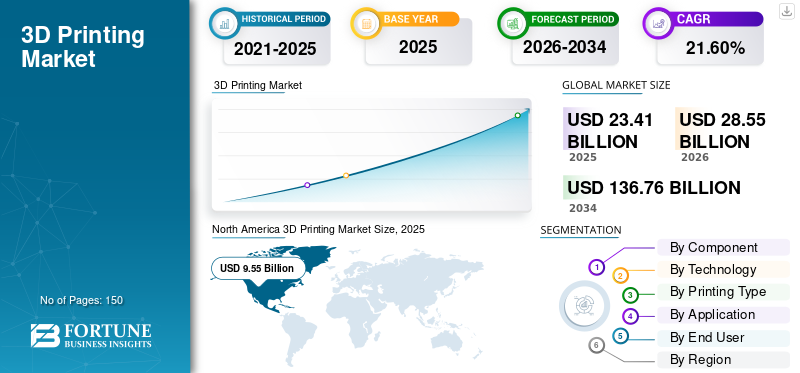
Image source: Fortune Business Insights
By region, North America accounted for 40.80% of the market share in 2025 and was the world's largest market, followed by Europe, Australia and New Zealand, Latin America, and Southeast Asia; the consumer-grade market landscape has become relatively concentrated.
It is not hard to see that this category has considerable market space and profit opportunities overseas.
From supplying accessories in Huaqiangbei to building its own brand
Having understood the industry fundamentals, let's now talk about the brand story of Anycubic (Zongweilifang).
In fact, founder Mr. Ouyang's entry into the 3D printing sector is closely related to his early work experience.
He initially ran a business in 3D printer accessories and electronic modules. When supplying cross-border sellers in Huaqiangbei, he found that many overseas DIY enthusiasts would buy loose parts and assemble complete machines themselves.
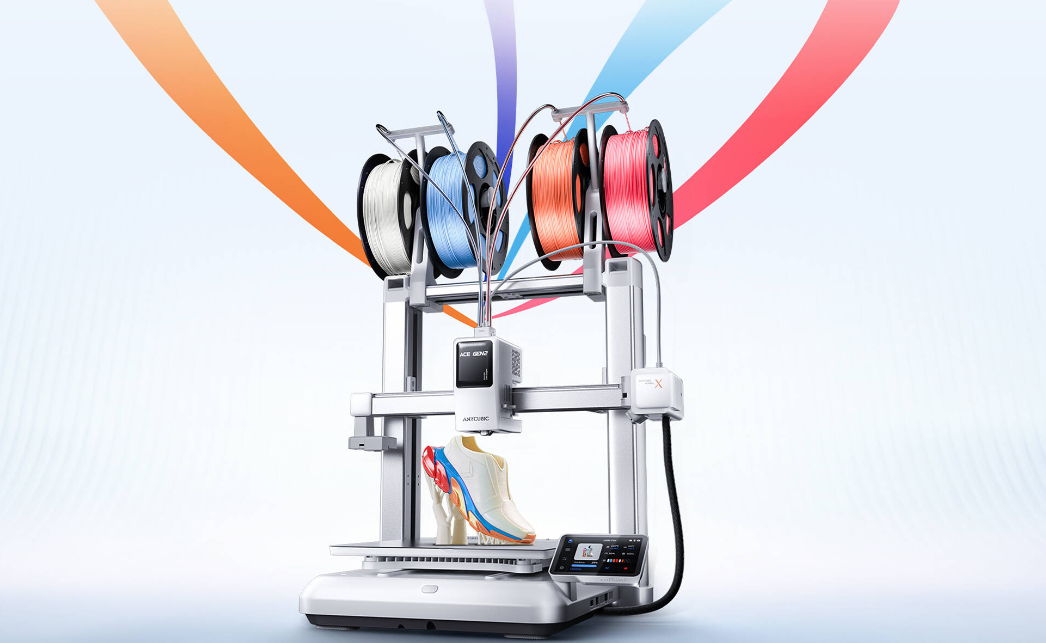
Image source: Anycubic
At that time, European and American brands such as MakerBot and Formlabs almost monopolized the market, and mainstream desktop models were generally priced in the USD 800–2,000 range, making the entry threshold very high.
For this reason, overseas maker communities had an urgent demand for complete machines that were affordable, stable, and easy to assemble.
Therefore, Mr. Ouyang invited a childhood friend studying in New Zealand to return to China, and they co-founded the company together. In September 2015, they officially established Zongweilifang in Longgang, Shenzhen, and registered the Anycubic brand.
From an accessory trader to a breakout complete-machine brand
When the brand was just starting out, it mainly produced 3D printing parts and accessories. The accessories business had a mature supply chain, fast turnover, and stable gross margins, making it a stable profitable business.
However, while deeply cultivating the supply chain, the team found that overseas complete machines had high premium room; compared with accessories trading, self-owned brand complete machines had longer-term value.
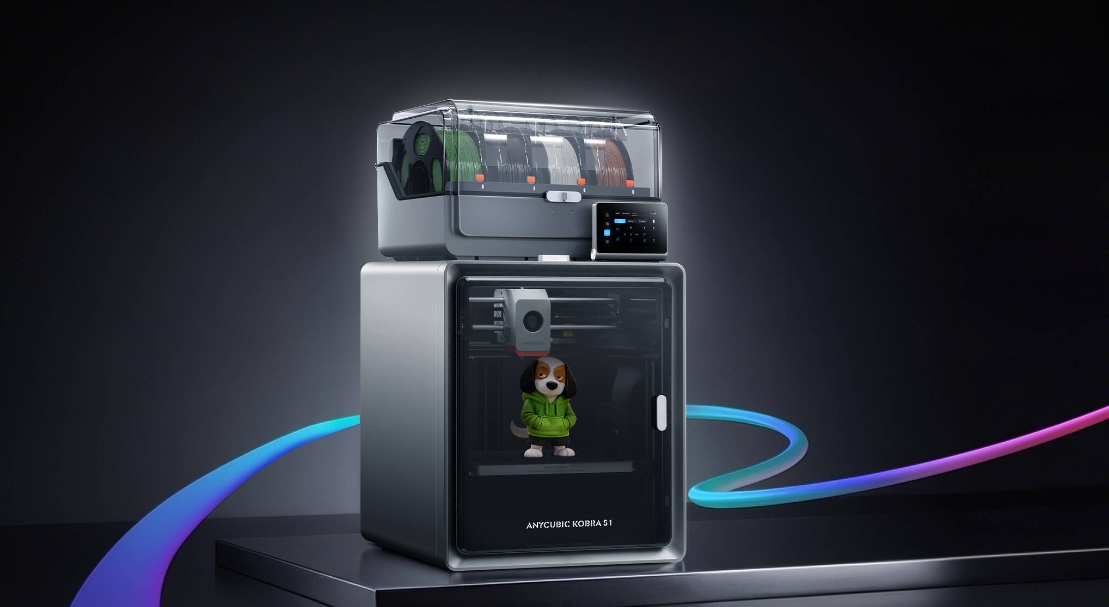
Image source: Anycubic
Therefore, Anycubic embarked on a difficult transformation. It proactively cut the profitable accessories business and invested all cash flow into complete-machine R&D, mold development, trial production, overseas logistics, and other links. Large short-term investment directly squeezed profits; it was a bet that sacrificed short-term returns.
In 2016, the landmark model Anycubic i3 Mega was officially launched. This model adopted an all-metal gantry structure, greatly simplifying the assembly process; it could be assembled in 30 minutes, far faster than the cumbersome assembly and debugging process of open-source models at the time, and it quickly became popular upon launch.
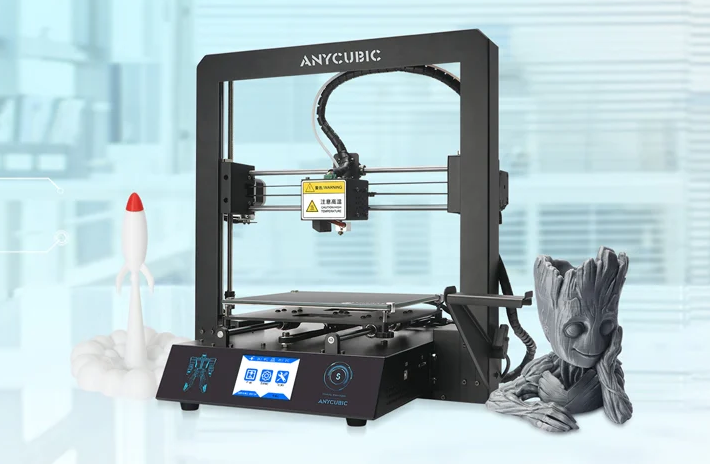
Image source: Google
First-month sales also climbed from 50 units to 3,000 units; with this hit product, the brand only slowly recovered gross margins through economies of scale.
In 2017, Anycubic stepped up again and entered the LCD resin printing sector.
At that time, LCD resin printing was a very new route; screens, resin consumables, structural design, and supporting software all needed to be explored from scratch, with large R&D investment and high trial-and-error costs.
But it was precisely the explosive popularity of the Photon resin-printing series printers that brought equipment previously costing tens of thousands of yuan down to the thousand-yuan consumer price level, establishing Anycubic's position in the industry in one stroke.

Image source: Google
From joining third-party platforms to building an independent site DTC system
Product strength is the foundation, but channel layout is also key for a brand to open up overseas markets.
Anycubic's channel approach is very clear:Third-party e-commerce platforms are used to scale up and acquire traffic; the independent site undertakes the brand's private domain and builds user communities.
First, e-commerce platforms: Amazon is the core starting ground for Anycubic, and its product matrix covers entry-level FDM models to 4K/8K resin professional models.
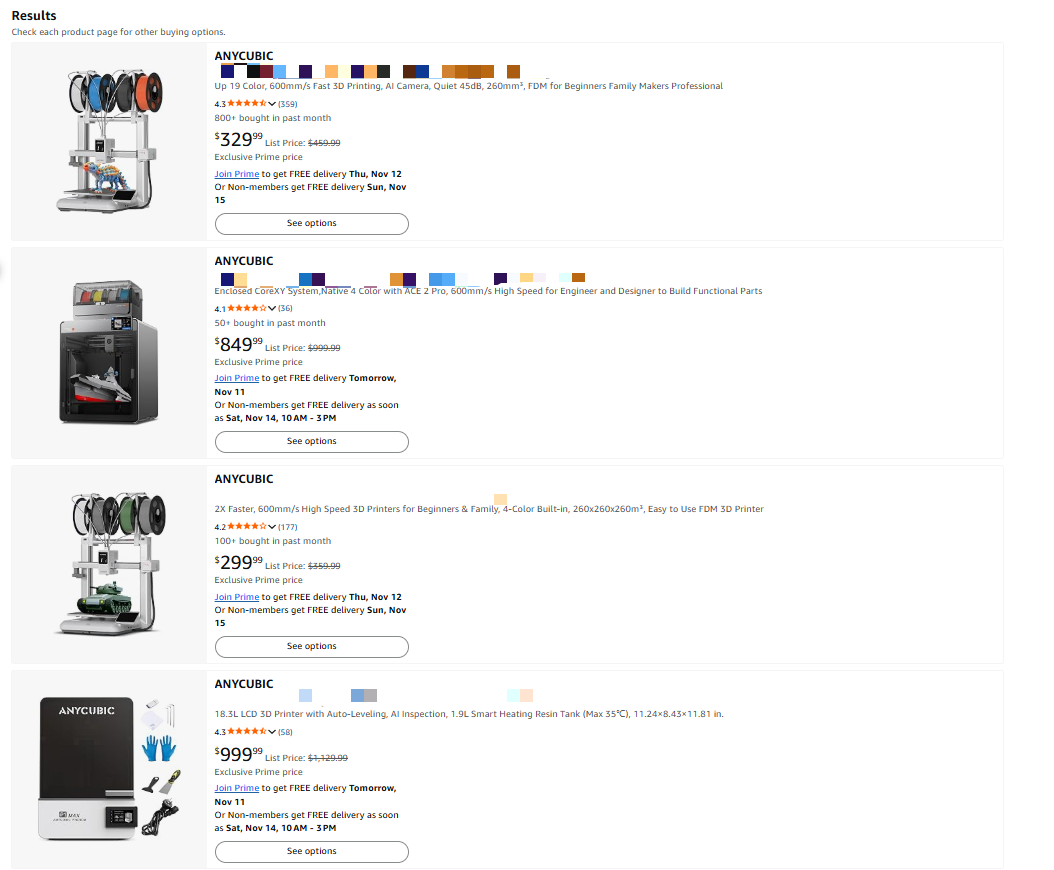
Image source: Amazon
To enter regional markets such as Europe, Southeast Asia, and Latin America, Anycubic also joined platforms including AliExpress, eBay, and Lazada to supplement traffic beyond Amazon.
In 2019, the brand also launched its own independent site, formally running through the DTC model and no longer relying solely on third-party platforms.
Later, it also built an independent ecosystem platform MakerOnline on the site, supporting creators to upload and share 3D printing models, greatly improving user stickiness and repurchase.
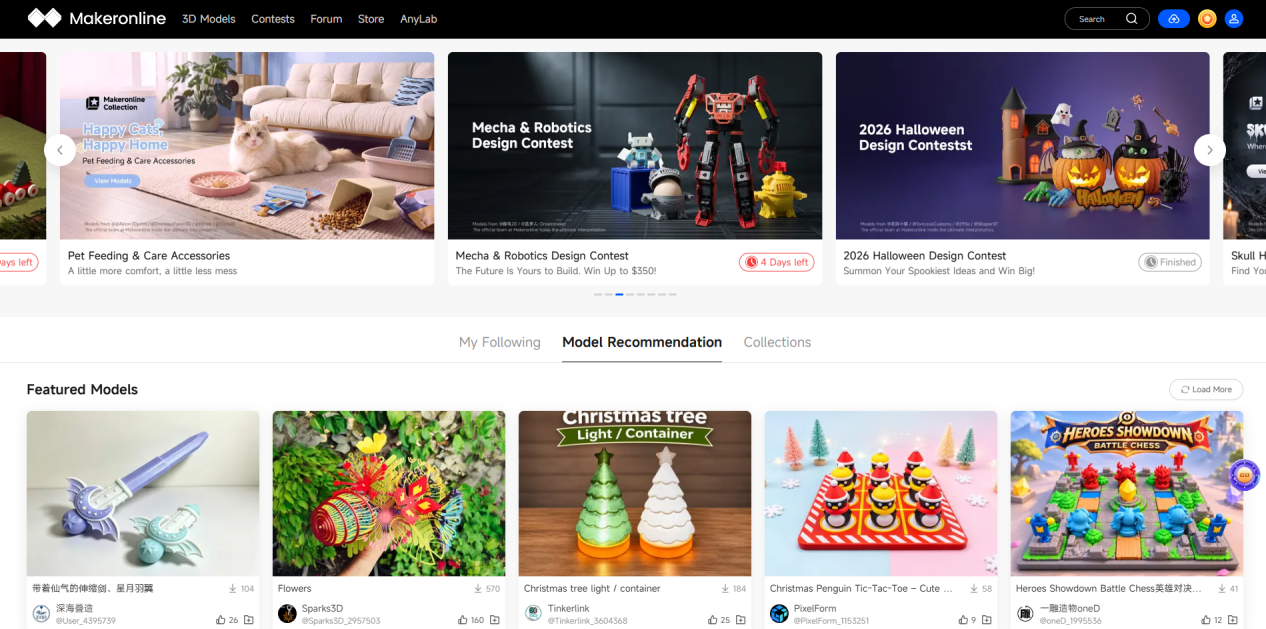
Image source: Anycubic
According to industry media information, Anycubic's annual revenue has now exceeded 1 billion yuan, cumulative product sales have exceeded 6 million units, and it ranks among the top in the global consumer desktop 3D printer field.
Using social media marketing to directly reach overseas end users
Currently, social media commerce is rising. In overseas markets, short video marketing and KOL review ecosystems are very mature, which is well suited for seeding new hardware products and allowing Chinese brands to directly reach end users.
Anycubic has also fully grasped this and laid out platforms such as TikTok.
In terms of content strategy, it never uses hard ads to simply sell machines; instead, it shows users the complete production process of creative physical objects, lowering the cognitive threshold and naturally capturing purchase demand.
1.Official account operation
The brand opened an official account @Anycubic Official on TikTok; currently, the follower count is 52,800.
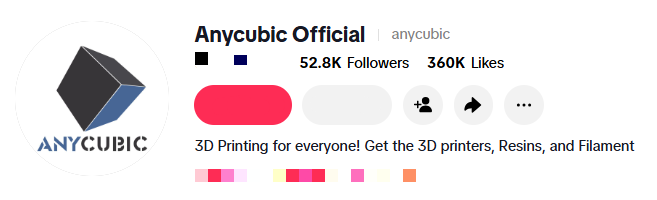
Image source: TikTok
The account's videos focus on bringing creativity to life, fully showing the entire printing process of various novel and practical objects, subtly inspiring overseas users' willingness to try it themselves and building product awareness.
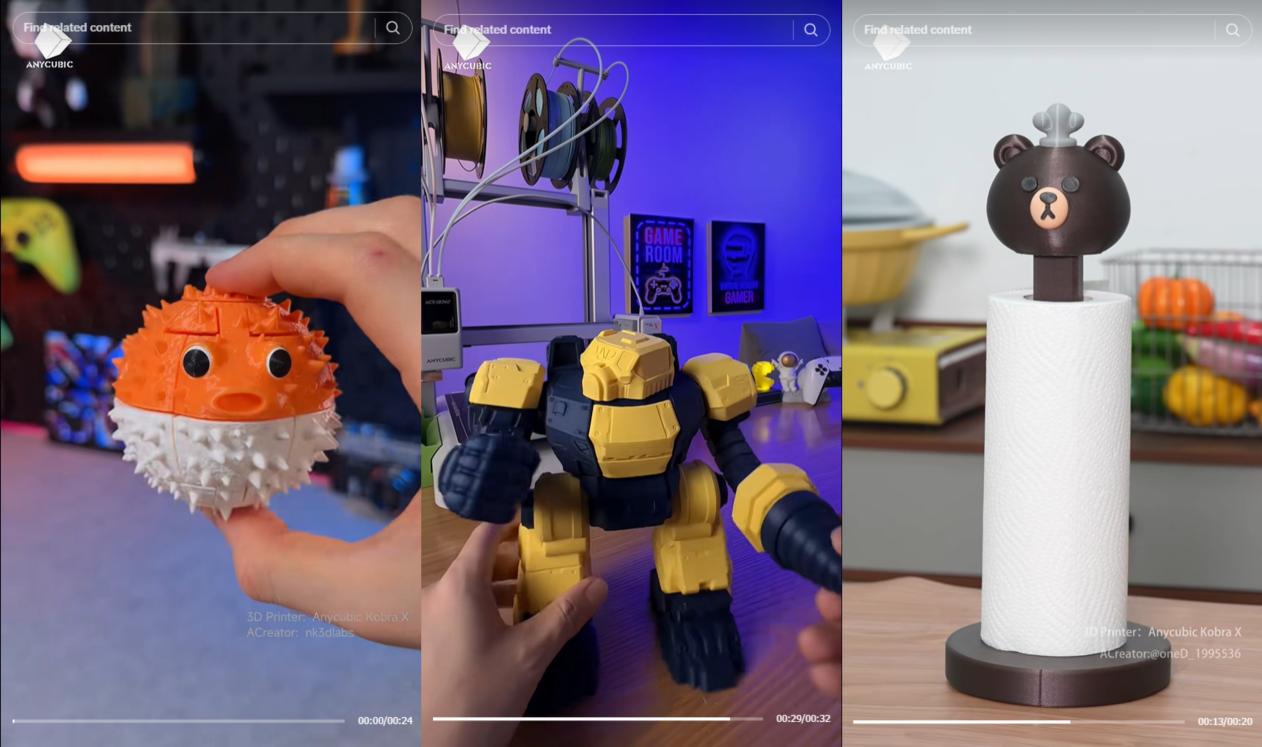
Image source: TikTok
2.Vertical influencer collaboration
Relying only on official accounts is not enough; it is also necessary to leverage the power of influencers to precisely reach more target audiences.
For example, influencer @Rechel Accliesa, who has 946,300 followers on TikTok, is one of Anycubic's cooperation partners.
The video content on her account is mainly handmade creations, and her follower profile highly matches the brand's customer base.
In the video shot for Anycubic, she continued her usual style, adopting a content structure of hosting and explaining in the early part and hands-on making of the finished product in the later part.
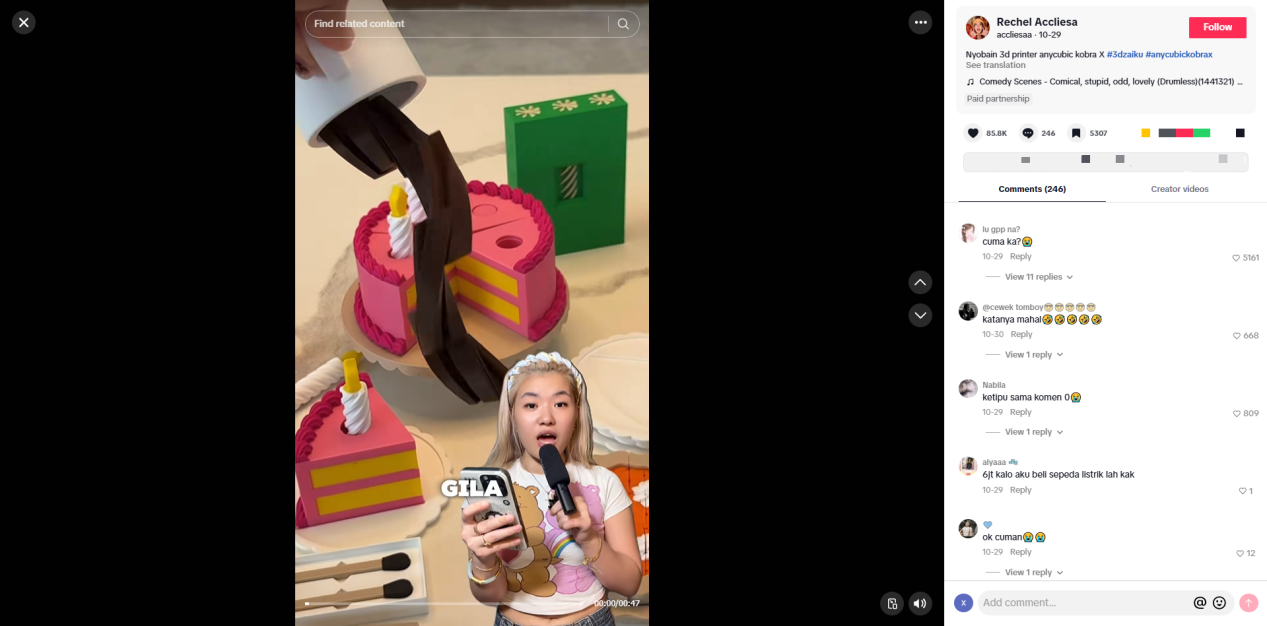
Image source: TikTok
Since its release, this video has reached 2 million views and 85,800 likes.
The comment section is full of discussions about ways to use 3D printers. Some want to print storage cabinets, keychains, and pendants; others have commercial ideas and plan to print finished products for sale.
It can be seen that this kind of niche creator content with high follower trust is more likely to gain recognition from potential users and drive conversions.
Final thoughts
Anycubic's story shows that,choosing a category with stable overseas demand and competition that has not yet solidified, polishing the product until it is competitive, and then using platforms and social media to put goods in front of users—this path is viable.
At present, the regional landscape of overseas markets is still changing. Beyond North America, consumer demand in Europe, Latin America, and Southeast Asia is also gradually being released, and the space left for domestic companies is not narrow.
Going global is not a one-off deal but a long run that requires patience and determination.First understand the market clearly, then choose the right category, and then maintain a steady rhythm., opportunities are ultimately left to those who are willing to settle down and do the work.