 2100
2100TikTok ist zu einer der weltweit beliebtesten Kurzvideo-Plattformen geworden und hat sich aufgrund seiner riesigen Nutzerbasis und starken Verbreitungskraft zu einer wichtigen Plattform für Markenmarketing entwickelt.
Bei der Markenwerbung auf TikTok stehen Kreative jedoch oft vor einer Herausforderung: Wie können sie die Kernwerte der Marke vermitteln und gleichzeitig Unterhaltung und Attraktivität bewahren, um eine „Abwertung“ zu vermeiden? Mit anderen Worten: Wie erstellt man Inhalte, die sowohl unterhaltsam sind als auch das Markenimage wahren, Nutzer anziehen und gleichzeitig die Markenbekanntheit und -reputation steigern?

Wie balanciert man Unterhaltung und Markenwert aus?
1. Plattform und Nutzerbedürfnisse präzise verstehen
Die Nutzergruppe von TikTok ist eher jung. Markeninhalte sollten sich an den aktuellen Trends der Plattform orientieren, wie beliebten Soundeffekten, Challenges und Hashtags. Unterhaltung bedeutet jedoch nicht, blind nach Humor zu streben. Marken müssen die Bedürfnisse und Emotionen ihrer Zielgruppe verstehen und Inhalte schaffen, die bei den Nutzern Anklang finden. Beispielsweise kann eine nachhaltige Marke durch kreative Videos Umweltaktionen zeigen, die sowohl unterhaltsam sind als auch soziale Verantwortung vermitteln.
2. Kreativität mit Markenkultur verbinden
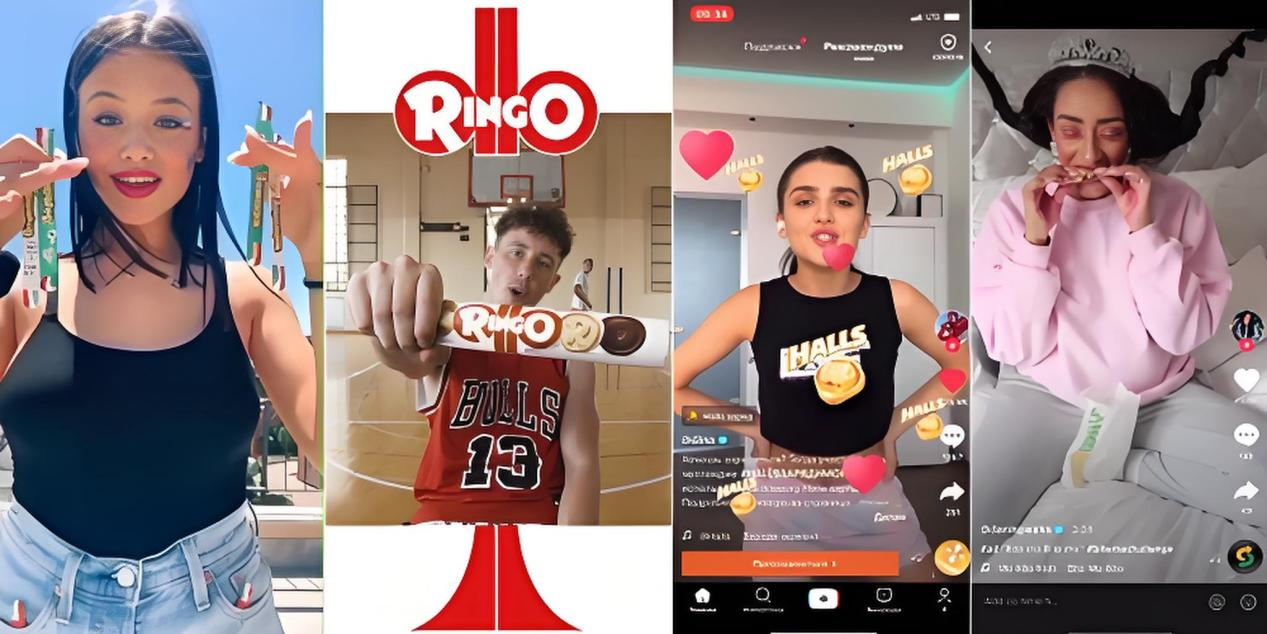
Bei der Erstellung von Inhalten sollten die Kernkultur und -werte der Marke in die unterhaltsamen Inhalte integriert werden. Durch kreative Ausdrucksformen können Marken ihre Persönlichkeit und Differenzierung stärken. Eine Modemarke kann beispielsweise mit beliebten TikTok-Mode-Hashtags kreative Videos erstellen, die nicht nur zur unterhaltsamen Atmosphäre der Plattform passen, sondern auch die modischen Eigenschaften der Marke hervorheben.
3. Storytelling und emotionale Ansprache nutzen
Erfolgreiche Inhalte auf TikTok sprechen Nutzer oft emotional an. Marken können durch Markengeschichten, Gründergeschichten oder Nutzererfahrungen die emotionale Bindung verstärken. Durch humorvolle oder dramatische Darstellungen wird der Inhalt interessanter, sodass er sowohl berührend als auch unterhaltsam ist und die emotionale Verbindung zwischen Nutzern und Marke stärkt.

Im Folgenden listet Tuke einige Beispiele von Marken auf, die erfolgreich Unterhaltung und Markenwert ausbalanciert haben. Anhand dieser erfolgreichen Beispiele sehen wir, wie Marken bei der Erstellung von Inhalten geschickt unterhaltsame Elemente einfließen lassen, ohne die Kernwerte der Marke zu verlieren.
Beispiele für Marken, die Unterhaltung und Markenwert erfolgreich ausbalancieren
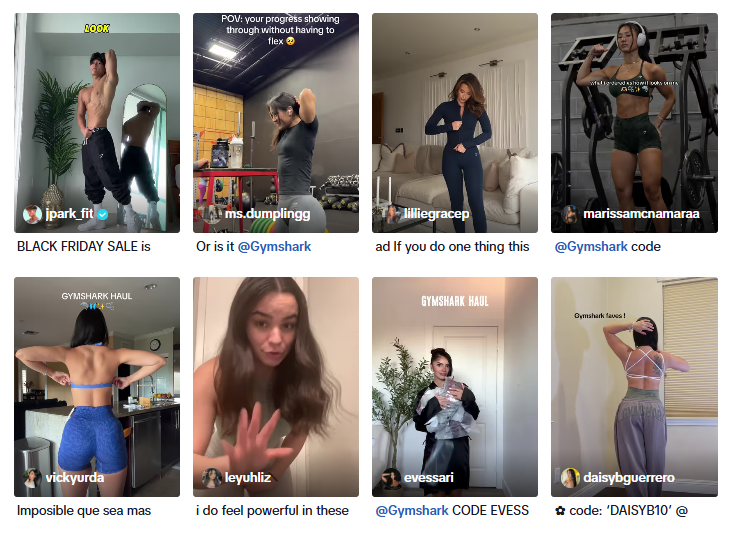
Gymshark: Stärkung der Markenkultur durch Humor und Community-Interaktion
Gymshark kombiniert erfolgreich Humor mit Markenkultur und hat eine Vielzahl unterhaltsamer Fitness-Challenges und Videos veröffentlicht, die eine große Anzahl junger Fans anziehen. Dies erhöht nicht nur die Markenpräsenz, sondern stärkt durch unterhaltsame Inhalte auch das gesunde, aktive Lebensstilkonzept der Marke.
Quelle: TikTok
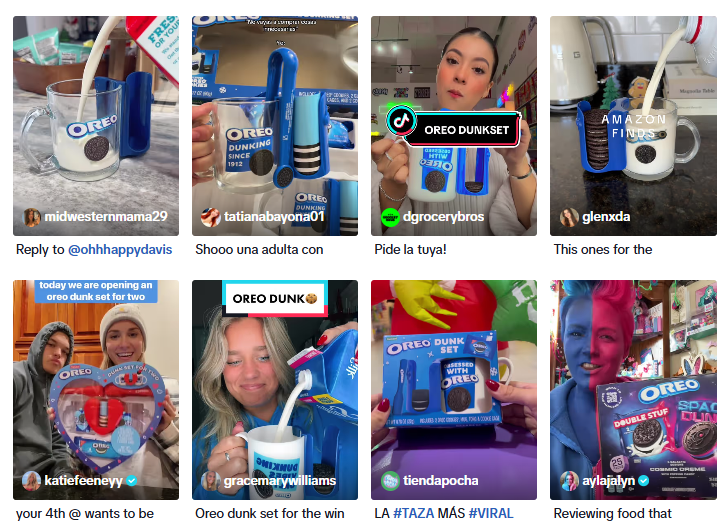
Oreo: Überbrückung der Distanz zwischen Marke und Nutzern durch Challenge-Aktionen
Oreo hat mit der #OreoDunkChallenge (Oreo-in-Milch-tauchen-Challenge) erfolgreich viele Nutzer zur Teilnahme motiviert. Die Challenge dreht sich um das Kernprodukt der Marke – Oreo in Milch tauchen – und passt sowohl zur Unterhaltungsnatur der Plattform als auch zur Steigerung der Markenbekanntheit und des Engagements durch Nutzerinteraktion.
Quelle: TikTok
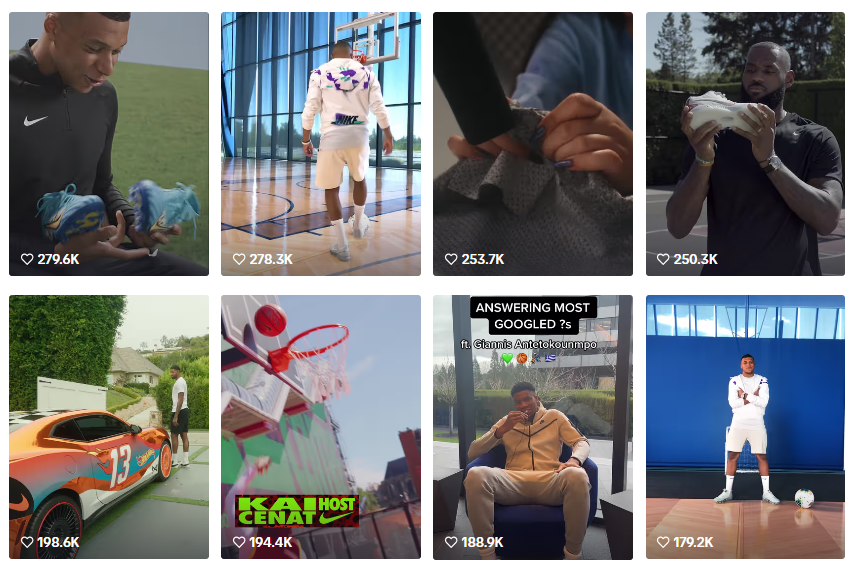
Nike: Stärkung des Markengeistes durch emotionale Ansprache
Nike verbreitet auf TikTok den Markengeist durch Geschichten über den Werdegang von Athleten. Diese Inhalte haben oft eine emotionale Resonanz, erzählen Geschichten von Selbstüberwindung und machen das Markenimage noch eindrucksvoller. Durch emotional ansprechende Inhalte gelingt es Nike, den Markengeist erfolgreich an die Nutzer weiterzugeben und die Markentreue sowie Nutzerbindung zu stärken.
Quelle: TikTok
Fazit
Auf der kreativen Plattform TikTok müssen Marken bei der Erstellung von Inhalten ein Gleichgewicht finden: Sie müssen Unterhaltung nutzen, um Nutzer anzuziehen, und gleichzeitig sicherstellen, dass die Markenwerte ungeschmälert vermittelt werden. Durch die präzise Erfassung von Plattformtrends, die enge Verbindung mit der Markenkultur und den Einsatz von Storytelling sowie emotional ansprechenden Inhalten können Marken den optimalen Punkt zwischen Unterhaltung und Wert finden.
Anhand der erfolgreichen Beispiele von Gymshark, Oreo und Nike sehen wir, dass die Balance zwischen Unterhaltung und Markenwert nicht nur möglich ist, sondern auch zu echter Markenwirkung und Nutzertreue führen kann. Für Marken ist die Erstellung unterhaltsamer und dennoch markentypischer Inhalte sowohl ein effektives Mittel zur Steigerung der Sichtbarkeit als auch ein wichtiger Schritt zum Aufbau eines Markenimages.