 2343
2343Anfang dieses Jahres gab es im Internet ein virales Video, in dem ein Nutzer eine Waschmaschine aus dem Jahr 1997 zeigte und schrieb:„Waschmaschine von 1997, der Hersteller ist wahrscheinlich pleite.“
Sobald dieses Video auf der Social-Media-Plattform veröffentlicht wurde, löste es sofort eine Welle von Kommentaren und Scherzen aus. Schließlich ist es eine„ironische Kritik an der modernen Technologie“, dass eine 26 Jahre alte Waschmaschine noch funktioniert.
Doch wer hätte gedacht, dass der Hersteller des Videos persönlich in den Kommentaren auftauchte undhumorvoll antwortete: „Ich habe gehört, du erzählst überall, wir seien pleite?“ und eine brandneue Waschmaschine schenkte.
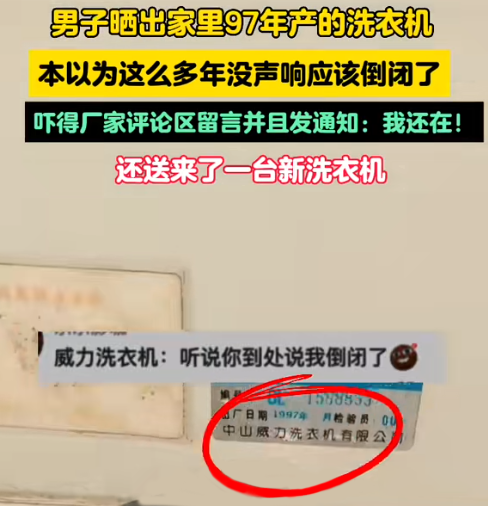
Plötzlich landete das Thema derWaschmaschinenmarke „Weili“ in den Trendthemen, und Nutzer, die nach Informationen suchten, waren überrascht: „Weili ist nicht tot, sondern lebt besser denn je!“
Ja, dieser „König der chinesischen Waschmaschinen“, der in seiner langen Entwicklung wie viele alte chinesische Marken am Rande der Pleite kämpfte, hat nach dem Tiefpunkt in der Welle der Globalisierung eine erfolgreiche Wiedergeburt erlebt. Er expandierte in Überseemärkte und erntete durch E-Commerce und Social-Media-Marketing den Applaus der internationalen Märkte.
Seine Geschichte der Internationalisierung ist nicht nur bewegend, sondern bietet auch wertvolle Einblicke für die Transformation vieler traditioneller Marken.
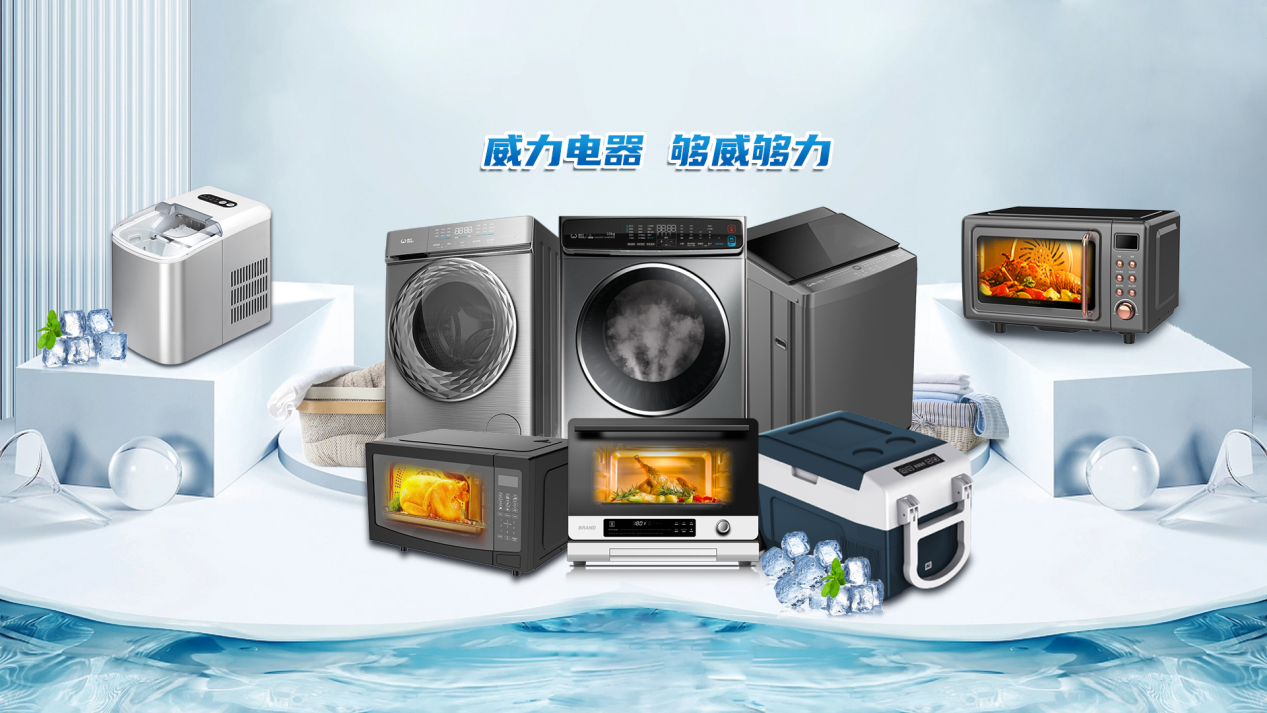
Quelle: Weili Electric Offizielle Website
Warum fiel der einstige „König der Waschmaschinen“ ins Tal?
Die glorreiche Geschichte von Weili Electric begann 1979. Damals war es nur eine kleine Marke unter der Zhongshan Dongling Weili Electric Co., Ltd., die sich auf die Produktion von Haushaltsgeräten wie Waschmaschinen und Kühlschränken spezialisierte.
Mit seinen robusten und langlebigen Zweitrommel-Waschmaschinen eroberte Weili schnell den heimischen Markt und war von 1989 bis 1996 durchgehend der Spitzenreiter in der Produktion und im Verkauf von Waschmaschinen.
1994 erreichte Weili sogar einen Rekord von 1,636 Millionen verkauften Einheiten und wurde im folgenden Jahr vom Staat mit dem Titel „König der Waschmaschinen“ ausgezeichnet.
Damals war Weili fast ein Synonym für den heimischen Waschmaschinenmarkt.
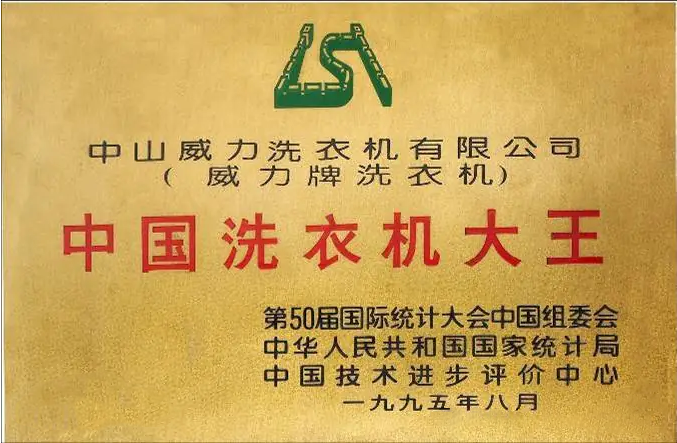
Kannst du dir vorstellen, wie viele Familien in jenen Jahren mit Weili-Waschmaschinen die Erinnerungen einer ganzen Generation gewaschen haben?
Doch mit den sich ändernden Marktanforderungen konnte Weili nicht mit der Zeit Schritt halten. Vollautomatische Waschmaschinen und Trommelwaschmaschinen kamen auf, während Weili am traditionellen Zweitrommel-Design festhielt, was seine Produkte allmählich wettbewerbsunfähig machte. Hinzu kam der harte Wettbewerb auf dem heimischen Markt für Haushaltsgeräte, und Weili fiel zurück, geriet in ein Tal.
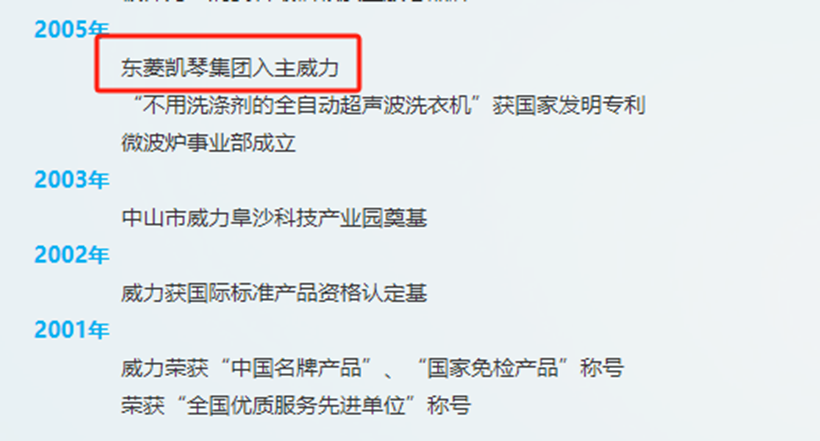
2005 wurde Weili aufgrund von Schulden in Höhe von 1,6 Milliarden Yuan von der Guangdong Dongling Kaiqin Group übernommen. Dieser Wendepunkt schien das „Ende“ von Weili zu markieren, war aber tatsächlich der Beginn seiner Transformation.
Stille Internationalisierung: Weilys globale Transformation
„Nationale Produkte sterben nicht, sondern leben besser denn je.“ Der Aufstieg von Weili-Waschmaschinen begann mit diesem Glauben.
Nach der Übernahme begann Weili mit umfassenden Reformen, insbesondere in der globalen Strategie, und wagte mutige Experimente.
Es stellte die Klimaanlagenproduktion ein, straffte die Organisationsstruktur, nutzte jahrelange technische Erfahrung und die Ressourcen der Guangdong Dongling Kaiqin Group, um in den Bereich der westlichen Kleingeräte einzusteigen und international zu expandieren.
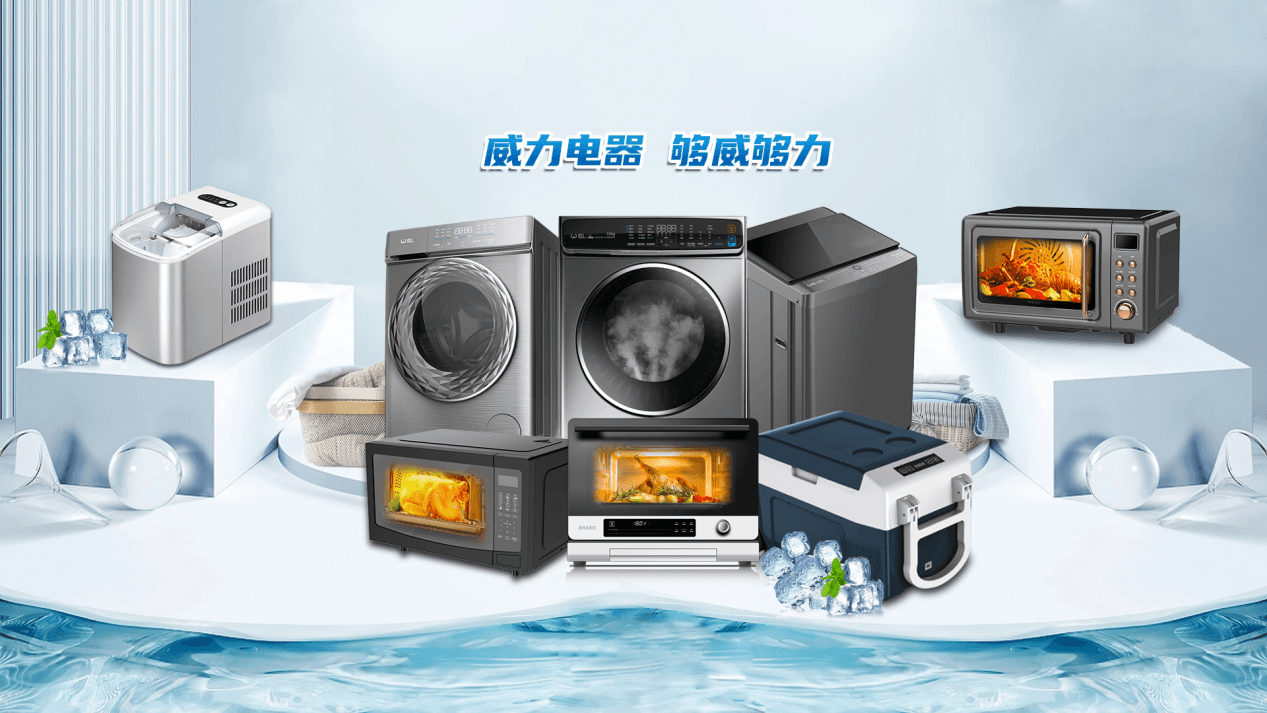
Anschließend positionierte Weili schnell seine Kernprodukte – darunter Waschmaschinen, Kühlschränke und Mikrowellen – auf den Überseemärkten. Gleichzeitig begann Weili mit der Marken-Neupositionierung und führte die neue internationale MarkeKumio ein.
Kumio, ein Name, der vielen noch unbekannt sein mag, ist bereits zur neuen Visitenkarte von Weili auf dem globalen Markt geworden und repräsentiert die neue Positionierung von Weili Electric auf der Weltbühne.
Im Gegensatz zu Weilys traditionellem Image im Inland legt Kumio Wert auf schlichtes, modernes und stilvolles Produktdesign, das besser den Bedürfnissen globaler Verbraucher entspricht.Weili konzentriert sich über Kumio auf Kleingeräte, insbesondere auf Küchengeräte wie kleine Eismaschinen und Eiscreme-Maschinen, die in Europa und den USA besonders beliebt sind.
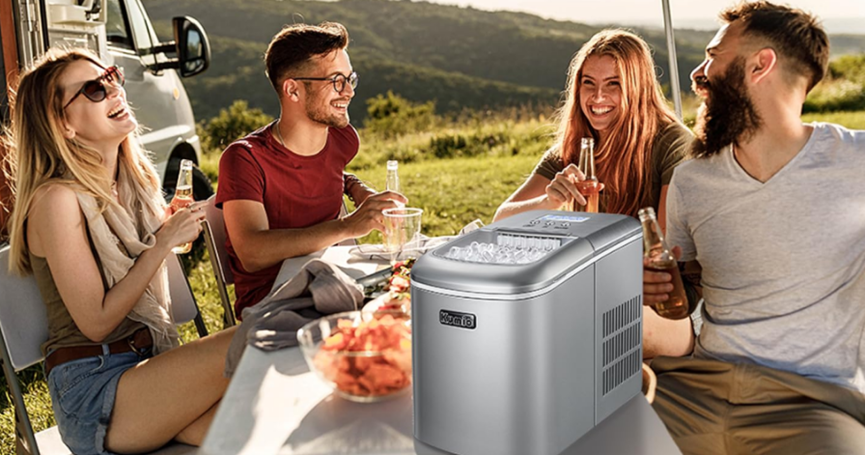
Bei der Internationalisierung verließ sich Weili nicht direkt auf traditionelle Vertriebskanäle, sondern eröffnete den Überseemarkt schnell über Amazon. Bereits ein Jahr nach dem Start erzielte die Marke Kumio mit ihren innovativen Produkten und der differenzierten Marktpositionierung einen Umsatz von4 Millionen US-Dollar.
Diese direkte Kundenansprache, die Zwischenhändlerkosten reduziert und über soziale Medien Interaktion mit globalen Verbrauchern ermöglicht, half Weili, die Markenbekanntheit schnell zu steigern.
Natürlich verließ sich Weilys E-Commerce-Weg nicht nur auf Plattformen, sondern legte Wert auf Markenmarketing und den präzisen Einsatz sozialer Medien. Soziale Medien sind heute ein entscheidender Kanal für die globale Markenkommunikation, und Weili hat diesen Trend präzise erfasst.
Durch die Zusammenarbeit mit internationalen Influencern und Social-Media-Persönlichkeiten erweiterte Weili die Reichweite der Marke Kumio. In Märkten wie den USA, Europa und Südostasienarbeitete Weili mit lokalen Influencern zusammen, um eine Markenkampagne mit dem Schwerpunkt „Qualitätsgarantie“ zu starten, die die „hohe Kosteneffizienz“ und „Langlebigkeit“ seiner Produkte betont. Besonders bei jungen Leuten wurde Kumio durch sein modernes Aussehen und seine leistungsstarken Funktionen schnell zum unverzichtbaren Kleingerät im Haushalt.
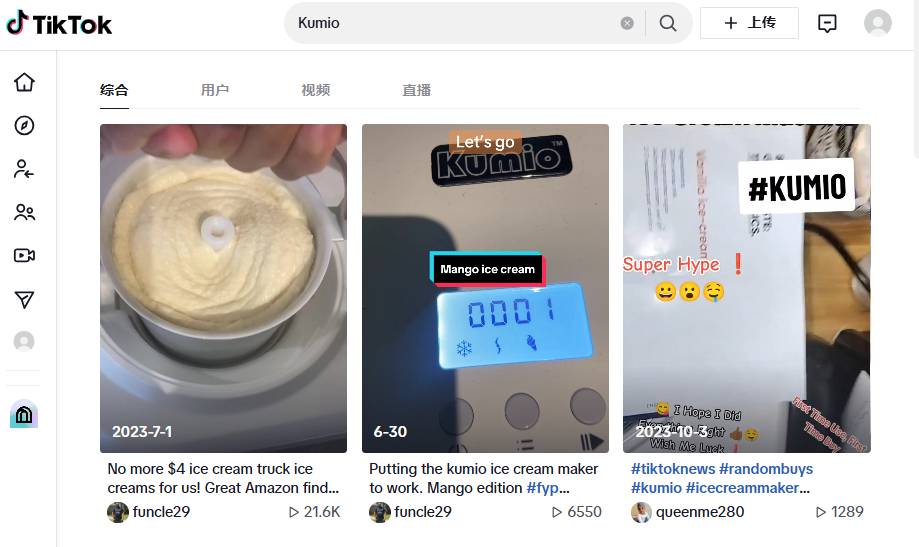
Durch sorgfältig gestaltete Social-Media-Aktivitäten verpackte Weili das Image der „alten nationalen Marke“ modern und verschmolz erfolgreich seinen traditionellen Markenwert mit dem modischen E-Commerce-Image, sodass internationale Verbraucher diese Marke aus China nicht nur als „nicht pleite“, sondern auch als sehr „cool“ wahrnahmen.
Laut Statistikenüberschritt Weilys Exportumsatz im Jahr 2021 die Marke von 3,5 Milliarden Yuan. Hinter diesem Erfolg steht die präzise Planung in den Bereichen Produktinnovation, E-Commerce-Kanäle und Social-Media-Marketing.
Durch die kontinuierliche Optimierung der Produktlinien, die Stärkung der Markenkommunikation und die Umsetzung flexibler Marktstrategien hat sich Weili erfolgreich in mehreren globalen Märkten etabliert. Ob in den entwickelten Märkten Europas und der USA oder in den aufstrebenden Märkten Südostasiens und Lateinamerikas – die Marke Kumio hat beträchtliche Aufmerksamkeit und Verkaufserfolge erzielt.
Obwohl Kumio derzeit noch keine offiziellen Konten auf wichtigen internationalen Social-Media-Plattformen wie TikTok und YouTube hat, steigt die Markenbekanntheit durch die starke Präsenz auf E-Commerce-Plattformen wie Amazon stetig. Viele Nutzer laden eigenständig Testberichte und Empfehlungen auf diesen Plattformen hoch, was die Reichweite der Marke weiter vergrößert. Mit der schrittweisen Ausweitung der Social-Media-Strategie wird Kumios globale Marktpräsenz zweifellos noch größere Durchbrüche erzielen.

Von der „alten nationalen Marke“ zur globalen Premiummarke
Die Internationalisierungsgeschichte von Weili-Waschmaschinen ist eine klassische Markentransformation. Vom „König der Waschmaschinen“ zum neuen Liebling des E-Commerce beruht Weilys Erfolg nicht nur auf hochwertigen Produkten, sondern auch auf dem Mut, Traditionen zu durchbrechen und die Welle der Globalisierung und Digitalisierung zu nutzen.
Heute hat Weili nicht nur über Kumio den globalen Markt erobert, sondern auch eine starke Markenwirkung in den sozialen Medien aufgebaut. Es zeigt, wie eine alte nationale Marke in der neuen Ära eine glanzvolle Verwandlung vollziehen kann, und bietet anderen traditionellen Marken wertvolle Erfahrungen für ihren Weg zur Globalisierung.
Für die Nutzer, die einst über Weilys „Pleite“ scherzten, hätten sie wohl nicht gedacht, dass diese „alte nationale Marke“ leise zum neuen Star auf dem globalen Haushaltsgerätemarkt wird und mehr Familien ein qualitativ hochwertiges Leben bringt.