
 1954
1954Der globale Smartphone-Markt erlebte nach zwei Jahren der Flaute im Jahr 2024 eine starke Erholung. Laut IDC-Daten erreichten die weltweiten Auslieferungen 1,24 Milliarden Einheiten, ein Anstieg von 6,4 % im Vergleich zum Vorjahr – das höchste Wachstum seit drei Jahren.
In dieser Markterholung behauptete Apple mit einem Anteil von 18,7 % die Spitzenposition, gefolgt von Samsung und Xiaomi. Auf dem vierten Platz überraschte Transsion mit einem Marktanteil von 8,6 % und wurde zum meistdiskutierten chinesischen Unternehmen in der Rangliste.
Wie schaffte es diese Marke, die in China kaum Werbung schaltet und keine Ladengeschäfte betreibt, vom afrikanischen Markt in die globalen Top Fünf? Welche Lehren bietet ihr Entwicklungsweg für andere Unternehmen, die international expandieren möchten?
Lassen Sie uns durch die Datenoberfläche blicken und dieses globale Erfolgsmodell entschlüsseln, das „außerhalb der Mauern blüht".
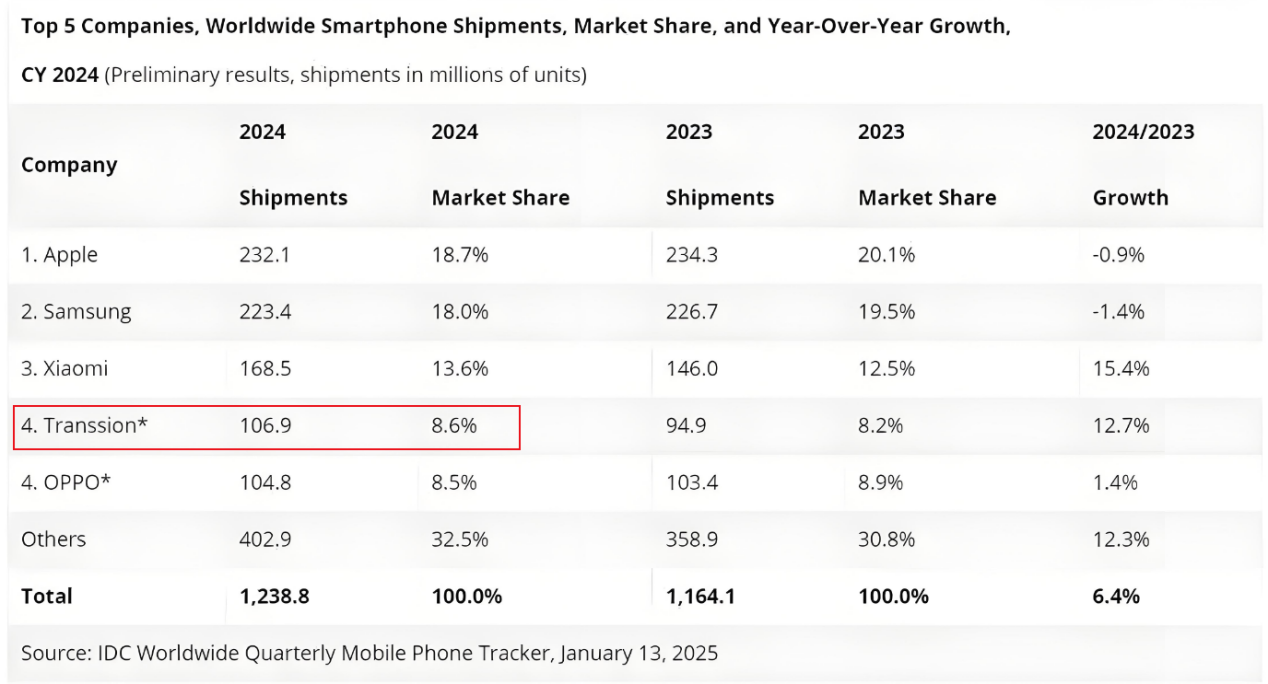
Quelle: IDC China WeChat-Konto
Bekanntlich wurde Transsion Holdings 2013 gegründet, mit Hauptsitz in Shenzhen, und konzentriert sich auf die Forschung, Entwicklung und den Verkauf von intelligenten Endgeräten in Schwellenmärkten. Das Unternehmen besitzt mehrere Handymarken wie itel, TECNO und Infinix und ist in über 70 Ländern und Regionen in Afrika, dem Nahen Osten, Südostasien und Südasien tätig.
In der Geschäftslandschaft von Transsion ist die Marke itel ein „unsichtbarer Champion"! Diese 2016 gegründete Submarke hat sich durch tiefe Durchdringung der Überseemärkte, extreme Kosteneffizienz und lokalisierte Innovation zu einem Schlüsselmotor für Transsions globale Expansion entwickelt.
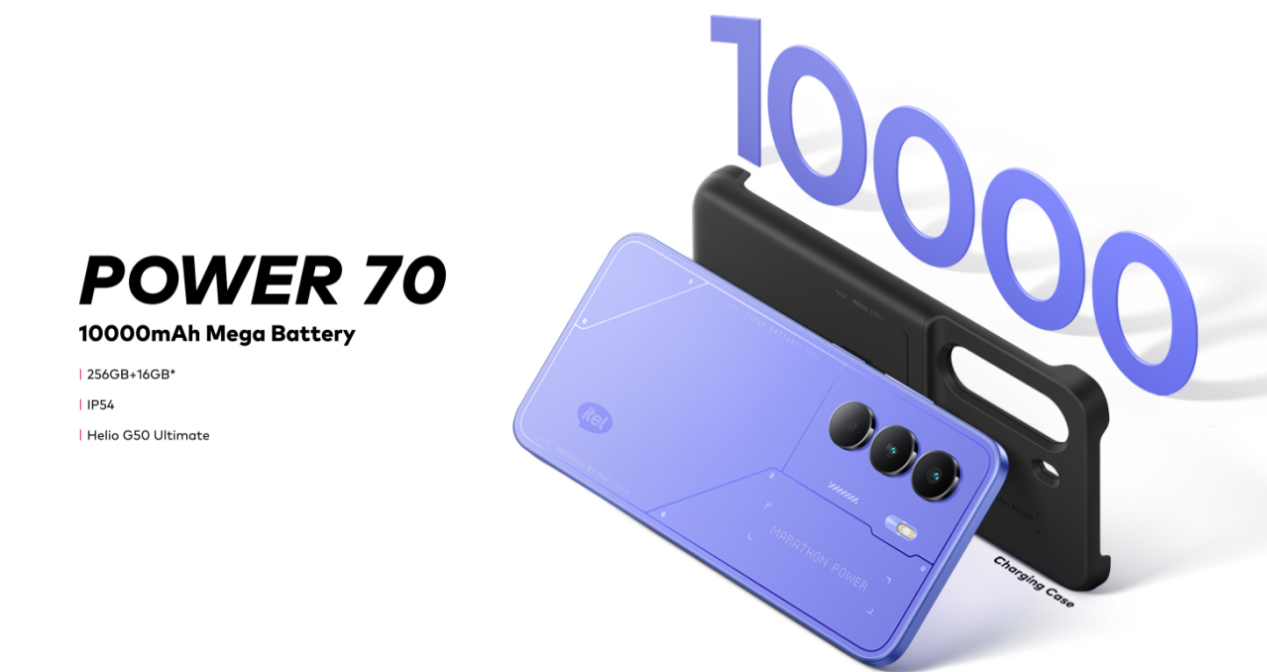
Quelle: itel
Der afrikanische Durchbruch der Marke itel
Wenn man über den Erfolg der itel-Handymarke im Ausland spricht, kommt man am afrikanischen Markt nicht vorbei.
Berichten zufolge war der Wettbewerb auf dem chinesischen Heimatmarkt für Mobiltelefone um 2013 herum bereits extrem intensiv. Transsion wählte einen Weg der „umgekehrten Internationalisierung", indem es den afrikanischen Markt ins Visier nahm.
Zu dieser Zeit lag die Handy-Durchdringungsrate in Afrika bei unter 10 %, und der Markt wurde lange Zeit von den Hochpreisstrategien internationaler Marken dominiert, sodass die Bedürfnisse der Verbraucher nicht ausreichend erfüllt wurden. Transsion erkannte das Potenzial dieses blauen Ozeans und brachte 2016 die Submarke itel auf den Markt, um den Feldzug in Afrika zu starten.
Das Team stellte nach eingehender Recherche fest, dass die Anforderungen afrikanischer Verbraucher an Mobiltelefone stark regional geprägt sind: Die Multi-Operator-Umgebung führte zu einem Bedarf an Vier-SIM-Karten mit Vier-Bereitschaft; die schwache Strominfrastruktur erforderte extrem lange Akkulaufzeiten; das heiße Klima verlangte nach hitzebeständigen Materialien; und die weit verbreitete Musikkultur erforderte laute Außenlautsprecher.
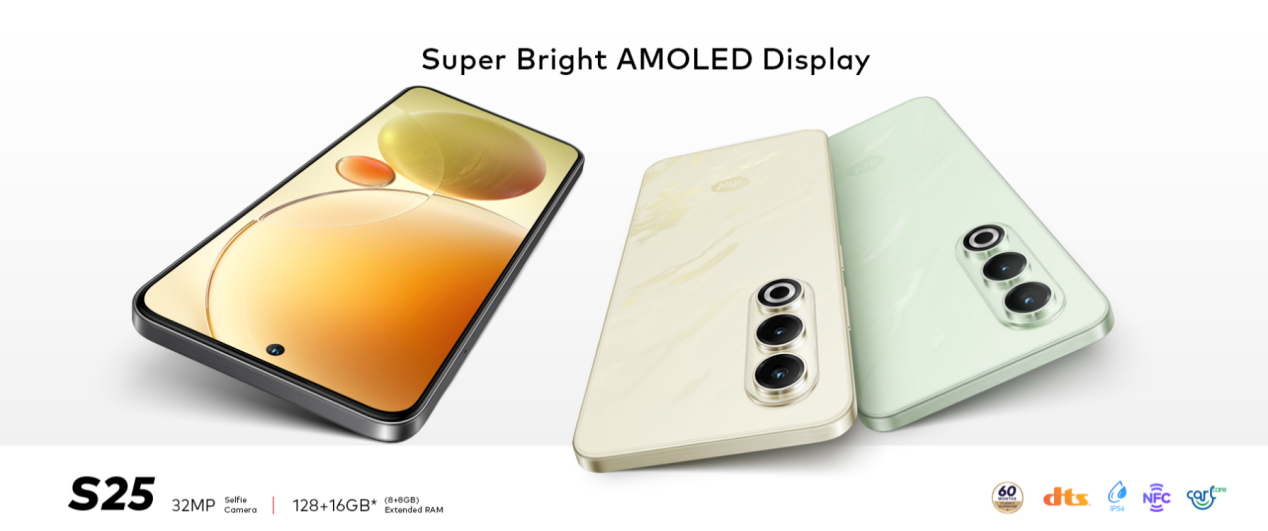
Quelle: itel
Als Reaktion auf diese Schwachstellen brachte die Marke itel differenzierte Produkte wie Vier-SIM-Karten mit Mehrfachbereitschaft, extrem lange Akkulaufzeiten und große Lautsprecher auf den Markt. Sogar für die Fotobedürfnisse dunklerer Hauttöne wurden Bildoptimierungsalgorithmen entwickelt, um Überbelichtung zu vermeiden.
In der Preisstrategie kosteten itel-Smartphones nur ein Drittel des Preises internationaler Marken und passten sich damit genau dem lokalen Verbrauchermarkt an.
Darüber hinaus baute Transsion in Afrika über 2.000 Kundendienststellen auf, die städtische und ländliche Märkte abdecken und das langjährige Problem der „schwierigen Reparatur" für Verbraucher lösten. Mit den dreifachen Vorteilen von Produkt, Preis und Service eroberte die Marke itel schnell 50 % des afrikanischen Handymarktes, und der Marktanteil bei Dual-SIM-Modellen war sogar unangefochten die Nummer eins.
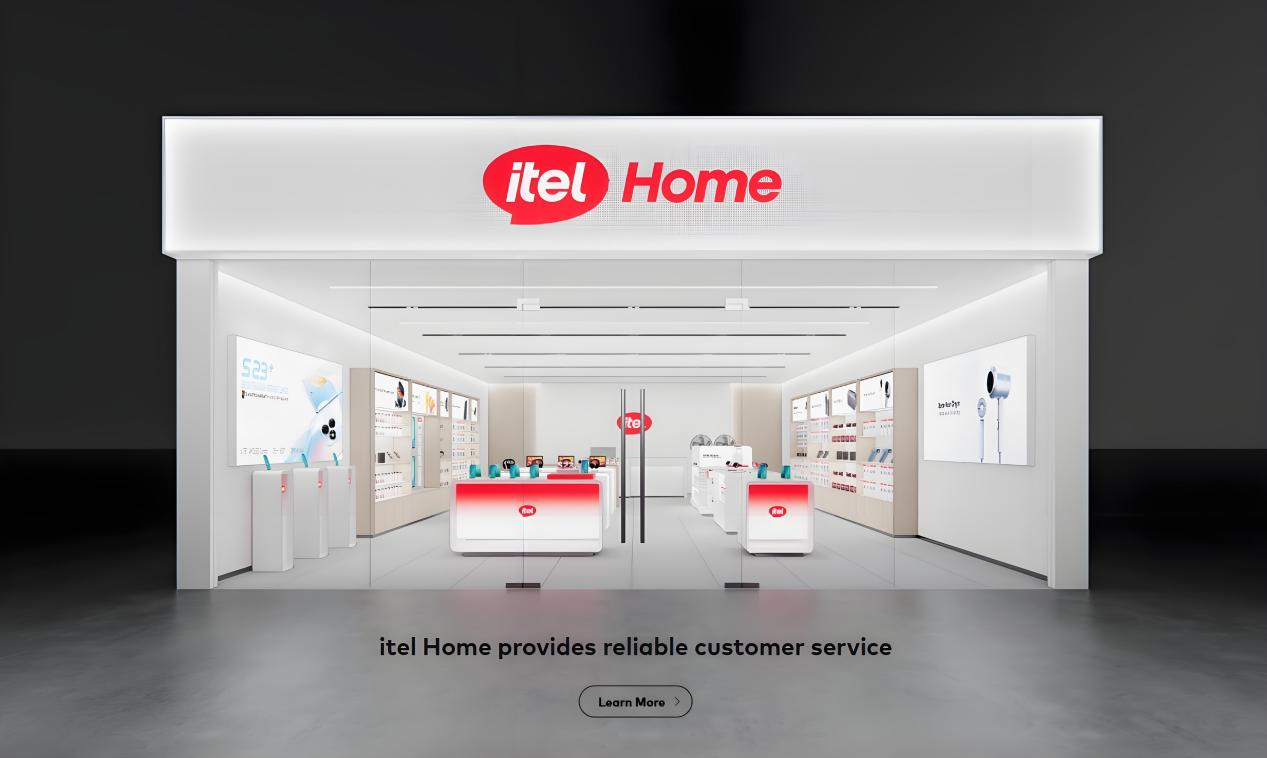
Quelle: itel
Eine starke Kombination aus Online- und Offline-Strategien
Natürlich beschränkt sich der „Ehrgeiz" von itel nicht nur auf den afrikanischen Markt; der Nahe Osten, Südostasien und andere Regionen sind ebenfalls Teil seiner Expansionspläne. Um die Handyprodukte potenziellen Verbrauchern in mehr Ländern und Regionen bekannt zu machen, setzt die Marke itel sowohl online als auch offline auf eine starke Kombination von Strategien.
Online: Starkes Marketing auf der Social-Media-Plattform TikTok
In Schwellenmärkten mit schnell steigender mobiler Internetdurchdringung nutzt die Marke itel TikTok als wichtige Plattform für die Verjüngung der Marke. Anders als das Modell traditioneller Marken, die nur ein einziges offizielles Konto einrichten, baute itel ein Konten-Netzwerk auf, das sieben Länder wie Nigeria, Indonesien, Pakistan und Myanmar abdeckt. Jedes Konto veröffentlicht gezielt Inhalte, die auf lokale Vorlieben zugeschnitten sind, und erzielt gute Followerzahlen. Wir können sehen, dass vier Konten über 100.000 Follower haben, während die anderen drei Konten ebenfalls über 10.000 Follower verfügen.
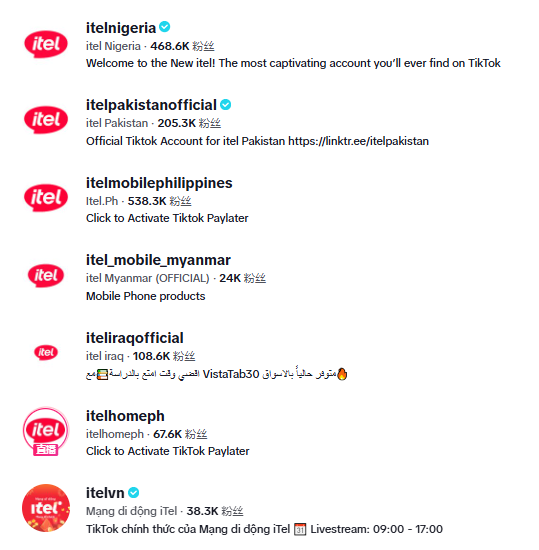
Quelle: TikTok
Das für den nigerianischen Markt eingerichtete TikTok-Konto @itelnigeria ist zweifellos das herausragendste. Es hat bereits 468.600 Follower und 3,4 Millionen Likes angesammelt.

Quelle: TikTok
Die kreative Kurzvideo-Serie „Höhenwurf", bei der zwei Personen die dramatische Szene eines Falltests für die Handy-Stoßfestigkeit nachspielen, erzielt nach der Veröffentlichung regelmäßig Millionen von Aufrufen. Die höchste Aufrufzahl eines einzelnen Videos überstieg sogar 12 Millionen. Diese Content-Strategie versteht die ästhetischen Vorlieben der Nutzer in Schwellenmärkten, ersetzt funktionale Belehrungen durch starke visuelle Effekte und weckt durch spannungsgeladene Erzählungen Interaktionen, was es potenziellen Verbrauchern erleichtert, sich an die Marke und ihre Produkte zu erinnern.

Quelle: TikTok
Neben mutigen Innovationen im Videoinhalt nutzt die Marke itel auch die Popularität von Stars und Influencern, um die Markenbekanntheit weiter zu steigern, und arbeitet mit mehreren lokalen Stars und TikTok-Influencern für Live-Shopping zusammen.
Zum Beispiel bewirbt die Marke itel derzeit intensiv das neueste Telefon power70. Um mehr Nutzer zu erreichen und zum Kauf zu bewegen, organisierte itel eine Live-Streaming-Aktion mit einer Staffelübergabe von Stars und Influencern und bewarb diese im Voraus auf dem Konto. Es wurde angekündigt, dass der größte Star die zentrale Bühne einnehmen würde, und @Speedy, @Amadou Elizabeth, @₱ɆⱠⱠɆⱤ, @Doyin David und @Onyeka Chigbo gemeinsam den längsten TikTok-Livestream des Jahres durchführen würden. Diese Form der vorherigen Ankündigung mehrerer Teaser sorgte für Aufmerksamkeit und steigerte die Erwartungen der Verbraucher.
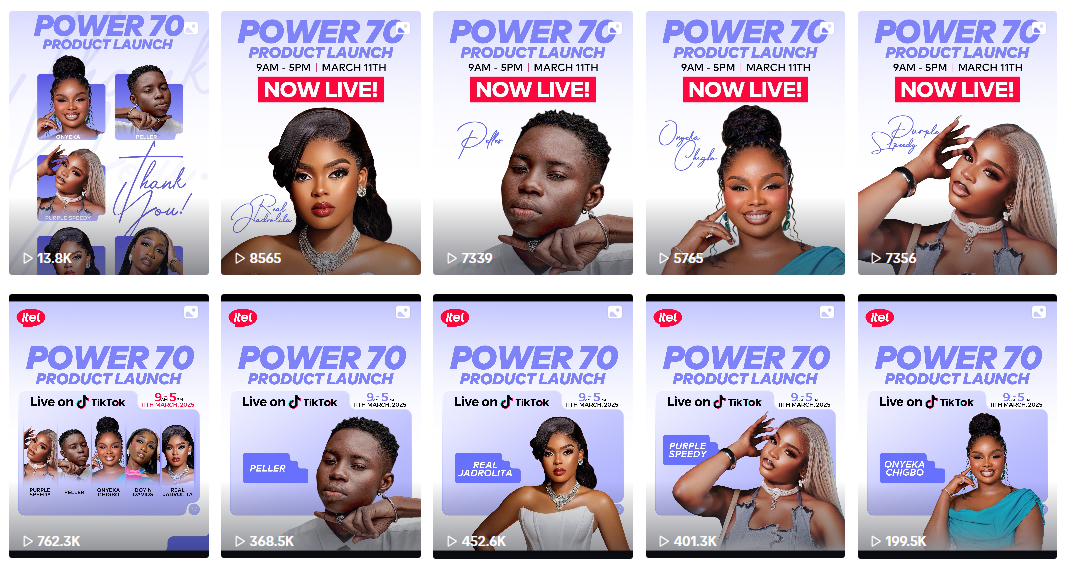
Quelle: TikTok
Diese Form des Live-Shoppings bringt die Marke auch näher an die Verbraucher heran.
Während des Livestreams demonstrieren die Influencer die spezifische Verwendung des Produkts und beantworten geduldig verschiedene Fragen des Publikums. Durch Interaktion können die Nutzer das Produkt umfassend verstehen, schnell Vertrauen aufbauen und so die Kaufbereitschaft des Publikums weiter anregen.
Offline: Dichte Standortverteilung und lokale Produktion
Offline sind itel-Geschäfte in den wichtigsten Geschäftsvierteln afrikanischer Großstädte oft dicht gesät, und in manchen Straßen entsteht sogar ein Skaleneffekt durch „mehrere Geschäfte auf einer Straße". Die Marke dringt auch über ein Händlernetzwerk in ländliche Märkte vor, um sicherzustellen, dass Nutzer in abgelegenen Gebieten die Produkte bequem kaufen können.
Um Kosten zu senken und schnell auf Nachfrage zu reagieren, hat die Marke itel Fabriken in Ländern wie Äthiopien, Indien und Bangladesch errichtet und so eine lokale Produktion und Optimierung der Lieferkette erreicht.
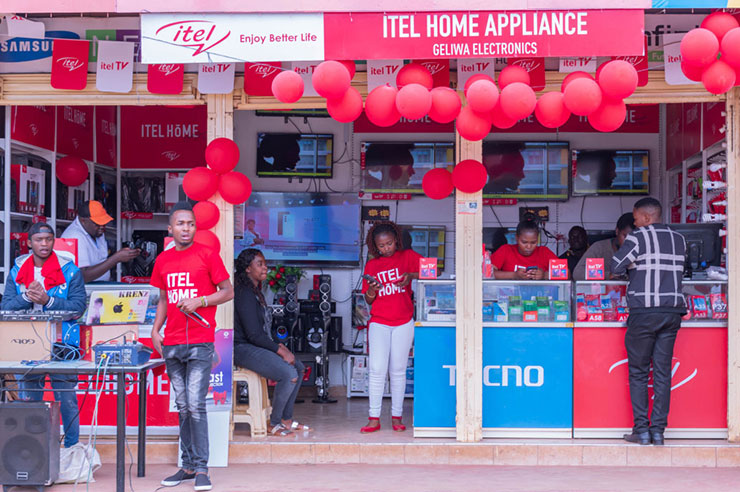
Quelle: Google
Eigene Website: Aufbau eines unabhängigen Marken-Ökosystems
Um die Abhängigkeit von Drittanbieter-Plattformen zu verringern, hat die Marke itel auch eine funktionsreiche eigene Website aufgebaut. Die offizielle Website präsentiert Produktspezifikationen und Nutzungsszenarien in einem schlichten Design, sodass Nutzer den gesamten Prozess von der Auswahl über die Bezahlung bis hin zum Kundendienst direkt durchführen können.
Durch SEO-Optimierung und Traffic-Lenkung von sozialen Medien wird die eigene Website nicht nur zu einem Schaufenster für das Markenimage, sondern baut auch einen Pool an privatem Traffic auf. Wenn Plattformen wie Amazon oder Jumia aufgrund von Richtlinien oder Logistikschwankungen den Verkauf beeinträchtigen, bietet die eigene Website itel eine stabile zweite Wachstumskurve.
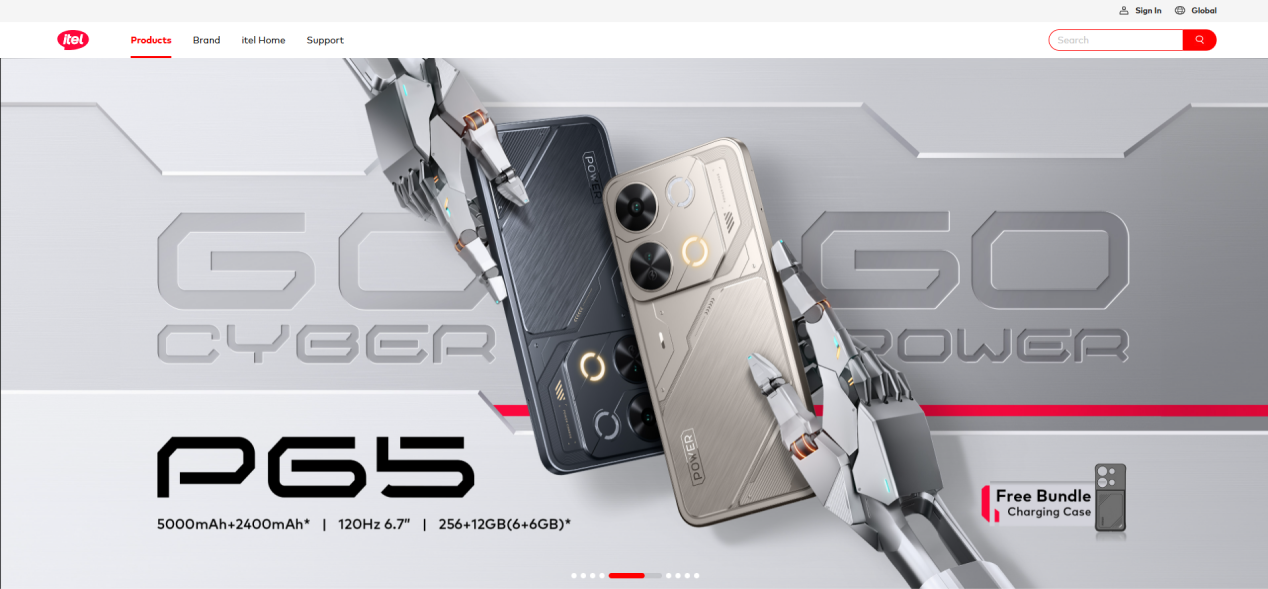
Quelle: itel
Fazit
Der Fall itel zeigt, dass der Erfolg auf Überseemärkten nicht auf technologischer Überlegenheit oder Kapitalaufwand beruht, sondern auf einem tiefen Verständnis der Nutzerbedürfnisse und einer systematischen Planung.
Heutzutage bietet die Vielfalt der globalen Verbrauchermärkte chinesischen Marken differenzierte Durchbruchsmöglichkeiten. Der Schlüssel liegt darin, „chinesische Erfahrungen" loszulassen und sich dem lokalen Ökosystem mit Bescheidenheit anzupassen.
Für andere inländische Marken, die international expandieren möchten, gilt: Solange sie den richtigen Weg finden, wie es die Marke itel getan hat, können sie auf den Überseemärkten ihr eigenes Meer der Sterne finden.