 2491
2491Auf TikTok scrollen täglich Milliarden von Nutzern durch Kurzvideos, doch die Händler, die wirklich erfolgreich verkaufen, beherrschen oft ein „Traffic-Geheimnis": die Produktauswahl basierend auf kulturellen Erkenntnissen.
Ein kleiner britischer Laden, der Kristallsteine verkauft, erzielte einen monatlichen Umsatz von über 2 Millionen US-Dollar, indem er das kulturelle Symbol der „Hexenwahrsagerei" zu Halloween nutzte. Eine südostasiatische Marke für Sonnenschutzmittel schaffte es mit nur einem Kurzvideo zum „Tropischen Sonnenschutz-Guide" unter die Top 3 der meistverkauften Produkte in Indonesien.
Hinter diesen scheinbar zufälligen Verkaufsschlagern verbergen sich drei Schlüsselstrategien für die lokalisierte Produktauswahl.
Quelle: Google
Strategie 1: Dekodierung kultureller Symbole – Emotionale Resonanz durch Feiertage/Klima/Glauben auslösen
Das Wesen der lokalisierten Produktauswahl ist der Verkauf von „kultureller Identifikation". Händler müssen Symbole aus dem kulturellen Erbe des Zielmarktes extrahieren und durch Inhalte die emotionale Resonanz der Nutzer wecken.
Feiertagssymbole: Planung von feiertagsbezogenen Produkten 3–6 Monate im Voraus, z. B. Hexenkristalle zu Halloween, limitierte Weihnachtsgeschenkboxen;
Klimasymbole: Entwicklung von kontextbezogenen Inhalten basierend auf regionalen Klimaeigenschaften, z. B. wasserdichtes Zubehör in der Regenzeit, Wärmeartikel in kalten Zonen;
Glaubenssymbole: Gestaltung konformer Produkte für Religionen/Bräuche, z. B. Halal-zertifizierte Kleidung, Schmuck mit Gottheiten-Motiven.
Strategie 2: Datenbasierte Trendprognose – Algorithmus zur Rückwärtsanalyse von Erfolgsgenen
Der TikTok-Algorithmus ist im Wesentlichen ein „menschlicher Detektor". Durch Datentools werden vielversprechende Produkte identifiziert und Inhalte 30 Tage im Voraus geplant.
Erkundung von Nischenkategorien: Fokus auf Kategorien mit geringem Wettbewerb und hohem Wachstum (z. B. Cocktail-Zubehör mit 120.000 £ monatlichem Umsatz auf dem britischen Markt);
Identifizierung von Erfolgsgenen: Filtern von Inhaltsmerkmalen mit überdurchschnittlichen Konversionsraten von 20 % (z. B. Produktvergleiche/Spezialeffekt-Demos);
Erfassung von Long-Tail-Bedürfnissen: Verfolgung periodischer Suchspitzen (z. B. jährliches Wachstum von 460 % bei „Weihnachtspullover für Haustiere" auf dem französischen Markt).
Strategie 3: Erzeugung von Trendphänomenen – Vom Mitnehmen zum Erschaffen von Trends
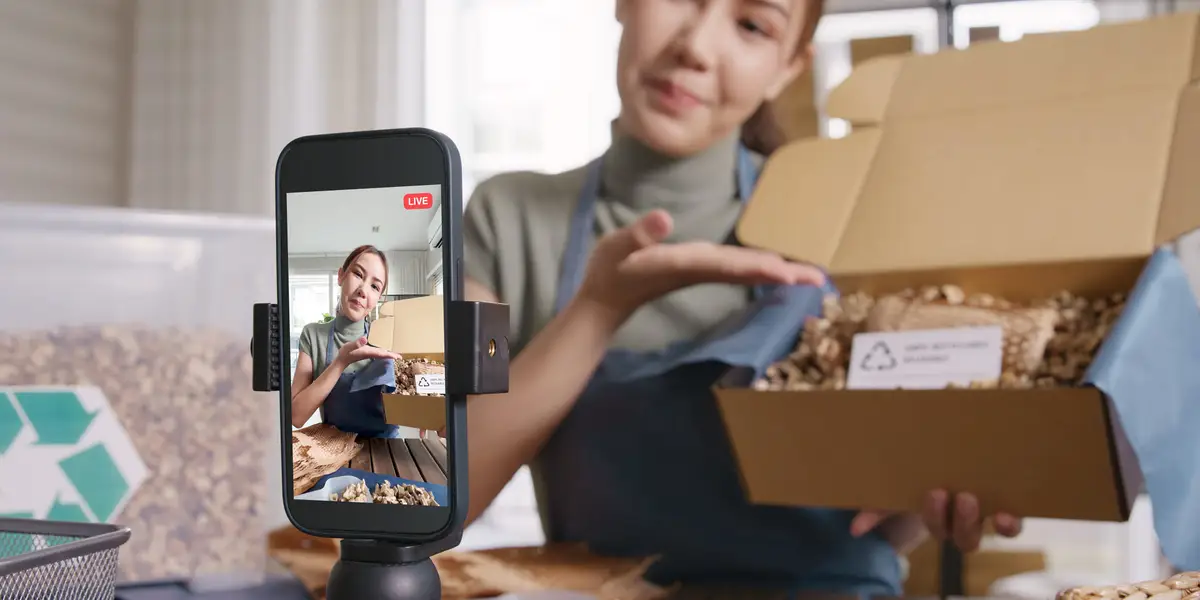
Lokalisierungsexperten warten nicht passiv auf Trends, sondern füttern den Algorithmus aktiv durch drei Arten von Ereignissen, um kulturelle Phänomene zu schaffen.
Anbindung an aktuelle Ereignisse: Entwicklung von Derivaten zu großen Veranstaltungen (z. B. Socken in Flaggenfarben für die Olympischen Spiele in Paris);
Herausforderungen initiieren: Gestaltung von stark interaktiven Themen zur Förderung von UGC (z. B. #RainproofChallenge während der Regenzeit auf den Philippinen);
Neuerfindung kultureller Memes: Dekonstruktion gesellschaftlicher Phänomene zur Produktentwicklung (z. B. „Arbeitstier-Pendeltasche" in Japan, die die Arbeitskultur aufgreift).
Quelle: Google
Dekodierung von Erfolgsbeispielen: Drei Marken im „Kulturkampf"
Beispiel 1: Meoky Thermobecher
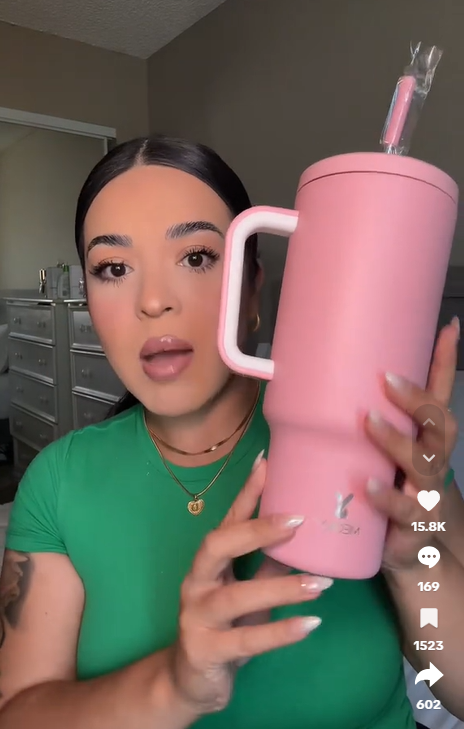
Die amerikanische Marke Meoky stellte fest, dass nordamerikanische Familien täglich durchschnittlich über 1,5 Stunden Auto fahren, herkömmliche Thermobecher jedoch oft auslaufen. Sie brachte eine 40-Unzen-Autoversion mit auslaufsicherem Design und reflektierender Lackierung auf den Markt. Durch von Influencern gedrehte „Fitnessstudio → Supermarkt → Kinderabholen"-Miniserien erzielte sie am Black Friday 30.000 Bestellungen an einem Tag und einen Jahresumsatz von über 100 Millionen.
Quelle: TikTok
Beispiel 2: Onlyou Foundation
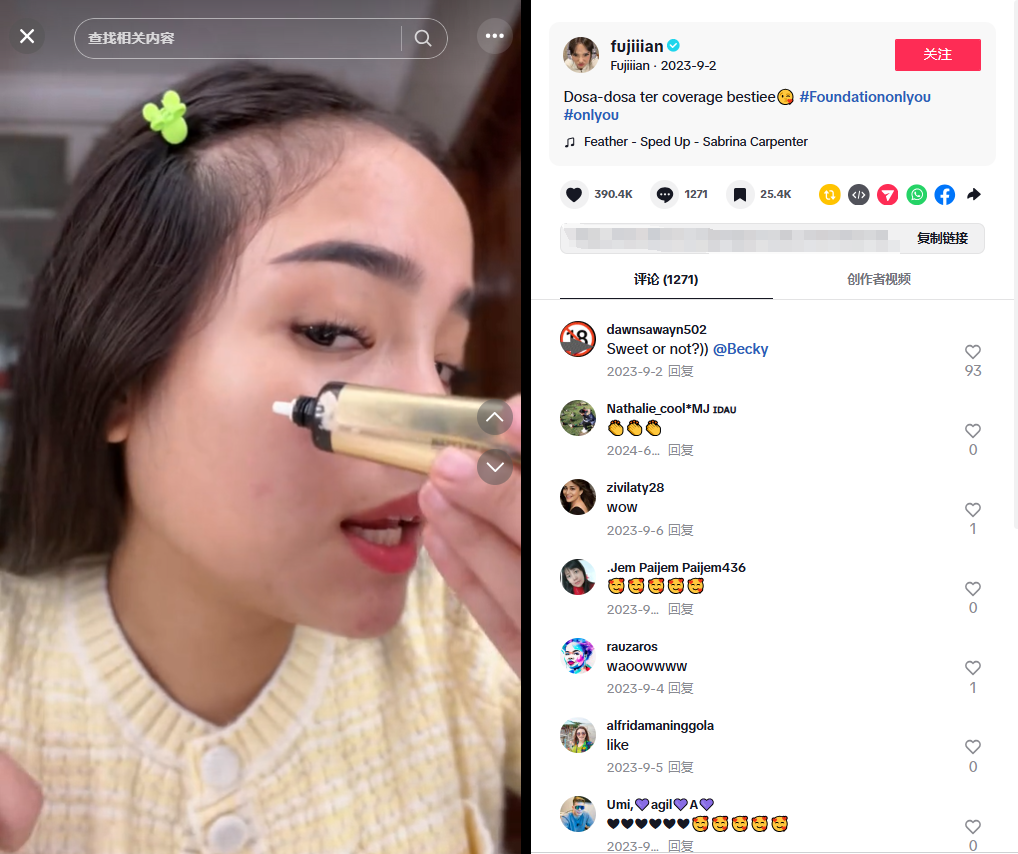
Angesichts des heißen und feuchten Klimas in Indonesien brachte Onlyou eine 24-Stunden-Haltbarkeits-Foundation auf den Markt und lud den religiösen KOL @HijabTutorials ein, ein „5-Minuten-Morgengebet-Make-up"-Tutorial zu drehen. Im Video wurde bewusst das Halal-Zertifikat auf der Flasche gezeigt, kombiniert mit einem rituellen Design des „Rezitierens von Gebeten während des Auftragens". Innerhalb von zwei Monaten erreichte es Platz 1 in der Kategorie, wobei der TikTok-Kanal über 60 % des GMV beisteuerte.
Quelle: TikTok
Beispiel 3: O Positiv Gummibärchen
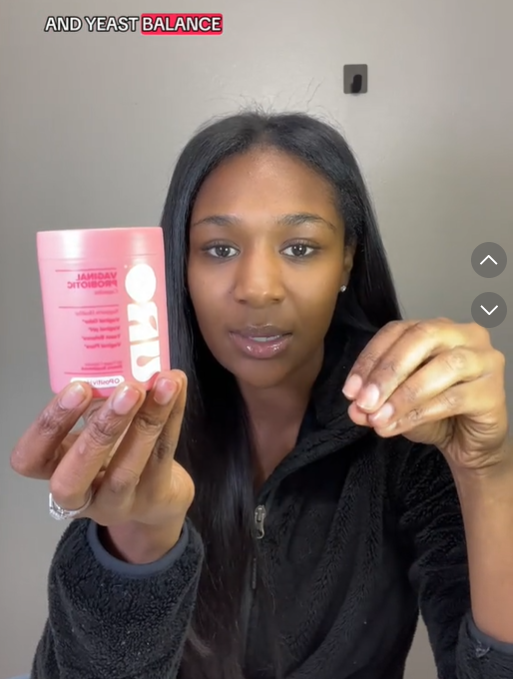
Die amerikanische Frauengesundheitsmarke O Positiv stellte fest, dass 72 % der jungen Frauen sich schämen, über Menstruationspflege zu sprechen. Sie brachte rosa Vitamin-Gummibärchen auf den Markt und ließ TikTok-Influencer lustige Videos über „heimliches Naschen im Büro" drehen, die PMS (prämenstruelles Syndrom) als Thema unter Freundinnen verpackten. Der monatliche GMV überstieg 1 Million US-Dollar.
Quelle: TikTok
Abschließende Gedanken
Wenn spanische Händler zu Weihnachten „Dreikönigsfest-Limitierte Schokolade" anbieten, wenn thailändische Marken Sonnenschutzmittel als Tempel-Segen-Mitbringsel gestalten – diese Verkaufsschlager gehen weit über das Produkt selbst hinaus. Sie werden zu emotionalen Trägern, mit denen Nutzer ihre kulturelle Identität ausdrücken.
Im roten Ozean des TikTok-Traffics können nur Händler, die den „kulturellen Code" wirklich verstehen, den Algorithmus zu ihrem eigenen „Verkaufsschlager-Beschleuniger" machen.