 2526
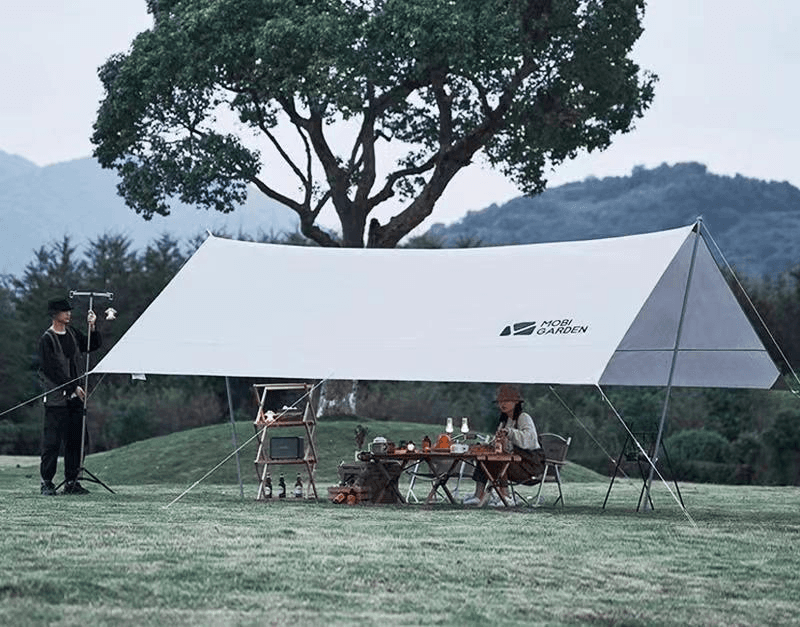
2526In einer gewöhnlichen Kleinstadt in Ningbo, Zhejiang, gibt es zwei Brüder, deren Namen vielleicht nicht allgemein bekannt sind, aber das von ihnen geschaffene Geschäftswunder hat die gesamte Branche erschüttert. Die Brüder heißen Lu Tunhua und Lu Tunfeng, sie verdienen ihren Lebensunterhalt mit dem Verkauf von Zelten und gründeten die Marke 牧高笛(MobiGarden), die eine einzigartige Revolution im Bereich Outdoor-Ausrüstung auslöste.
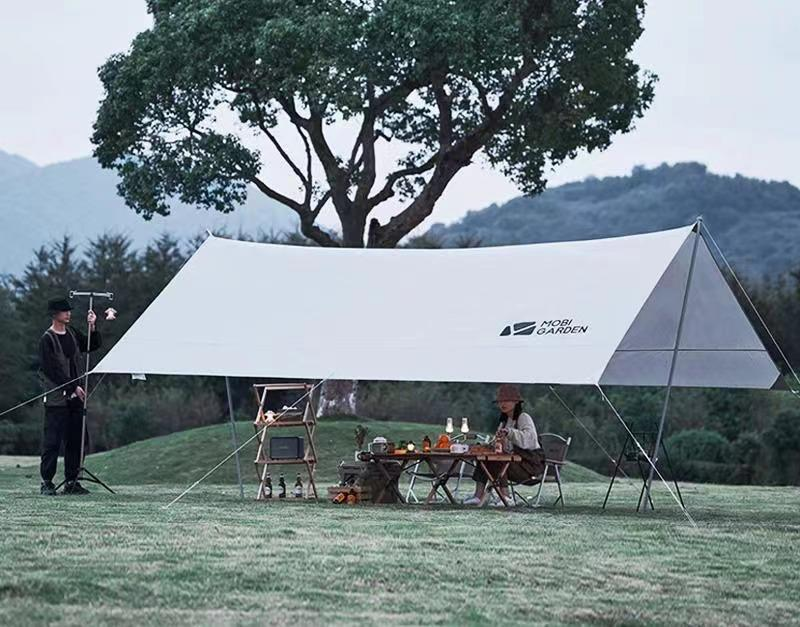
Seit 2016 steckt der Outdoor-Bereich allmählich in einer Phase des geringen Wachstums fest, und viele Marken verzeichnen Umsatzrückgänge. Im Jahr 2023 erlebte der Camping-Gigant Snow Peak sogar einen seltenen Umsatzrückgang, der das 22-jährige Wachstum der Marke beendete und einen Weckruf für die gesamte Camping-Branche darstellte. Der Markt änderte sich abrupt, von Boom zu Flaute, und die Marken stehen vor beispiellosen Herausforderungen.
In diesem Winter jedoch, als ehemalige "erste Camping-Aktie Chinas", verzeichnete die Marke 牧高笛 seit 2017 ein kontinuierliches Umsatzwachstum und überschritt schnell die 1-Milliarde-Yuan-Marke beim Jahresumsatz.
Bis 2022 erreichte der Umsatz 1,436 Milliarden Yuan, ein Anstieg von über 55% im Vergleich zum Vorjahr. Besonders in den ersten drei Quartalen 2023 erzielte das Eigenmarkengeschäft von 牧高笛 ein starkes Wachstum, mit einem Betriebseinkommen von 671 Millionen Yuan, einem Anstieg von 29,31% im Vergleich zum Vorjahr.
Warum kann 牧高笛 die Blockade des Branchenwinters durchbrechen?
01 Unzufrieden mit Lohnfertigung, Umstellung auf Eigenmarke
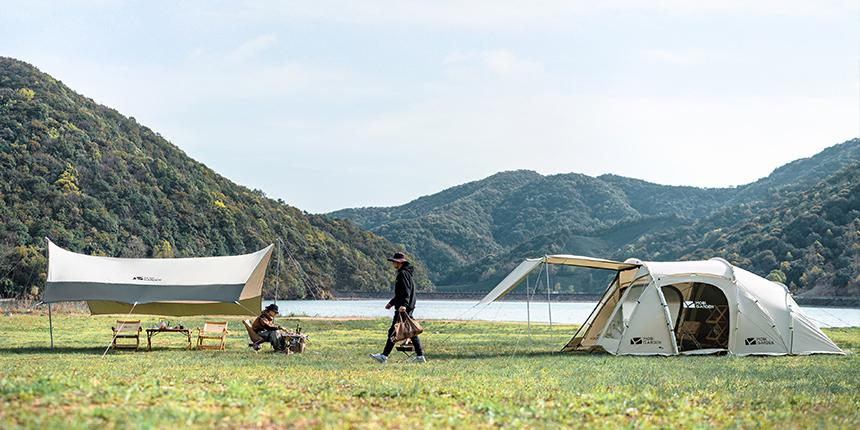
Im Jahr 2003 startete 牧高笛 mit Lohnfertigung, produzierte Zelte und Schlafsäcke für internationale Outdoor-Marken wie Decathlon und exportierte Produkte in alle Welt. Gleichzeitig erkannte Gründer Lu Tunhua das Potenzial des heimischen Outdoor-Sportmarktes, war mit der reinen Lohnfertigung unzufrieden und gründete die Eigenmarke 牧高笛.
Aber mehr als zehn Jahre vergingen, und der Weg der Eigenmarke verlief nicht reibungslos.
Bis 2020, mit der Beschleunigung durch die Pandemie, erlebte die Camping-Branche ihr erstes Jahr, viele neue Nutzer strömten herein, und 牧高笛 verzeichnete ein enormes Wachstum.
Im Gegensatz zu traditionellen Nutzern legten diese neuen Nutzer jedoch mehr Wert auf das Erlebnis und die Atmosphäre von Camping-Produkten, was den Aufstieg des "Glamping" (glamouröses Camping) förderte.
Aber 牧高笛, das aus der Lohnfertigung stammt, verfolgte stets einen funktionalen und praktischen Ansatz, der nicht zum jetzt gefragten, anspruchsvollen Stil passt.
Was tun? Wandel!
牧高笛 wechselte schnell vom traditionellen Produktdenken zum Nutzerdenken und erzielte so Wachstum in schwierigen Zeiten.
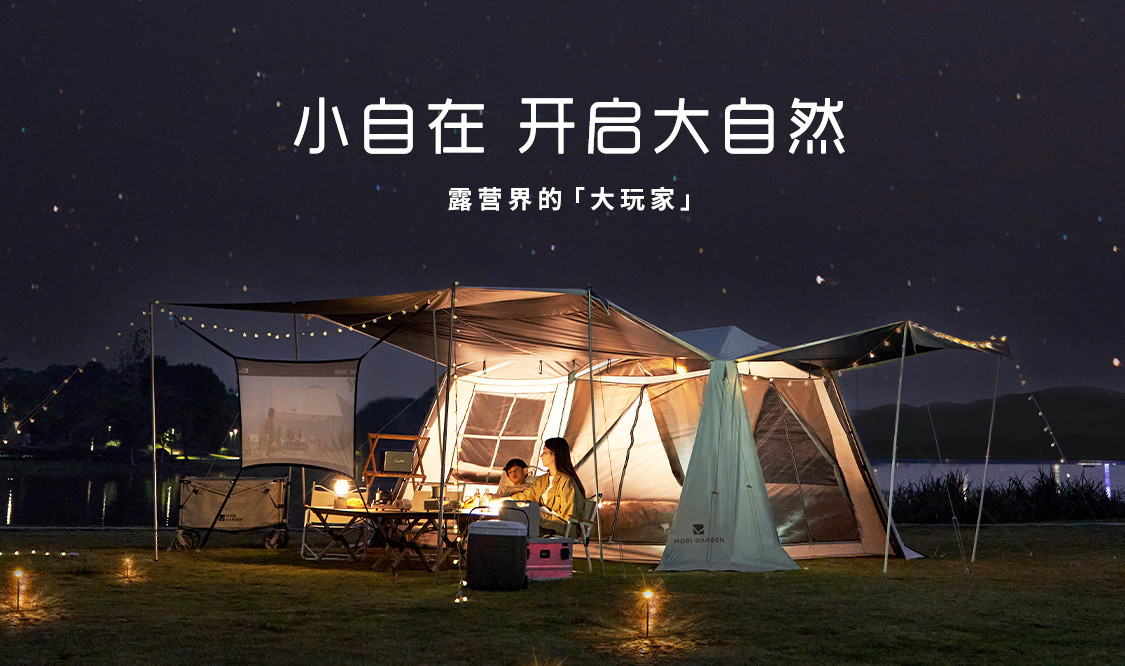
In der Markenpositionierung positionierte sich 牧高笛 neu als "Die Magie der Natur ins Leben bringen, den Komfort des Lebens in die Natur tragen" und zielte auf die Mittelschicht, Büroangestellte, künstlerisch orientierte Jugendliche und andere wohlhabende Gruppen ab.
In der Produktmatrix begann 牧高笛 mit der Diversifizierung und brachte neben dem Kernprodukt Zelt auch Schlafsäcke, Outdoor-Möbel, Kochutensilien und verwandte Produkte auf den Markt, um eine Produktökologie zu schaffen, die alle Szenarien abdeckt.
Beim Kernprodukt Zelt führte 牧高笛 kontinuierlich Iterationen und Upgrades durch und stellte die Benutzererfahrung an erste Stelle. Zum Beispiel wurde auf die Bedürfnisse der Nutzer hin ein Design mit vollständiger schwarzer Klebeschicht entwickelt, aber später stellte sich heraus, dass dies den Tageskomfort beeinträchtigte, woraufhin ein Upgrade durchgeführt wurde, um die Bedürfnisse der Nutzer besser zu erfüllen.
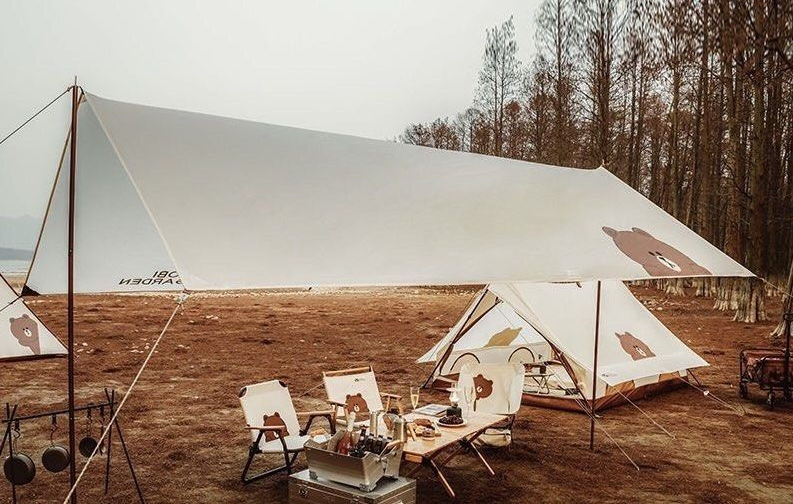
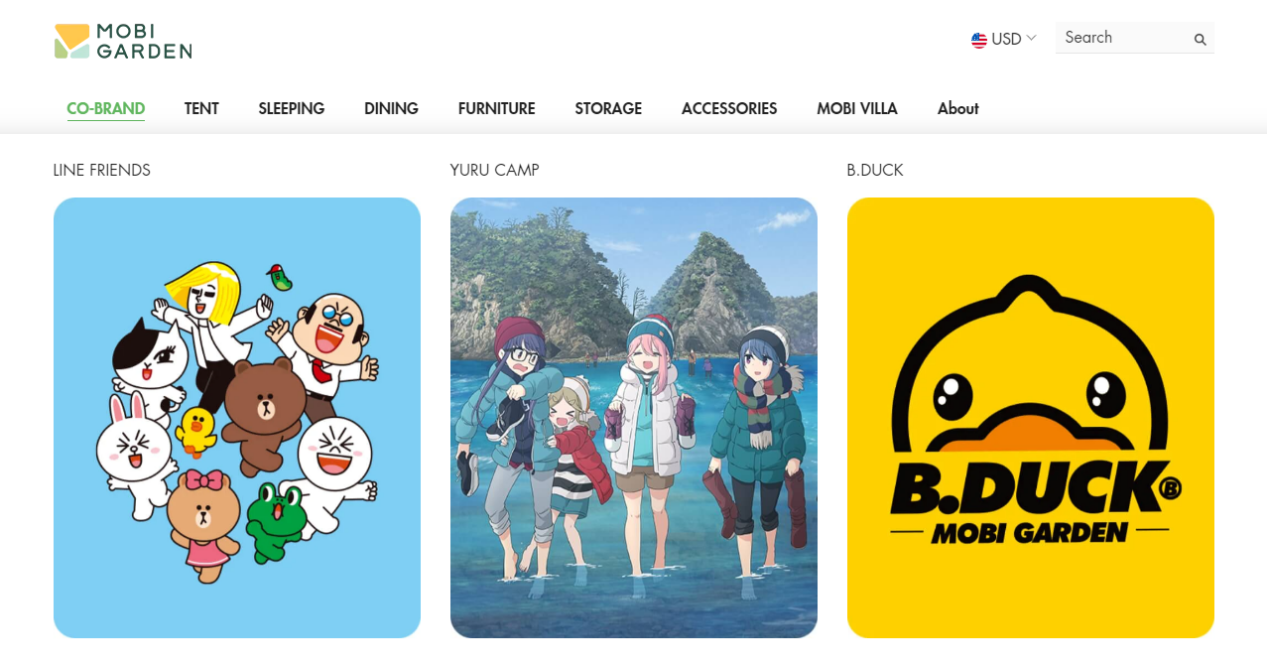
Neben Produkt-Upgrades arbeitete 牧高笛 auch mit bekannten IPs oder Designern zusammen, um eine Reihe von Co-Branding-Produkten auf den Markt zu bringen, wie zum Beispiel die LINE FRIENDS Brown Bear Edition, um das Mode- und Trendbewusstsein der Marke zu stärken und eine breitere Verbrauchergruppe, insbesondere junge Verbraucher, anzusprechen. Diese Maßnahmen führten zu einem explosionsartigen Wachstum von 牧高笛 in den Jahren 2021 und 2022.
02 Der Weg von 牧高笛 im internationalen Marketing
Trotz der beeindruckenden Leistung auf dem heimischen Markt war die Performance von 牧高笛 auf dem internationalen Markt nicht zufriedenstellend. Im Vergleich dazu war die aufstrebende Marke Naturehike, die das DTC-Modell verwendet, auf den Märkten in Europa und den USA sehr erfolgreich.
Um diese Situation zu ändern, begann 牧高笛, seine Werbemaßnahmen auf dem internationalen Markt zu verstärken. Schließlich kommt auch das beste Produkt nicht ohne Werbung aus.
Daher positionierte sich 牧高笛 auf sozialen Plattformen wie TikTok, Instagram, Facebook und YouTube, um die Markenbekanntheit durch soziale Medien im Ausland zu steigern.
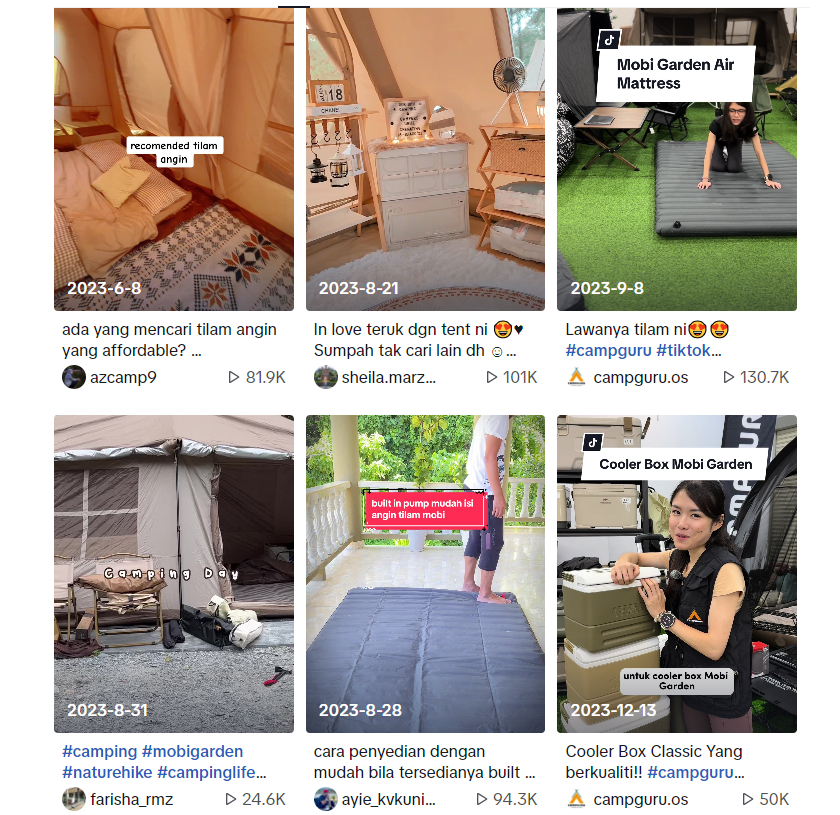
Zum Beispiel auf TikTok, da 牧高笛 selbst spät eingestiegen ist und nur wenige Follower hat, entschied es sich für die Zusammenarbeit mit mittleren und kleineren Influencern. Durch die Demonstration der Nutzungsszenarien der Produkte vor Ort durch die Influencer wurde die Markenbekanntheit mit Hilfe des Einflusses von KOCs gesteigert.
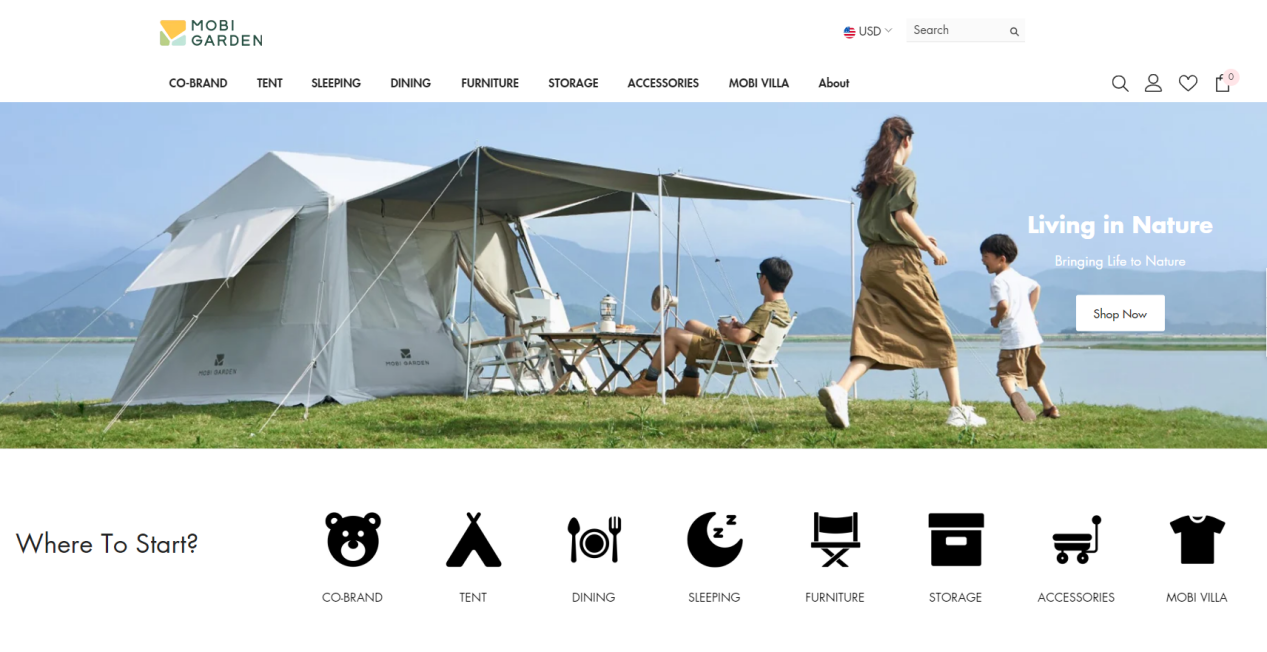
Darüber hinaus entwickelte 牧高笛 aktiv unabhängige internationale Websites. Es gestaltete die Produktpräsentation und das Seiteninteraktionsdesign sehr minimalistisch und modisch, was ein Gefühl von Leichtigkeit und Freiheit vermittelt. Die Co-Branding-Produkte der Marke fügen sich perfekt in das Gesamtdesign ein, was die Wahrscheinlichkeit erhöht, dass Nutzer angezogen werden.
Darüber hinaus sind bezahlte Suche und direkter Zugriff wichtige Wege zur Traffic-Generierung. Dies zeigt, dass 牧高笛 erhebliche Anstrengungen in Suchmaschinenoptimierung (SEO) und Website-Optimierung investiert hat, um die Konversionsrate von Nutzern über Suchmaschinen und direkten Website-Zugriff zu erhöhen.
Dennoch steht 牧高笛 im Wettbewerb auf dem internationalen Markt vor Herausforderungen. Die Multi-Plattform-Strategie hilft zwar, eine breitere Verbrauchergruppe abzudecken, führt aber auch zu einer Streuung der Ressourcen, was die konzentrierte Markenkommunikation und Marktdurchschlagskraft beeinträchtigt. In diesem hart umkämpften Markt muss 牧高笛 überlegen, wie es Ressourcen besser zuweisen und Prioritäten setzen kann.
Und das ist ein Problem, dem viele grenzüberschreitende Unternehmen gegenüberstehen.
Zusammenfassend lässt sich sagen, dass 牧高笛 durch den Wandel vom professionellen Camping zum Glamping erfolgreich ein gegenläufiges Wachstum erzielt hat. Angesichts neuer Herausforderungen und Chancen muss 牧高笛 jedoch weiterhin innovativ sein und Anpassungen vornehmen, um seinen Wettbewerbsvorteil zu erhalten und auf dem globalen Markt größere Erfolge zu erzielen.